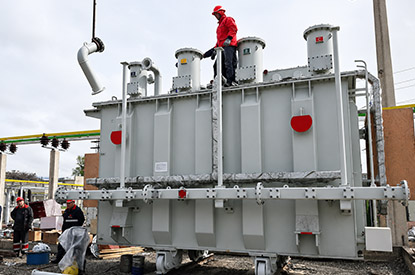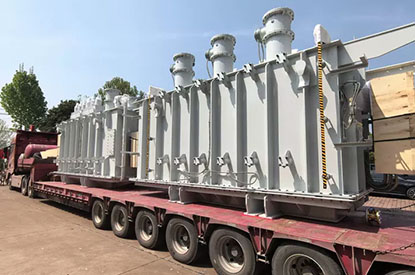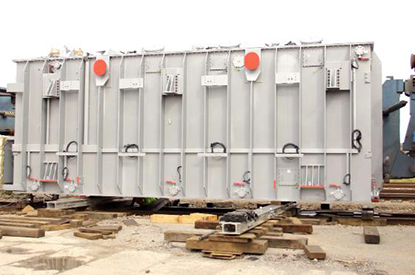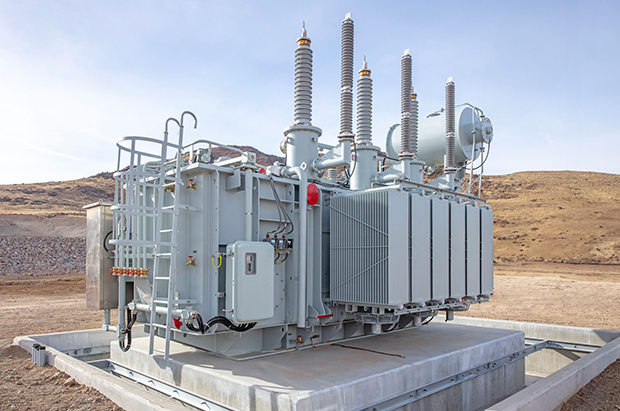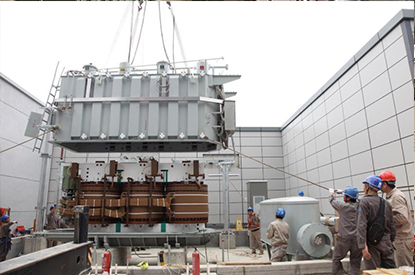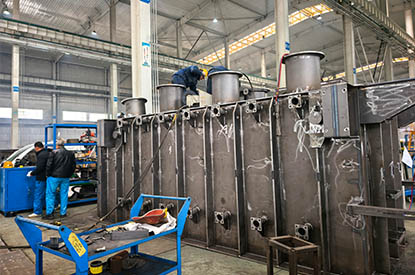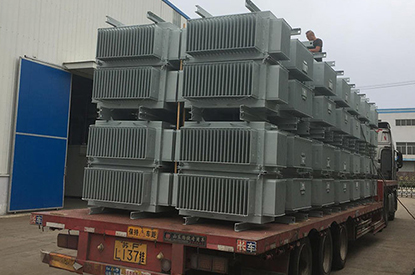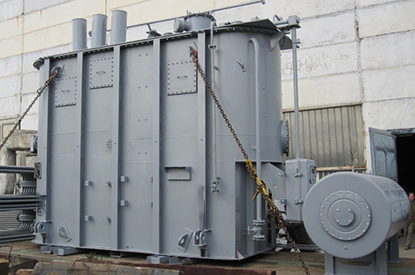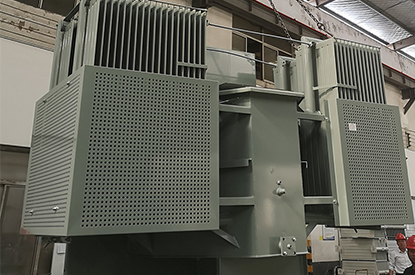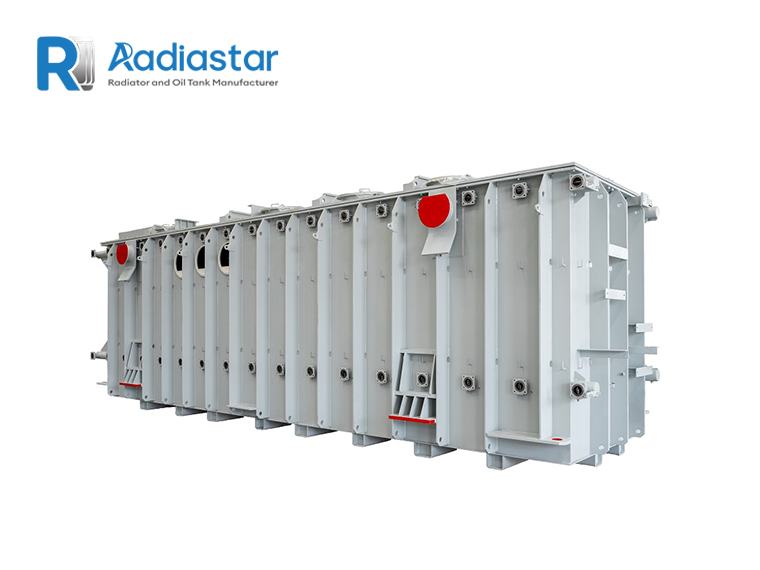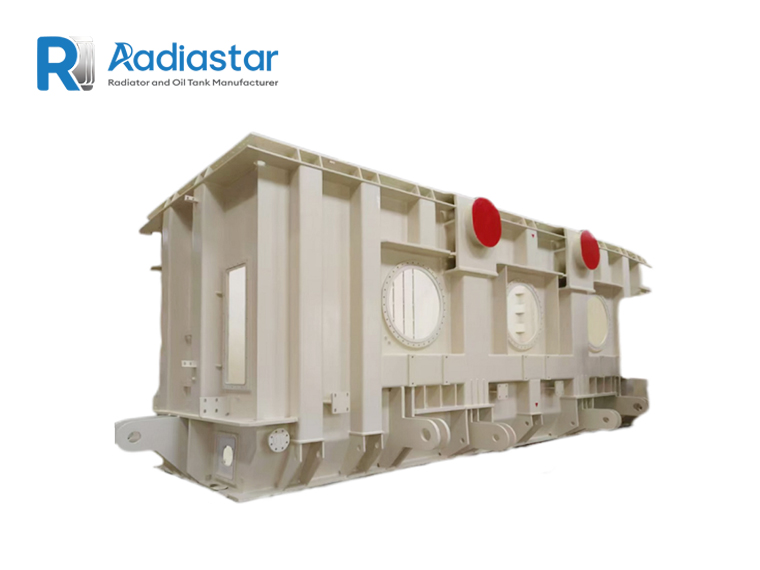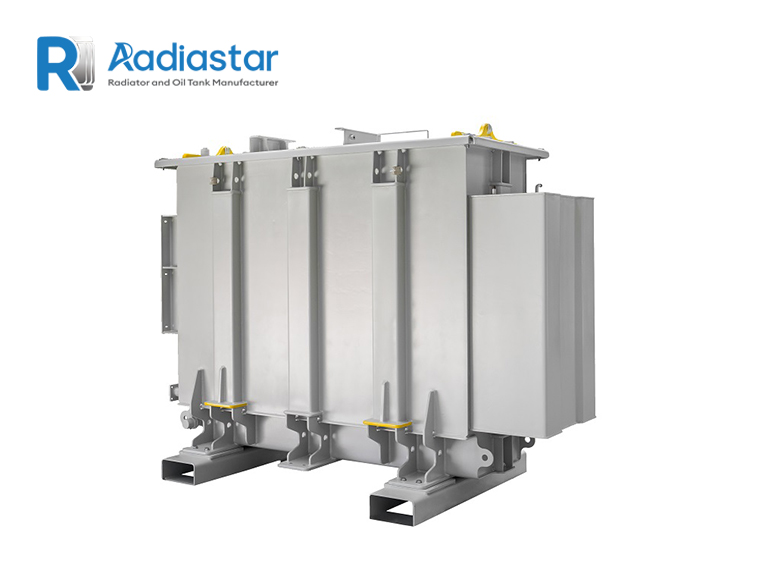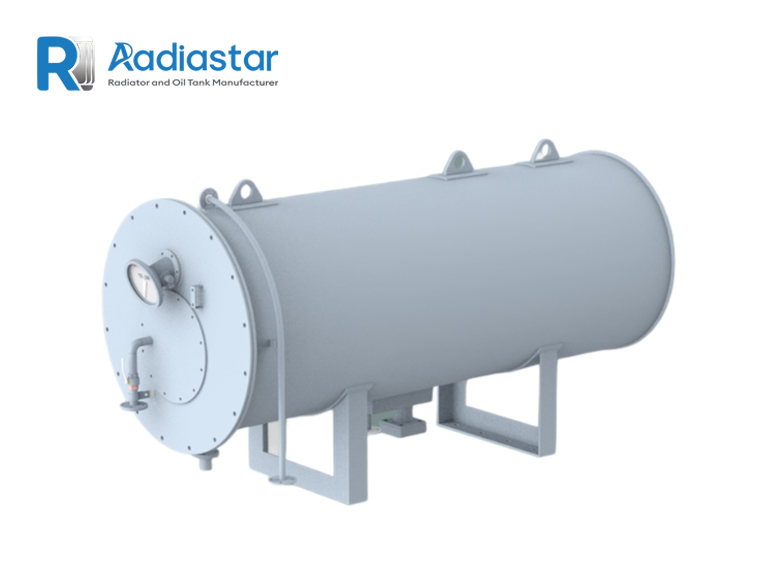

The corrugated transformer tank has become the preferred enclosure for modern oil immersed distribution transformers because it combines oil expansion compensation, efficient heat dissipation, and compact structural design in a single component.
Unlike traditional transformer tanks that require a separate conservator tank, corrugated wall tanks use flexible corrugated fins to absorb the volume changes of transformer oil caused by temperature fluctuations. This integrated design reduces maintenance requirements, lowers manufacturing costs, and improves overall transformer reliability.
As a professional corrugated transformer tank manufacturer, Radiastar designs and manufactures customized tanks for distribution transformers, renewable energy projects, industrial power systems, and utility applications. This guide explains the engineering principles behind corrugated wall tanks, the key design considerations, manufacturing technologies, and the factors buyers should evaluate when selecting a supplier.
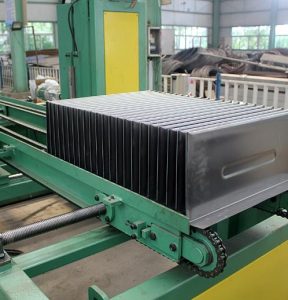
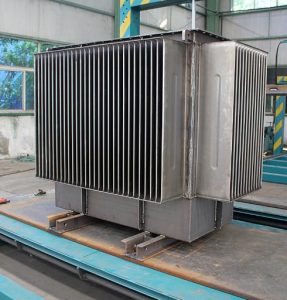
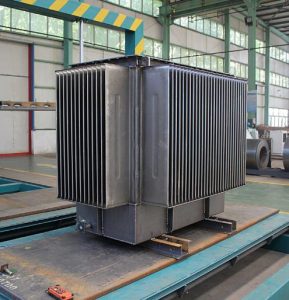
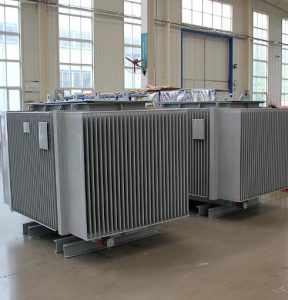
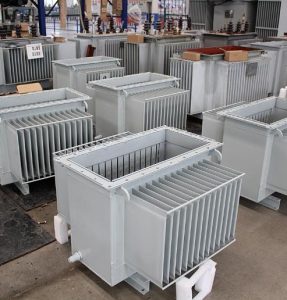
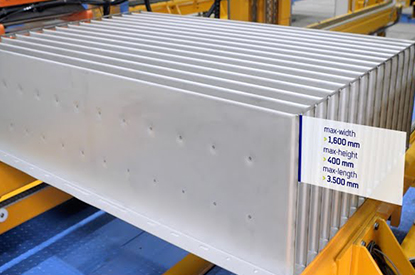
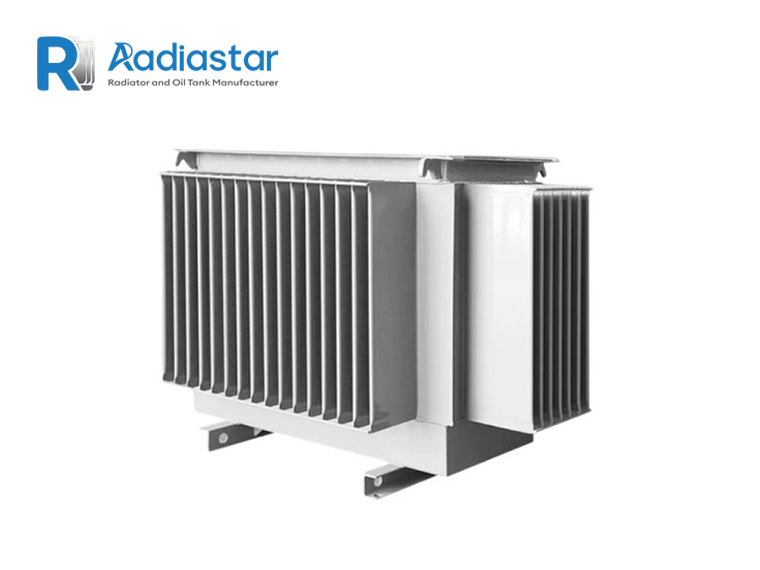
A corrugated transformer tank is a sealed steel enclosure with pressed corrugated side walls. The corrugations act as both:
Because the tank itself accommodates oil volume changes, many distribution transformers no longer require an external conservator.
Typical applications include:
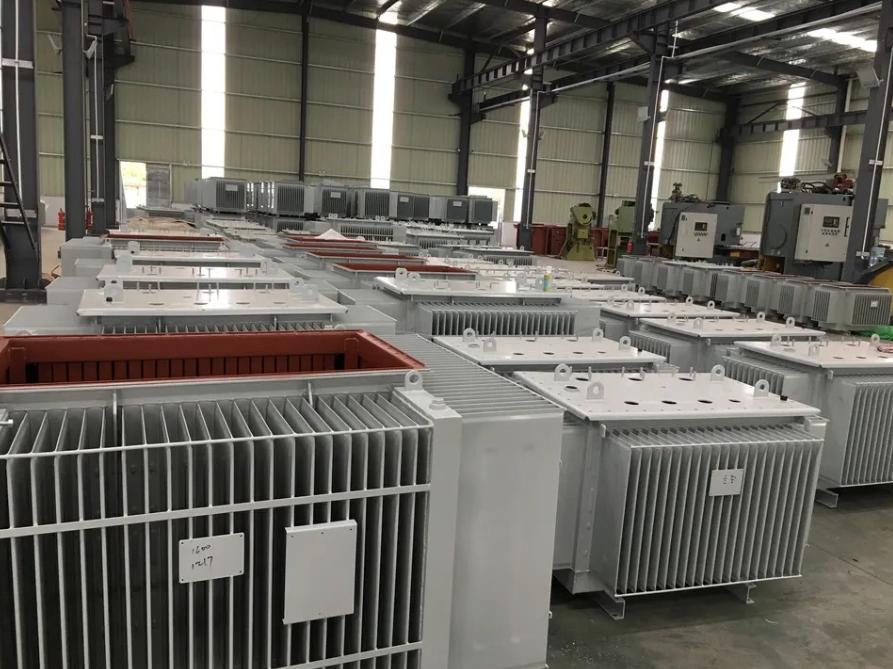
Transformer temperature directly affects insulation life.
According to the Arrhenius aging principle, every sustained increase in operating temperature accelerates insulation degradation. An optimized corrugated tank helps maintain lower oil temperatures by increasing the effective cooling surface.
A well-designed tank provides:
For transformer manufacturers, the tank is not only a mechanical structure but also a critical thermal management component.
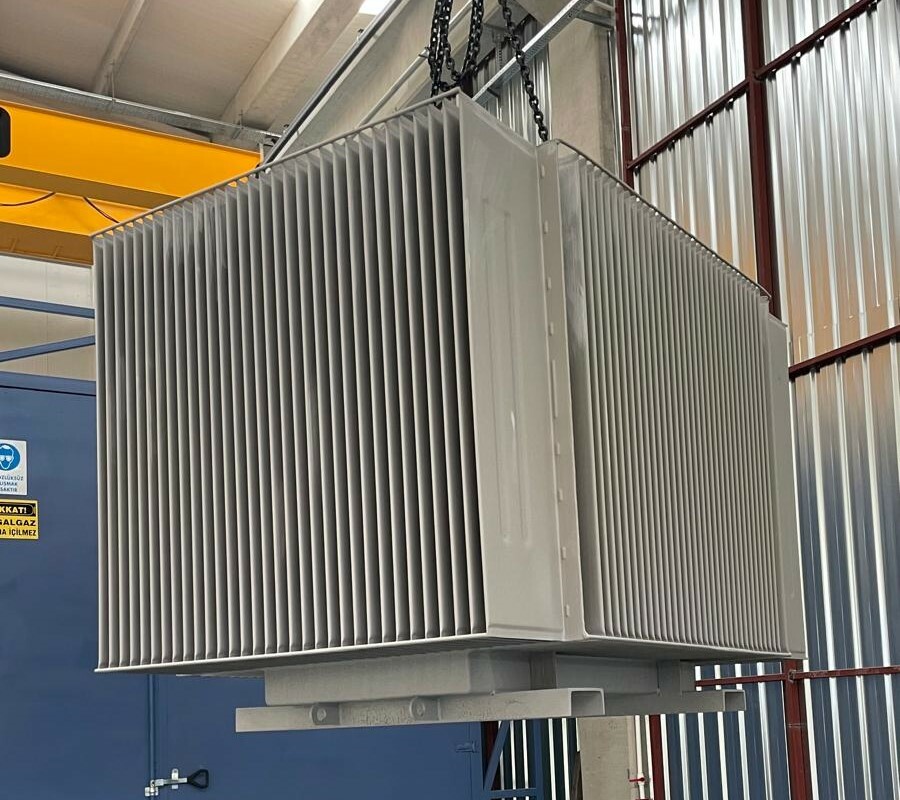
Transformer oil expands as its temperature rises.
Instead of using a conservator, the corrugated walls flex outward to absorb the increased oil volume. When the transformer cools, the walls return to their original position.
This design:
The corrugated profile significantly increases the external surface area compared with a flat wall.
Heat transfer occurs in three stages:
The geometry of each corrugation influences cooling efficiency. Engineers optimize:
to achieve the required temperature rise limits defined by IEC 60076.
Although corrugated walls are flexible, they must also withstand:
Finite Element Analysis (FEA) is often used to verify deformation and stress distribution before production.
When designing a corrugated transformer tank, engineers typically evaluate:
| Parameter | Typical Consideration |
|---|---|
| Transformer Rating | 50kVA-31.5MVA |
| Voltage Class | 10–35 kV |
| Oil Volume | Based on winding and core size |
| Heat Dissipation Requirement | Temperature rise calculation |
| Corrugation Depth | Cooling and flexibility |
| Steel Thickness | Mechanical strength |
| Surface Treatment | Corrosion resistance |
| Ambient Conditions | Desert, coastal, tropical or cold climates |
Every project requires balancing thermal performance, structural integrity, manufacturability and cost.
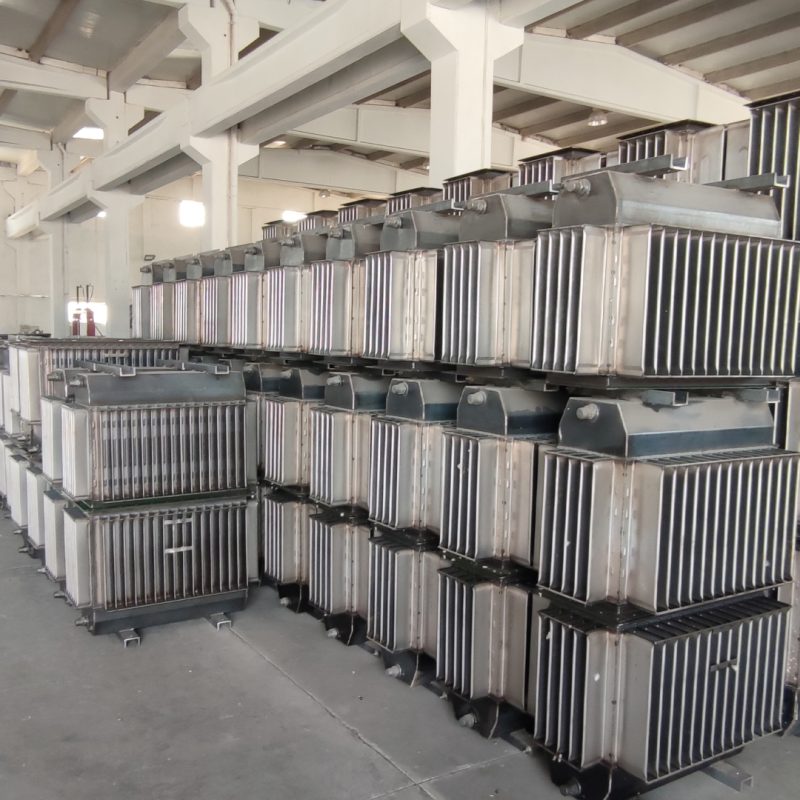
The quality of the steel directly affects service life.
Radiastar typically selects high-quality carbon steel with:
Protective coatings are chosen according to the installation environment and may include epoxy primers, zinc-rich coatings or polyurethane top coats for enhanced corrosion resistance.
A high-performance corrugated tank depends on precise manufacturing.
Typical production steps include:
Each finished tank should undergo pressure and leakage testing before shipment.
| Feature | Corrugated Tank | Flat Wall Tank |
|---|---|---|
| Cooling Area | Large | Smaller |
| Oil Expansion | Built-in | External conservator often required |
| Maintenance | Lower | Higher |
| Weight | Lighter | Heavier |
| Manufacturing Cost | Competitive | Higher for equivalent cooling |
| Distribution Transformer | Excellent | Less common |
Design engineers often need to solve:
Advanced simulation software combined with production experience helps reduce these risks.
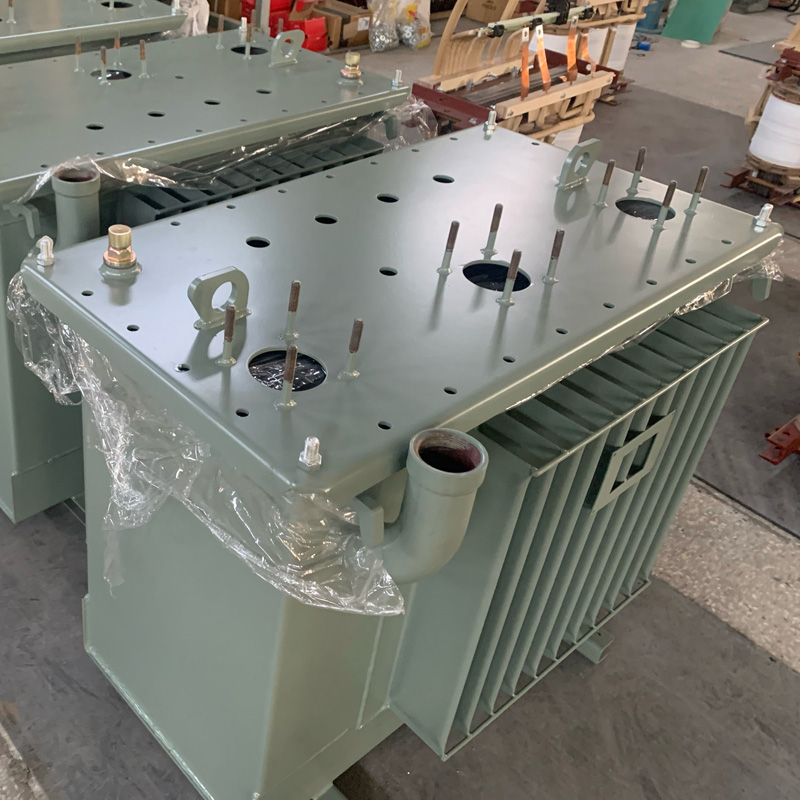
Corrugated transformer tanks are widely used in:
Their compact design makes them particularly suitable for outdoor installations where reliability and low maintenance are essential.
Radiastar specializes in transformer cooling and enclosure solutions.
Our capabilities include:
Every project is designed according to customer drawings, transformer ratings and international standards.
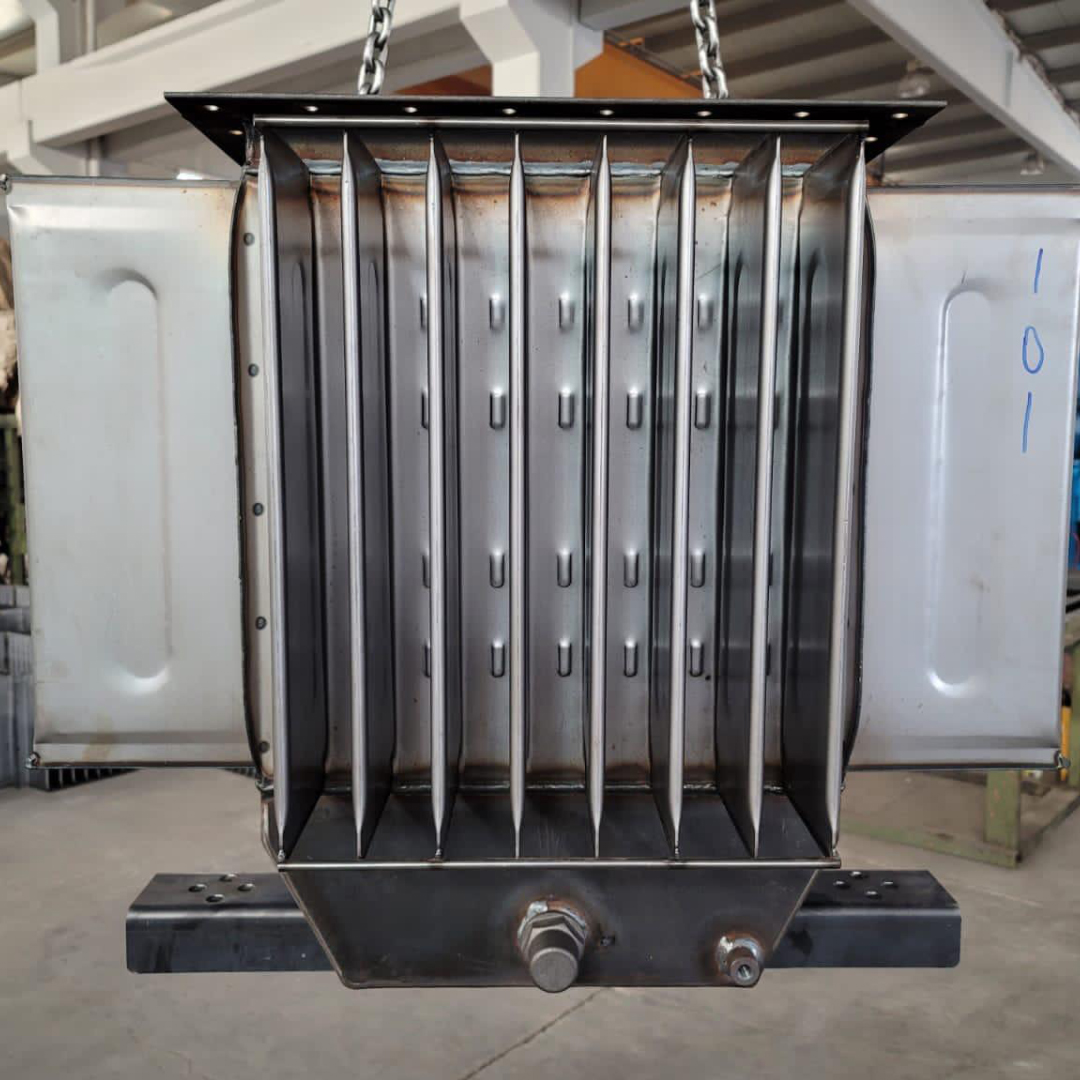
A corrugated transformer tank is a sealed steel enclosure with flexible corrugated walls that provide both cooling and oil expansion compensation.
They increase heat dissipation area while accommodating oil volume changes caused by temperature variation.
No. Corrugated tanks are most common on oil immersed distribution transformers. Larger power transformers often use radiator banks and conservators.
With proper material selection, corrosion protection and manufacturing quality, service life can exceed 25–30 years under normal operating conditions.
Yes. Radiastar provides customized corrugated transformer tanks based on customer drawings, transformer ratings and project requirements.
A well-designed corrugated transformer tank is more than a container—it is an integral part of transformer thermal management and long-term reliability. By combining structural flexibility, efficient cooling and robust manufacturing, corrugated tanks help reduce maintenance, improve operating performance and extend transformer life.
With extensive manufacturing experience and a focus on engineering quality, Radiastar supplies customized corrugated transformer tanks for utilities, transformer OEMs and industrial customers worldwide.
Contact Radiastar today to discuss your transformer tank design requirements and receive a customized engineering solution.