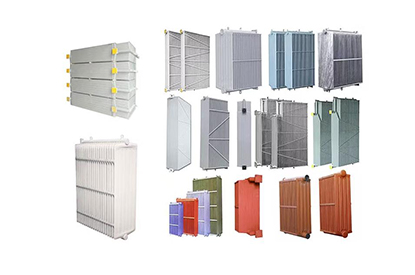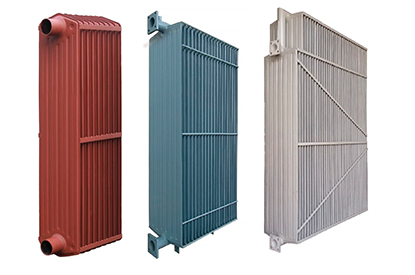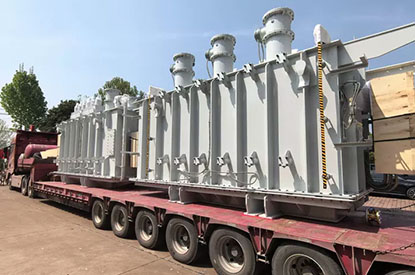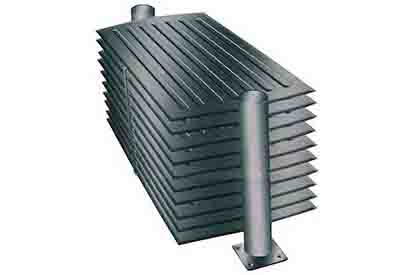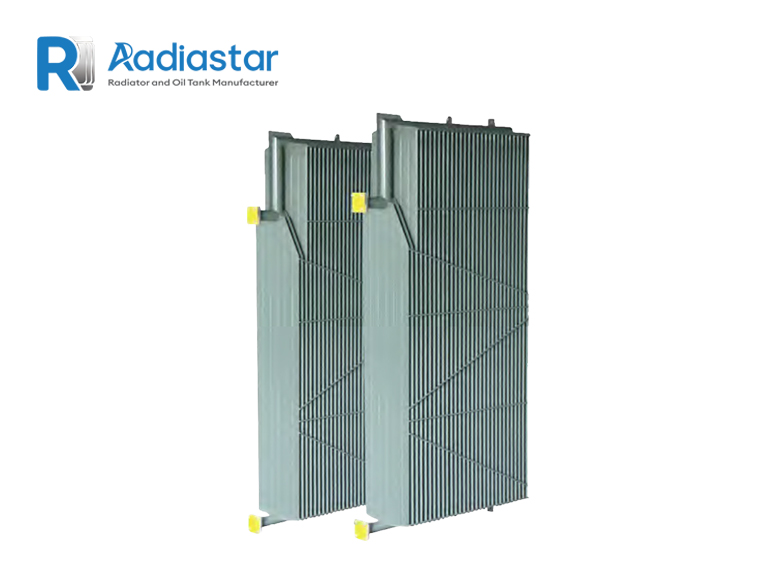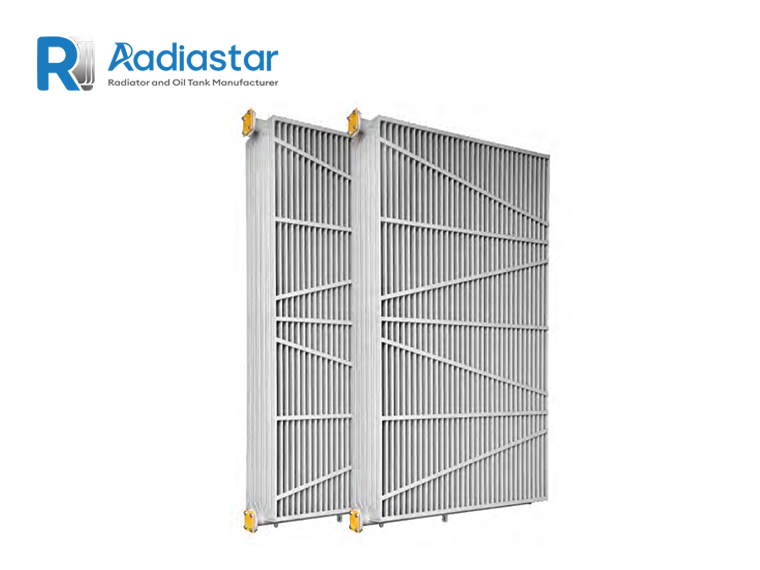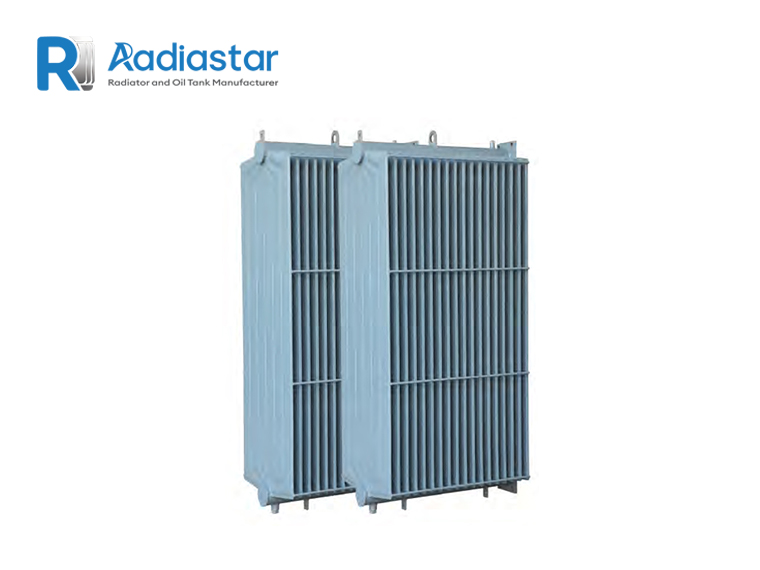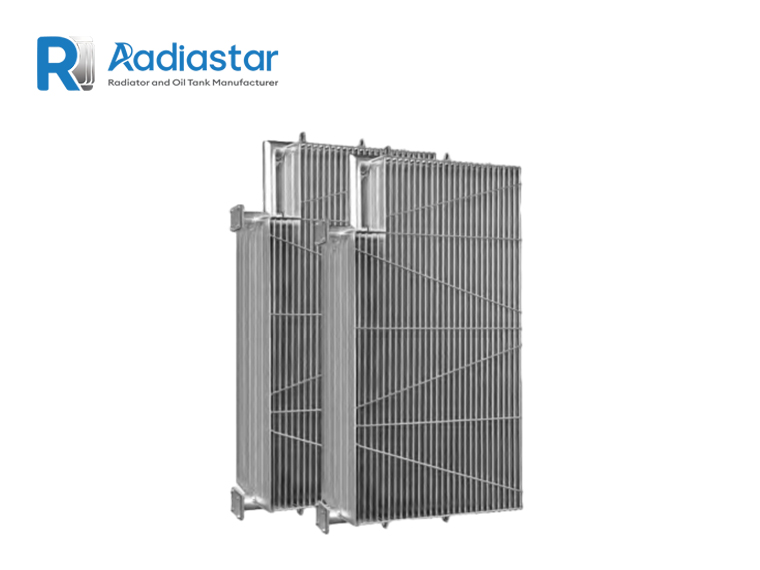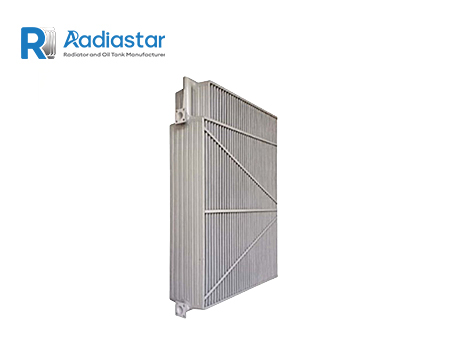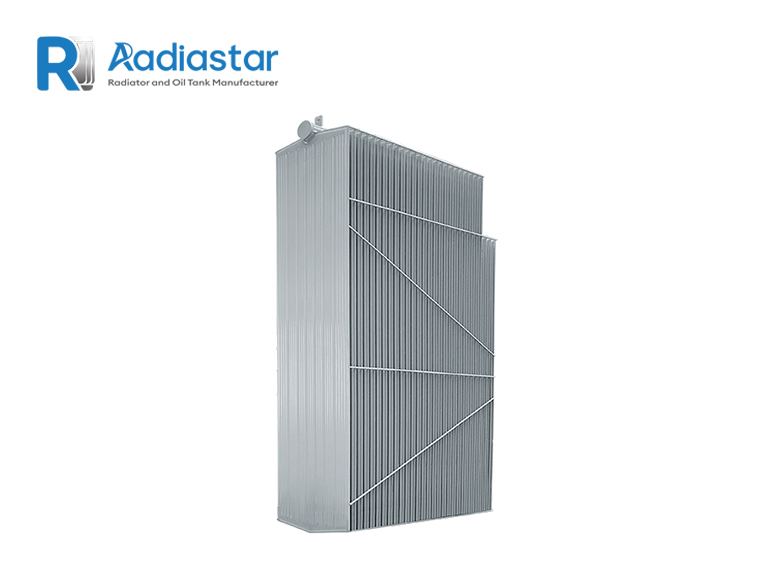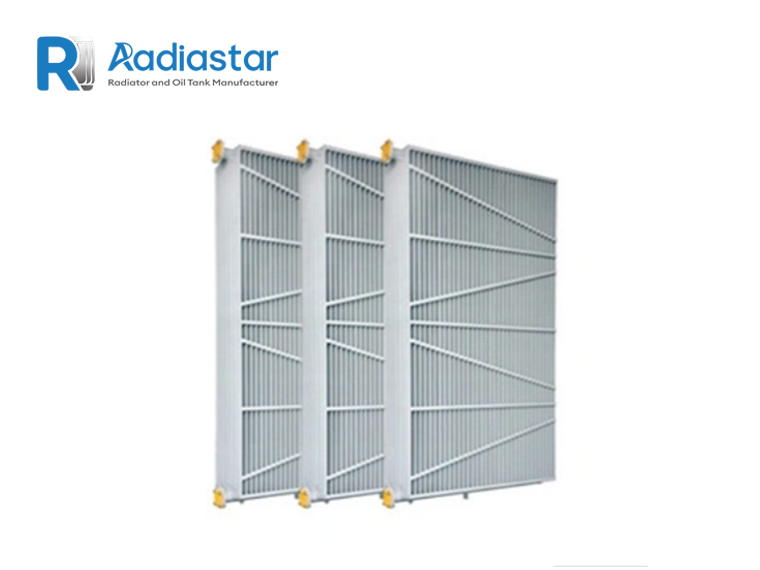

A transformer radiator is one of the most important components in an oil immersed transformer cooling system. Its primary function is to remove heat generated during transformer operation and maintain the transformer temperature within a safe operating range.
During operation, transformers continuously produce heat due to electrical losses, including:
If this heat cannot be effectively dissipated, transformer insulation materials will age faster, oil temperature will increase, and transformer reliability will decrease.
A Transformer Radiator solves this problem by transferring heat from hot transformer oil to the surrounding air through a specially designed cooling structure.
Radiastar manufactures high-quality Transformer Radiator Panels, Corrugated Radiators, and Oil Transformer Cooling Systems for distribution transformers, power transformers, and industrial transformer applications.
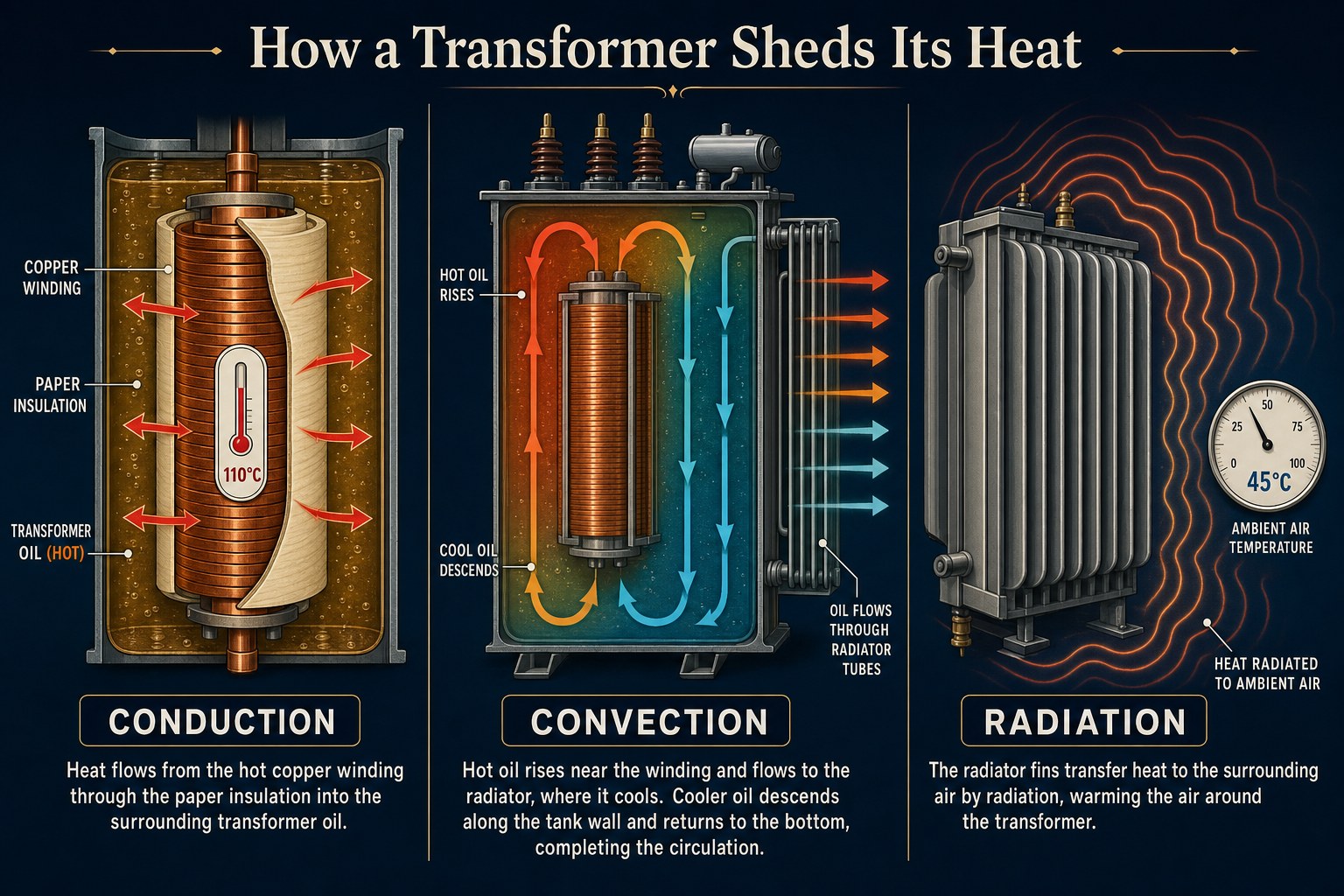
A Transformer Radiator, also called a:
is an external heat exchanger installed on the transformer tank.
It consists of multiple steel cooling panels connected to the transformer tank through oil pipelines.
The radiator increases the heat dissipation area between transformer oil and surrounding air, allowing heat to escape efficiently.
A typical transformer radiator includes:
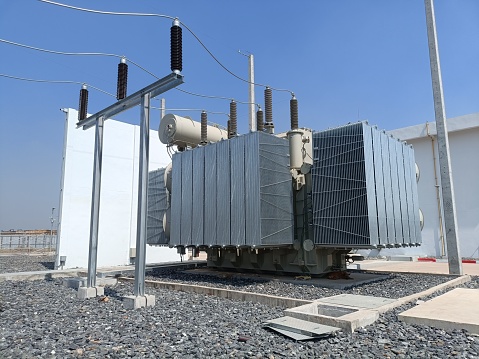
Transformers are highly efficient electrical devices, but they still generate heat.
The main sources of heat include:
Core loss occurs inside the transformer magnetic core.
It includes:
Caused by repeated magnetization and demagnetization of the iron core.
Generated by circulating currents inside the core material.
Copper loss occurs in transformer windings.
It is caused by:
The higher the transformer load, the higher the copper loss.
In oil immersed transformers, transformer oil performs two important functions:
The oil absorbs heat from the core and windings, then transfers this heat to the radiator.
The working principle of a transformer radiator is based on:
Heat transfer + Natural oil circulation + Air cooling
The complete cooling process:
Transformer Windings
        ↓
Hot Transformer Oil
        ↓
Radiator Panel
        ↓
Heat Released to Air
        ↓
Cool Transformer Oil
        ↓
Return to Transformer Tank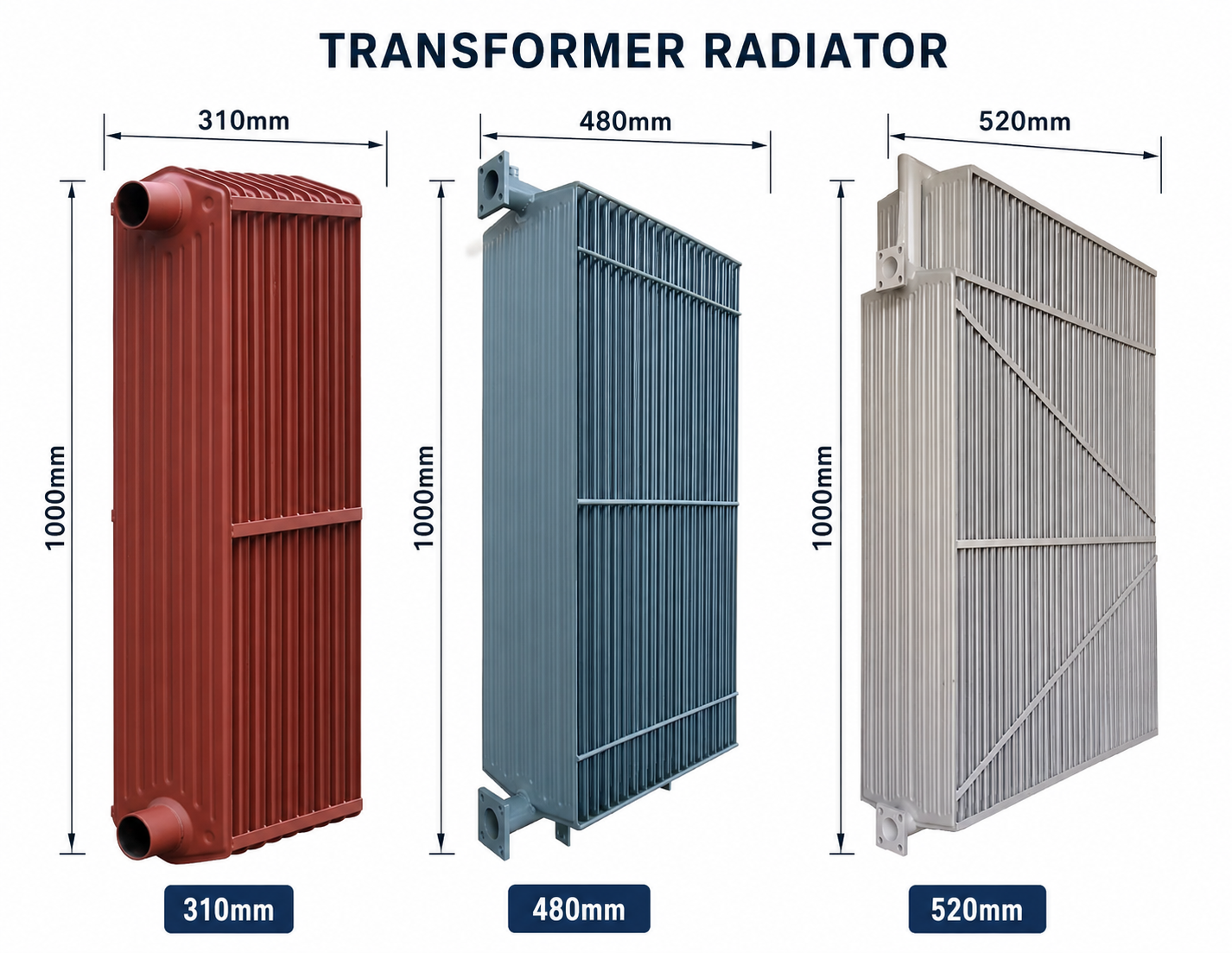
When a transformer operates, electrical losses generate heat.
The temperature of transformer oil near the windings increases.
Hot oil becomes lighter because its density decreases.
The heated oil naturally rises from the transformer tank into the upper part of the radiator.
This movement is caused by natural convection.
Inside the radiator:
The larger radiator surface area provides better cooling performance.
After losing heat:
This continuous circulation maintains transformer operating temperature.
Transformer cooling systems are classified according to oil circulation and air circulation methods.
The most common cooling methods are:
ONAN is the most common cooling method for distribution transformers.
Working principle:
Advantages:
✔ Simple structure
✔ High reliability
✔ No additional power consumption
✔ Low maintenance cost
Applications:
Large transformers require additional cooling capacity.
In ONAF systems:
Advantages:
✔ Higher cooling capacity
✔ Suitable for heavy loads
✔ Improves transformer performance
Applications:
Large power transformers may use forced oil circulation.
The system includes:
Advantages:
Applications:
Different transformer applications require different radiator designs.
A Corrugated Transformer Radiator uses folded steel panels to increase heat dissipation area.
Advantages:
Applications:
Panel radiators consist of multiple flat cooling elements.
Features:
Applications:
Detachable radiators can be removed separately from the transformer tank.
Benefits:
Used for:
For large transformer loads, fans are installed to improve airflow.
Benefits:
The cooling performance depends on several factors.
A larger surface area provides better heat dissipation.
Manufacturers optimize:
Efficient oil circulation improves heat transfer.
Important factors:
Higher ambient temperature reduces cooling efficiency.
Transformer design must consider:
High-quality steel and corrosion-resistant coatings improve service life.
Important requirements:
Radiastar produces transformer radiators through strict manufacturing procedures.
Design parameters include:
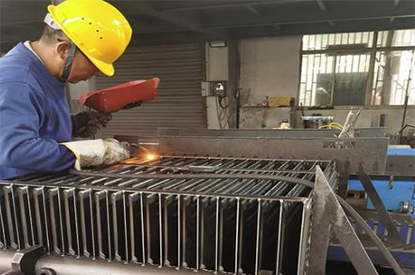
High-quality steel sheets are processed through:
Professional welding ensures:
Each radiator undergoes:
The radiator receives:
Suitable for:
Radiastar transformer radiators are widely used in:
Applications:
Applications:
Including:
Used in:
When selecting a supplier, consider:
A professional manufacturer should understand:
A reliable supplier should provide:
Important inspections include:
Radiastar specializes in manufacturing transformer cooling components, including:
✔ Transformer Radiator Panels
✔ Corrugated Transformer Radiators
✔ Transformer Conservator Tanks
✔ Transformer Oil Tanks
✔ Transformer Components
With professional manufacturing capability, Radiastar provides customized cooling solutions for transformer manufacturers and electrical companies worldwide.
A transformer radiator removes heat from transformer oil and transfers it to surrounding air to maintain safe operating temperature.
Hot oil naturally rises into the radiator, releases heat, and returns to the transformer tank after cooling.
Most distribution transformers use ONAN cooling, which relies on natural oil circulation and natural air cooling.
A transformer radiator transfers heat from oil to air, while cooling fans increase airflow to improve heat dissipation.
Yes. Radiastar provides customized transformer radiator panels according to transformer specifications, drawings, and cooling requirements.
Looking for a reliable Transformer Radiator Manufacturer?
Radiastar provides:
✔ Customized transformer radiator panels
✔ Corrugated radiator solutions
✔ OEM manufacturing service
✔ Factory direct supply
Contact Radiastar today for transformer cooling solutions designed for your application.