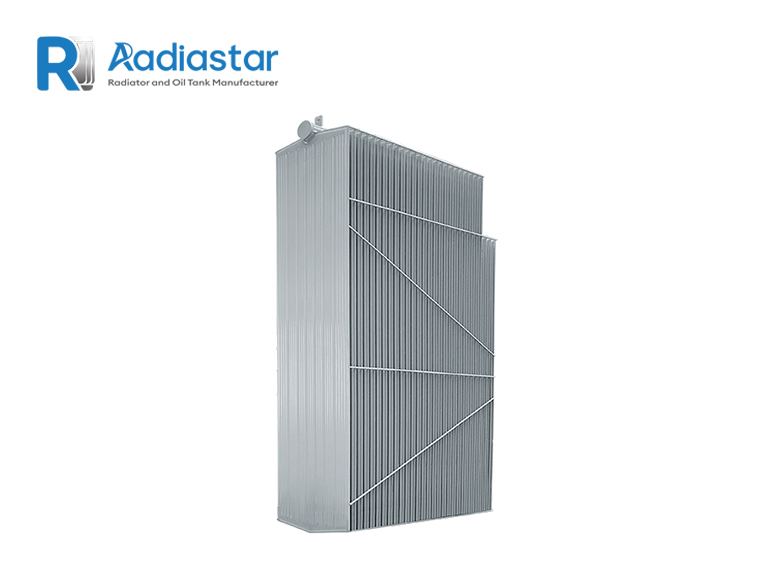

As global electricity demand continues to rise, modern power grids require transformers that can operate safely, efficiently, and continuously under increasingly heavy loads. One of the most critical factors affecting transformer reliability is thermal management. Without efficient cooling, transformers can experience overheating, insulation degradation, reduced efficiency, and unexpected failures.
Power transformer radiators play a vital role in maintaining grid stability by dissipating heat generated during transformer operation. High-performance cooling systems not only extend transformer lifespan but also improve energy efficiency and reduce maintenance costs.
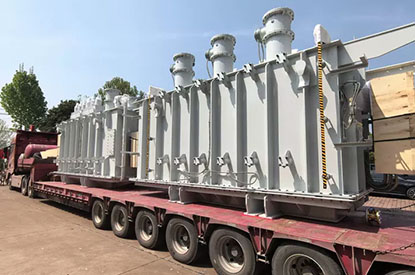
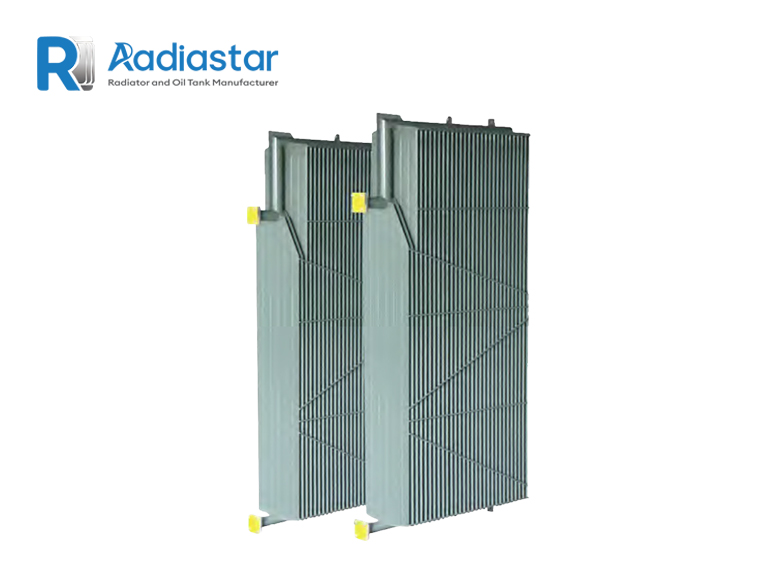
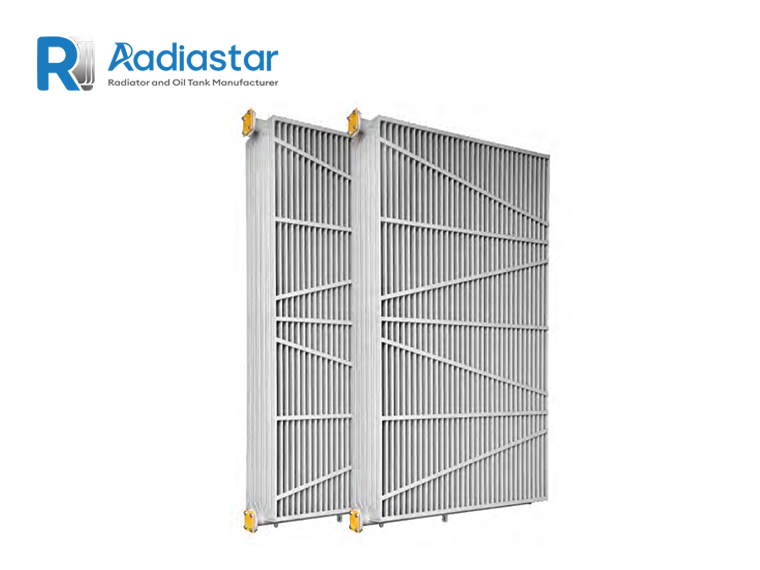
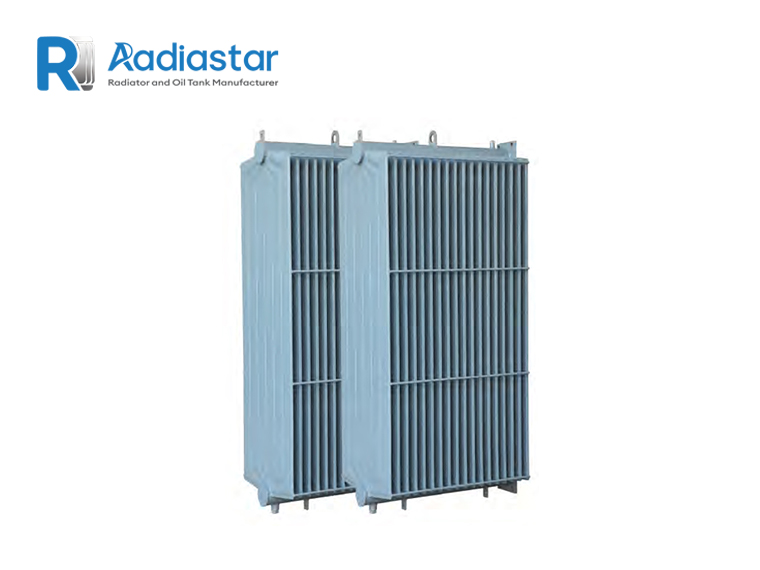
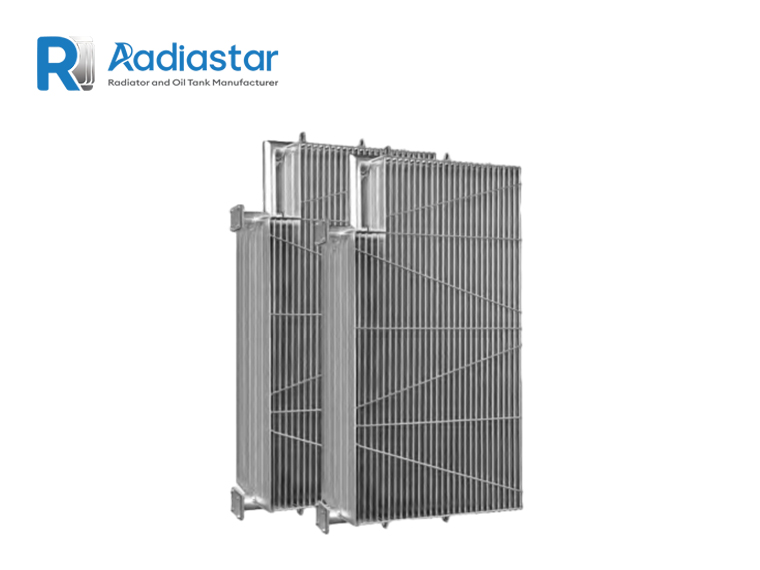
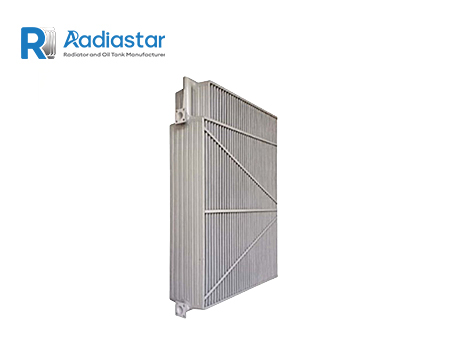
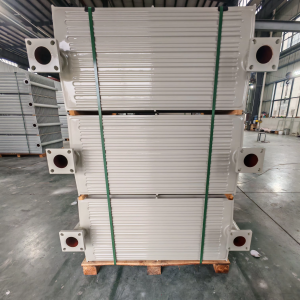
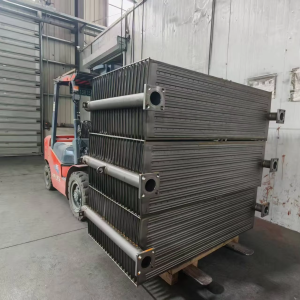
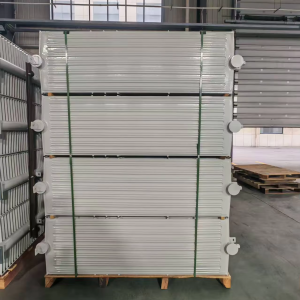
As a professional manufacturer of transformer radiators and transformer tanks, RADIASTAR specializes in designing and manufacturing high-efficiency cooling systems for 10kV–110kV oil-immersed transformers. Supported by advanced automotive-grade manufacturing technology, RADIASTAR provides reliable radiator solutions for utilities, substations, renewable energy projects, industrial power systems, and energy storage applications worldwide.
Power transformers continuously generate heat due to:
If this heat is not dissipated effectively, transformer temperatures rise rapidly, causing:
Efficient cooling systems are essential for ensuring stable transformer operation and protecting power grid reliability. Research shows that transformer cooling performance directly affects operational efficiency and equipment lifespan.
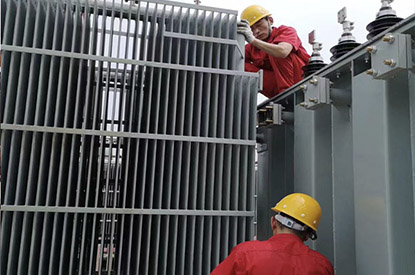
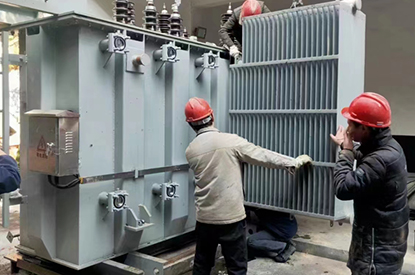
Transformer radiators remove excess heat from insulating oil and transfer it into the surrounding air. This thermal cycle helps maintain safe operating temperatures during fluctuating electrical loads.
Modern grids face increasing pressure from:
Under these conditions, radiator efficiency becomes even more important. Inefficient cooling can reduce transformer load capacity and threaten grid stability during peak demand periods.
Advanced radiator systems improve:
Studies on transformer thermal management confirm that optimized radiator designs significantly enhance cooling capacity and reduce operating temperatures.
Oil-immersed transformers use circulating insulating oil to absorb heat from internal windings and cores.
The cooling process works as follows:
This continuous circulation cycle maintains thermal equilibrium and prevents overheating.
The effectiveness of this process depends heavily on:
Research indicates that radiator geometry optimization can dramatically improve cooling efficiency and reduce manufacturing costs simultaneously.
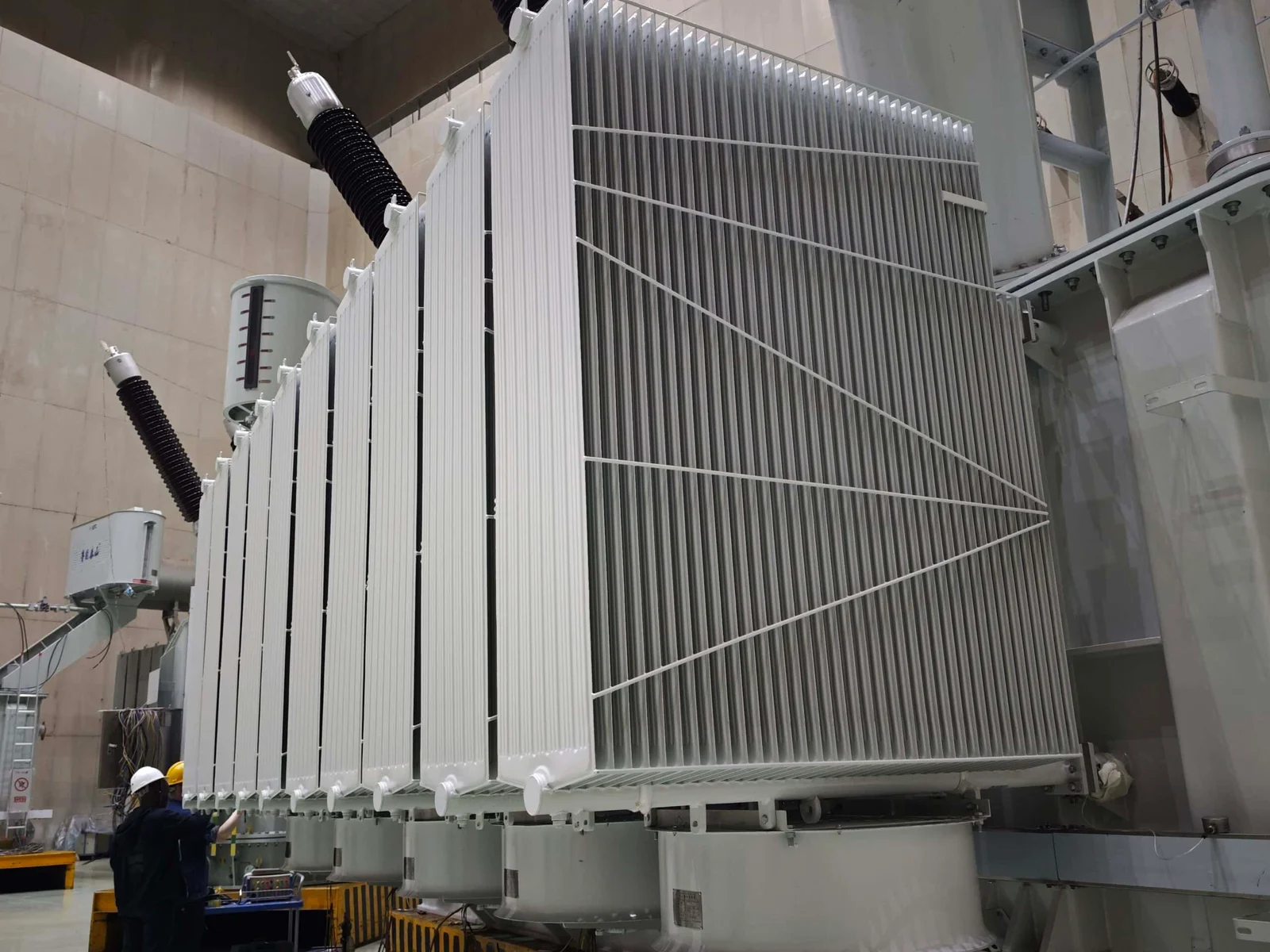
ONAN is the most widely used cooling mode for oil-immersed transformers.
Features:
ONAN systems are commonly used in:
Because of their reliability and simplicity, ONAN cooling systems remain highly preferred in power networks worldwide.
ONAF systems use cooling fans to improve heat dissipation.
Advantages include:
Suitable for:
OFAF systems combine oil pumps and cooling fans for maximum heat transfer.
Applications include:
Radiator height directly affects natural oil circulation and cooling efficiency.
Recent CFD studies show that optimized radiator height improves thermal performance while reducing material costs.
Proper fin spacing ensures:
Too narrow spacing may reduce airflow efficiency, while overly large spacing wastes material and installation space.
Increasing fin quantity increases heat dissipation surface area.
Research demonstrates that shorter radiators with more fins can deliver better cooling efficiency and lower overall cost compared with oversized radiator structures.
High-quality radiators require durable steel construction.
IEC standards recommend radiator steel thickness between 1.0 mm and 1.2 mm for mechanical strength and operational reliability.
RADIASTAR adopts strict material selection standards to ensure:
Modern transformer manufacturers increasingly use advanced engineering tools such as:
These technologies improve:
Recent studies show that optimized radiator structures can improve thermal performance by over 25%.
RADIASTAR continuously integrates advanced manufacturing technologies and thermal optimization concepts into product development.
Poor-quality radiators often lead to:
Long-term overheating accelerates insulation aging, which is one of the primary causes of transformer failure.
Studies on transformer aging confirm that cooling management is critical for improving transformer efficiency and extending operational life.
RADIASTAR is a specialized manufacturer focused on transformer cooling equipment and power infrastructure solutions.
Our products include:
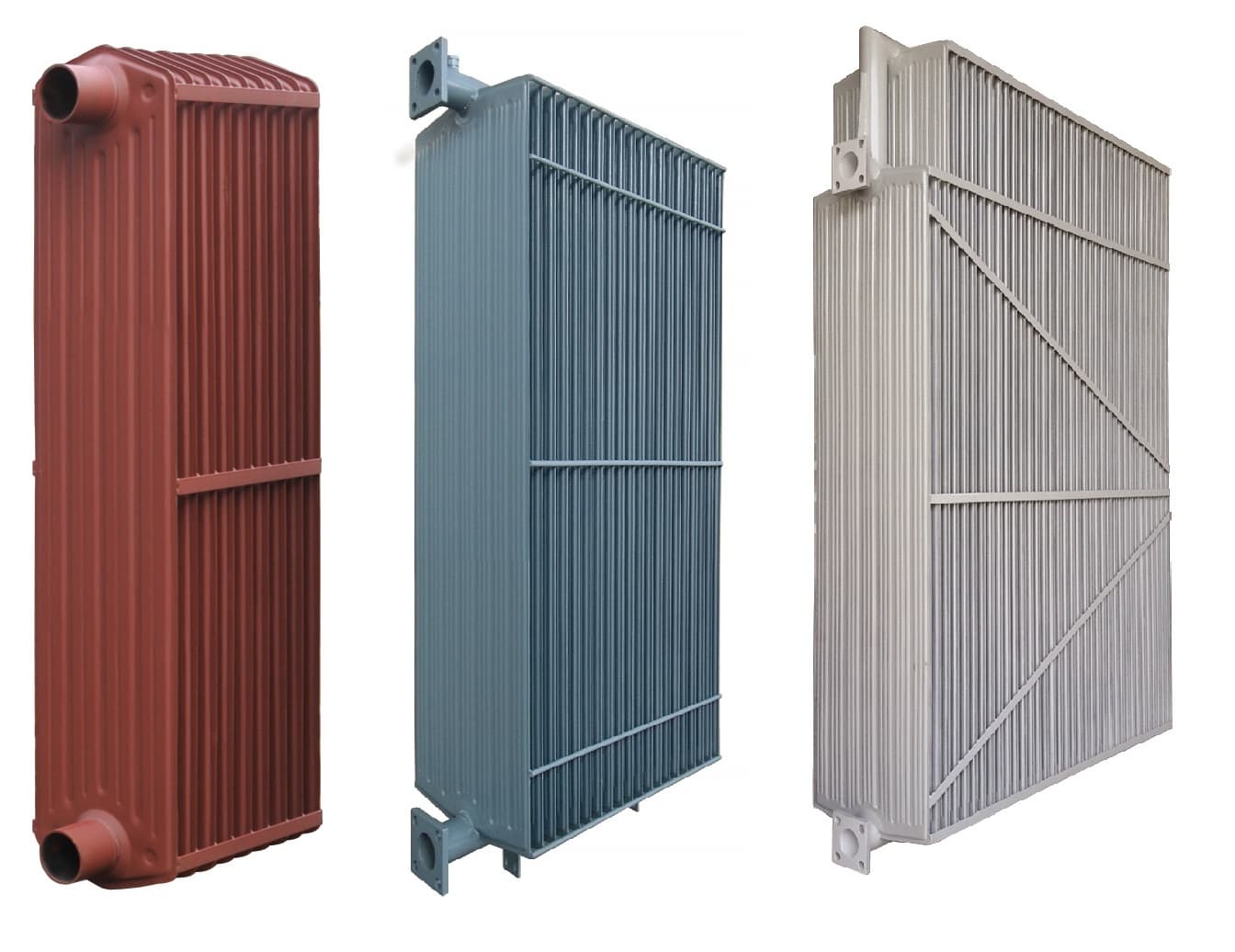
RADIASTAR leverages automotive manufacturing technology to achieve:
Our radiator systems are optimized for:
Every radiator undergoes:
RADIASTAR provides customized radiator designs according to:
RADIASTAR products are used in:
Serving customers across:
As power systems evolve, transformer cooling technology is moving toward:
Researchers are also exploring:
These innovations aim to improve cooling efficiency while reducing operational cost and environmental impact.
Efficient transformer cooling is essential for maintaining modern power grid stability. High-performance radiator systems help transformers operate safely under increasing electrical demand while improving efficiency and extending service life.
From radiator geometry optimization to advanced cooling technologies, modern transformer cooling systems continue to evolve to meet global energy infrastructure requirements.
As a professional transformer radiator manufacturer, RADIASTAR delivers reliable, customized, and export-oriented cooling solutions for global power projects. Backed by advanced manufacturing capabilities and strict quality standards, RADIASTAR supports safer, more efficient, and more reliable power transmission systems worldwide.