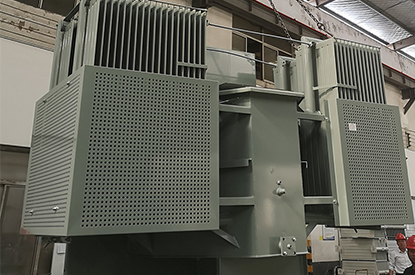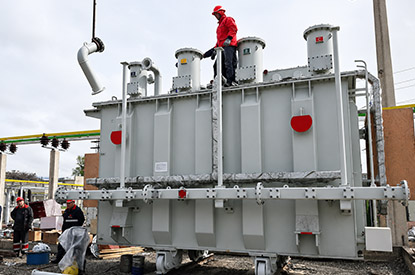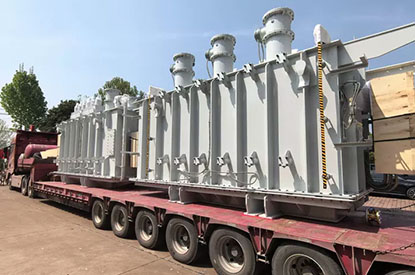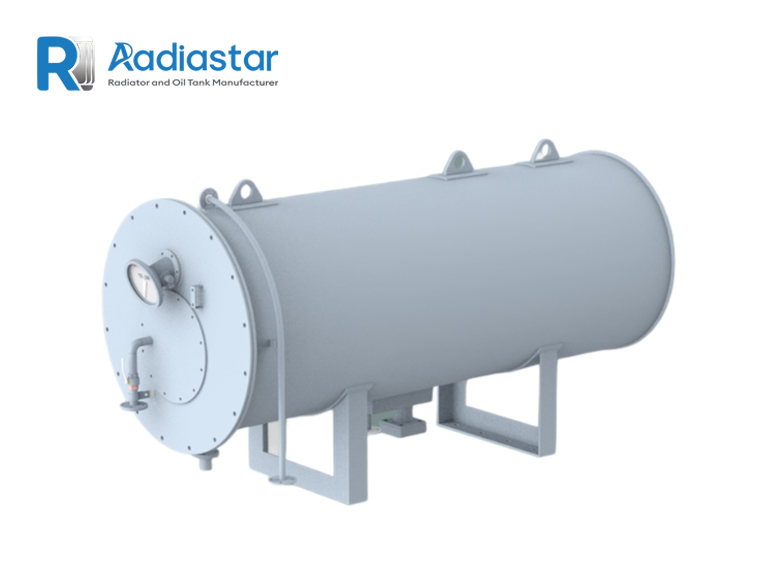

Power transformers are essential components in modern electrical transmission and distribution systems. Whether used in utility substations, renewable energy projects, industrial facilities, or railway electrification systems, transformers continuously generate heat during operation.
If this heat is not effectively controlled, transformer temperature rises rapidly, leading to insulation aging, reduced efficiency, increased power losses, and potential equipment failure. This is why power transformer oil coolers are among the most important components in any oil-immersed transformer system.
Transformer oil coolers are specifically designed to dissipate heat from transformer insulating oil and maintain safe operating temperatures. An efficient cooling system improves transformer reliability, extends equipment lifespan, reduces maintenance costs, and enhances energy efficiency.
As a professional transformer component manufacturer, Radiastar Official Website specializes in manufacturing:
With advanced production technology and extensive export experience, Radiastar supplies high-performance transformer cooling equipment for utility, industrial, and renewable energy projects worldwide.
This comprehensive guide explains transformer oil cooler types, working principles, cooling methods, technical specifications, selection factors, and maintenance recommendations to help buyers choose the right cooling solution for their power transformer projects.
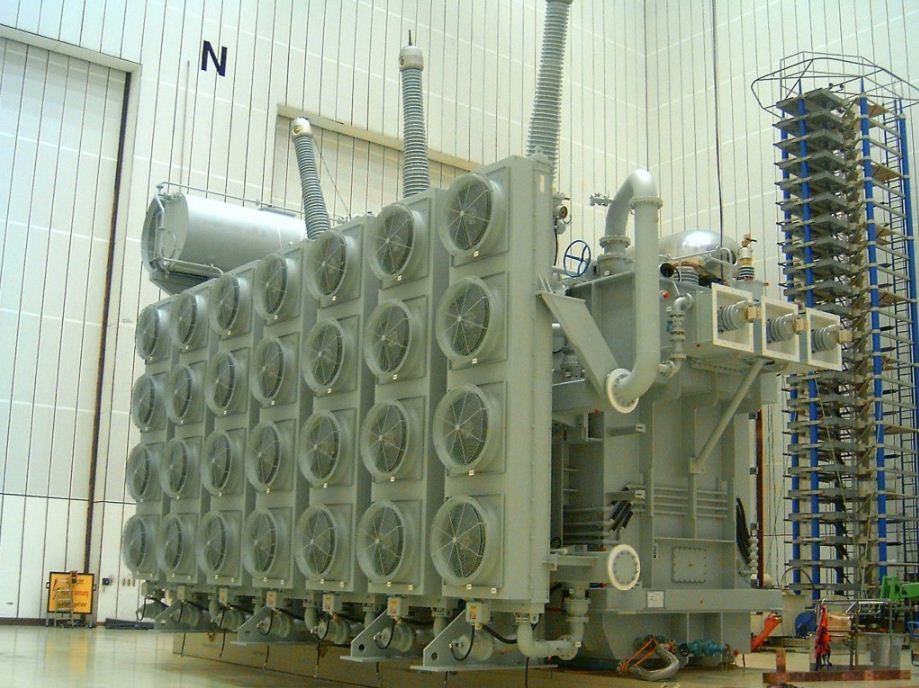
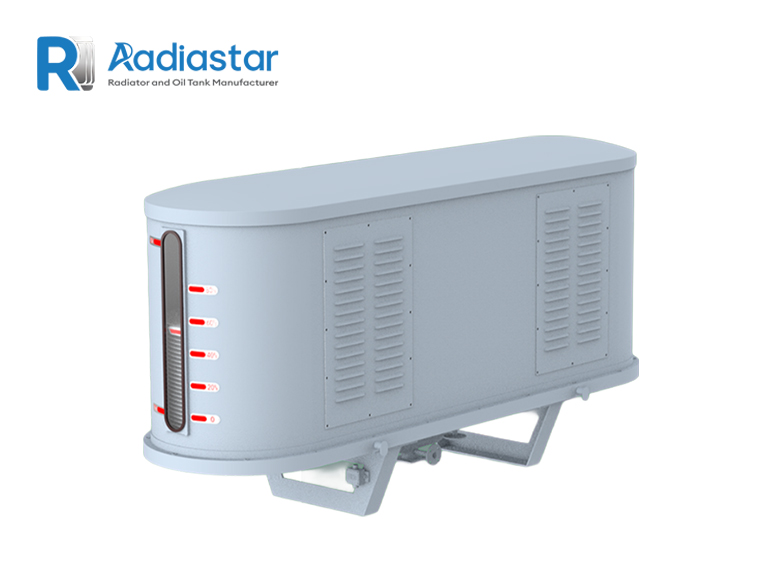
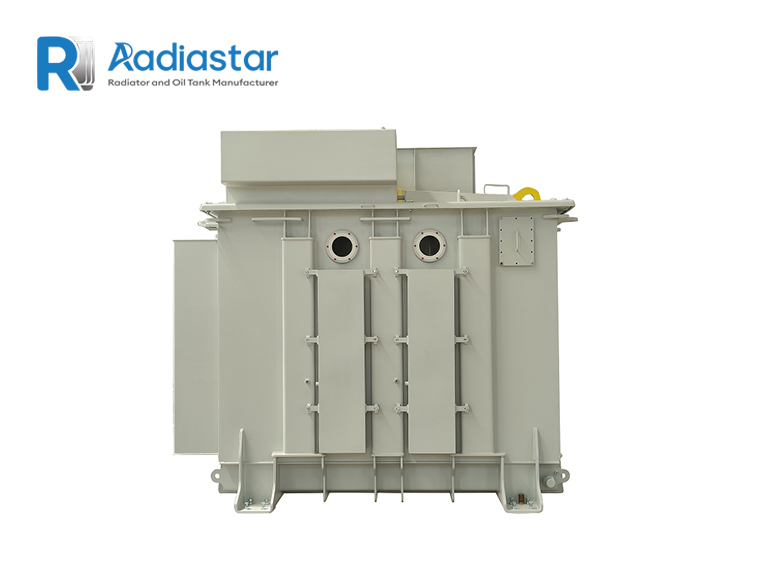
A power transformer oil cooler is a heat dissipation device used in oil-immersed transformers to transfer heat from transformer oil into the surrounding environment.
During transformer operation:
This continuous circulation process helps maintain stable transformer operating temperatures.
Without efficient oil cooling systems, transformers may suffer from:
Transformer temperature directly affects transformer performance and lifespan.
Studies show that excessive operating temperature significantly accelerates insulation aging. Even a small increase in temperature may reduce transformer lifespan dramatically.
Efficient transformer oil coolers provide:
This is especially important for:
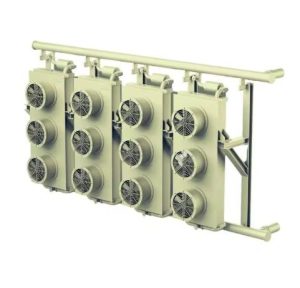
Different transformer applications require different cooling systems.
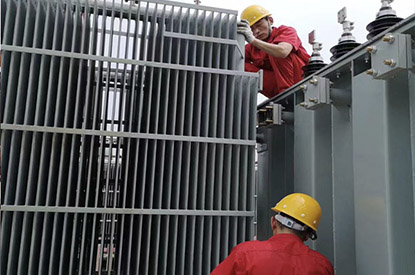
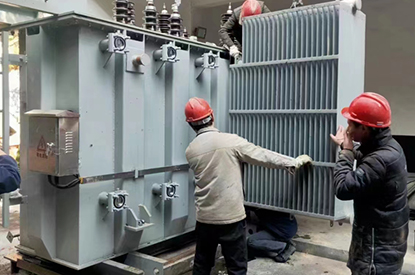
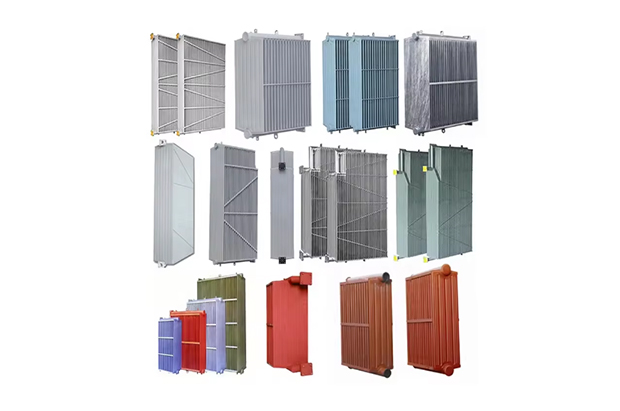
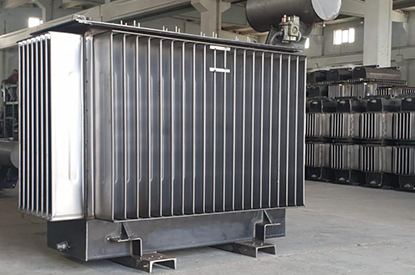
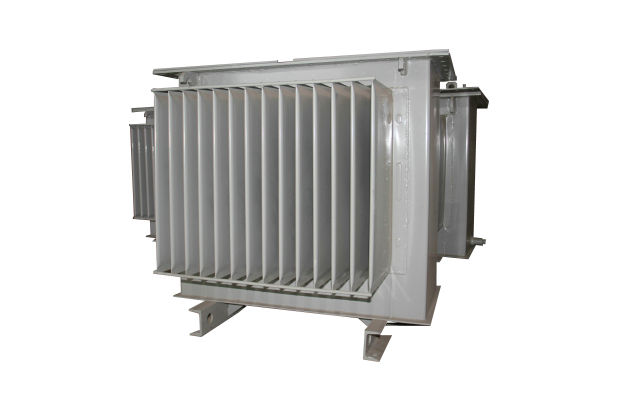
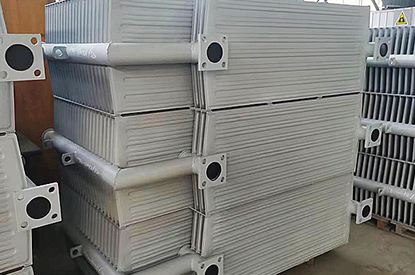
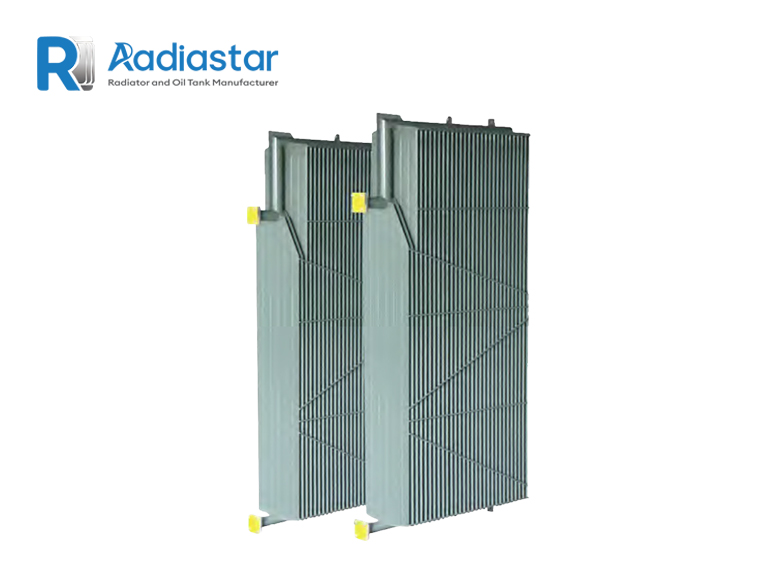
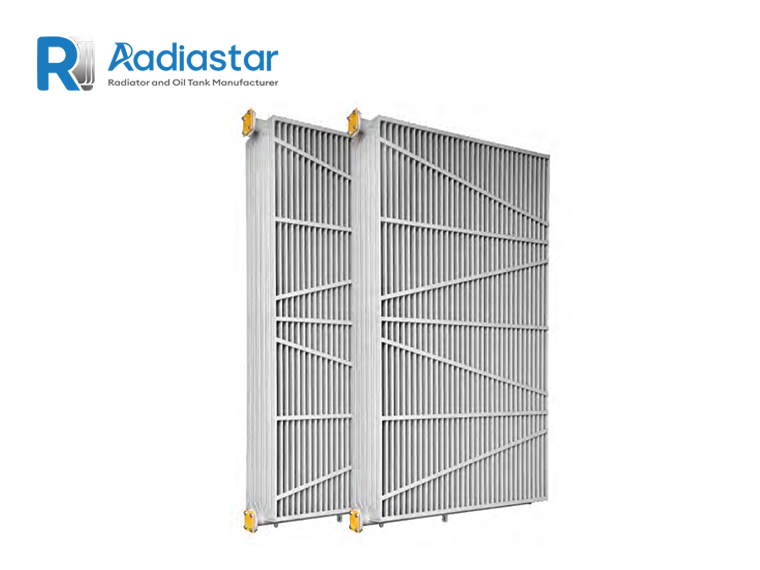
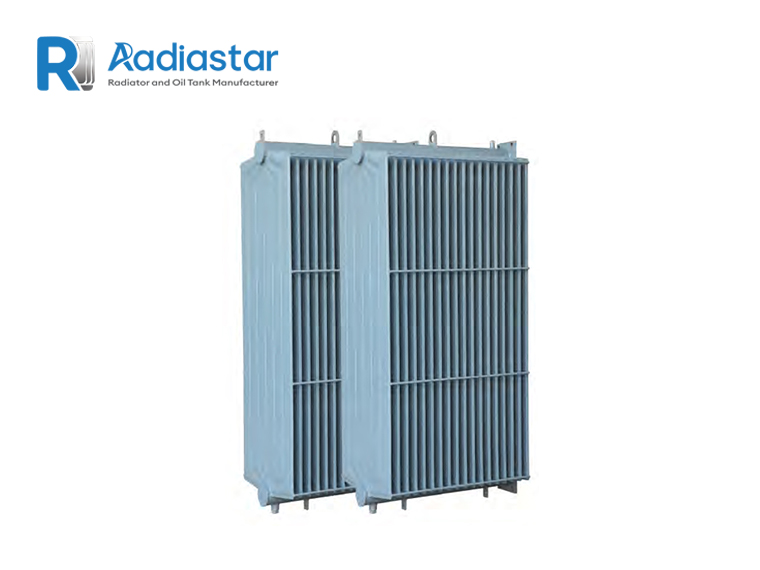
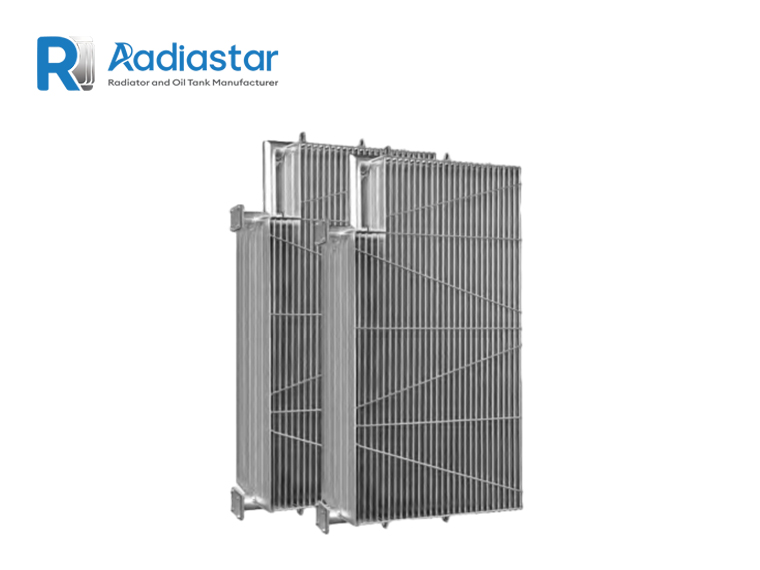
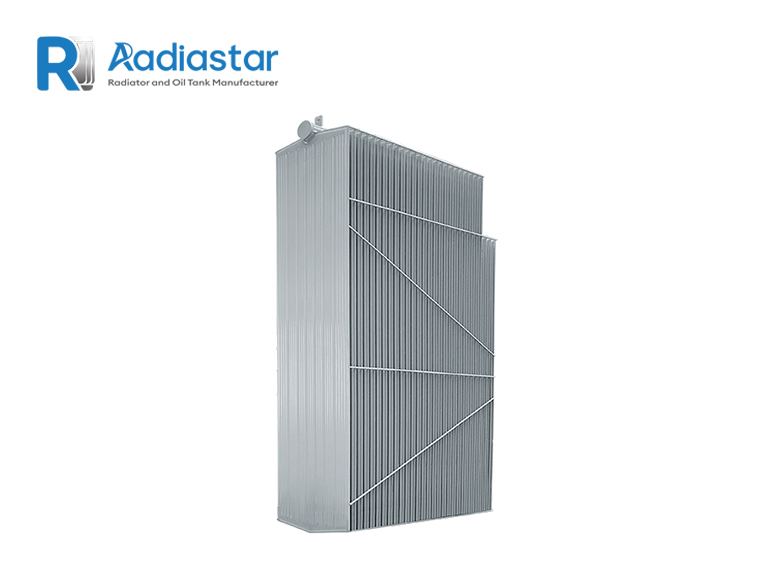
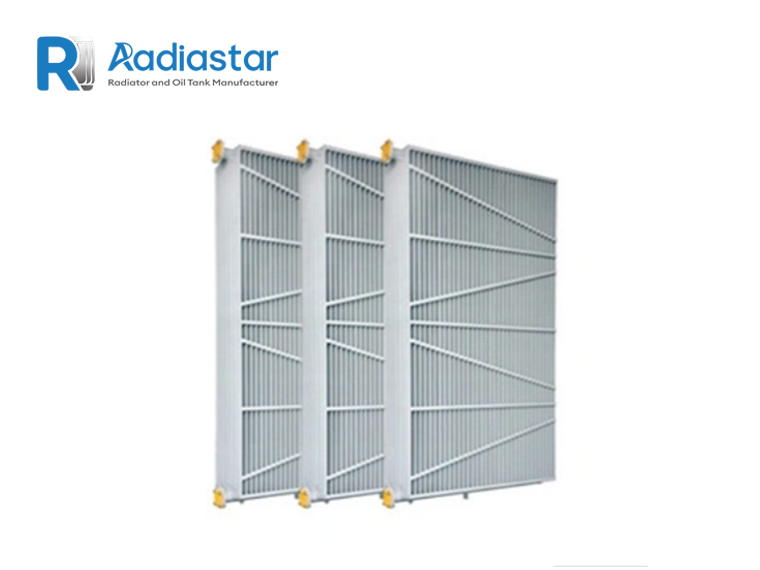
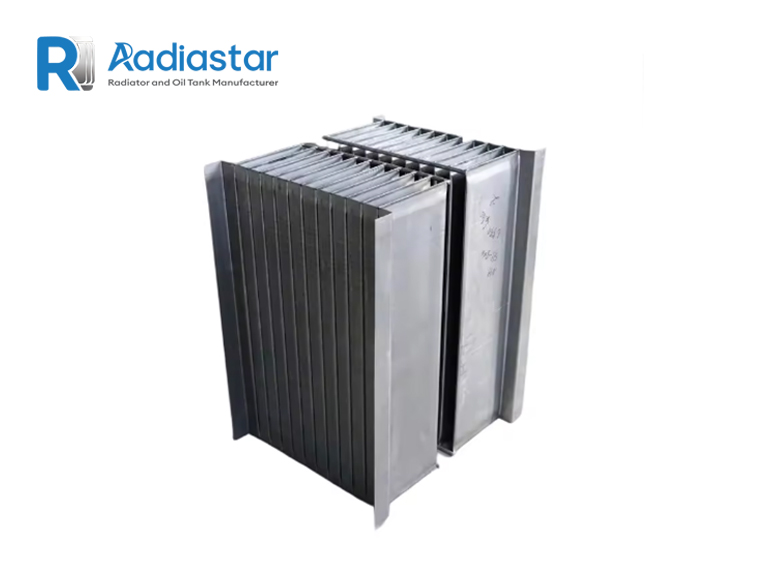
Radiator coolers are the most common transformer cooling solution.
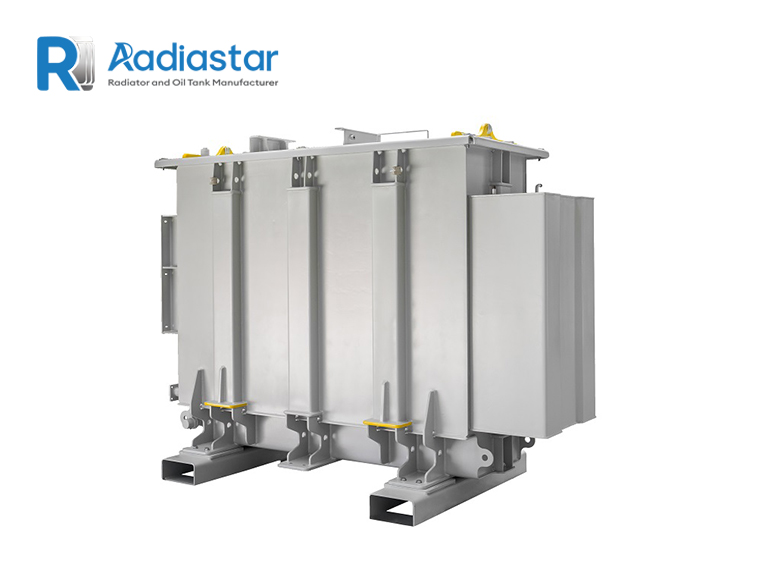
They use external radiator panels attached to the transformer tank.
Radiastar manufactures detachable radiator panels with precision welding and high anti-corrosion protection.
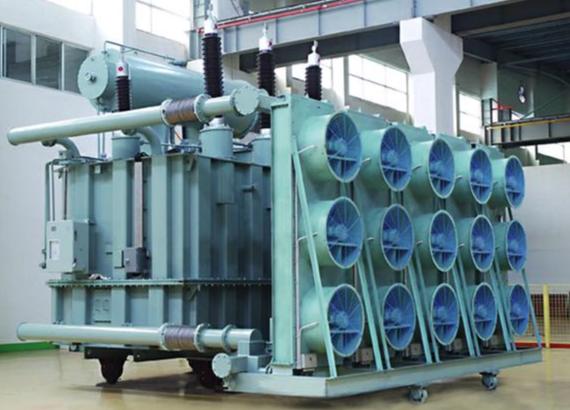
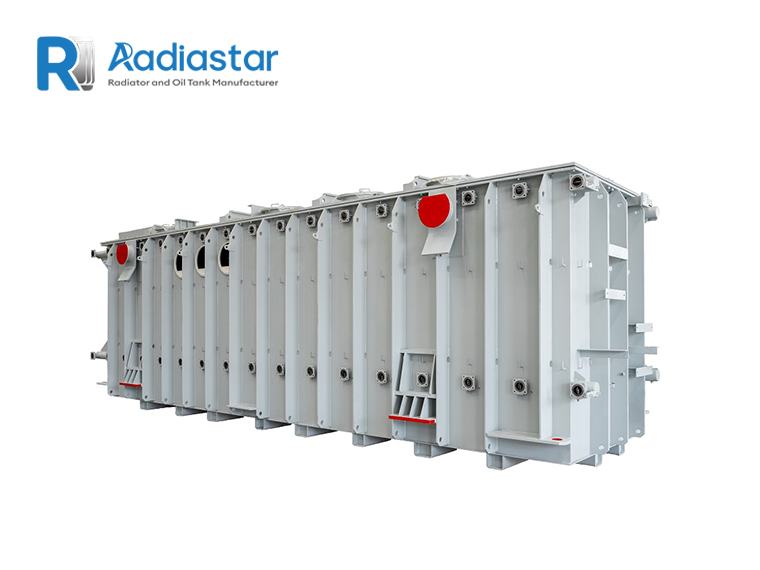
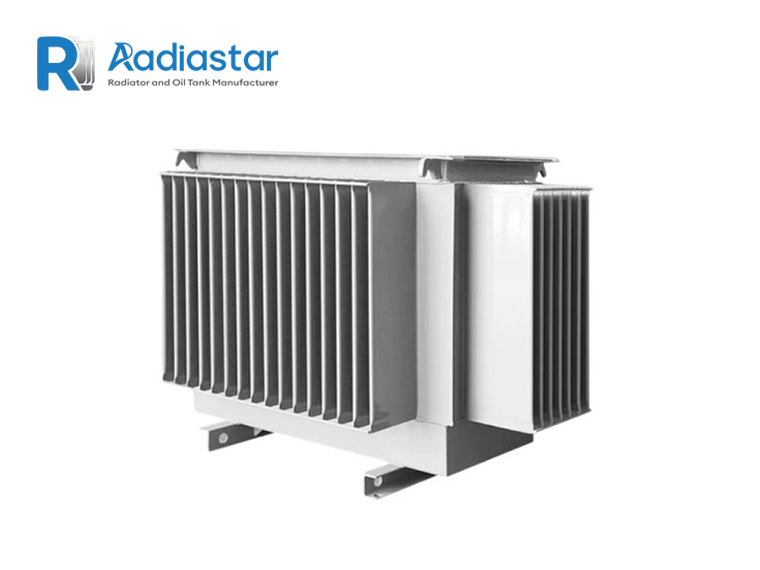
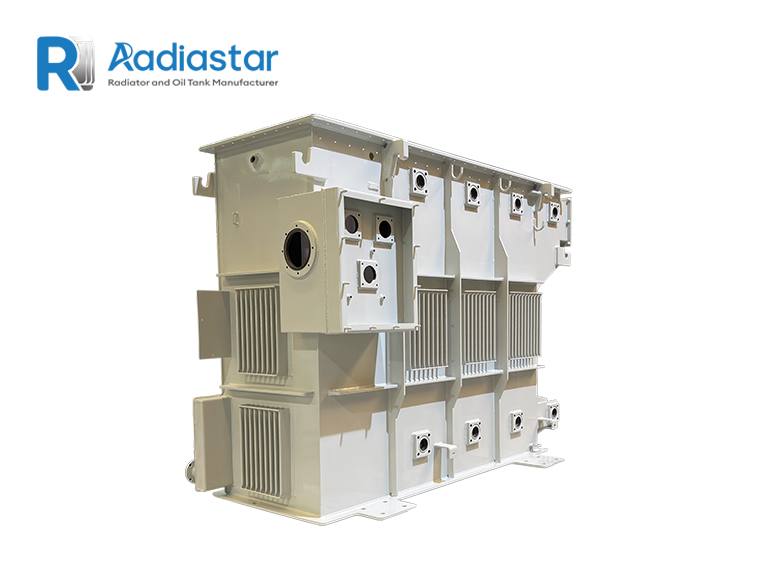
Corrugated transformer tanks integrate cooling fins directly into the tank structure.
Forced-air cooling systems use fans to increase airflow across radiator surfaces.
These systems are commonly used in:
Oil-water cooling systems use water as the cooling medium.
Transformer cooling systems are classified according to oil circulation and cooling medium.
| Cooling Type | Full Name | Typical Application |
|---|---|---|
| ONAN | Oil Natural Air Natural | Distribution transformers |
| ONAF | Oil Natural Air Forced | Medium power transformers |
| OFAF | Oil Forced Air Forced | Large power transformers |
| OFWF | Oil Forced Water Forced | Industrial systems |
Choosing the correct cooling method improves transformer reliability and operational safety.
Radiastar provides customized cooling solutions according to transformer capacity and environmental conditions.
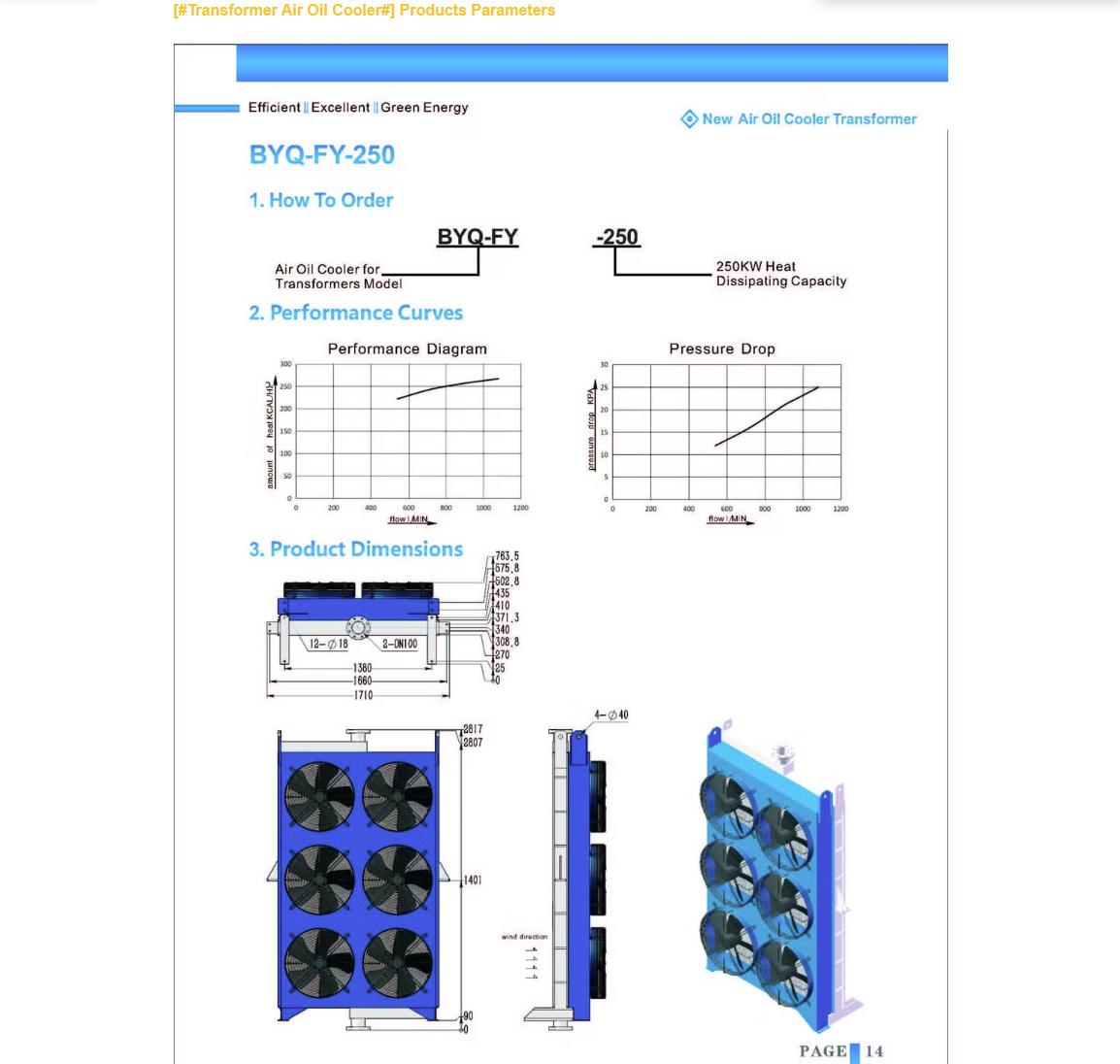
Transformer size determines required cooling performance.
Typically use:
Capacity range:
Require:
Capacity range:
Radiastar designs customized cooling systems for different transformer capacities.
The cooling surface area directly influences transformer operating temperature.
Larger cooling systems provide:
Radiastar engineering teams optimize radiator configurations for maximum cooling efficiency.
Outdoor transformer installations face harsh environmental conditions including:
Radiastar provides advanced anti-corrosion coating systems including:
Cooling equipment material quality directly affects durability.
| Material | Advantages |
|---|---|
| Carbon Steel | Strong and economical |
| Galvanized Steel | Improved corrosion resistance |
| Stainless Steel | Excellent durability |
| Weather-Resistant Steel | Suitable for harsh environments |
Radiastar uses high-quality steel materials for reliable long-term operation.
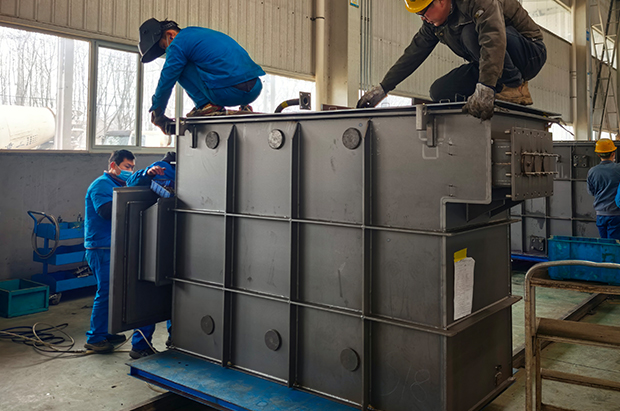
Manufacturing quality plays a critical role in cooling performance and leakage prevention.
Radiastar uses advanced CNC cutting systems for precision fabrication.
Precision forming ensures consistent radiator structure and oil circulation.
Poor welding is a major cause of oil leakage.
Radiastar applies:
Every weld seam undergoes strict inspection.
All transformer oil coolers undergo:
| Parameter | Specification |
|---|---|
| Voltage Class | 10kV – 220kV |
| Transformer Capacity | 100kVA – 250MVA |
| Cooling Type | ONAN / ONAF / OFAF / OFWF |
| Material Thickness | 1.2mm – 3mm |
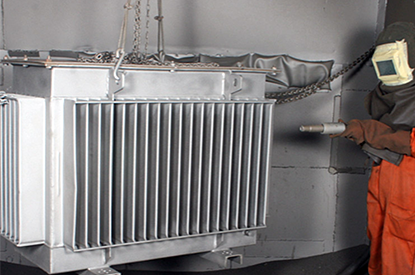
| Surface Treatment | Sandblasting + Anti-Corrosion Paint |
| Leakage Rate | ≤0.01% |
| Corrosion Protection | C3 / C4 / C5 |
| Operating Temperature | -45°C to +55°C |
| Applicable Standards | IEC / ANSI / DIN |
Radiastar also supports OEM cooling system manufacturing according to customer technical drawings.
Transformer oil coolers are widely used in modern electrical infrastructure.
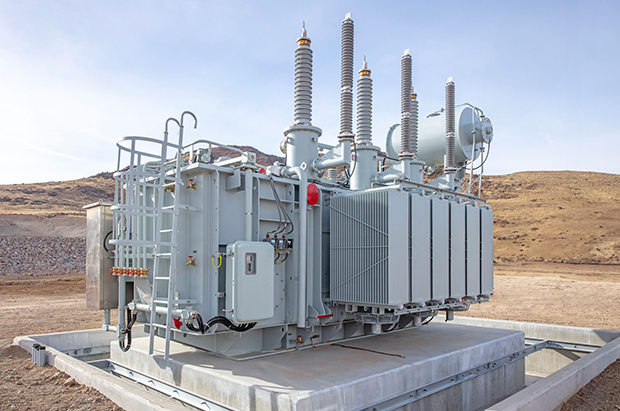
Large substations require efficient cooling systems for high-capacity transformers.
Solar and wind power systems require stable transformer cooling for continuous operation.
Radiastar supplies cooling equipment for:
Traction transformers require vibration-resistant cooling systems capable of operating under demanding conditions.
Industries including:
depend on reliable transformer cooling solutions.
As a professional transformer cooling equipment manufacturer, Radiastar Transformer Cooling Solutions provides reliable cooling systems for global power infrastructure projects.
Radiastar production facilities include:
Every cooling system undergoes:
Radiastar supports:
Radiastar products have been exported to:
Applications include:
Usually caused by:
Radiastar uses precision welding and strict testing procedures to minimize leakage risks.
Caused by:
Proper cooling system design is essential.
Outdoor environments may accelerate corrosion if coatings are inadequate.
Radiastar provides advanced anti-corrosion protection systems for harsh climates.
Modern transformers increasingly integrate:
Environmental regulations are encouraging:
Modern substations require:
Radiastar continues investing in advanced cooling technology to meet future industry demands.
A transformer oil cooler dissipates heat from transformer oil to maintain safe operating temperatures.
ONAF and OFAF systems are commonly used for large power transformers.
Poor welding can lead to oil leakage and cooling system failure.
Yes. Radiastar provides customized cooling solutions according to technical drawings and project specifications.
Radiastar products comply with IEC, ANSI, DIN, and customer-specific standards.
Power transformer oil coolers play a critical role in maintaining transformer thermal stability, operational reliability, and long-term equipment performance.
From radiator selection and cooling method design to corrosion protection and manufacturing quality, every detail affects transformer efficiency and lifespan.
With advanced manufacturing technology, strict quality control, customized engineering support, and extensive export experience, Radiastar has become a trusted global supplier of transformer cooling solutions.
Whether your project requires:
Radiastar delivers reliable cooling systems engineered for modern power infrastructure applications.