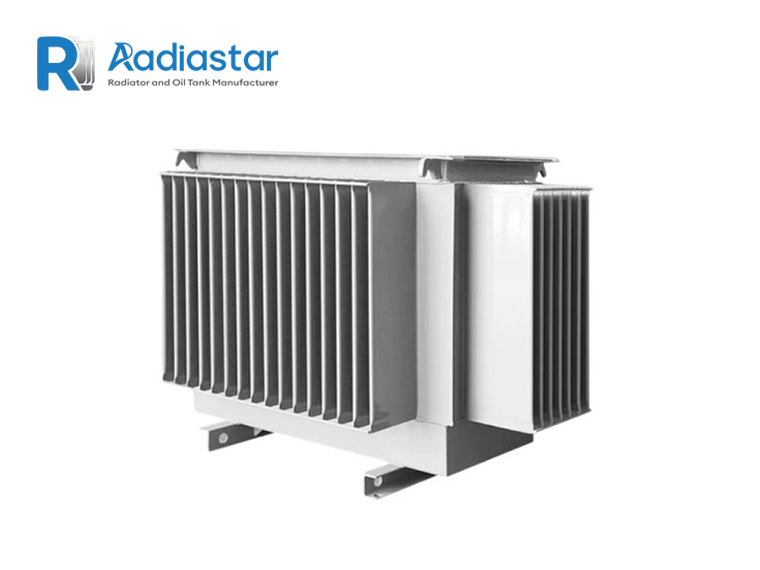

Corrugated Transformer Tank Manufacturing Process | Radiastar Factory

Author: Radiastar
Updated: Jul 21, 2026
Read: 8 views

Corrugated Transformer Tank Manufacturing Process: From Steel Plate to Finished Transformer Tank

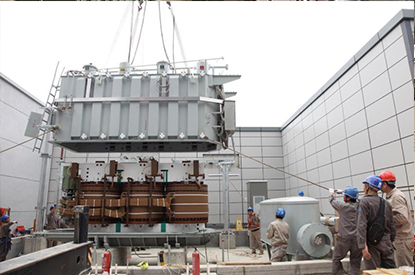
A corrugated transformer tank manufacturing process requires advanced fabrication technology, strict quality control, and precise engineering to ensure long-term reliability of oil-immersed transformers.

As a professional corrugated transformer tank manufacturer, Radiastar provides OEM transformer tank solutions for distribution transformers and power transformers, including hermetically sealed corrugated transformer tanks with high corrosion resistance, excellent oil sealing performance, and customized designs.

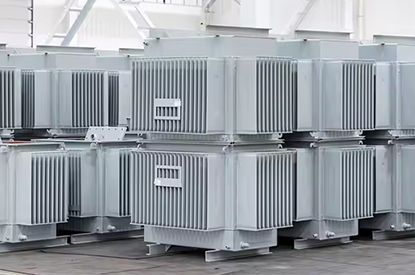
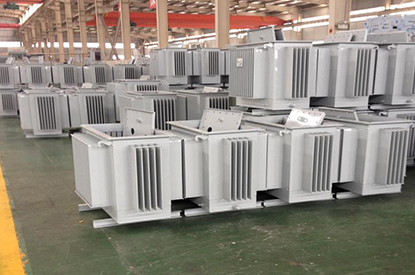
Our corrugated transformer tanks are widely used for:

  • Oil immersed distribution transformers
  • Pad mounted transformers
  • Pole mounted transformers
  • Renewable energy transformers
  • Industrial power transformers

Manufacturing range:

  • Capacity: 50kVA–3150kVA
  • Voltage: 6kV–35kV
  • Cooling type: ONAN
  • Tank type: Hermetically sealed transformer tank

What Is a Corrugated Transformer Tank?

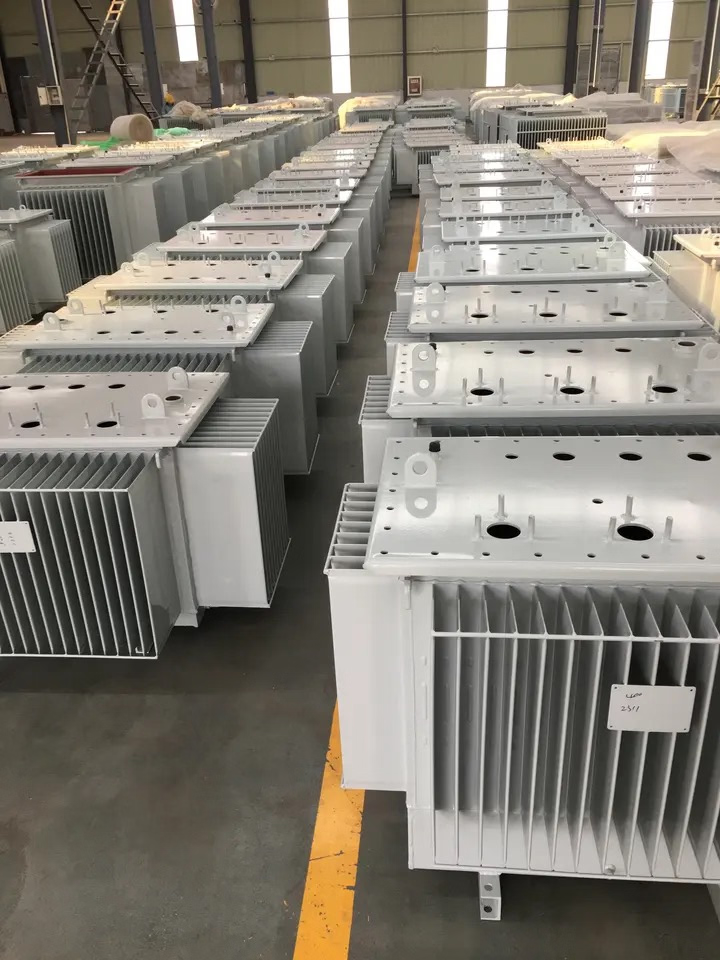
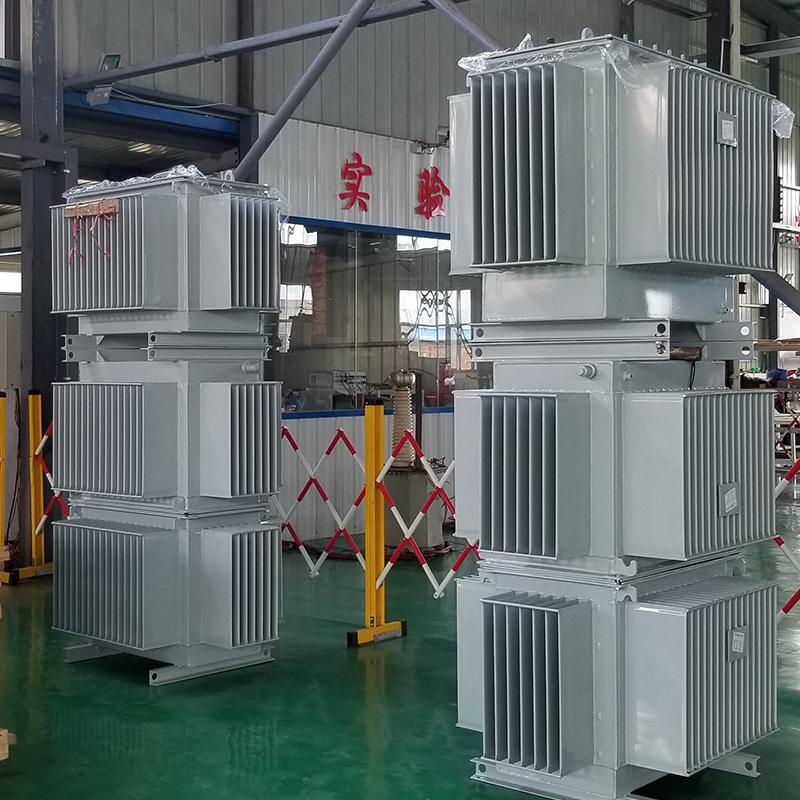
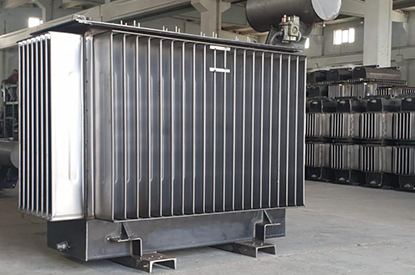
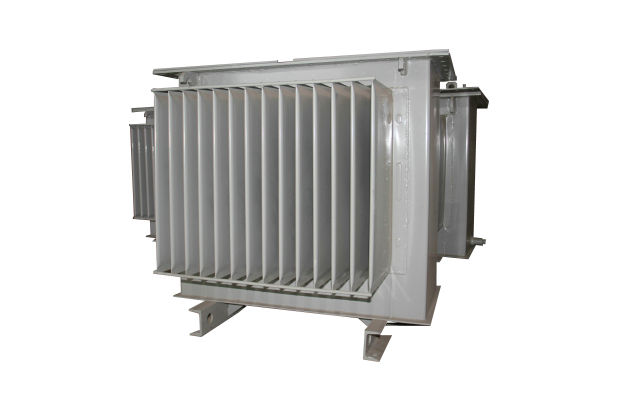
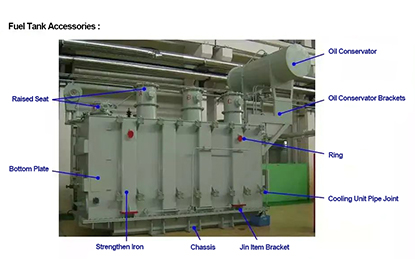
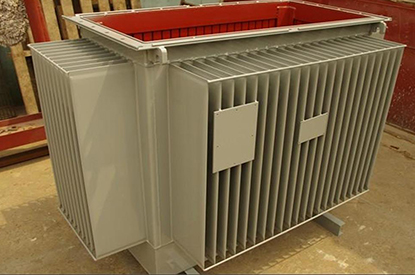
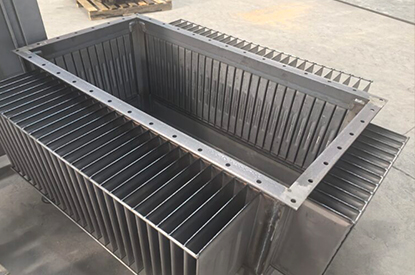
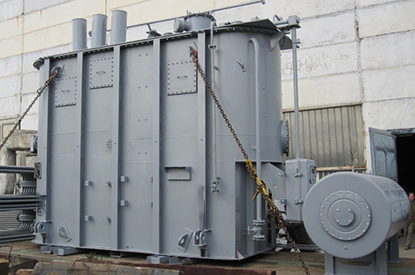
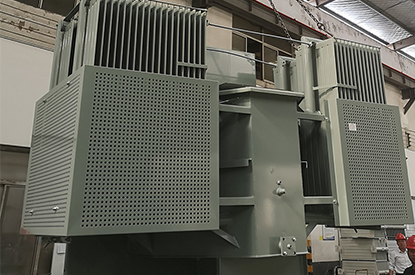
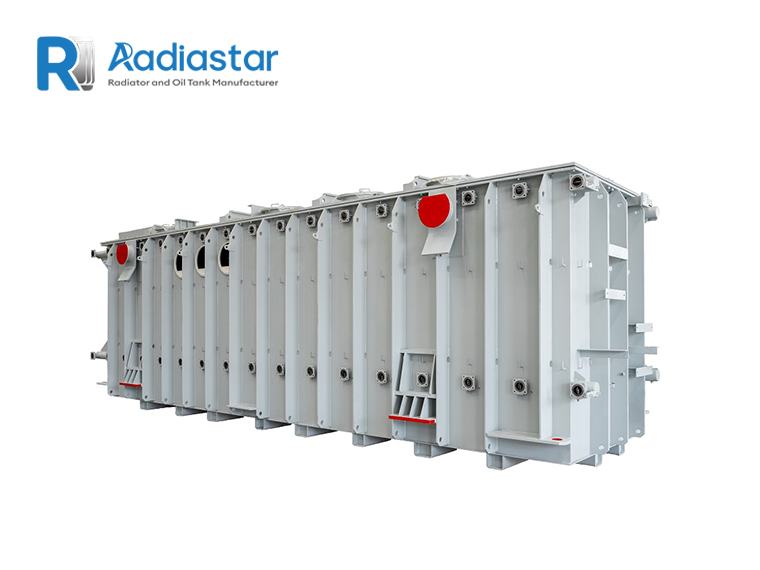
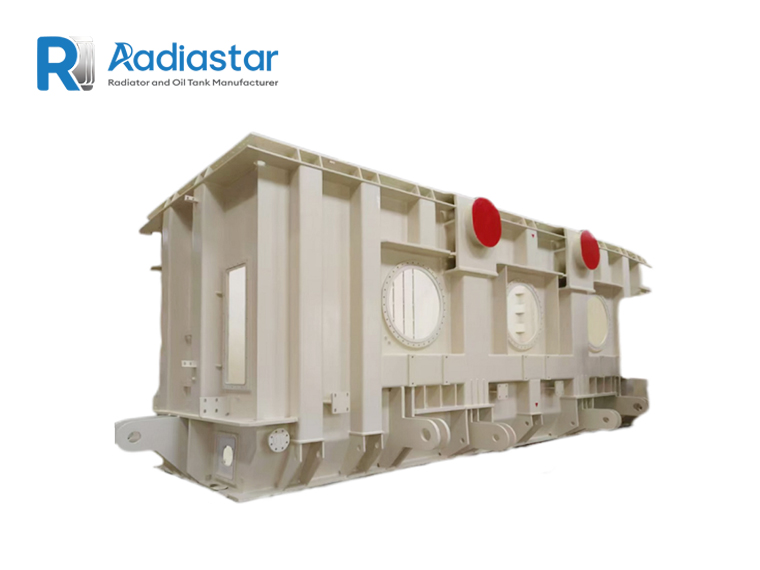
A corrugated transformer tank is an oil-filled transformer enclosure manufactured with specially formed corrugated steel walls.

Compared with traditional flat transformer tanks, corrugated tanks provide:

  • Larger heat dissipation area
  • Better oil expansion capability
  • Compact transformer structure
  • Reduced maintenance requirements
  • Improved outdoor durability

The corrugated wall works as both:

  1. Transformer oil container
  2. Natural cooling surface

This design is especially suitable for hermetically sealed oil immersed transformers.
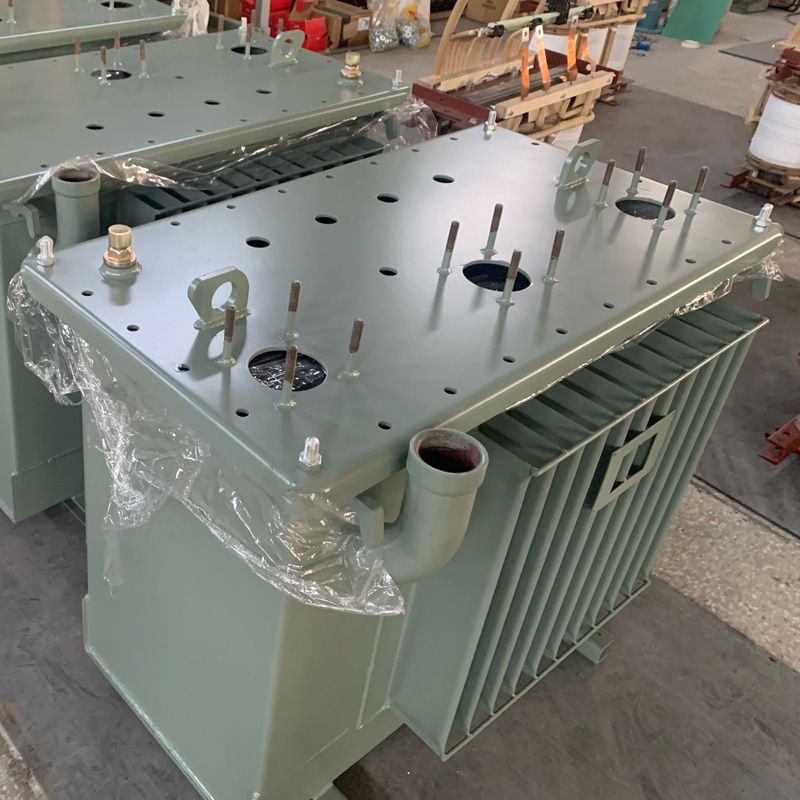
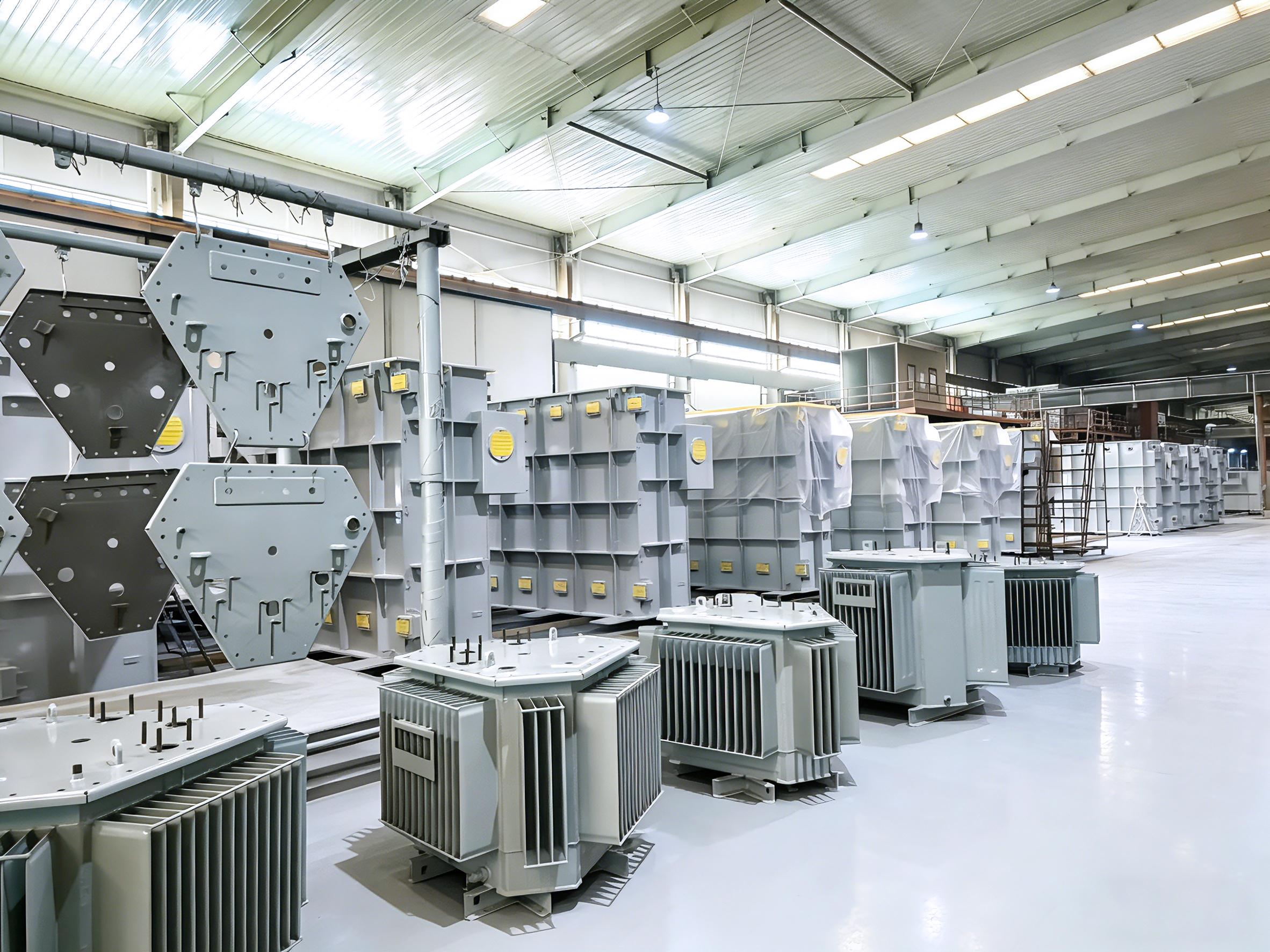
Overview of Corrugated Transformer Tank Production Process

The complete manufacturing process includes:

  1. Engineering design and drawing confirmation
  2. Raw material inspection
  3. Steel plate cutting
  4. Corrugated fin forming
  5. Welding fabrication
  6. Leak and pressure testing
  7. Surface preparation
  8. Anti-corrosion coating
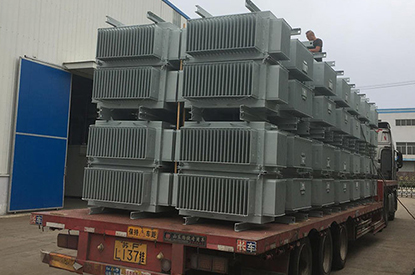
  9. Final inspection and packaging

Each production stage directly affects the service life and reliability of the transformer tank.

1. Engineering Design and Drawing Review

Before manufacturing begins, engineers review transformer specifications and customer requirements.

Important design parameters include:

  • Transformer capacity
  • Rated voltage
  • Oil volume
  • Tank dimensions
  • Corrugated fin structure
  • Mechanical strength
  • Vacuum resistance
  • Installation requirements

Radiastar supports:

  • Customer drawings
  • OEM customization
  • IEC transformer standards
  • Customized flange and accessory design

2. Raw Material Selection and Inspection

High-quality steel is essential for transformer tank durability.

Common Materials Used

Tank Body

MaterialApplication
Q235B Carbon SteelStandard transformer tanks
Q345B SteelHigh-strength applications
Cold Rolled SteelCorrugated fin panels

Material selection depends on:

  • Tank size
  • Operating environment
  • Mechanical requirements
  • Customer specifications

Incoming Material Inspection

Before production, materials are checked for:

  • Thickness accuracy
  • Chemical composition
  • Mechanical strength
  • Surface quality

Only qualified materials enter the production process.

3. Steel Plate Cutting and Preparation

Steel plates are processed using precision cutting equipment.

Main processes:

  • CNC cutting
  • Laser cutting
  • Plasma cutting

Advantages:

  • Accurate dimensions
  • Smooth edges
  • Reduced welding defects
  • Improved assembly precision

Typical components:

  • Tank wall panels
  • Covers
  • Bottom plates
  • Flanges
  • Reinforcement structures

4. Corrugated Fin Forming Process

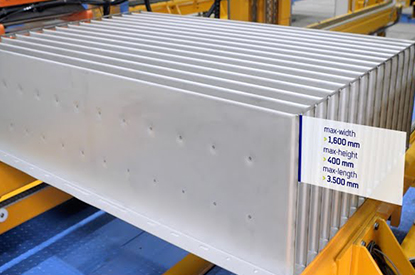
The corrugated forming process is the key technology of a corrugated transformer tank.

Special forming equipment creates uniform corrugated structures on steel sheets.

Corrugated Fin Manufacturing Steps

Step 1: Sheet Positioning

Steel plates are positioned accurately inside forming equipment.

Step 2: Hydraulic Corrugation Forming

The machine applies controlled pressure to create:

  • Corrugation depth
  • Wave spacing
  • Panel shape

Step 3: Dimensional Inspection

The formed panels are checked for:

  • Height tolerance
  • Width accuracy
  • Flatness
  • Mechanical deformation

Advantages of Precision Corrugated Forming

✔ Improved cooling efficiency
✔ Higher mechanical strength
✔ Better pressure resistance
✔ Longer transformer service life

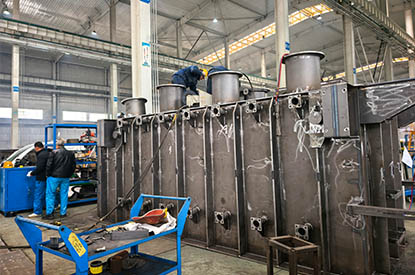
5. Transformer Tank Welding Process

After corrugated panels and tank components are prepared, welding is performed.

Common Welding Methods

MIG/MAG Welding

Used for:

  • Tank body assembly
  • Structural parts
  • Reinforcement welding

Automatic Seam Welding

Used for:

  • Long welding joints
  • High sealing requirements

Benefits:

  • Consistent welding quality
  • Reduced oil leakage risk
  • Improved appearance

Welding Quality Inspection

Inspection includes:

  • Weld appearance checking
  • Dimensional inspection
  • Non-destructive testing (if required)

6. Leak Testing and Pressure Testing

Transformer tanks must maintain complete oil sealing performance.

Testing Methods

Air Leakage Test

Checks:

  • Welding defects
  • Micro leakage points

Vacuum Test

Ensures the tank can withstand:

  • Vacuum oil filling process
  • Transportation pressure changes

Pressure Test

Verifies:

  • Mechanical strength
  • Tank deformation resistance

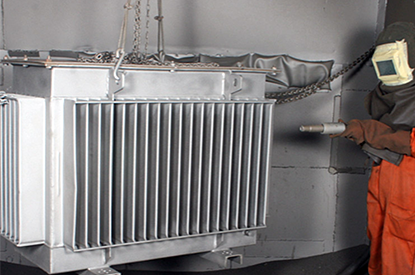
7. Surface Treatment and Sand Blasting

Before painting, transformer tanks undergo surface preparation.

Standard Surface Treatment

Sand blasting grade: Sa2.5

The process removes:

  • Rust
  • Oxide scale
  • Oil contamination
  • Surface impurities

Benefits:

  • Better coating adhesion
  • Improved corrosion resistance

8. Anti-Corrosion Painting Process

A transformer tank normally operates outdoors for 20–30 years, so coating protection is critical.

Radiastar provides customized corrosion protection systems.

Typical Coating Structure

Primer Layer

Epoxy zinc-rich primer:

  • Strong adhesion
  • Anti-rust protection

Intermediate Layer

Epoxy coating:

  • Increased coating thickness
  • Chemical resistance

Final Layer

Polyurethane topcoat:

  • UV resistance
  • Weather resistance

Available Corrosion Protection Grades

GradeApplication
C3Normal outdoor environment
C4Industrial and coastal environment
C5Severe marine environment

Optional:

  • Special marine coating
  • Galvanized treatment
  • Customized paint system

9. Final Assembly and Quality Inspection

Before delivery, every transformer tank undergoes final inspection.

Inspection items:

Dimension Inspection

Check:

  • Length
  • Width
  • Height
  • Flange position

Coating Inspection

Including:

  • Paint thickness
  • Surface condition
  • Adhesion quality

Performance Inspection

Including:

  • Leakage test
  • Pressure test
  • Vacuum test

Corrugated Transformer Tank Manufacturing Specifications

ParameterSpecification
ProductCorrugated Transformer Tank
ApplicationOil Immersed Transformer
Capacity50kVA–3150kVA
Voltage6kV–35kV
Frequency50Hz/60Hz
CoolingONAN
MaterialQ235B/Q345B Steel
WeldingMIG/MAG Automatic Welding
Surface TreatmentSa2.5 Sand Blasting
CoatingEpoxy + Polyurethane
Corrosion GradeC3/C4/C5
Oil TypeMineral Oil / Ester Oil
ProductionOEM Customized

Why Choose Radiastar Corrugated Transformer Tank Manufacturer?

Radiastar provides complete transformer tank manufacturing solutions with:

Professional Manufacturing Capability

  • Advanced forming equipment
  • Experienced welding team
  • Strict quality control
  • OEM production capability

Customized Transformer Tank Solutions

We manufacture tanks according to:

  • Transformer drawings
  • Capacity requirements
  • Voltage levels
  • Installation environment

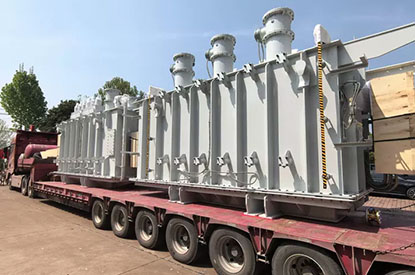
Reliable Export Quality

Radiastar transformer tanks are designed for:

  • Long service life
  • Outdoor applications
  • Harsh environments
  • International transformer manufacturers

FAQ About Corrugated Transformer Tank Manufacturing

How are corrugated transformer tanks manufactured?

Corrugated transformer tanks are produced through steel cutting, corrugated forming, welding, leakage testing, surface treatment, painting, and final inspection.

What material is used for transformer tanks?

Most transformer tanks use Q235B, Q345B carbon steel, and cold rolled steel sheets for corrugated panels.

How long does a transformer tank coating last?

With proper anti-corrosion treatment such as epoxy primer and polyurethane coating, transformer tanks can achieve long-term outdoor protection.

Can Radiastar produce customized transformer tanks?

Yes. Radiastar provides OEM transformer tank manufacturing based on customer drawings and technical requirements.

Contact Radiastar for Corrugated Transformer Tank Manufacturing

Radiastar is a reliable corrugated transformer tank manufacturer supplying customized transformer tanks for global transformer producers.

Whether you need:

  • Standard corrugated transformer tanks
  • Hermetically sealed transformer tanks
  • OEM customized tanks
  • High corrosion resistance transformer tanks

Contact Radiastar for technical support and factory quotation.
Share:

Submit Technical Specifications/Drawings — Get a Quote Now!

If you are interested in our products,, please send us a message and we will contact you as soon as we receive it. Email: info@radiastar.com whatsApp: +86 16650273776

    Related Product

    +86 16650273776
    info@radiastar.com
    +86 16650273776

    Quick Quote Submission

    Fill the form for transformer tank & radiator quotes. Fast reply guaranteed.

      X