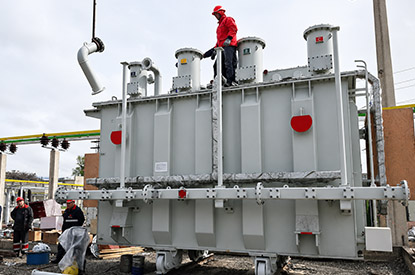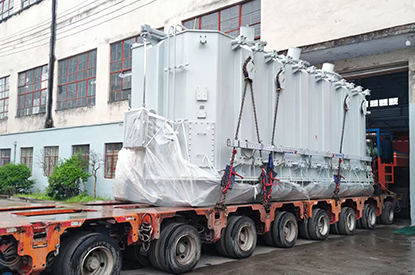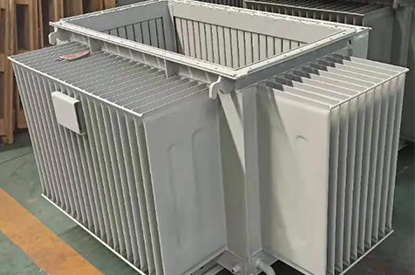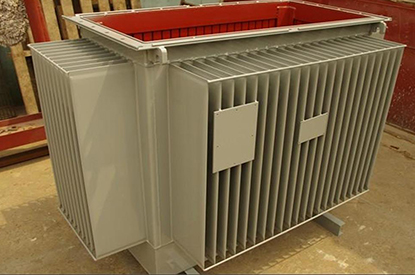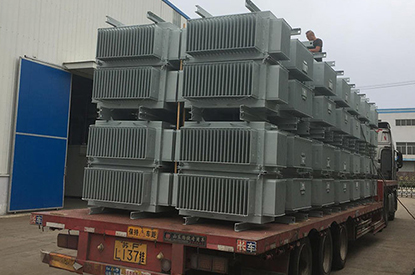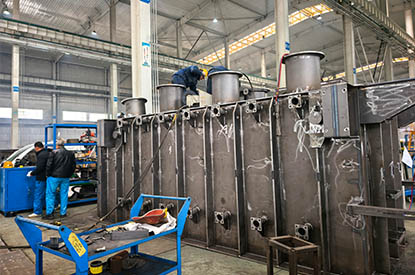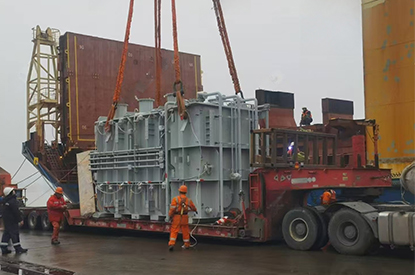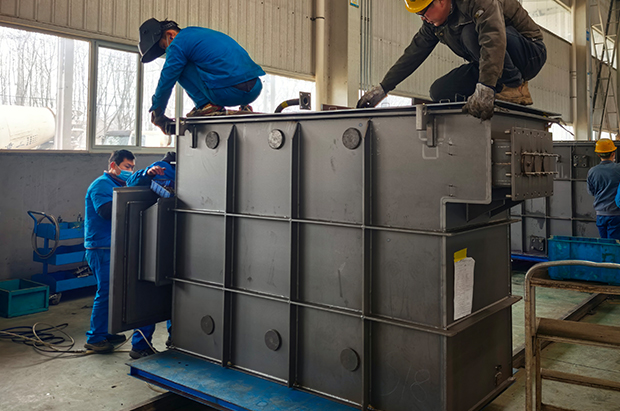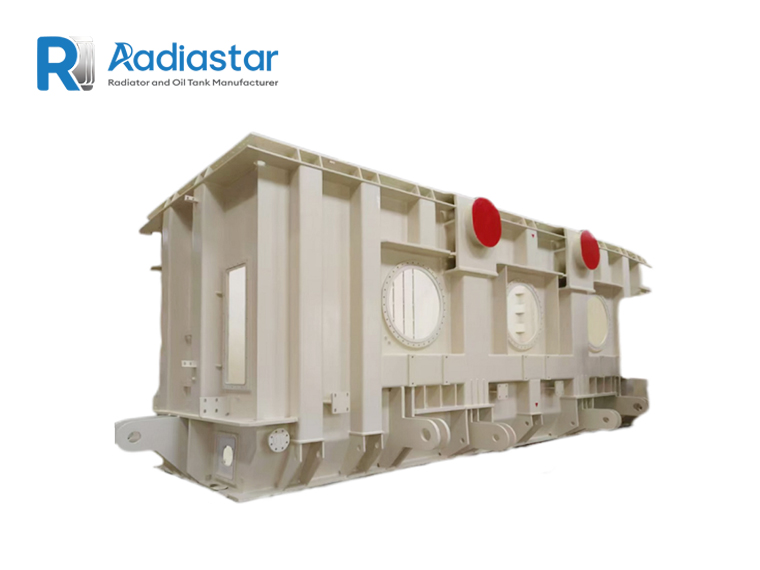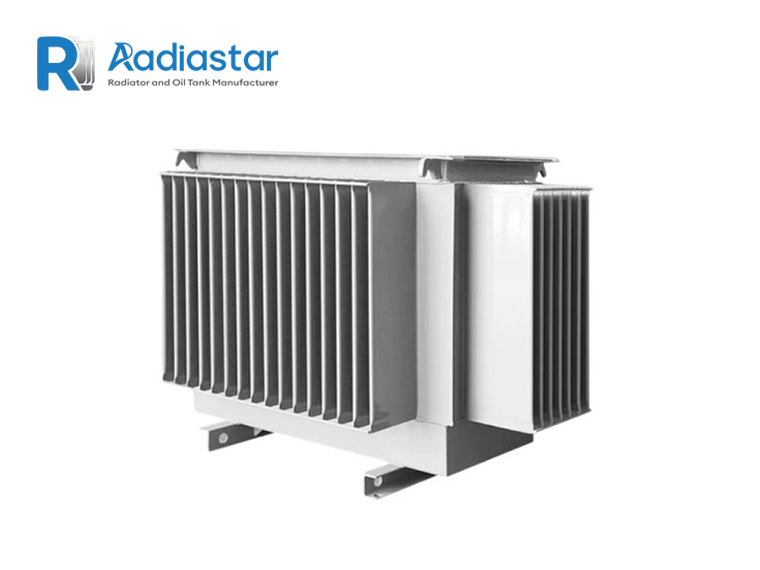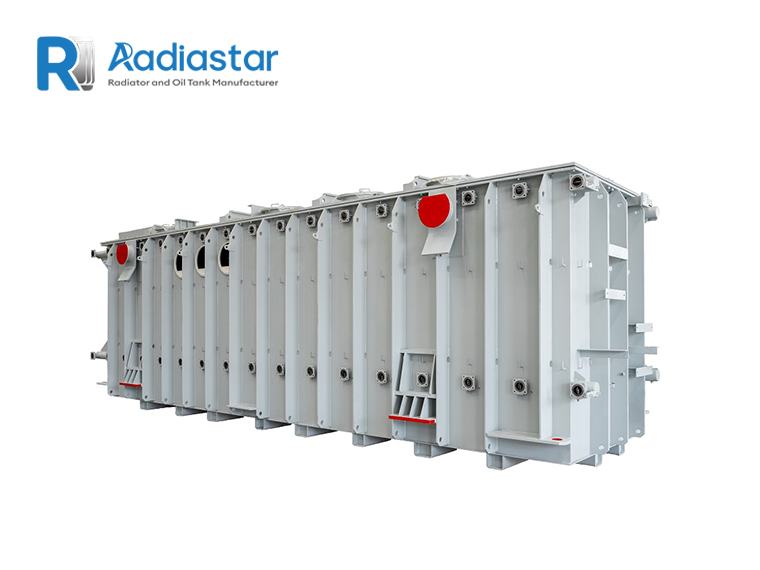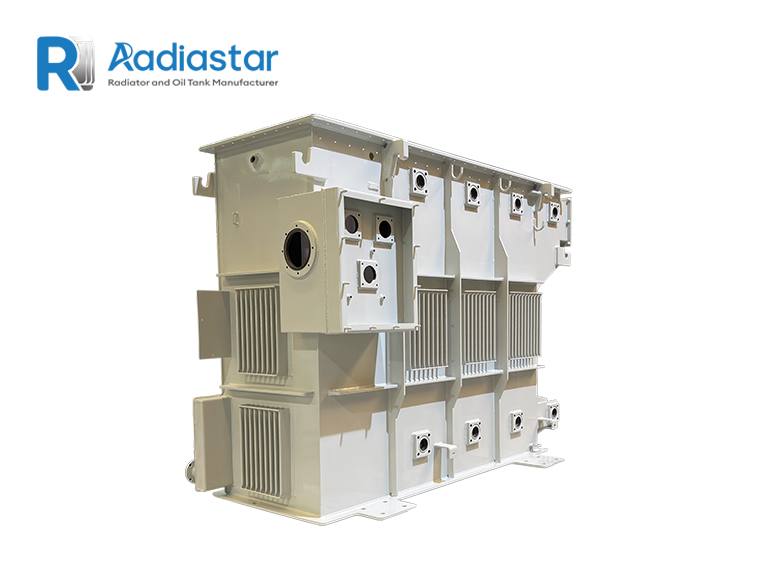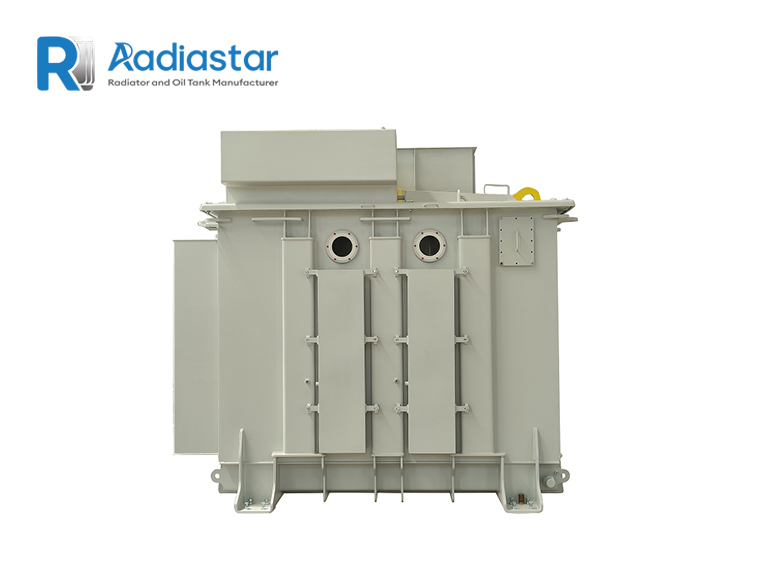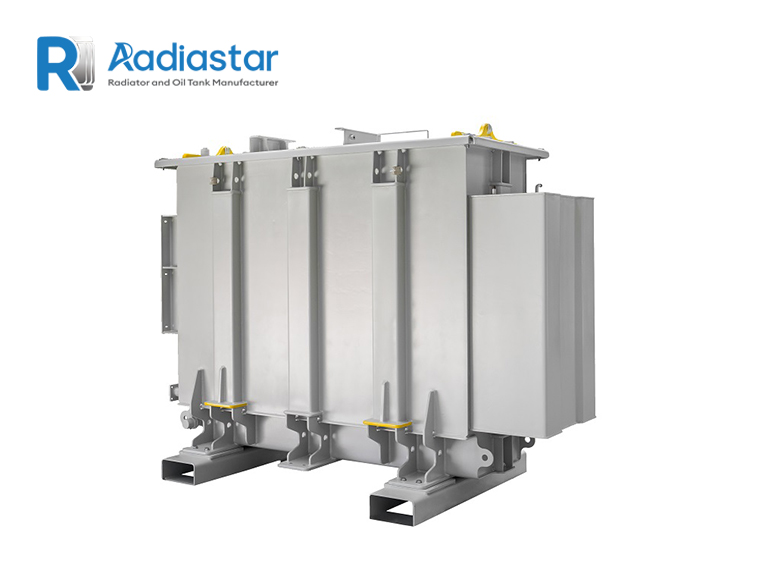

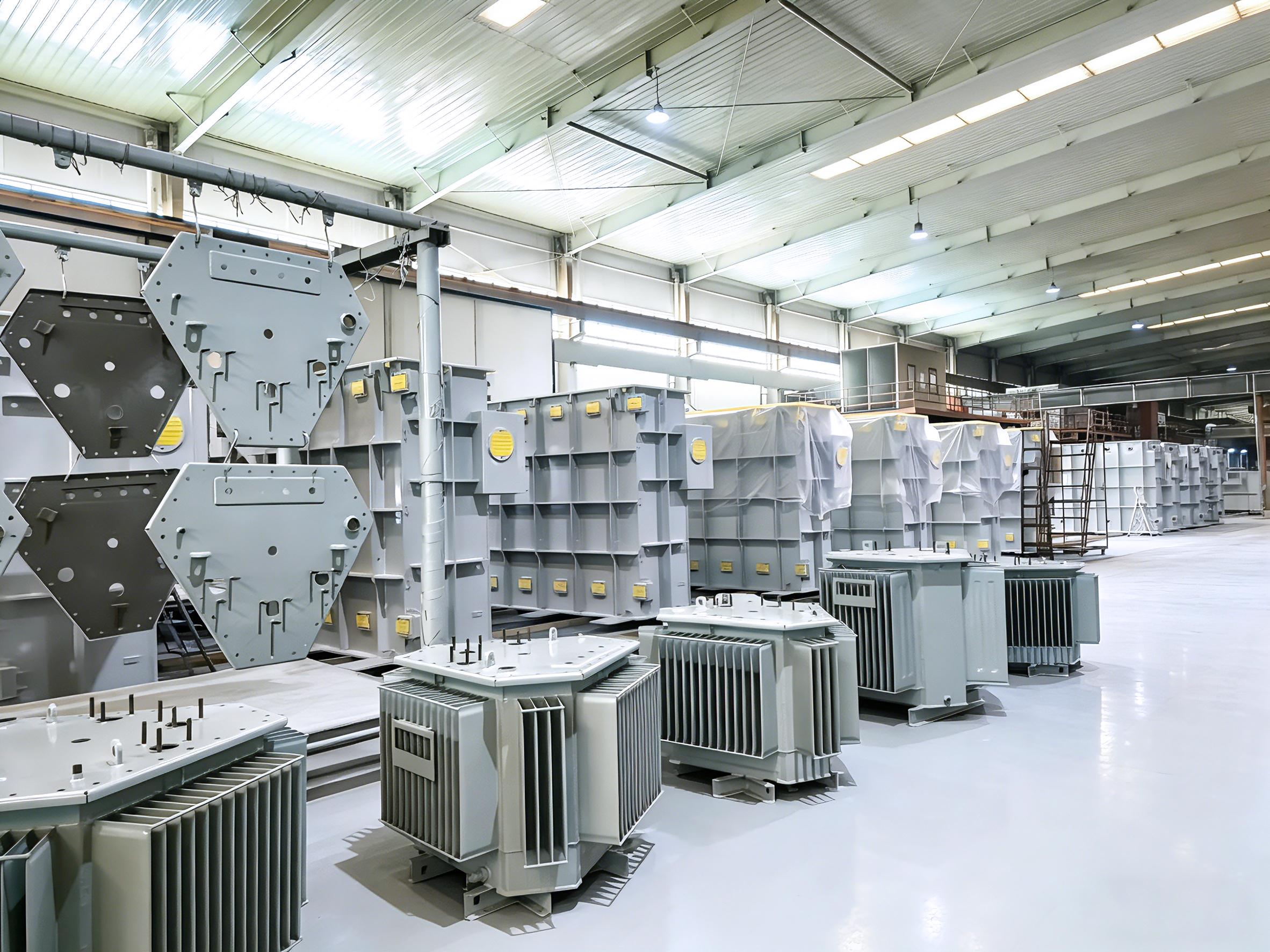
Transformer oil tanks are more than simple steel enclosures. They protect the active part of a transformer, contain insulating oil, dissipate heat, and maintain structural integrity under pressure, vacuum, and harsh environmental conditions. Two failure modes consistently worry transformer manufacturers, utility engineers, and procurement managers: corrosion and oil leakage.
Corrosion can reduce wall thickness, create pinholes, and shorten service life. Oil leakage can lead to insulation failure, environmental contamination, fire risk, and unplanned shutdowns. In international procurement, buyers also face questions about OEM manufacturing capabilities, certification packages, material selection, welding quality, and lead times.
This FAQ article answers the most common technical and commercial questions about transformer tank corrosion, leakage prevention, and OEM supply. It is written for transformer factories, EPC contractors, utility engineers, and overseas purchasing teams who need reliable, manufacturer-level information before issuing an inquiry or audit.
Radiastar is an OEM transformer tank manufacturer with engineering, fabrication, welding, surface treatment, and testing capabilities. This guide reflects the technical questions we receive from real buyers and the engineering answers we provide during pre-sales and production.
Corrosion in transformer tanks is usually caused by one or more of the following factors:
Atmospheric corrosion in coastal, industrial, or humid environments
Chemical attack from acids, alkalis, or aggressive soil conditions
Galvanic corrosion when dissimilar metals are in contact
Crevice corrosion at flanges, bolted joints, and lifting lugs
Pitting corrosion caused by chlorides or sulfur compounds
Coating failure due to poor surface preparation, insufficient dry film thickness, or mechanical damage
Condensation and standing water on tank surfaces or under base channels
Long-tail keyword: causes of transformer tank corrosion in coastal environments
Engineers should evaluate the operating environment according to ISO 12944 corrosion categories. For example, a transformer installed near the sea may fall into C5-M or CX, requiring a high-performance coating system. A tank in a chemical plant may require acid-resistant linings or special stainless steel.
Corrosion prevention is a system, not a single paint layer. The most effective approach includes:
Material selection
Carbon steel with protective coating for normal environments
Weathering steel (Corten) for moderate atmospheric exposure
Stainless steel for highly corrosive or acid-containing environments
Internal coatings or linings for oil side protection
Surface preparation
Abrasive blasting to Sa 2.5 or SSPC-SP 10
Removal of rust, mill scale, oil, and salts before coating
Surface profile control for coating adhesion
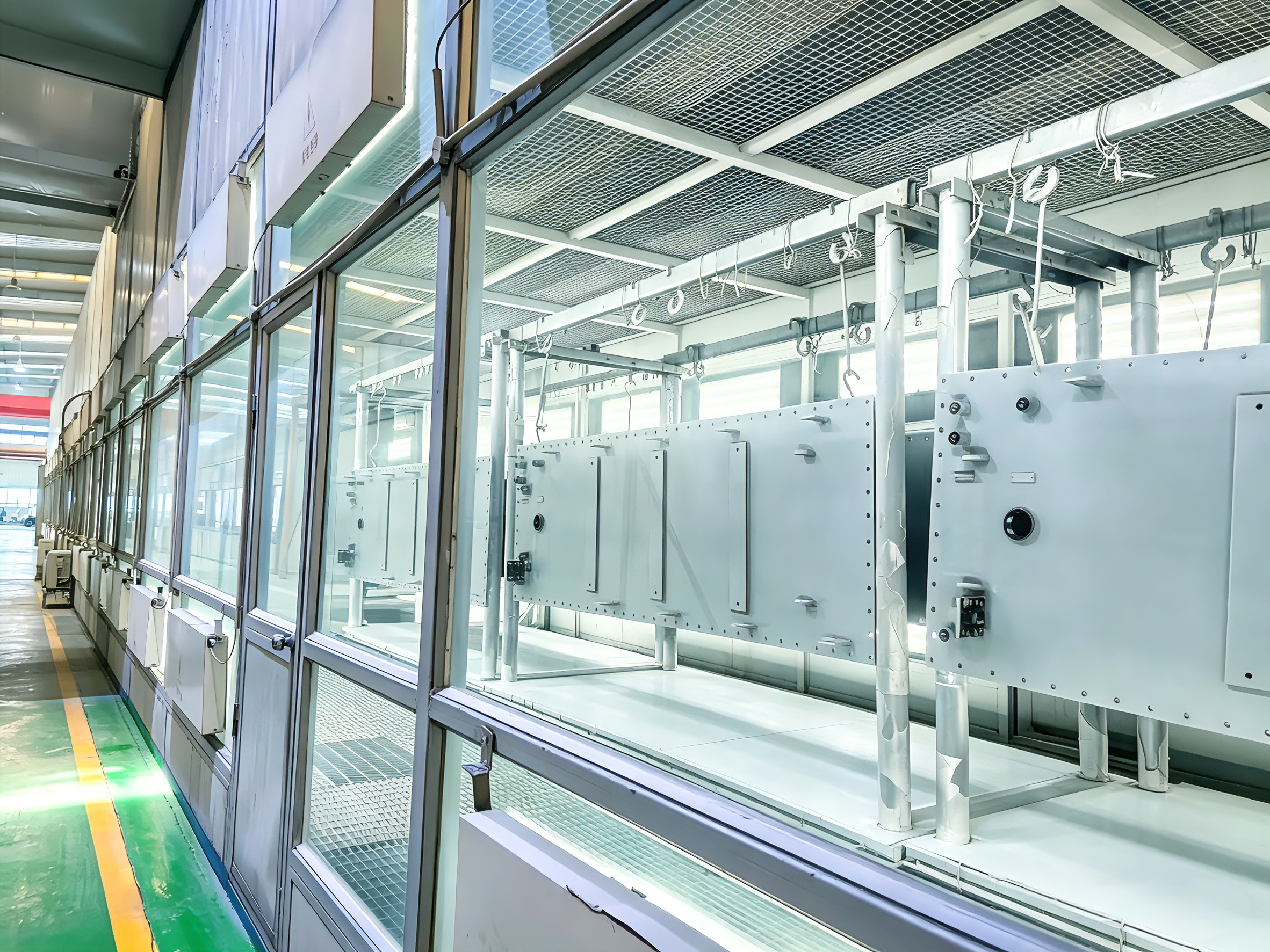
Protective coating system
Epoxy zinc-rich primer for cathodic protection
Epoxy micaceous iron oxide intermediate coat for barrier protection
Polyurethane or polysiloxane topcoat for UV and chemical resistance
Acid-resistant lining options for specific chemical exposure
Design details
Avoid water traps and sharp edges
Use fully welded seams and smooth transitions
Provide drain holes where appropriate
Design lifting lugs and base channels to avoid standing water
Long-tail keyword: corrosion prevention methods for transformer oil tanks
There is no single “best” coating for every project. The right system depends on the environment, service temperature, and chemical exposure. A typical high-performance external coating system for transformer tanks includes:
| Layer | Coating Type | Typical DFT |
|---|---|---|
| Primer | Epoxy zinc-rich | 50–80 µm |
| Intermediate | Epoxy MIO | 80–120 µm |
| Topcoat | Polyurethane / Polysiloxane | 60–80 µm |
Total dry film thickness usually ranges from 200 to 280 µm for C4/C5 environments. For acid-resistant service, internal linings may include epoxy phenolic, vinyl ester, or rubber lining depending on acid concentration and temperature.
Long-tail keyword: epoxy zinc-rich coating system for transformer tank
Radiastar can recommend a coating specification based on the project’s ISO 12944 category, operating temperature, and chemical environment. We also provide coating procedure qualification records and dry film thickness inspection reports.
An acid-resistant transformer tank is designed to withstand exposure to acidic substances, either from the external environment or from internal insulating oil degradation. Common acid sources include:
Acidic soil or groundwater
Industrial atmospheres with sulfur dioxide or acid mist
Chemical plant environments
Transformer oil with elevated acidity after long service
Acid-resistant protection can be achieved through:
Stainless steel tank construction (e.g., 316L)
Acid-resistant internal linings
Chemical-resistant external coatings
Gaskets and seals made from acid-resistant materials
Long-tail keyword: acid resistant transformer tank coating for chemical plants
For buyers, it is important to specify the type of acid, concentration, temperature, and exposure duration. This information allows the manufacturer to select the correct lining or material.
ISO 12944 is an international standard for corrosion protection of steel structures by protective paint systems. It defines:
Corrosivity categories (C1 to CX)
Surface preparation requirements
Coating system recommendations
Laboratory performance test methods
Durability ranges (low, medium, high, very high)
For transformer tanks, ISO 12944 helps engineers and buyers specify the correct coating system for the installation environment. A tank for an inland substation may require C3, while a coastal substation may require C5-M or CX.
Long-tail keyword: ISO 12944 C5 transformer tank coating specification
Radiastar uses ISO 12944 as a reference when preparing coating proposals. We can provide coating system data sheets, dry film thickness reports, and adhesion test results.
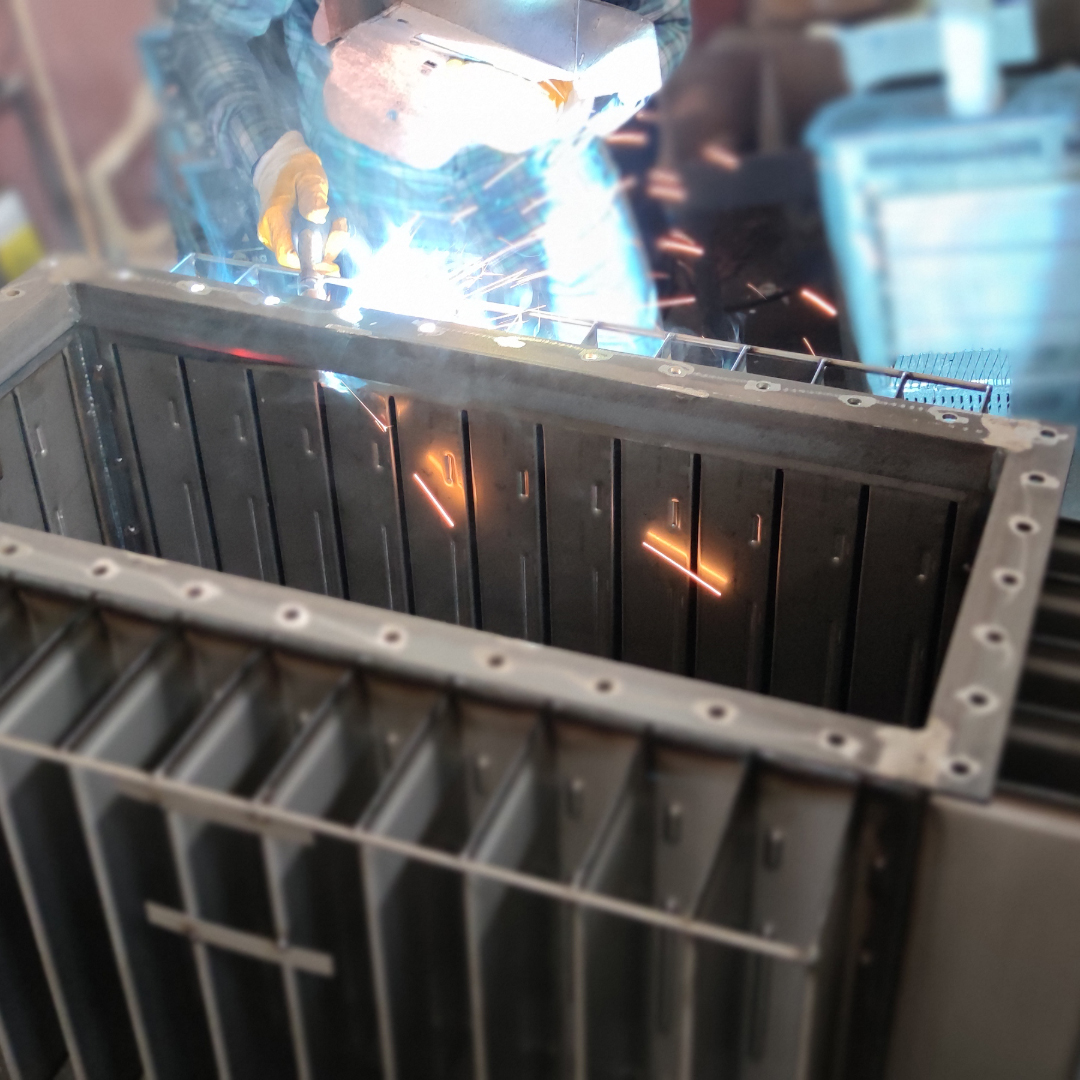
Transformer oil leakage can originate from design, material, fabrication, or service conditions. The most common causes include:
Weld defects: porosity, lack of fusion, cracks, undercut
Inadequate weld penetration at corner joints or nozzle connections
Poor sealant selection for gasketed openings
Vibration and thermal cycling causing fatigue cracks
Corrosion pinholes penetrating the tank wall
Mechanical damage during transport or installation
Improper gasket installation on flanges, bushings, or radiators
Long-tail keyword: transformer tank oil leakage causes and repair
A robust leak-proof design starts with welding process control and ends with pressure testing and final inspection.
A leak-proof transformer tank design combines several engineering practices:
Welded construction
Continuous full-penetration welds for main seams
Controlled heat input to reduce distortion
Qualified welding procedure specifications (WPS)
Certified welders according to ISO 9606 or AWS D1.1
Reinforcement
Proper stiffeners to reduce plate deflection under vacuum and pressure
Corner gussets to distribute stress
Lifting lugs designed for full oil weight
Sealing
Flange faces machined flat
Oil-resistant gaskets such as nitrile rubber, cork-rubber, or PTFE
Bolt torque specifications to avoid uneven compression
Testing
Air leak test with soap solution
Hydrostatic pressure test
Vacuum test for welded seams
Dye penetrant or magnetic particle inspection for critical welds
Long-tail keyword: leak-proof transformer tank design and welding
Transformer tanks must withstand internal pressure, vacuum, and sometimes external pressure during service. Common tests include:
Air pressure test
Pressurize the tank with dry air to a specified pressure (e.g., 0.5–1.0 bar)
Apply soap solution to welds and joints
Check for bubbles indicating leaks
Hold pressure for a defined duration
Hydrostatic test
Fill the tank with water
Apply pressure above the service level
Inspect for leakage and deformation
Drain and dry the tank thoroughly after test
Vacuum test
Apply negative pressure to simulate service vacuum conditions
Check for inward leakage or structural instability
Dye penetrant testing (PT)
Detect surface-breaking defects in welds
Used for nozzle welds, corner joints, and repair areas
Long-tail keyword: transformer tank pressure test procedure and acceptance criteria
Radiastar performs these tests according to customer specifications and applicable standards. Test reports are included in the final quality dossier.
Welding quality is the backbone of leak-proof transformer tanks. Radiastar controls welding through:
Qualified WPS and PQR according to ISO 15614 or ASME Section IX
Certified welders tested to ISO 9606 or AWS D1.1
Controlled welding consumables with proper storage and handling
Pre-weld cleaning and fit-up inspection
In-process weld inspection and post-weld visual inspection
NDT methods such as dye penetrant, magnetic particle, or radiographic testing when required
Long-tail keyword: ISO 3834 certified welding for transformer tanks
For critical projects, we can provide ISO 3834 welding quality management system documentation.
The most common transformer tank materials are:
| Material | Advantages | Typical Use |
|---|---|---|
| Carbon steel (Q235, S235JR, ASTM A36) | Low cost, easy to weld | General purpose tanks |
| High-strength low-alloy steel (Q345, S355JR) | Higher strength, reduced weight | Large power transformer tanks |
| Weathering steel (Corten A/B) | Improved atmospheric corrosion resistance | Outdoor substations |
| Stainless steel (304, 316L) | Excellent corrosion and acid resistance | Chemical, coastal, food-grade applications |
Internal surfaces may be left bare if the insulating oil is non-aggressive, but for acid-containing or contaminated oil, an internal coating or stainless steel may be required.
Long-tail keyword: material selection for transformer oil tank fabrication
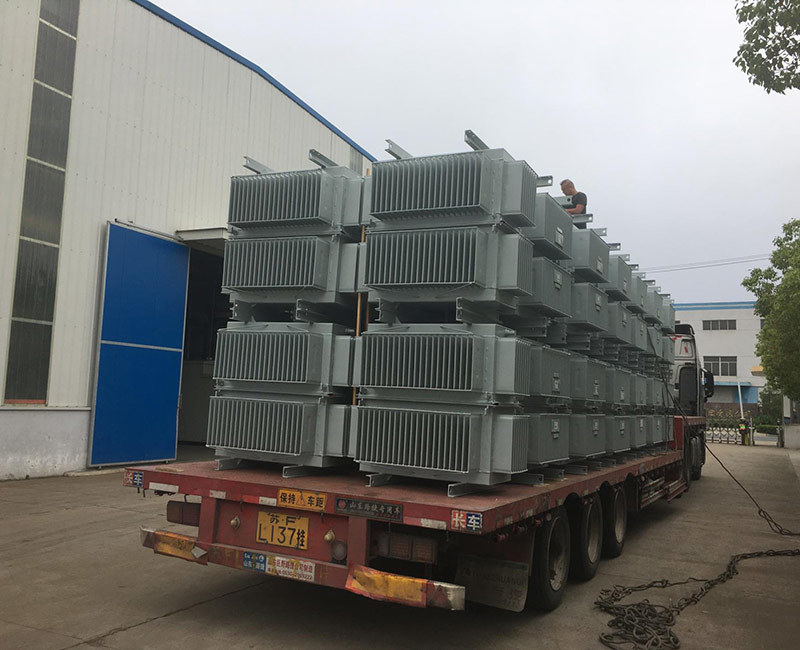
OEM transformer tank manufacturing means producing tanks according to the customer’s design, drawings, or specifications, often under the customer’s brand or as part of their transformer assembly. OEM services may include:
Design support and drawing conversion
Material procurement and traceability
Cutting, bending, welding, machining
Surface preparation and coating
Leak testing and quality inspection
Packaging and shipping to the customer’s facility
Radiastar works as an OEM supplier for transformer factories, EPC contractors, and utility companies. We can manufacture single prototypes or batch production runs.
Long-tail keyword: OEM transformer tank manufacturer for transformer factories
When selecting a transformer tank supplier, buyers should check for:
ISO 9001 quality management system
ISO 14001 environmental management system
ISO 45001 occupational health and safety
ISO 3834 welding quality requirements
EN 1090 if required for structural steel in Europe
Welder qualifications (ISO 9606, AWS D1.1)
Coating inspector certifications (NACE/AMPP or FROSIO)
Material test certificates (EN 10204 3.1 or 3.2)
Radiastar maintains a documented quality system and can provide certification packages upon request. Buyers should verify that certificates are valid and cover the actual production facility.
Long-tail keyword: transformer tank manufacturer certifications for international procurement
Choosing the right supplier is more than comparing unit prices. We recommend evaluating these areas:
Technical capability
Can they weld large steel structures?
Do they have CNC cutting, press brakes, and heavy lifting capacity?
Do they have qualified welders and NDT personnel?
Quality control
Do they have an in-house laboratory or third-party testing?
What inspections are performed at each production stage?
Can they provide material certificates and test reports?
Factory capacity
Monthly production capacity in tons or units
Maximum tank dimensions and weight
Painting and drying booth capacity
OEM experience
Reference projects for similar transformer tanks
Ability to work from customer drawings
Engineering support for design optimization
Logistics
Export packaging experience
Proximity to port and handling equipment
Lead time reliability
Long-tail keyword: transformer tank supplier audit checklist
Radiastar welcomes factory audits, video inspections, and third-party quality surveillance.
Lead time depends on design complexity, order quantity, material availability, and testing requirements. A typical OEM transformer tank order may have the following phases:
| Phase | Duration |
|---|---|
| Drawing approval and material procurement | 2–4 weeks |
| Fabrication and welding | 3–6 weeks |
| Surface treatment and coating | 1–2 weeks |
| Testing and final inspection | 2–5 days |
| Packaging and shipping | 2–5 days |
For repeat orders with approved drawings, lead times can be shorter. Radiastar provides a production schedule after order confirmation and updates during manufacturing.
Long-tail keyword: transformer tank manufacturer lead time for export orders
Yes. Radiastar can:
Receive customer drawings in DWG, DXF, STEP, or PDF formats
Convert 2D drawings to 3D models for fabrication
Suggest design improvements for welding efficiency and leak prevention
Provide nesting plans and CNC cutting programs
Supply as-built drawings and quality documentation
If the customer has only a general specification, our engineering team can develop a complete fabrication drawing based on the transformer core dimensions, oil volume, and pressure requirements.
Long-tail keyword: transformer tank CAD drawings and design support for OEM
Because transformer tanks are custom-fabricated structures, the minimum order quantity can be as low as one prototype. However, unit costs are affected by:
Material purchasing quantities
Tooling and programming setup
Welding procedure qualification if new
Coating batch size
For series production, typical MOQs may be 5–20 units depending on tank size. Radiastar is flexible and can support both prototype and volume orders.
Long-tail keyword: low MOQ transformer tank manufacturer for prototype orders
Transformer tanks are large steel structures and require careful export packaging. Radiastar uses:
Steel cradles or wooden pallets
VCI (volatile corrosion inhibitor) bags for bare metal surfaces
Edge protection and bracing to prevent transport damage
Custom crating for overseas container or breakbulk shipment
Lifting and lashing points for safe handling
We can ship by container, flat rack, or bulk vessel depending on dimensions and weight.
Long-tail keyword: export packaging for transformer oil tanks
The required pressure depends on the transformer design and operating conditions. Common values are:
Internal pressure: 0.5 to 1.0 bar above atmospheric
Vacuum: -0.3 to -0.5 bar
Hydrostatic test: 1.3 to 1.5 times the maximum working pressure
The tank must not show visible deformation or leakage during the test. Stiffener spacing and plate thickness are calculated accordingly.
Long-tail keyword: transformer tank internal pressure rating and vacuum test
Flanged connections are common leakage points. To prevent leaks:
Machine flange faces flat and smooth
Use oil-compatible gaskets with correct hardness
Apply controlled bolt torque in a diagonal pattern
Avoid over-tightening that may distort the flange
Perform air leak tests after assembly
Long-tail keyword: preventing oil leaks at transformer tank flanges
Corrosion-resistant tanks are designed to withstand general atmospheric corrosion, such as humidity, salt spray, and industrial pollutants. Acid-resistant tanks go further by protecting against direct chemical attack from acids.
| Feature | Corrosion-Resistant Tank | Acid-Resistant Tank |
|---|---|---|
| Environment | Coastal, industrial, humid | Chemical plants, acidic soil, acidic oil |
| Coating | Epoxy/PU system, 200–280 µm | Acid-resistant lining, phenolic/vinyl ester |
| Material | Carbon steel + coating | Stainless steel or lined carbon steel |
| Testing | ISO 9227 salt spray | ISO 2812 chemical resistance |
Long-tail keyword: difference between corrosion resistant and acid resistant transformer tank
Coating thickness is verified using a calibrated dry film thickness gauge. Measurements are taken at defined points on each surface according to ISO 19840 or SSPC-PA 2. The manufacturer should provide a coating inspection report showing:
Surface preparation standard achieved
Primer, intermediate, and topcoat DFT readings
Adhesion test results if required
Cure and recoating intervals
Long-tail keyword: dry film thickness measurement for transformer tank coating
To receive an accurate quotation, include the following details:
Transformer tank drawings or outline dimensions
Material specification (carbon steel, stainless steel, etc.)
Operating environment and corrosion category
Required coating system or standard
Internal pressure, vacuum, and test requirements
Welding and NDT requirements
Quantity and target delivery date
Packaging and shipping destination
Required documentation and certifications
Long-tail keyword: transformer tank RFQ technical specification template
A complete quality dossier for a transformer tank may include:
Material test certificates (EN 10204 3.1)
Welding procedure specifications and welder qualifications
NDT reports (PT, MT, UT, RT as applicable)
Dimensional inspection reports
Pressure and leak test reports
Coating inspection reports
Final inspection certificate
Packing list and shipping documents
Long-tail keyword: transformer tank quality documentation for export orders
Yes. We support third-party inspection agencies such as SGS, BV, TÜV, or customer-appointed inspectors. Inspection hold points can be agreed before production starts.
Long-tail keyword: third-party inspection for transformer tank manufacturing
Transformer tank corrosion, oil leakage, and OEM supply are interconnected topics. A tank that is corrosion-resistant but poorly welded will leak. A tank that passes pressure testing but uses the wrong coating will corrode. And a supplier with a low price but no certification or testing capability creates hidden risks.
Buyers and engineers should treat the transformer tank as a critical component with its own engineering, quality, and supply chain requirements. By asking the right technical questions, reviewing certification packages, and selecting an experienced OEM manufacturer, transformer factories can reduce warranty claims, improve reliability, and build long-term supply partnerships.
Radiastar provides OEM transformer tank manufacturing with corrosion-resistant, acid-resistant, and leak-proof design capabilities. Contact our engineering team with your drawings or specifications for a technical proposal and quotation.