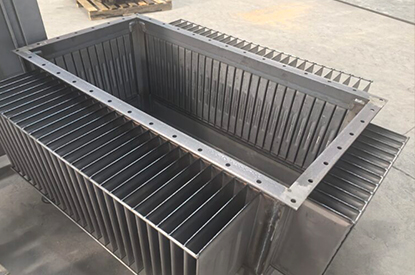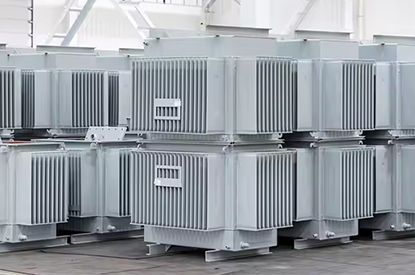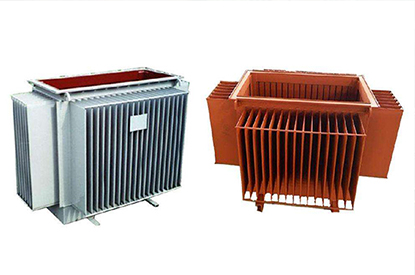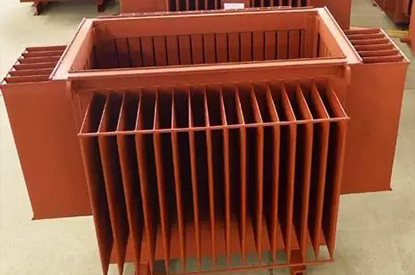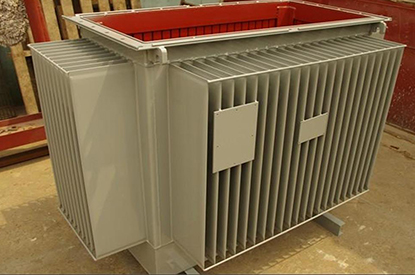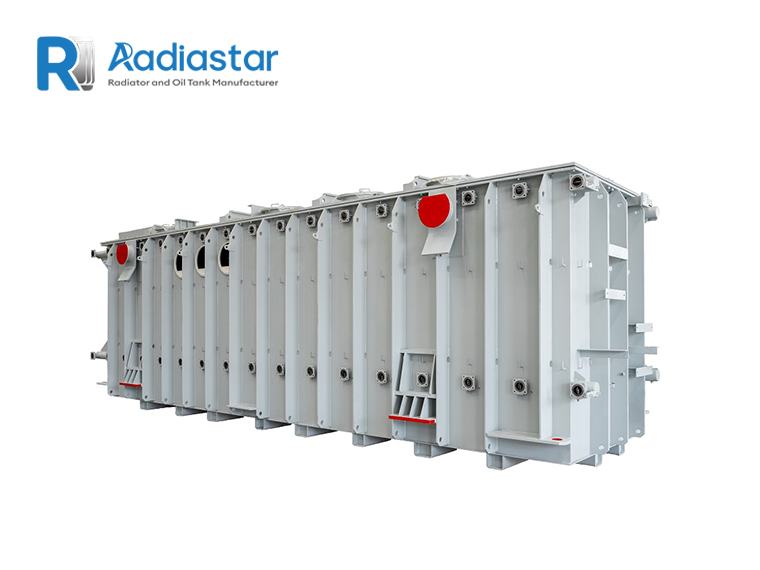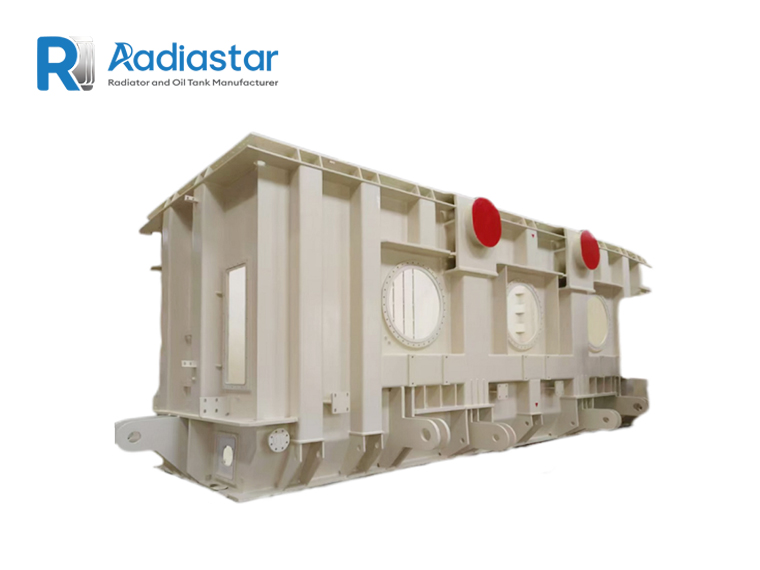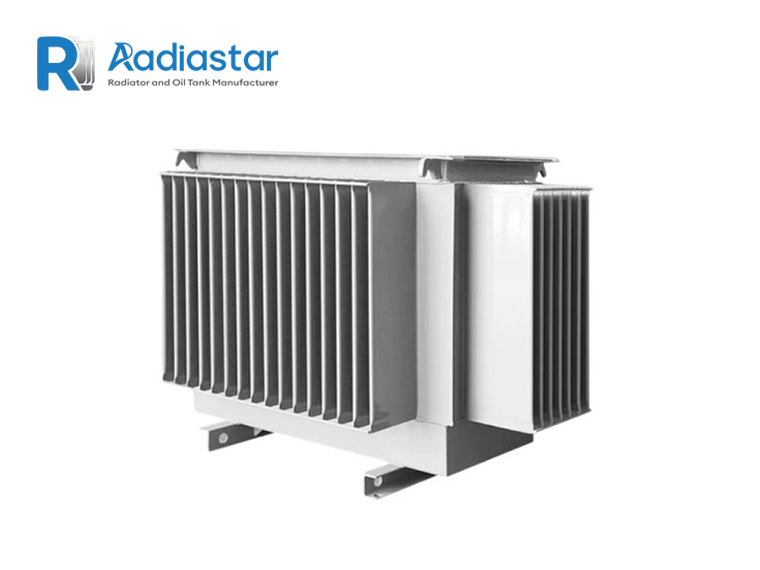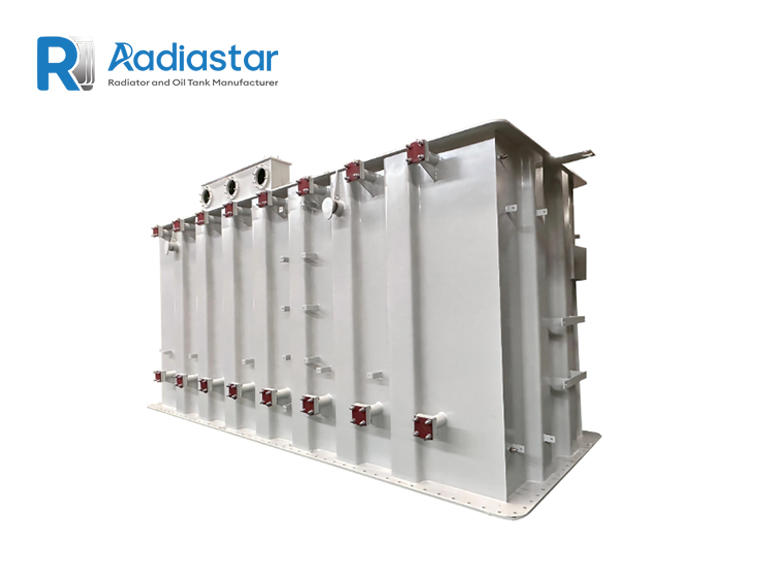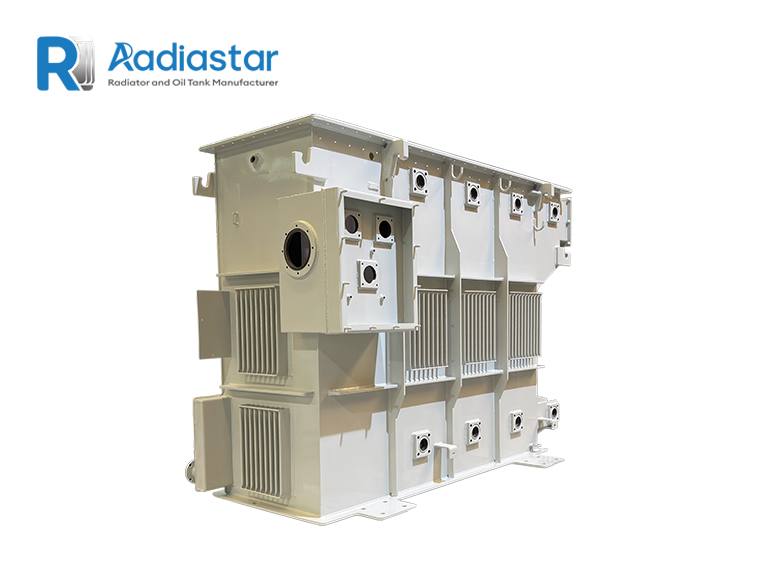

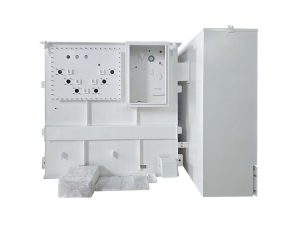
Selecting a transformer tank supplier is not a simple purchasing decision. The tank is a pressure-containing, oil-retaining, corrosion-exposed steel structure that directly affects transformer reliability, safety, and service life. A poorly fabricated tank may pass initial visual inspection but fail after years of thermal cycling, vibration, or environmental exposure.
For transformer manufacturers, EPC contractors, and utility procurement teams, the real cost of a transformer tank includes not only the unit price, but also the risks of oil leakage, coating failure, welding defects, delayed shipments, and missing documentation.
This guide presents 12 technical questions that purchasing and engineering teams should ask before placing an order. Each question covers a specific area of supplier capability, from factory equipment and welding certification to surface treatment, pressure testing, OEM support, lead time, and after-sales service. A downloadable supplier audit checklist is also included at the end.
Radiastar is an OEM transformer tank manufacturer. We have prepared this guide based on the questions we receive from international buyers and the technical evidence we provide during factory audits and pre-shipment inspections.
A transformer tank manufacturer should control the full production chain: cutting, forming, welding, machining, surface preparation, coating, and testing. If a supplier outsources welding or painting, quality control becomes harder to manage.
Key equipment to check:
CNC laser or plasma cutting machines
Hydraulic press brakes with sufficient tonnage
Plate rolling machines for cylindrical or curved tanks
Welding positioners and rotators
Heavy lifting capacity for large tanks
Shot blasting or abrasive blasting booths
Temperature-controlled painting and drying booths
Pressure testing stations
Overhead cranes with adequate lifting capacity
Long-tail keyword: transformer tank manufacturer in-house production capacity
A factory with complete in-house fabrication can control quality at every stage and respond faster to design changes or urgent orders.
Certifications provide a baseline for supplier evaluation. For transformer tank manufacturing, buyers should request copies of the following certificates:
| Certification | Scope |
|---|---|
| ISO 9001 | Quality management system |
| ISO 14001 | Environmental management system |
| ISO 45001 | Occupational health and safety |
| ISO 3834 | Quality requirements for fusion welding |
| EN 1090 | Structural steel components in Europe |
| CE marking | If required for the destination market |
| Material test certificates | EN 10204 3.1 or 3.2 |
Verify that the certificates are valid, issued by accredited bodies, and cover the production site that will actually manufacture your tanks.
Long-tail keyword: transformer tank supplier ISO 9001 and ISO 3834 certifications
Radiastar maintains a documented quality system and provides certification packages to customers during pre-qualification.
Material traceability is critical for transformer tanks used in utilities, substations, and export projects. The supplier should be able to provide:
Steel mill test certificates for each heat number
Chemical composition and mechanical properties
Traceability from raw material to finished tank
Welding consumable certificates
Paint and coating material data sheets
Long-tail keyword: transformer tank material traceability and mill test certificate
A reliable supplier will mark heat numbers during cutting and maintain traceability records in the final quality dossier.
Welding is the most important process for leak-proof transformer tanks. Ask the supplier:
Do they have qualified welding procedure specifications (WPS) and procedure qualification records (PQR)?
Are welders certified according to ISO 9606, AWS D1.1, or equivalent?
Do they use controlled welding consumables with proper storage?
What welding processes are used? MIG, TIG, submerged arc welding?
Do they perform non-destructive testing such as dye penetrant, magnetic particle, or radiographic testing?
Long-tail keyword: welding quality control for transformer oil tank fabrication
A supplier with ISO 3834 certification has a structured welding quality management system, which reduces the risk of weld defects and oil leaks.
Corrosion is one of the main causes of transformer tank failure. A qualified supplier should be able to:
Recommend the correct coating system based on ISO 12944 corrosivity categories
Perform abrasive blasting to Sa 2.5 or SSPC-SP 10
Apply primer, intermediate coat, and topcoat with controlled dry film thickness
Measure DFT using calibrated gauges
Provide coating inspection reports and adhesion test results
Offer acid-resistant linings or stainless steel options for aggressive environments
Long-tail keyword: ISO 12944 coating system for transformer tank supplier
Ask for a sample coating specification and a recent coating inspection report. A professional supplier will not hesitate to share this information.
Leak-proof performance must be verified before shipment. Standard tests include:
Air pressure test with soap solution to detect weld leaks
Hydrostatic test to verify structural strength under water pressure
Vacuum test for tanks designed to withstand negative pressure
Dye penetrant or magnetic particle testing on critical welds
Long-tail keyword: transformer tank air pressure test and hydrostatic test procedure
Request a blank test report template and confirm that the supplier will include signed test reports in the final documentation package.
Not every tank shop has experience with demanding environments. If your transformers will be installed near the coast, in chemical plants, or in areas with acidic soil, the supplier must understand:
Material selection for aggressive environments
Stainless steel fabrication if required
Acid-resistant coatings and linings
Crevice corrosion prevention at joints and flanges
Special gasket materials for chemical resistance
Long-tail keyword: acid resistant transformer tank manufacturer with chemical plant experience
Ask for reference projects in similar environments. A supplier with proven experience can help you avoid costly coating or material selection mistakes.
OEM capability is essential for transformer factories that need custom tanks built to their drawings. A good OEM supplier should:
Accept customer drawings in DWG, DXF, STEP, or PDF formats
Provide design support and drawing conversion if needed
Maintain confidentiality of customer designs
Be willing to sign NDAs and non-use agreements
Allow customer branding or neutral marking
Long-tail keyword: OEM transformer tank manufacturer with drawing confidentiality
Radiastar regularly works as an OEM supplier and respects customer intellectual property. We can sign confidentiality agreements before receiving drawings.
Before placing an order, confirm that the supplier can meet your production schedule. Ask for:
Monthly production capacity in tons or units
Current workload and available capacity
Lead time for prototype orders
Lead time for repeat orders with approved drawings
Ability to handle urgent or rush orders
Typical lead times for custom transformer tanks:
| Phase | Duration |
|---|---|
| Drawing approval and material procurement | 2–4 weeks |
| Fabrication and welding | 3–6 weeks |
| Surface treatment and coating | 1–2 weeks |
| Testing and inspection | 2–5 days |
| Packing and shipping | 2–5 days |
Long-tail keyword: transformer tank supplier lead time and production capacity
A reliable supplier will provide a detailed production schedule and progress updates during manufacturing.
After-sales service is often overlooked during supplier selection. Before ordering, clarify:
Warranty period for workmanship and materials
Process for handling defects discovered after delivery
Response time for quality complaints
Availability of spare parts or repair support
Willingness to send engineers or support remote troubleshooting
Long-tail keyword: transformer tank supplier after-sales service and warranty policy
A supplier that stands behind its products will have a clear after-sales process and a track record of resolving issues quickly.
Third-party inspection and factory audits are standard practice in international procurement. A qualified supplier should:
Welcome customer visits and factory audits
Accept third-party inspection agencies such as SGS, BV, TÜV, or customer-appointed inspectors
Agree on inspection hold points before production
Provide access to production records and test reports
Allow video inspection for remote buyers
Long-tail keyword: transformer tank supplier third-party inspection and factory audit
If a supplier refuses audits or is reluctant to share quality records, treat it as a red flag.
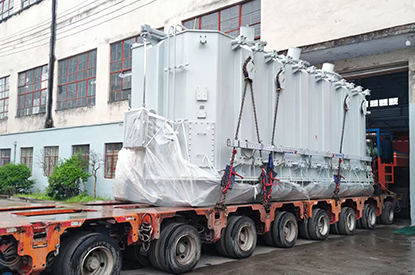
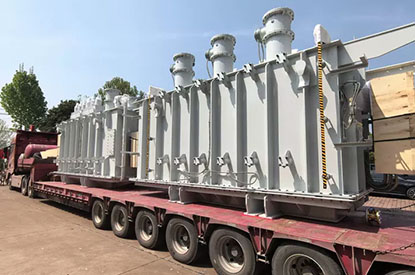
Transformer tanks are large, heavy steel structures. Poor packaging can cause damage during transport, leading to coating scratches, deformed flanges, or weld cracks. A professional supplier should offer:
Steel cradles or wooden pallets
VCI bags or protective wrapping for bare metal surfaces
Edge protection and internal bracing
Lifting and lashing points for safe handling
Experience with container, flat rack, or breakbulk shipping
Proper marking and packing lists
Long-tail keyword: export packaging and shipping for transformer oil tanks
Radiastar provides export-grade packaging based on destination, transport mode, and customer requirements.
Use this checklist during supplier evaluation. Each item should be verified with documents, photos, or on-site observation.
In-house cutting, bending, welding, and painting capability
Adequate crane capacity for large tanks
Shot blasting or abrasive blasting booth
Temperature-controlled painting and drying booth
Pressure testing equipment
ISO 9001 certificate valid and issued by accredited body
ISO 3834 welding quality certificate
Welder qualification certificates
Coating inspector certificates
Environmental and safety certificates if required
Qualified WPS and PQR
NDT procedures and personnel qualification
Air pressure test report template
Hydrostatic test report template
Vacuum test capability
Surface preparation standard Sa 2.5
DFT measurement equipment calibrated
Coating system recommendation based on ISO 12944
Acid-resistant or stainless steel options available
Adhesion test capability
Willingness to sign NDA
Experience working from customer drawings
Material traceability records
Final quality dossier format
As-built drawings provided
Production capacity statement
Confirmed lead time in writing
After-sales warranty policy
Third-party inspection acceptance
Export packaging experience
Long-tail keyword: transformer tank supplier audit checklist for procurement managers
Choosing a transformer tank supplier requires more than comparing quotations. The supplier’s welding quality, surface treatment process, testing capability, certification pack, OEM experience, and after-sales support directly affect transformer reliability and your project schedule.
By asking the 12 technical questions in this guide, procurement and engineering teams can identify qualified suppliers, reduce supply chain risk, and build long-term partnerships with manufacturers that understand transformer tank requirements.
Radiastar provides OEM transformer tank manufacturing with corrosion-resistant, leak-proof, and acid-resistant design capabilities. We welcome factory audits, third-party inspections, and technical discussions with your engineering team. Contact us with your drawings or specifications for a detailed proposal.