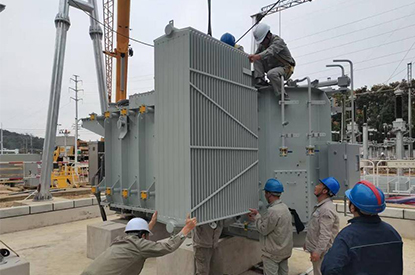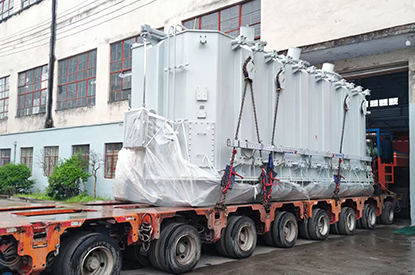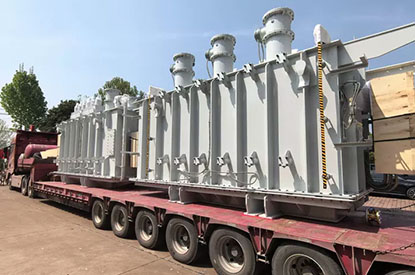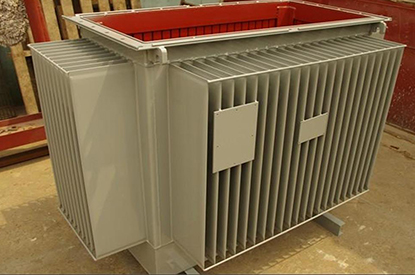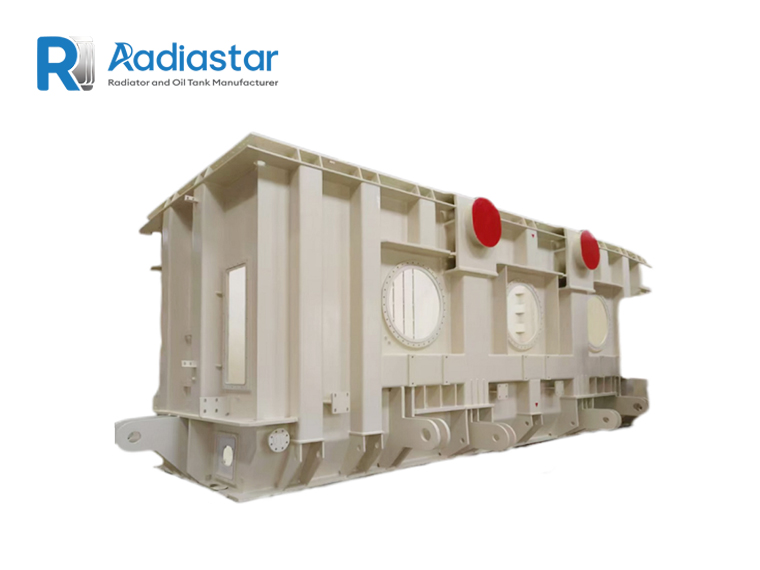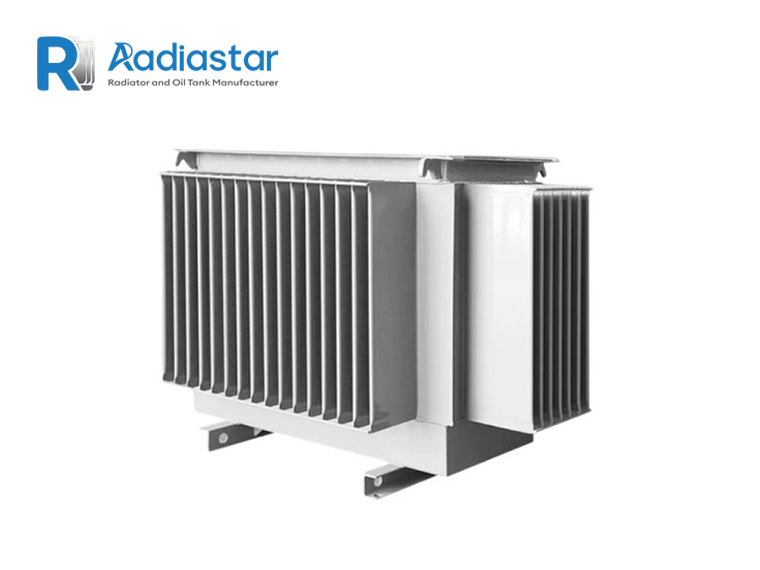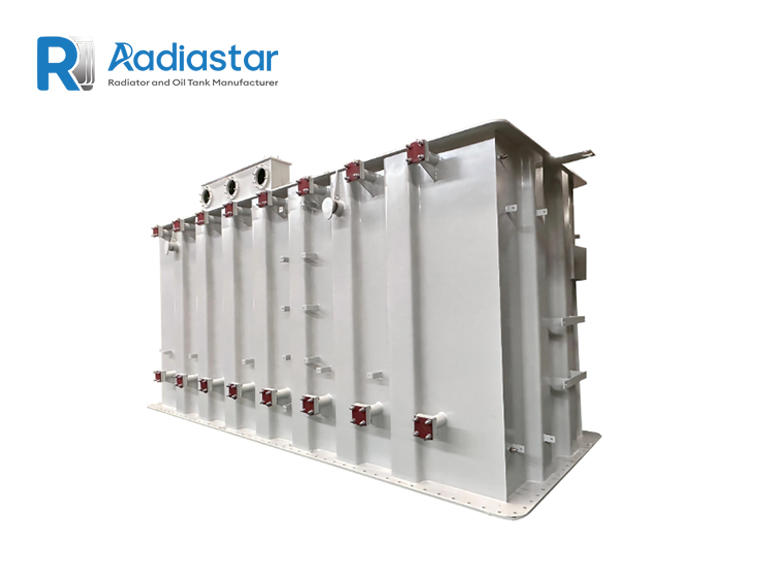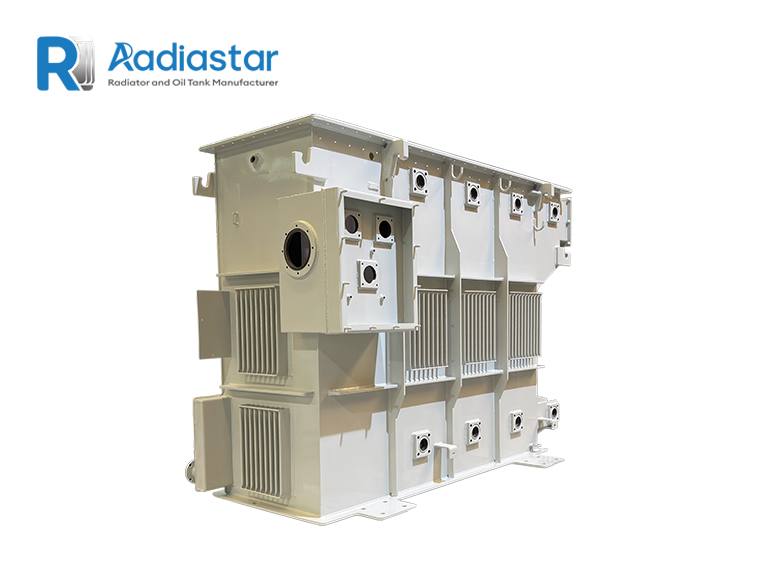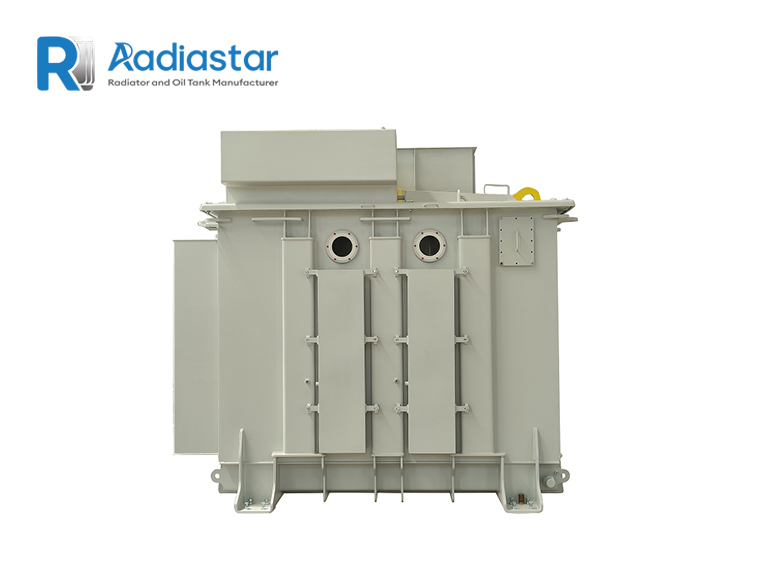

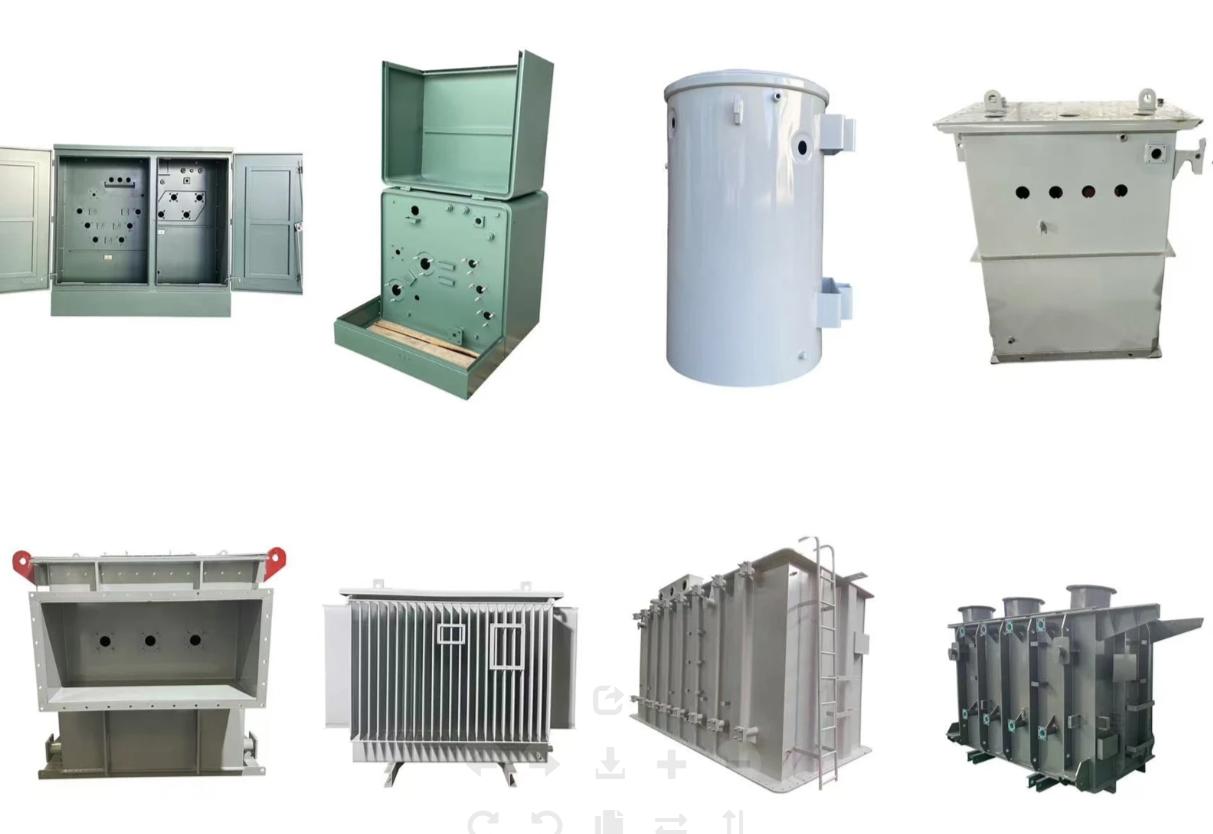
The transformer tank is the primary protective enclosure of a power transformer. It provides mechanical support, oil containment, cooling, and electrical insulation. Its manufacturing precision and reliability directly affect the service life and safety of the transformer.
As power systems move toward higher voltage, larger capacity, and smarter operation, transformer tank design and manufacturing face increasingly strict technical requirements. Lightweight structures, corrosion resistance, acid resistance, and enhanced sealing performance are now standard expectations in international procurement.
This article systematically analyzes transformer tank material selection, structural design, and detailed manufacturing processes, including cutting, welding, leak testing, surface treatment, and grounding system requirements. It also discusses current industry trends and explains how Radiastar, as an OEM transformer tank manufacturer, applies these principles in real production.
Whether you are a transformer factory looking for a reliable tank supplier, an EPC contractor preparing technical specifications, or a utility engineer evaluating tank quality, this guide provides the technical foundation you need.
Long-tail keyword: transformer tank structure design and manufacturing process
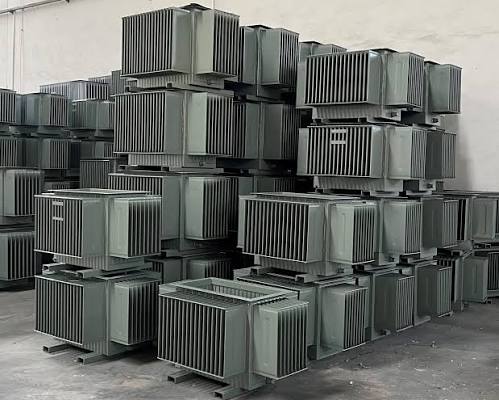
A transformer tank is far more than a steel box. It performs several critical functions:
The tank encloses the transformer core and windings, together with insulating oil. It protects these internal components from external contaminants such as dust, moisture, and chemical vapors. A well-sealed tank prevents moisture ingress, which would reduce dielectric strength and accelerate insulation aging.
The tank supports oil circulation and heat dissipation through its walls and attached cooling devices such as radiators, cooling tubes, or corrugated panels. The insulating oil inside the tank also provides electrical insulation between the windings and the grounded steel structure.
For larger transformers, the tank must be designed to allow efficient oil flow and avoid hot spots. This means that the internal geometry, baffles, and outlet positions must be carefully considered during design.
The tank must support the weight of the active part, including the core, windings, bushings, tap changer, and oil. During short-circuit events, it must also withstand electromagnetic forces that can create significant mechanical stress. Therefore, structural strength and stiffness are critical design parameters.
A modern transformer tank uses a sealed or semi-sealed design to prevent oil leakage and minimize oil-air contact. Some tanks are equipped with safety devices such as pressure relief valves, Buchholz relays, and explosion vents. These devices protect the tank from excessive internal pressure and provide early warning of internal faults.
Long-tail keyword: functions of transformer oil tank in power transformer
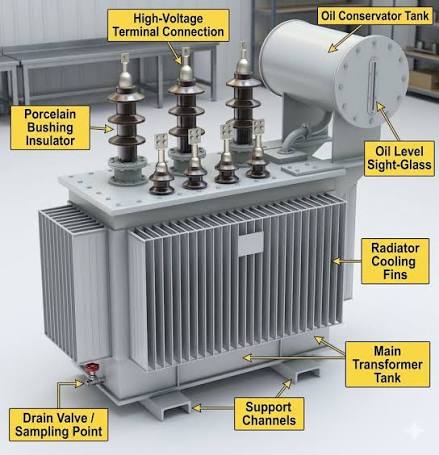
Material selection for a transformer tank depends on operating environment, durability, mechanical strength, corrosion resistance, and cost. The following are the most commonly used materials.
Mild steel is the most widely used material for transformer tanks because of its high strength, economic efficiency, and ease of fabrication. Common grades include Q235, S235JR, and ASTM A36.
Mild steel can withstand the internal pressure generated by thermal expansion of insulating oil. However, it has poor atmospheric corrosion resistance. Therefore, surface treatment such as shot blasting, epoxy primer, and polyurethane topcoat is required to improve weather resistance and service life.
Long-tail keyword: mild steel transformer tank surface treatment
In corrosive environments such as coastal areas, chemical plants, or high-humidity regions, stainless steel tanks are preferred. Stainless steel grades such as 304, 304L, 316, and 316L offer excellent rust and acid resistance. This significantly extends service life and reduces maintenance requirements, although the material cost is higher.
For transformer tanks exposed to acidic atmospheres or acidic oil, 316L stainless steel or an acid-resistant internal lining is often recommended. Radiastar provides both stainless steel fabrication and acid-resistant coating options.
Long-tail keyword: stainless steel transformer tank for corrosive environment
Several alternative materials can be used for special applications:
Galvanized Steel: Improves corrosion resistance through hot-dip zinc coating while balancing weight and cost.
Aluminum: A lightweight alternative, but requires careful evaluation of mechanical strength and oil compatibility.
Weathering Steel (Corten): Forms a stable protective rust layer in suitable atmospheric environments, allowing unpainted use.
Additional protective coatings or insulation layers can be applied to transformer tanks for extreme weather or chemical exposure.
Long-tail keyword: galvanized steel aluminum transformer tank material comparison
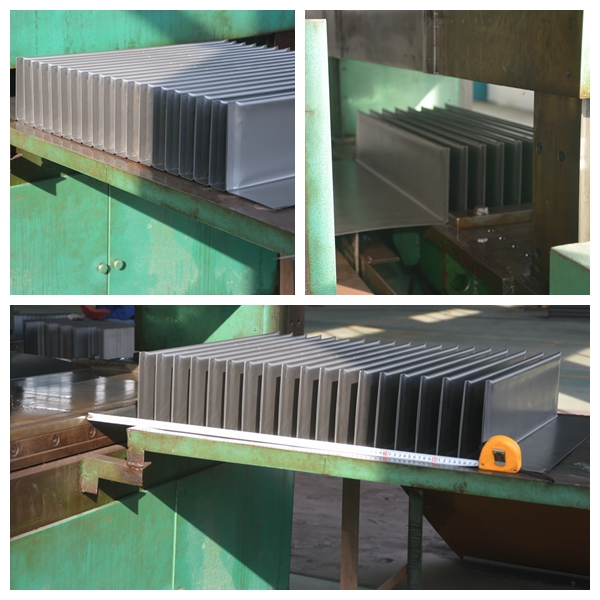
Transformer tanks are designed in several structural forms depending on transformer type, capacity, and cooling method.
Flat-Top Tanks: Used for smaller distribution transformers where simplicity and low cost are important.
Arched-Top Tanks: Common in medium and large transformers. The curved top enhances pressure resistance and directs gas toward the Buchholz relay.
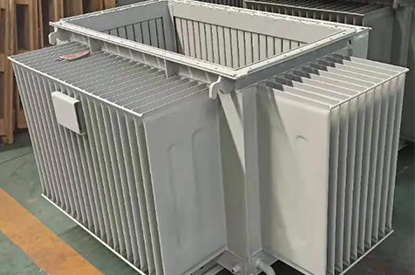
Corrugated Tanks: Use wave-shaped wall panels to absorb oil volume changes caused by thermal expansion. This design is maintenance-free and widely used in sealed distribution transformers.
Long-tail keyword: corrugated transformer tank oil expansion design
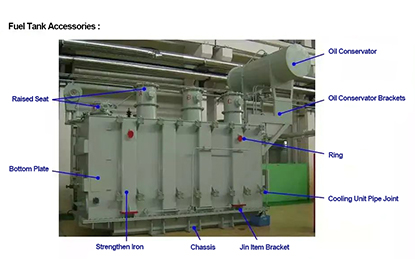
A complete transformer tank includes several functional attachments:
Cooling System: Welded cooling tubes, detachable radiators, or corrugated panels for heat dissipation.
Flanges and Sealing Surfaces: Precision-machined openings for bushings, oil level indicators, valves, and pressure relief devices.
Stiffeners: Reinforce side walls and base plates to prevent deformation under vacuum, pressure, and lifting loads.
Lifting Lugs and Jacking Points: Used for safe handling, transport, and installation.
Long-tail keyword: transformer tank accessories flanges cooling system
Radiastar engineers review each tank design to ensure accessory locations, weld accessibility, and sealing surfaces meet both customer drawings and production requirements.
Radiastar is a professional manufacturer of high-quality transformer tanks. We provide comprehensive OEM solutions for transformer factories, EPC contractors, and utility companies worldwide.
Our product range includes:
Single-Phase Pad-Mounted Transformer Tanks
Three-Phase Pad-Mounted Transformer Tanks
Single-Phase Pole-Mounted Transformer Tanks
Three-Phase Pole-Mounted Transformer Tanks
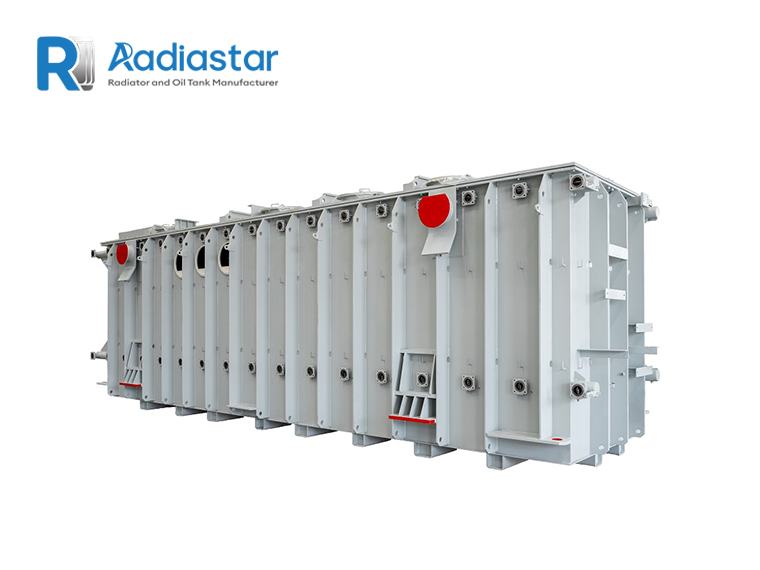
Substation Transformer Tanks
Distribution Transformer Tanks
Power Transformer Tanks
Special Transformer Tanks for traction, furnace, rectifier, and grounding transformers
Corrugated Transformer Tanks
New Energy Transformer Tanks
Custom Transformer Tanks built to customer specifications
Radiastar transformer tanks are precision-manufactured from high-grade materials to ensure excellent corrosion resistance, structural integrity, and thermal management. We support standard and custom designs, and we provide documentation packages including material certificates, welding records, pressure test reports, and coating inspection reports.
Long-tail keyword: OEM transformer tank manufacturer with full documentation
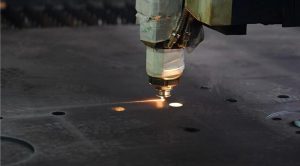

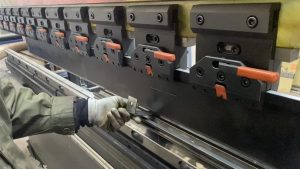
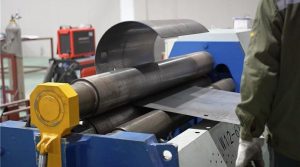

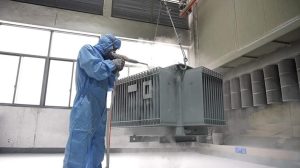
Radiastar follows a controlled manufacturing process for every transformer tank. The main steps are described below.
Laser/Plasma Cutting: High-precision cutting of steel plates with weld edge beveling, such as V-grooves. CNC cutting ensures dimensional accuracy and repeatability.
Quality Control: After cutting, burrs and flatness are checked to avoid welding defects and fit-up problems.
Long-tail keyword: laser cutting transformer tank steel plates
CNC Drilling: Used for flange holes and fastener holes. Tolerances are controlled within ±0.5 mm to ensure proper sealing.
Deburring: Sharp edges are removed after drilling to prevent gasket damage and improve safety.
Long-tail keyword: CNC drilling transformer tank flange holes
Press Brake: Forms right-angle bends on side plates. Bending radius is maintained at ≥2 times the material thickness to prevent cracking.
Plate Rolling Machine: Shapes curved sections for arched-top and corrugated tanks, ensuring accurate roundness and profile.
Long-tail keyword: press brake and plate rolling for transformer tank
For cylindrical or rounded tank sections, Radiastar uses high-precision plate rolling equipment with strict curvature control. The roundness error is maintained below 0.2%, which is essential for uniform stress distribution and proper fit-up of covers and flanges.
Long-tail keyword: cylinder rolling process transformer tank roundness control
Welding is the most critical process for leak-proof transformer tanks. Radiastar uses:
Submerged Arc Welding (SAW): For long straight seams with deep penetration and high deposition rates.
CO₂ Gas-Shielded Welding (MIG/MAG): For complex joints, nozzles, and attachments.
TIG Welding: For stainless steel tanks and root passes where high quality is required.
All welding is performed according to qualified WPS and PQR. Welders are certified to ISO 9606 or AWS D1.1. For critical welds, non-destructive testing such as dye penetrant, magnetic particle, ultrasonic, or radiographic testing is performed.
Long-tail keyword: submerged arc welding transformer tank seams
Angle Grinding: Weld seams are ground smooth and flush with the base metal where required.
Shot Blasting: The entire tank surface is blasted to Sa 2.5 or SSPC-SP 10 standard to remove mill scale, rust, and contaminants before coating.
Long-tail keyword: shot blasting transformer tank Sa 2.5 surface preparation
Radiastar uses a multi-stage cleaning system that combines mechanical and chemical methods:
100% weld seam inspection and slag removal
Ultrasonic testing to detect hidden defects
Final surface cleaning before coating to ensure maximum adhesion
Long-tail keyword: weld slag removal and ultrasonic testing transformer tank
Every transformer tank undergoes leak testing before shipment. The main methods include:
Pressure Test: The tank is pressurized with dry air to 0.03–0.05 MPa and held for a specified period. Soap solution or helium detection is used to identify leaks.
Vacuum Test: The tank is evacuated to a vacuum level below 133 Pa to verify sealing under negative pressure conditions.
Hydrostatic Test: When specified, the tank is filled with water and pressurized to verify both structural strength and leak tightness.
Long-tail keyword: transformer tank leak test pressure test vacuum test
Surface treatment protects the tank from corrosion and provides an aesthetic finish.
External Coating: Epoxy primer (80–120 μm) followed by polyurethane or polysiloxane topcoat. The total dry film thickness is specified according to the environmental corrosivity category, such as ISO 12944 C4 or C5.
Internal Treatment: Insulating varnish or passivation is applied to prevent oil contamination and protect the internal surface from acidic oil.
Acid-Resistant Lining: For tanks used in chemical environments or with acidic oil, special acid-resistant linings can be applied.
Long-tail keyword: epoxy polyurethane coating system for transformer tank
Transformer tank manufacturing is evolving rapidly. Radiastar follows key industry trends to improve quality and efficiency.
Hydroforming: Steel sheets are formed into wave shapes using hydraulic pressure, optimizing cooling depth and fin spacing.
Fatigue Testing: Corrugated panels are tested to simulate thermal cycling of ≥100,000 cycles, ensuring long-term durability and leak-free performance.
Long-tail keyword: hydroformed corrugated transformer tank fatigue testing
Coating-Free Options: Weathering steel, such as Corten, can be used for outdoor substations without painting, reducing VOC emissions and maintenance.
Modular Tanks: Designed for easy disassembly and recycling at the end of service life.
Long-tail keyword: eco-friendly transformer tank weathering steel
Robotic Welding: Vision-guided robotic welding improves consistency, reduces defects, and increases throughput for series production.
Digital Twin: Computer simulation of structural strength, thermal performance, and welding distortion is used to optimize tank design before production.
Long-tail keyword: robotic welding digital twin transformer tank manufacturing
Radiastar follows strict design requirements to meet international standards and customer expectations.
Transformer tanks are welded from high-strength steel plates. Internal magnetic shielding may be installed to reduce stray losses. Magnetic shielding must be firmly mounted and well insulated to prevent overheating or discharge caused by poor contact.
All electrical shielding must have good conductivity and reliable grounding to avoid floating potential discharge or influence on winding dielectric loss factor.
Long-tail keyword: magnetic shielding transformer tank stray losses
The tank top should be sloped to facilitate water drainage and direct gas accumulation toward the gas relay. All openings on the top should be equipped with raised flanges.
Vent plugs should be installed at the highest points of any potential gas pockets and connected through common piping to the gas relay. Additional collection pipes should be added on HV and MV bushing turrets and connected to the pipe between the tank and the gas relay.
The pipe leading to the gas relay should have a slope of 1.5%. The gas relay must have rain protection, and sampling pipes should extend to ground level for safe access.
Long-tail keyword: transformer tank top slope gas relay pipe design
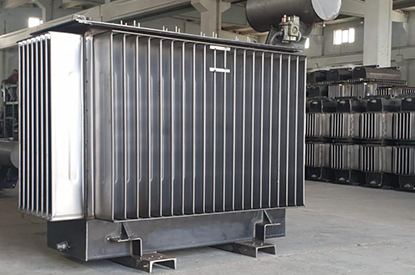
The bottom of the tank should have an external channel steel underframe that allows the transformer to be dragged along both its longitudinal and transverse axes.
The base should include towing devices and an anchoring system with anchor bolts to fix the transformer to a concrete foundation. The anchor system must withstand the equipment weight and inertial forces from seismic displacement. The manufacturer should submit bolt and fixing details for approval.
Long-tail keyword: transformer tank base channel steel seismic anchoring
Large tanks should be designed with a two-section assembly. If welding is used on site, reusable flanges and sealing gaskets must be provided to ensure airtightness and allow future disassembly.
Long-tail keyword: two-section transformer tank bolted flange design
Two grounding terminals should be installed diagonally at the bottom of the tank. The main purpose of tank grounding is personnel safety. If transformer insulation fails, leakage current will flow through the grounding system to earth, preventing electric shock hazards.
Long-tail keyword: transformer tank grounding terminals safety
A reliable grounding system is essential for every transformer tank. Radiastar designs and installs grounding systems according to the following requirements.
At least two grounding terminals should be installed diagonally at the bottom of the tank. The terminals should be made of galvanized steel or copper to prevent corrosion and ensure long-term conductivity.
Multi-strand copper cable or galvanized flat steel should be used with sufficient cross-section to withstand fault current. The minimum cross-section is typically 50 mm² for copper or 100 mm² for steel, according to national standards such as GB/T 50065.
The grounding resistance must be ≤4 Ω according to power system regulations. In high-resistivity soil, ground enhancement materials, deep electrodes, or additional rods are used to reduce resistance.
Terminals and conductors should be bolted or welded for low-impedance contact. If bolted, lock washers must be used to prevent loosening due to vibration.
Grounding components should be hot-dip galvanized or painted for corrosion resistance. Buried electrodes should be protected with PVC pipe or angle steel if subjected to mechanical stress.
The tank must be directly connected to the main grounding grid without series connections. The grounding path should be short and straight to minimize impedance.
Grounding resistance should be measured regularly to ensure compliance. Connections should be inspected for looseness, corrosion, or damage and repaired promptly.
Long-tail keyword: transformer tank grounding system design and testing
Radiastar integrates quality assurance into every stage of transformer tank manufacturing. Our quality system is designed to meet international procurement requirements and includes:
ISO 9001 quality management system
ISO 3834 welding quality requirements
ISO 14001 environmental management
ISO 45001 occupational health and safety
Material test certificates according to EN 10204 3.1
Welder qualifications according to ISO 9606 and AWS D1.1
Pressure test reports for every tank
Coating inspection reports with dry film thickness and adhesion results
We welcome customer audits, third-party inspections, and technical discussions with procurement and engineering teams. Radiastar can provide a complete quality dossier with each shipment, including as-built drawings, material traceability, welding records, NDT reports, pressure test reports, and coating certificates.
Long-tail keyword: transformer tank manufacturer ISO 9001 ISO 3834 certifications
Mild steel is the most common and cost-effective material for standard transformer tanks. For corrosive or acidic environments, stainless steel 316L or an acid-resistant lining is recommended. Corten steel may be used for unpainted outdoor applications.
Transformer tanks are tested using air pressure tests, vacuum tests, and hydrostatic tests. Soap solution or helium detection is used to identify leaks. Radiastar tests every tank before shipment and provides signed test reports.
A corrugated transformer tank uses wave-shaped wall panels that can flex with oil thermal expansion. This design eliminates the need for a conservator and is maintenance-free, making it popular for sealed distribution transformers.
Yes. Radiastar manufactures transformer tanks according to customer drawings and specifications. We provide design support, material selection, welding, coating, testing, export packaging, and full documentation packages.
Radiastar maintains ISO 9001, ISO 3834, ISO 14001, and ISO 45001 certifications. We also provide material test certificates, welder qualifications, and coating inspection reports with every order.
Transformer tank design and manufacturing is a multi-disciplinary engineering process that combines material science, structural design, welding technology, surface treatment, and quality testing. A well-manufactured tank protects the transformer active part, contains insulating oil, dissipates heat, and provides long-term reliability in demanding environments.
Radiastar is an experienced OEM transformer tank manufacturer with full in-house capability for cutting, forming, welding, surface treatment, leak testing, and export packaging. We produce tanks for distribution transformers, power transformers, pad-mounted transformers, pole-mounted transformers, substation transformers, and special applications.
Whether you need a standard design or a fully custom transformer tank with corrosion-resistant, acid-resistant, and leak-proof performance, Radiastar can provide a technical proposal, production schedule, and complete quality documentation.
Contact Radiastar today to discuss your transformer tank project.