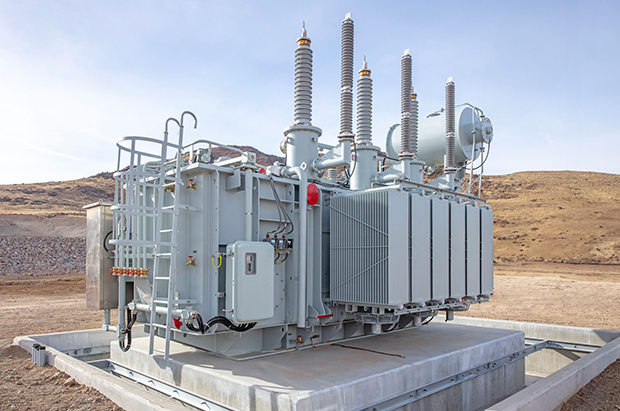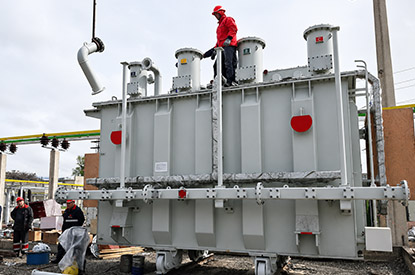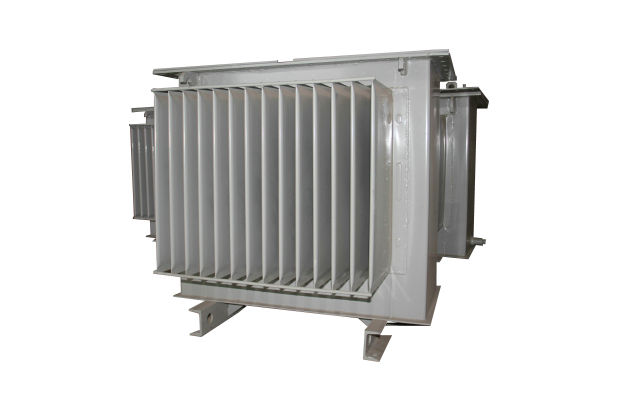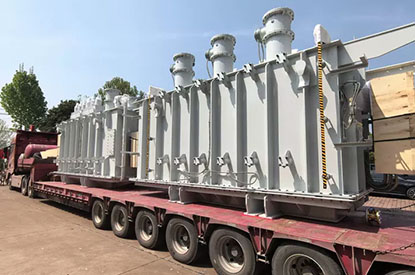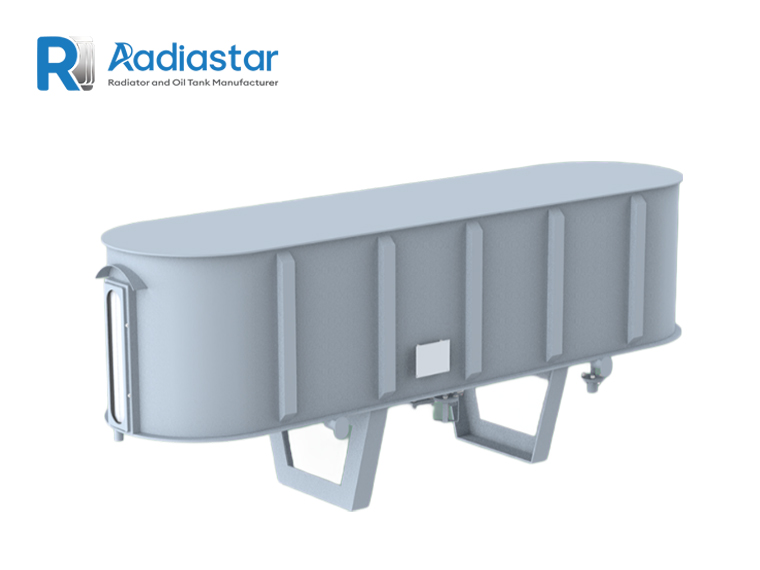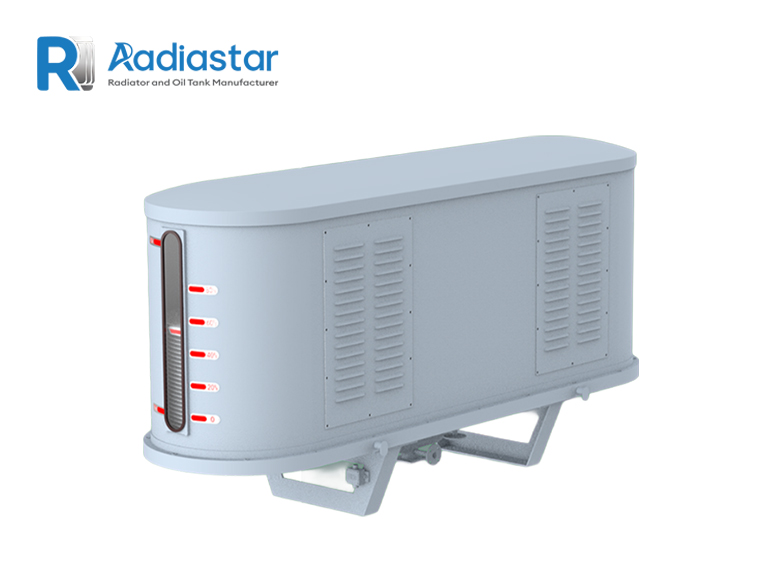

Transformer oil tanks are a critical component in power systems, ensuring the longevity and safe operation of electrical transformers. Modern transformer oil tank designs not only provide robust insulation for high-voltage applications but also optimize heat dissipation, reduce maintenance costs, and extend transformer lifespan. This guide explores the latest advancements in transformer oil tanks and their role in enhancing electrical safety and operational efficiency.
Keywords: Transformer Oil Tank, Electrical Safety, Efficiency, Power Transformer, Oil Tank Design
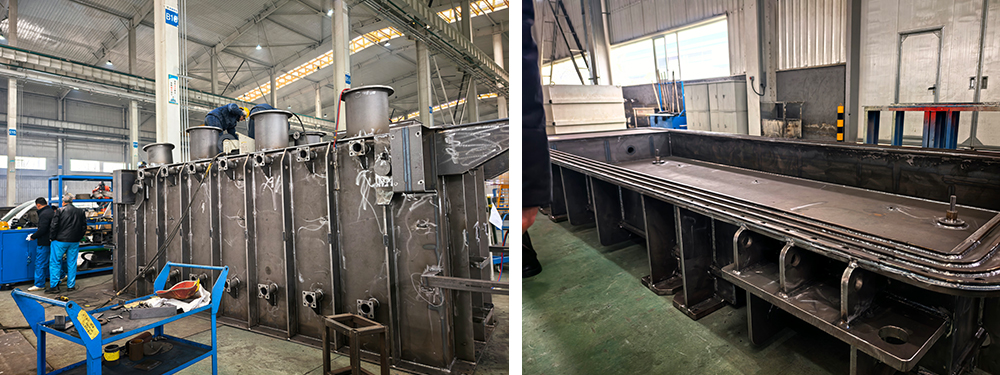
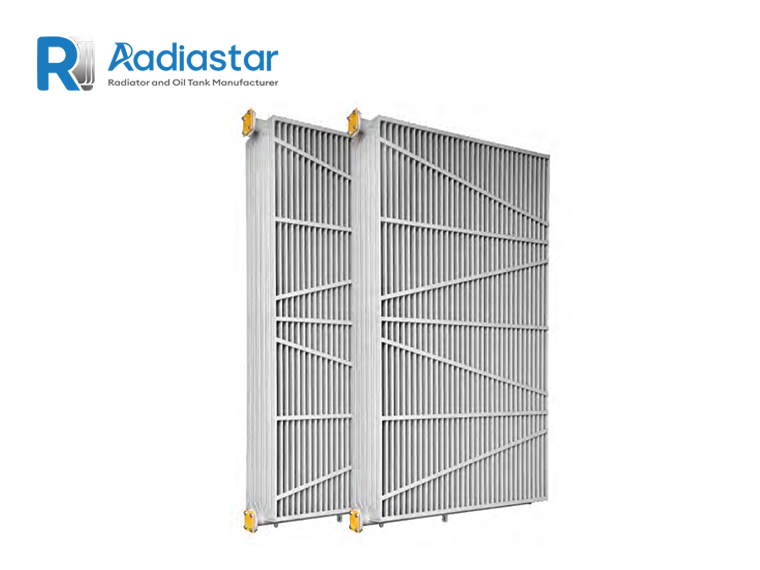
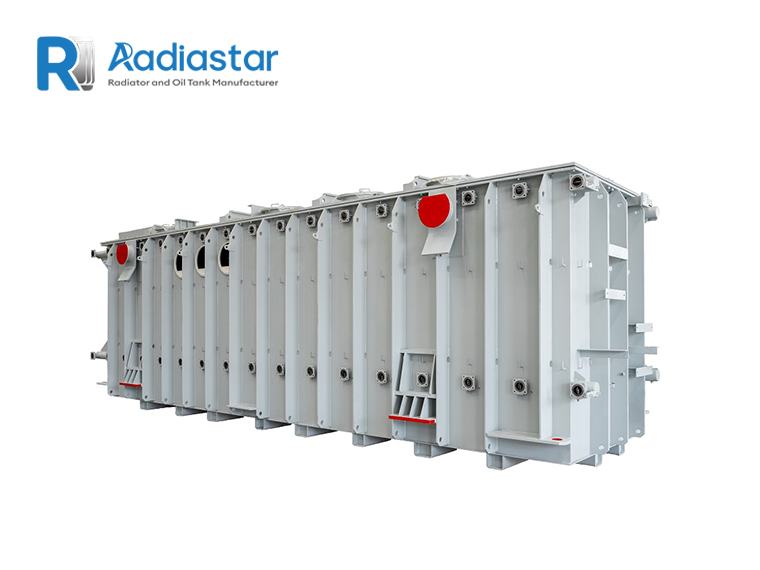
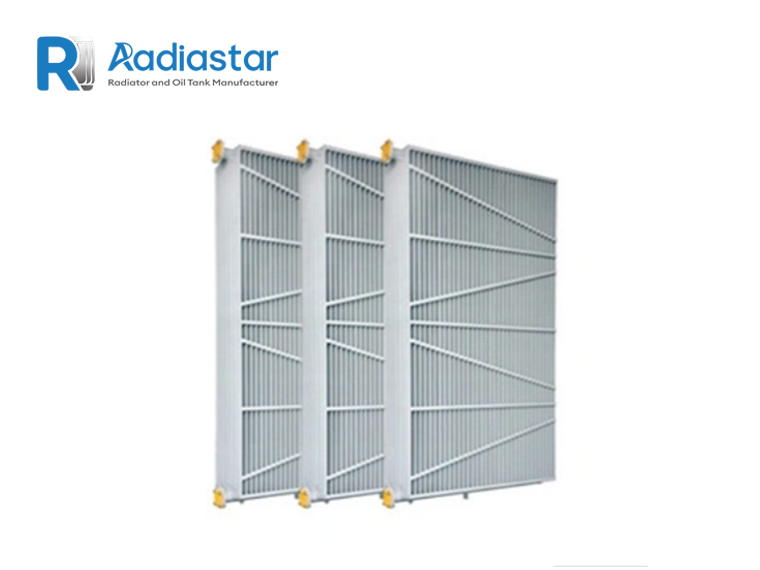
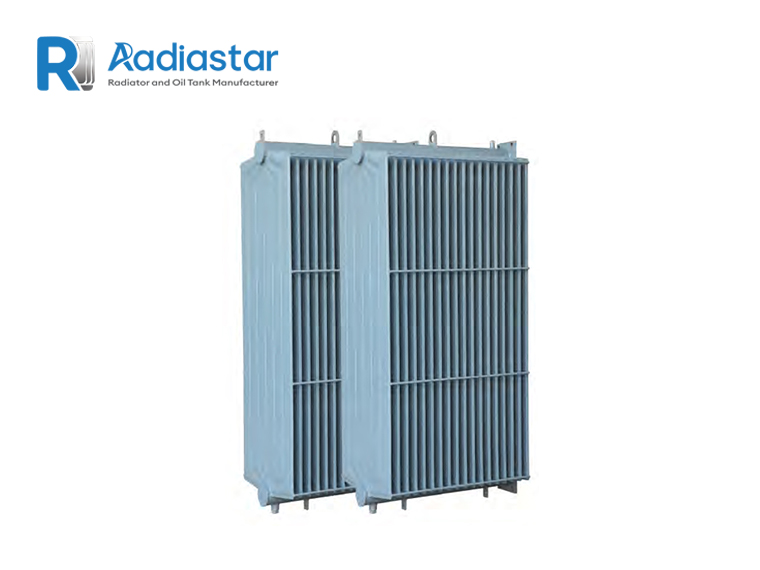
A transformer oil tank stores insulating oil that maintains the electrical insulation of a transformer while aiding heat dissipation. There are several types of oil tanks:
1.Conservator Oil Tanks – Allow oil expansion and contraction.
2.Hermetically Sealed Oil Tanks – Completely prevent air and moisture ingress.
3.Corrugated/Waveform Tanks – Offer thermal expansion management without extra conservator.
Materials Used: Stainless steel, carbon steel, and corrosion-resistant coatings ensure durability and compliance with IEC, ANSI, and JB/T standards.
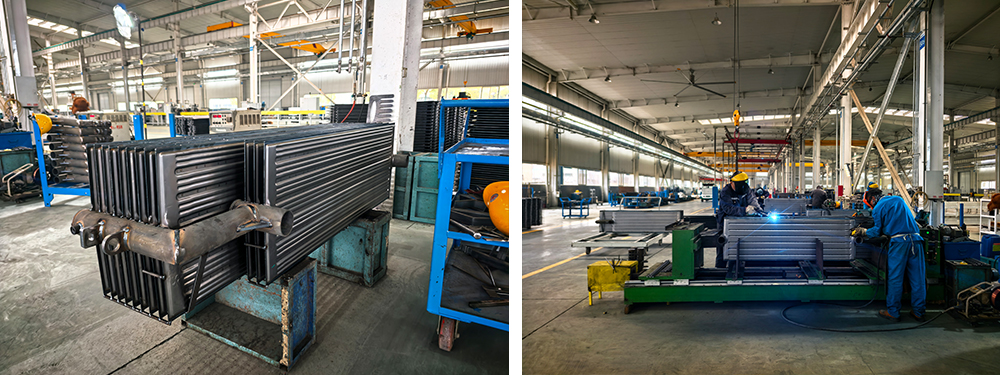
Modern transformer oil tanks incorporate multiple safety features:
Efficiency improvements in modern oil tanks include:
| Transformer kVA | Tank Volume (L) | Radiator Fins | Avg Temp Reduction (°C) |
| 500 | 450 | 6 | 8 |
| 1000 | 900 | 10 | 12 |
| 2000 | 1800 | 14 | 15 |
When selecting or designing an oil tank:
1.What is the lifespan of a transformer oil tank?
Typically 30–40 years, depending on material and operating environment.
2.Can oil tanks be customized for extreme climates?
Yes, they can be designed for cold, hot, humid, or coastal environments.
3.How often should oil levels be checked?
Intelligent sensors allow continuous monitoring, but manual checks every 3–6 months are recommended.
4.What materials are best for high-voltage applications?
Stainless steel with anti-corrosion coating is preferred for durability and safety.
5.Are remote monitoring systems available?
Yes, most modern tanks support IoT and 4–20 mA output for SCADA integration.