Introduction
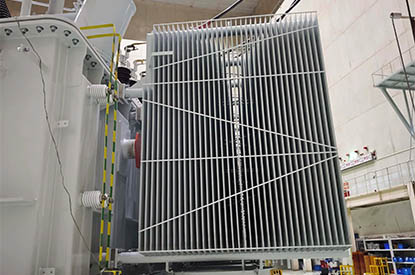
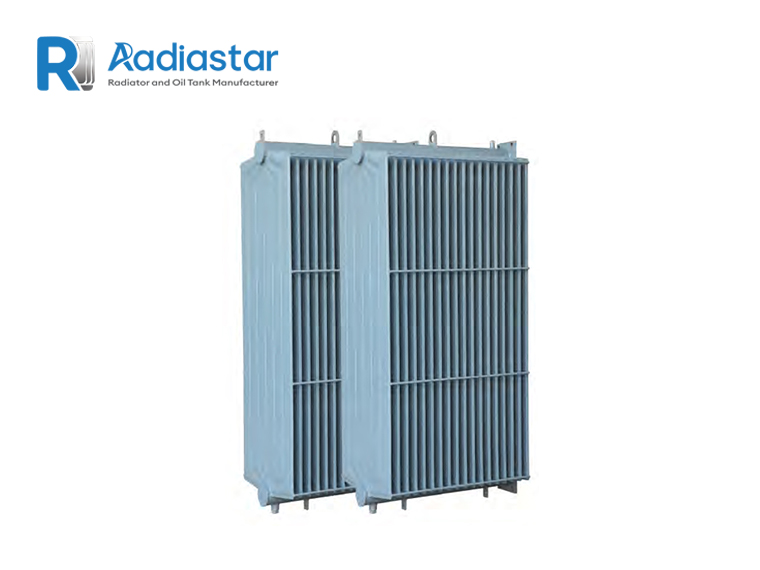
Transformer radiator fins are vital components for managing heat in power transformers. Excessive heat reduces insulation life and increases failure risk. Upgrading to high-efficiency radiator fins enhances thermal management, prolongs transformer lifespan, and improves operational reliability.
Understanding Transformer Radiator Fins
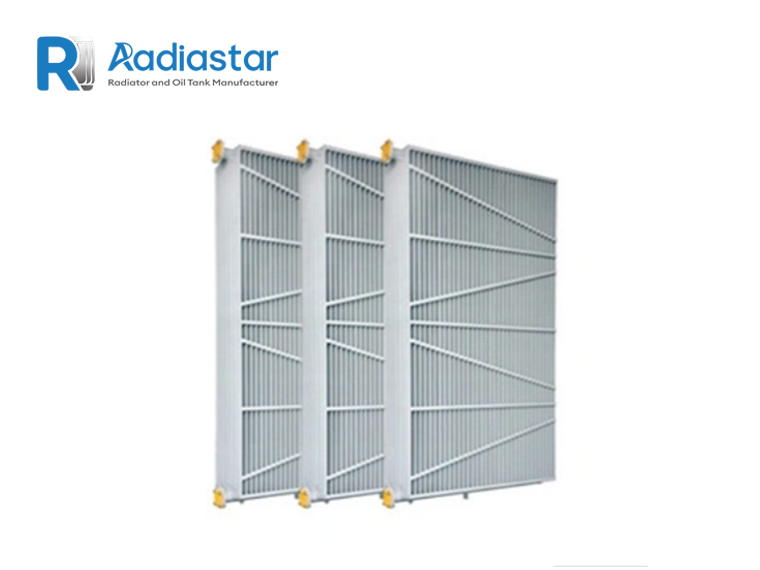
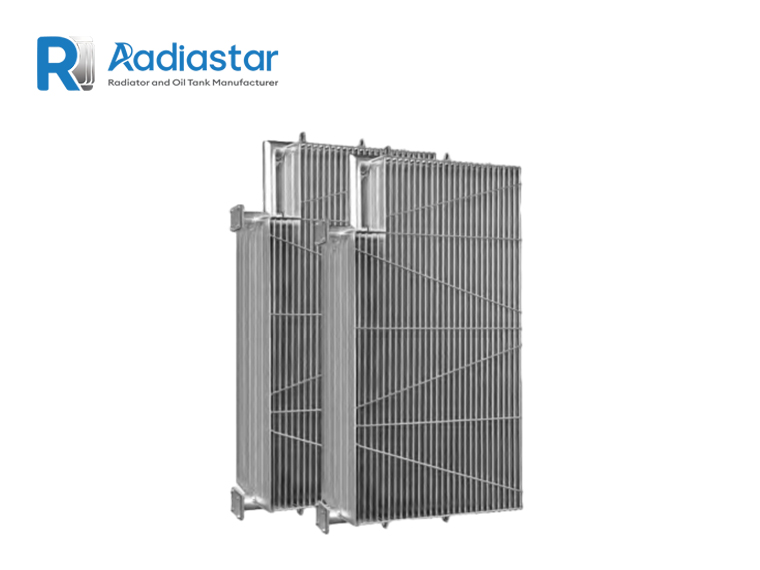
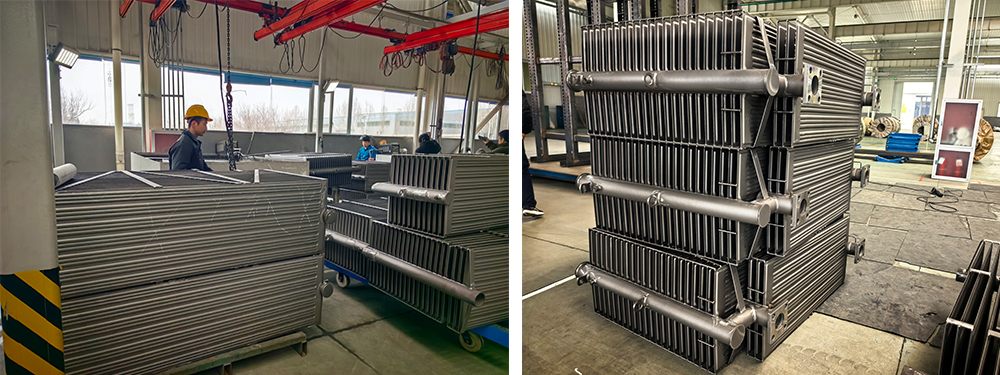
- Purpose: Radiator fins increase surface area for better heat dissipation from transformer oil.
- Types:
Straight Pipe Fins
Goose-neck Fins
Beveled Corner Fins - Materials: Stainless steel, galvanized steel, high-conductivity alloys
- Function: Remove heat efficiently, reduce temperature rise, maintain oil insulation integrity
How High-Efficiency Fins Improve Performance
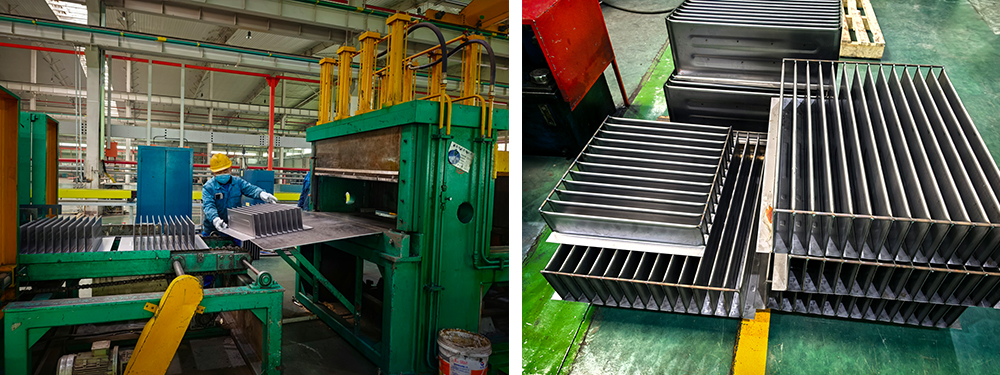
1.Improved Heat Dissipation: Optimized fin design lowers oil temperature.
2.Extended Transformer Lifespan: Reduced thermal stress prolongs insulation and winding life.
3.Lower Maintenance Costs: Less frequent oil replacement and reduced risk of thermal faults.
4.Energy Efficiency: Cooler oil ensures transformers operate near optimal efficiency.
Example Table: Radiator Fin Temperature Reduction
| Transformer kVA | Fin Type | Oil Temp Reduction (°C) | Maintenance Interval |
| 500 | Straight Pipe | 6 | 12 months |
| 1000 | Goose-neck | 10 | 18 months |
| 2000 | Beveled Corner | 14 | 24 months |
Design Considerations
- Fin Quantity & Spacing: Directly affects heat dissipation and oil circulation.
- Material Selection: Stainless steel resists corrosion; galvanized steel reduces costs.
- Transformer Compatibility: Must match tank size, oil volume, and operating conditions.
- Customization Options: Extreme temperature, coastal, or industrial chemical environments.
Modern Innovations
- Corrugated & Waveform Designs: Allow expansion and better heat transfer.
- Intelligent Monitoring: Temperature sensors integrated into fins for real-time monitoring.
- Hybrid Fin Systems: Combine multiple fin types for optimal cooling performance.
Installation & Maintenance
- Install fins with proper spacing and alignment for efficient airflow.
- Inspect for corrosion or deformation regularly.
- Clean fins periodically to maintain heat transfer efficiency.
FAQ
1.How often should radiator fins be inspected?
Typically every 6–12 months depending on environment.
2.Can radiator fins be retrofitted to existing transformers?
Yes, custom solutions are available.
3.What material is best for coastal environments?
Stainless steel or high-quality galvanization resists corrosion.
4.Do high-efficiency fins reduce oil temperature by how much?
Up to 10–15°C depending on design and transformer load.