
Transformer Cooling System Guide: Complete Engineering & Performance Optimization (2026 Ultimate Edition)

Author: Admin
Updated: Apr 21, 2026
Read: 6 views

๐Ÿ”ท Introduction

Transformer cooling systems are one of the most critical elements in ensuring safe and efficient transformer operation.
Regardless of whether you are working with a distribution transformer or a large power unit, the cooling system directly impacts:
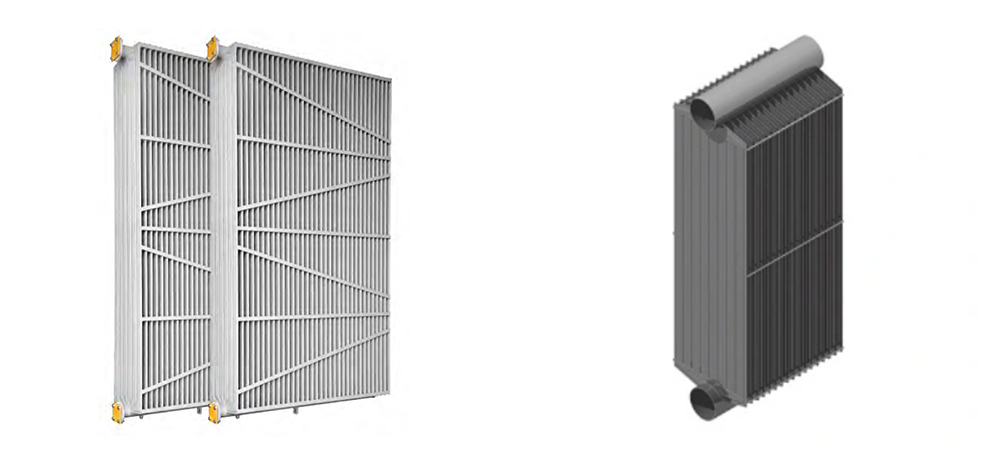
Transformer Cooling System Guide

  • Temperature control
  • Insulation life
  • Load capacity
  • Overall reliability

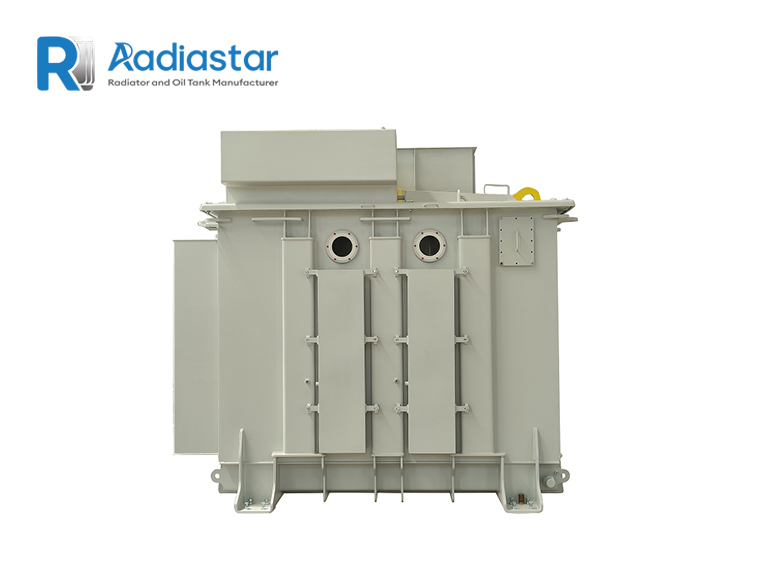
A properly designed cooling system works in combination with the transformer tank, such as a Transformer Oil Tank, to dissipate heat effectively.
In this guide, we will explore all major transformer cooling methods, engineering principles, and selection strategies.

๐Ÿ”ท 1. Why Transformer Cooling is Critical

Transformers generate heat due to:

  • Core losses
  • Copper losses

If heat is not removed:
โŒ Insulation degrades
โŒ Oil deteriorates
โŒ Equipment fails

Transformer Cooling System Guide

๐Ÿ”ท 2. Basic Cooling Principles

๐Ÿ”น Heat Transfer Mechanisms

Transformer cooling relies on:
1.Conduction
2.Convection
3.Radiation

โœ” Key Concept:
Heat moves from:
Windings โ†’ Oil โ†’ Tank โ†’ Air

โœ” Formula Concept
Q = U ร— A ร— ฮ”T
Where:
๏‚ทQ = heat dissipation
๏‚ทU = heat transfer coefficient
๏‚ทA = surface area
๏‚ทฮ”T = temperature difference
Larger surface area = better cooling

๐Ÿ”ท 3. Types of Transformer Cooling Systems

๐Ÿ”น 1. ONAN (Oil Natural Air Natural)

โœ” Description

  • Oil circulates naturally
  • Air cools the tank naturally

โœ” Features

  • No fans or pumps
  • Simple design
  • Low maintenance

โœ” Applications

  • Small transformers
  • Distribution systems

๐Ÿ”น 2. ONAF (Oil Natural Air Forced)

โœ” Description

  • Oil circulates naturally
  • Fans force air cooling

โœ” Features

  • Improved cooling
  • Increased capacity

โœ” Applications

  • Medium transformers
  • Urban substations

๐Ÿ”น 3. OFAF (Oil Forced Air Forced)

โœ” Description

  • Oil pumped through system
  • Fans provide forced air cooling

โœ” Features

  • High cooling efficiency
  • Suitable for large transformers

โœ” Applications

  • Power transformers
  • Industrial plants

๐Ÿ”น 4. OFWF (Oil Forced Water Forced)

โœ” Description

  • Oil cooled using water heat exchangers

โœ” Features

  • Very high efficiency
  • Compact design

โœ” Applications

  • Large power plants
  • Special installations

๐Ÿ”ท 4. Cooling System vs Transformer Size

Transformer Size Cooling Type
Small ONAN
Medium ONAF
Large OFAF
Extra Large OFWF

๐Ÿ‘‰ Cooling system must match transformer capacity.

๐Ÿ”ท 5. Role of Transformer Oil in Cooling

Transformer oil acts as:

  • Heat transfer medium
  • Insulation material

โœ” Functions:

  • Absorbs heat from windings
  • Transfers heat to tank
  • Prevents electrical breakdown

๐Ÿ”ท 6. Role of Transformer Tank in Cooling

The transformer tank plays a major role in cooling performance.
A properly designed Transformer Oil Tank Manufacturer improves:

  • Heat dissipation
  • Surface area
  • Cooling efficiency

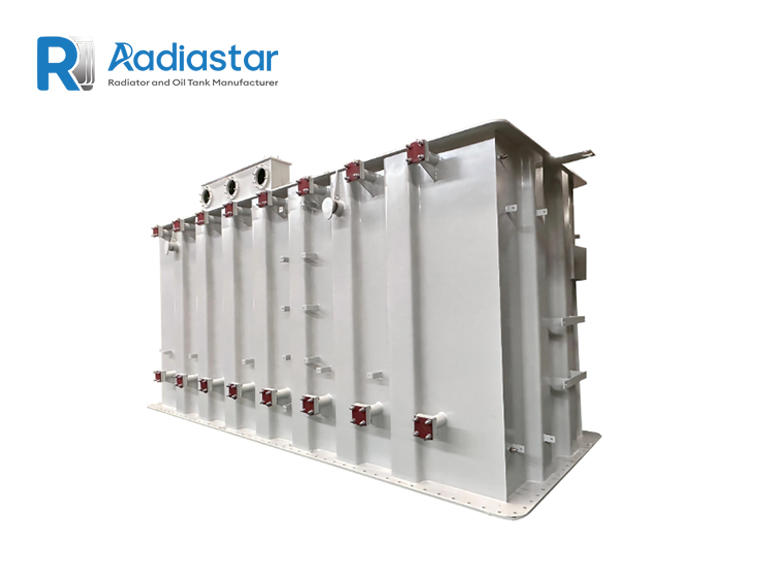
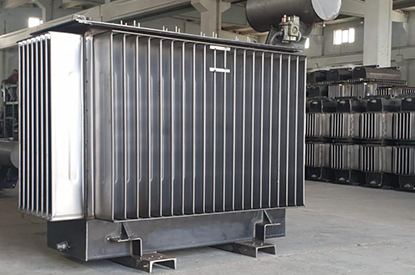
๐Ÿ”ท 7. Corrugated Tank Cooling Design

โœ” Features:

  • Integrated cooling fins
  • Increased surface area
  • Natural convection

โœ” Advantages:

  • Compact
  • Cost-effective
  • Maintenance-free

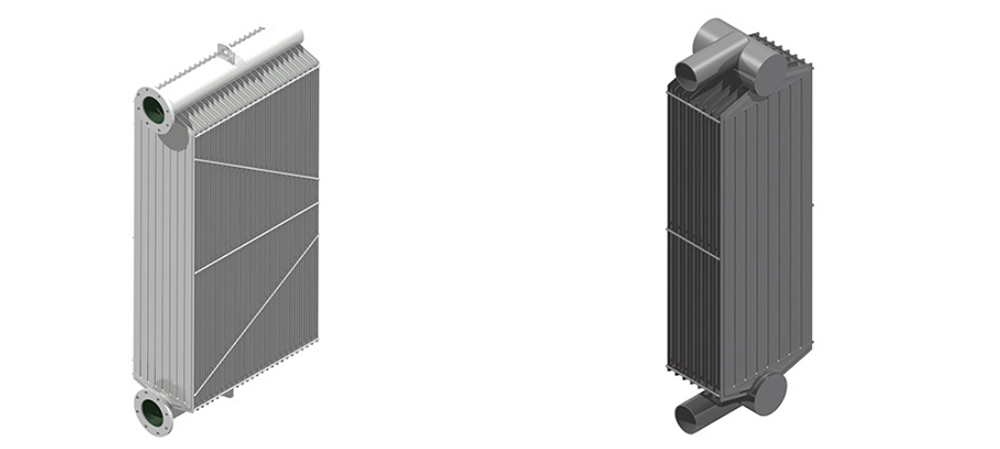
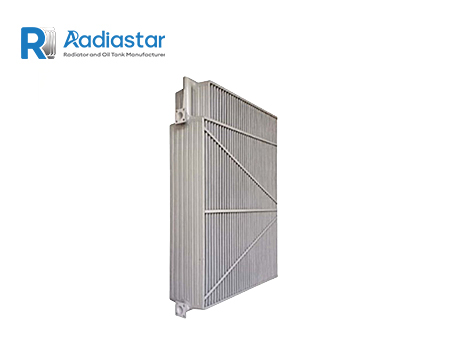
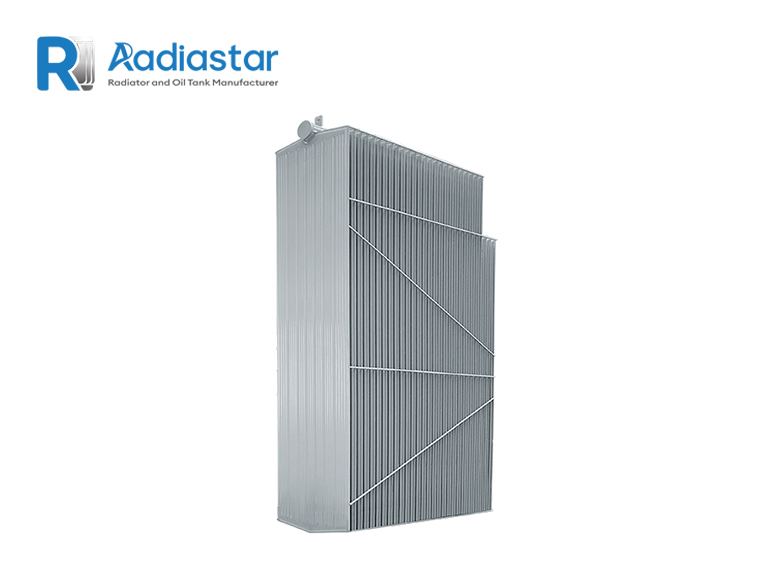
๐Ÿ”ท 8. Radiator Cooling Design

โœ” Features:

  • External radiator panels
  • Large heat dissipation area
  • Supports fans

โœ” Advantages:

  • High cooling capacity
  • Suitable for large transformers

๐Ÿ”ท 9. Cooling Surface Area Optimization

โœ” Why Surface Area Matters
More surface area = better heat dissipation

โœ” Methods to Increase Area

  • Add corrugated fins
  • Install radiators
  • Increase tank size

๐Ÿ”ท 10. Cooling Efficiency Factors

โœ” Key Factors:

  • Ambient temperature
  • Airflow speed
  • Oil viscosity
  • Tank design
  • Material conductivity

๐Ÿ”ท 11. Temperature Rise Limits

Transformers are designed with temperature limits:

  • Winding temperature
  • Oil temperature
  • Ambient temperature

Exceeding limits reduces lifespan.

๐Ÿ”ท 12. Cooling System Design Considerations

โœ” Load Conditions

  • Continuous load
  • Peak load

โœ” Environment

  • Indoor
  • Outdoor
  • High altitude

๐Ÿ”ท 13. Cooling System Selection Guide

โœ” Step 1: Define Transformer Capacity
โœ” Step 2: Determine Heat Loss
โœ” Step 3: Choose Cooling Type
โœ” Step 4: Evaluate Environment
โœ” Step 5: Optimize Design

๐Ÿ”ท 14. Cooling Fans and Pumps

โœ” Cooling Fans

  • Improve airflow
  • Increase heat dissipation

โœ” Oil Pumps

  • Circulate oil
  • Improve heat transfer

๐Ÿ”ท 15. Cooling System Maintenance

โœ” Regular Checks:

  • Fan operation
  • Oil condition
  • Temperature sensors

๐Ÿ”ท 16. Common Cooling System Problems

โŒ Fan failure
โŒ Oil leakage
โŒ Poor airflow
โŒ Blocked radiators

๐Ÿ”ท 17. Advanced Cooling Technologies

โœ” Smart Cooling Systems

  • Automatic fan control
  • Temperature sensors

โœ” Hybrid Cooling Systems

  • Combined methods for efficiency

๐Ÿ”ท 18. Cooling System and Energy Efficiency

Efficient cooling reduces:

  • Energy loss
  • Overheating
  • Maintenance cost

๐Ÿ”ท 19. Industry Trends in Cooling Systems

  • Compact cooling systems
  • Smart monitoring
  • High-efficiency designs
  • Eco-friendly solutions

๐Ÿ”ท 20. Choosing the Right Cooling System

โœ” Consider:

  • Transformer size
  • Load conditions
  • Environment
  • Budget

A professional Transformer Oil Tank Manufacturer can help design the optimal system.

๐Ÿ”ท Frequently Asked Questions (FAQ)

Q1: What is the most common cooling system?
A: ONAN is the most widely used for small transformers.

Q2: Which cooling system is best?
A: It depends on applicationโ€”OFAF is best for large transformers.

Q3: Can cooling systems be upgraded?
A: Yes, systems can be upgraded with fans or pumps.

Q4: What happens if cooling fails?
A: Transformer overheating and failure.

Q5: How to improve cooling efficiency?
A: Increase surface area and improve airflow.
Share:

Submit Technical Specifications/Drawings โ€” Get a Quote Now๏ผ

If you are interested in our products,, please send us a message and we will contact you as soon as we receive it. Email: info@radiastar.com whatsApp:ย +86 16650273776

    Related Product

    +86 16650273776
    info@radiastar.com
    +86 16650273776

    Quick Quote Submission

    Fill the form for transformer tank & radiator quotes. Fast reply guaranteed.

      X