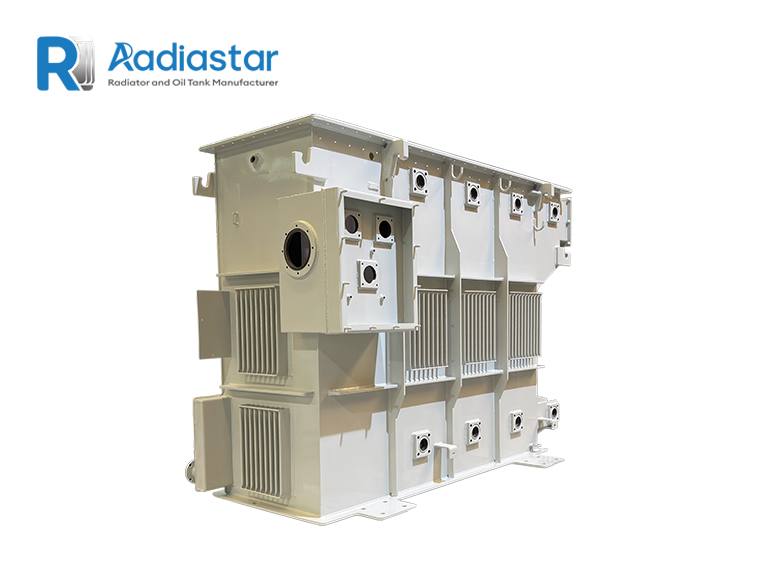

Transformer Oil Tank Installation Guide: Complete Engineering & Field Installation Manual

Author: Admin
Updated: Apr 21, 2026
Read: 5 views

🔷 Introduction

Proper installation of a transformer oil tank is critical to ensuring:

  • Structural integrity
  • Cooling efficiency
  • Leak prevention
  • Long-term reliability

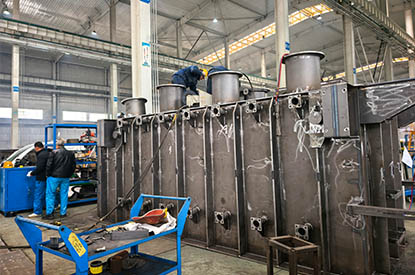
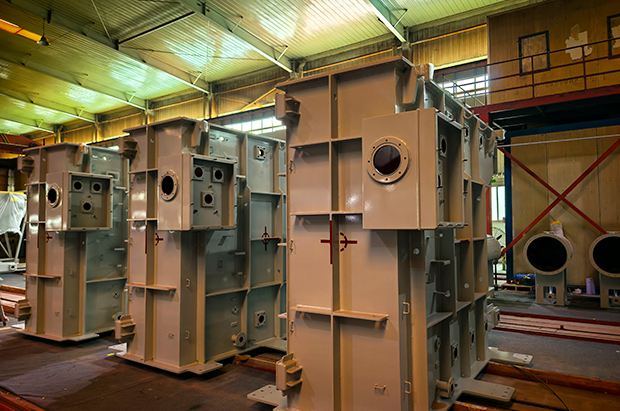
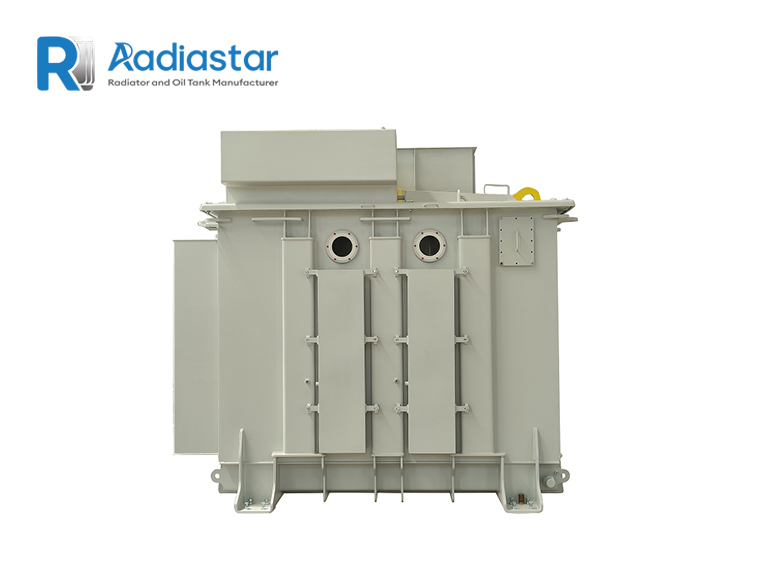
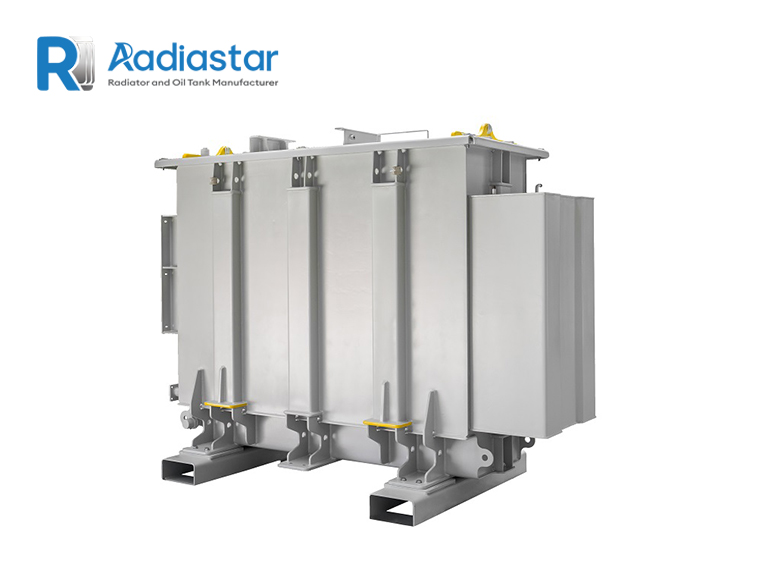
Even the highest-quality tank, such as a Transformer Oil Tank, can fail if installation is not performed correctly.
This guide provides a complete step-by-step engineering and field installation procedure used by professionals worldwide.
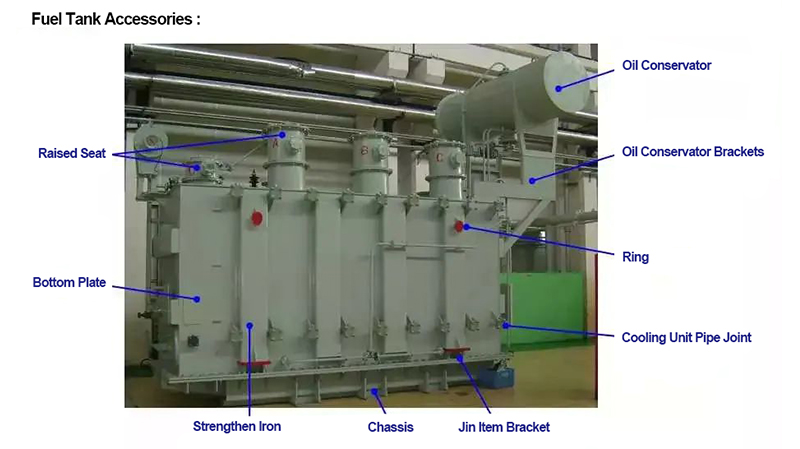
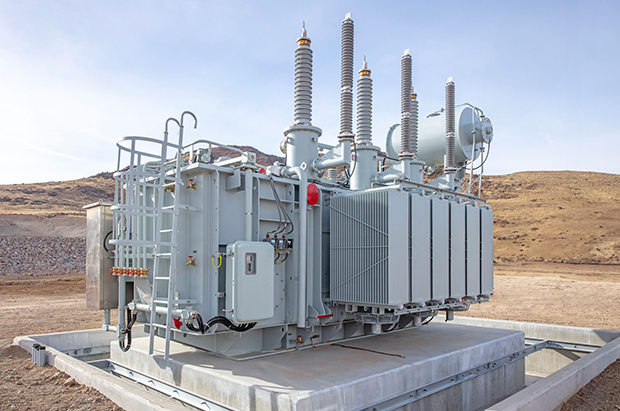
Transformer Oil Tank Installation Guide

🔷 1. Importance of Correct Installation

✔ Why Installation Matters
A transformer oil tank is not just a container—it is a critical structural and cooling component.
Improper installation can lead to:
❌ Oil leakage
❌ Mechanical deformation
❌ Cooling inefficiency
❌ Electrical failure

✔ Key Principle
👉 Installation quality directly affects transformer lifespan.
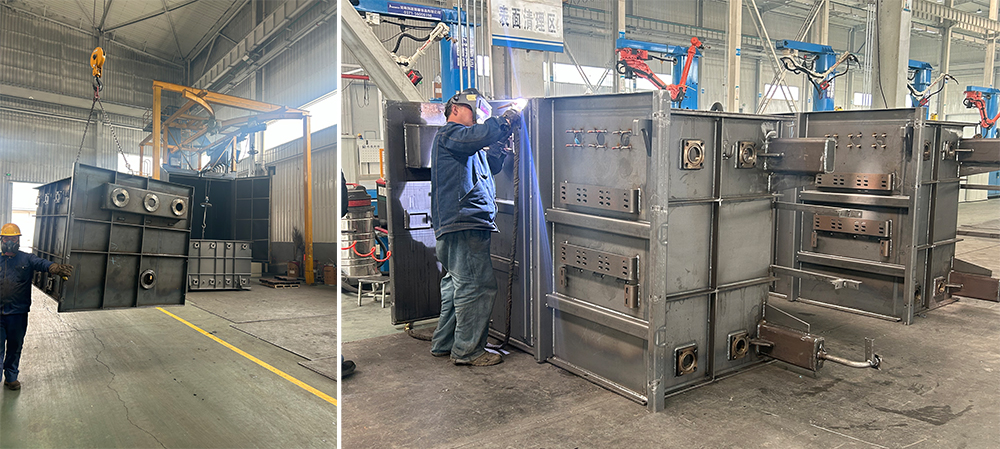
Transformer Oil Tank Installation Guide

🔷 2. Pre-Installation Planning

✔ Step 1: Site Assessment

  • Ground level flatness
  • Load-bearing capacity
  • Environmental conditions

✔ Step 2: Equipment Preparation

  • Crane
  • Lifting tools
  • Torque wrench
  • Leveling tools

✔ Step 3: Technical Review:

  • Engineering drawings
  • Tank dimensions
  • Cooling configuration

Use a properly designed Transformer Oil Tank Manufacturer to ensure compatibility with installation requirements.

🔷 3. Safety Requirements

⚠️ Mandatory Safety Measures

  • Wear PPE (helmet, gloves, boots)
  • Use certified lifting equipment
  • Ensure grounding
  • Follow electrical safety protocols

⚠️ High-Risk Areas

  • Lifting operations
  • Tank positioning
  • Welding (if required)

🔷 4. Transportation to Site

✔ Handling Requirements

  • Avoid impacts
  • Protect tank surface
  • Maintain balance

✔ Lifting Points

  • Use designated lifting lugs
  • Avoid random lifting

🔷 5. Lifting and Positioning

✔ Step-by-Step Process

1.Attach lifting cables
2.Check balance
3.Lift slowly
4.Move into position
5.Lower carefully

✔ Critical Notes

  • Avoid sudden movements
  • Maintain horizontal alignment

🔷 6. Foundation Preparation

✔ Requirements

  • Flat surface
  • Reinforced concrete base
  • Proper drainage

✔ Importance
👉 Foundation ensures:

  • Stability
  • Load distribution
  • Vibration reduction

🔷 7. Tank Alignment

✔ Alignment Check

  • Horizontal level
  • Vertical positioning

✔ Tools Used

  • Spirit level
  • Laser alignment tools

🔷 8. Mechanical Installation

✔ Mounting Procedure

  • Secure bolts
  • Tighten according to torque specs
  • Install vibration pads if needed

✔ Bolt Tightening Sequence

  • Cross pattern tightening
  • Gradual torque application

🔷 9. Oil Filling Process

✔ Steps
1.Check oil quality
2.Filter oil
3.Fill slowly
4.Monitor level

✔ Important

  • Avoid air bubbles
  • Ensure cleanliness

🔷 10. Sealing and Leak Testing

✔ Methods

  • Pressure test
  • Vacuum test

✔ Leak Inspection Points

  • Weld joints
  • Flanges
  • Valves

🔷 11. Cooling System Installation

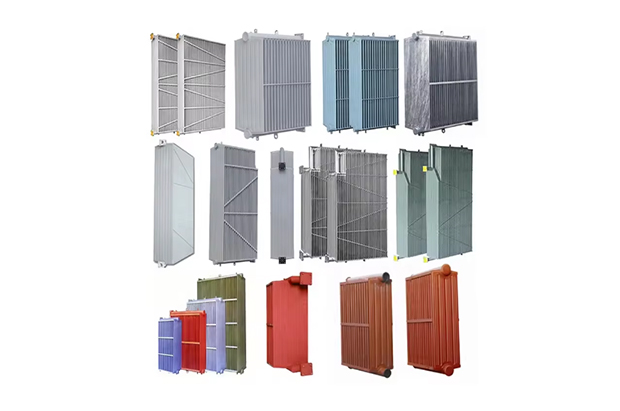
Cooling components such as fans or radiators must be installed correctly.

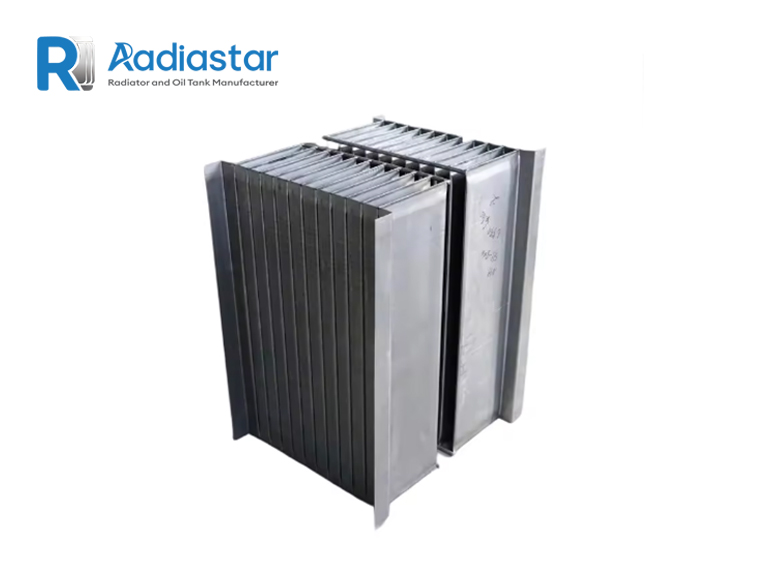
✔ For Corrugated Tanks

  • Ensure fin alignment
  • No obstruction

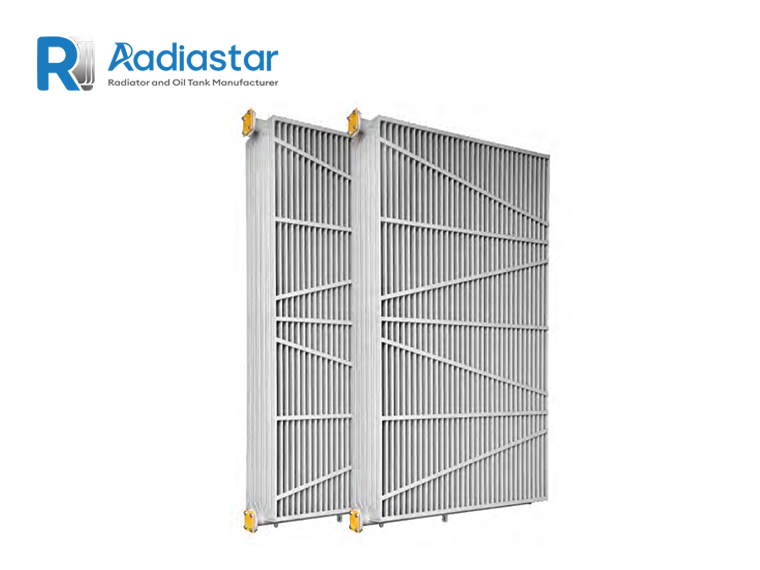
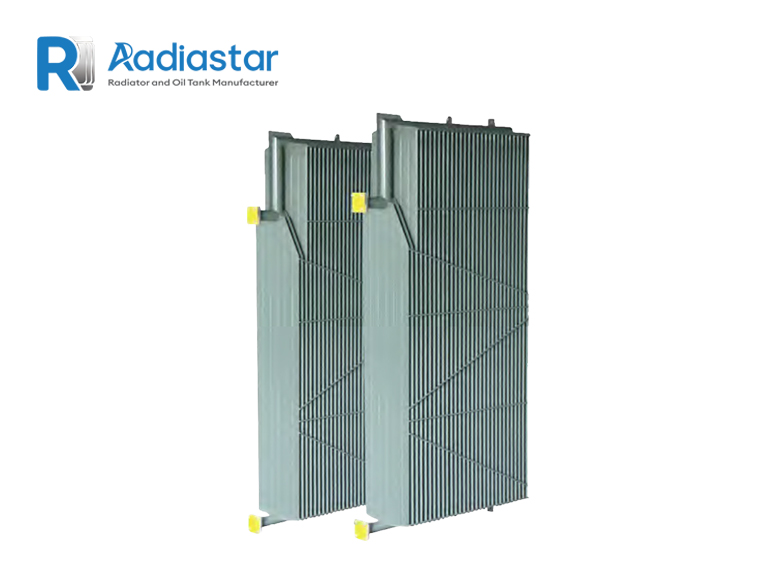
✔ For Radiator Systems

  • Install radiator panels
  • Connect pipelines

Cooling performance depends on tank design like a Transformer Oil Tank.

🔷 12. Electrical Connections

✔ Key Points

  • Proper grounding
  • Insulation integrity
  • Secure wiring

🔷 13. Accessory Installation

✔ Common Accessories

  • Oil level gauge
  • Temperature sensor
  • Pressure relief valve

🔷 14. Inspection Before Commissioning

✔ Checklist
✔ No oil leakage
✔ All bolts tightened
✔ Proper grounding
✔ Cooling system ready

🔷 15. Commissioning Process

✔ Steps

1.Energize transformer
2.Monitor temperature
3.Check oil circulation
4.Verify cooling operation

🔷 16. Common Installation Mistakes

❌ Improper alignment
❌ Loose bolts
❌ Poor sealing
❌ Incorrect oil filling
❌ Ignoring cooling system

🔷 17. Installation Time Estimation

Tank Size Installation Time
Small 1–2 days
Medium 2–4 days
Large 3–7 days

🔷 18. Installation Cost Factors

✔ Influencing Factors

  • Tank size
  • Labor cost
  • Equipment usage
  • Site conditions

🔷 19. Environmental Considerations

  1. Temperature
  2. Humidity
  3. Altitude

These factors affect installation and performance.

🔷 20. Maintenance After Installation

✔ Routine Checks

  • Oil level
  • Cooling system
  • Bolt tightening

🔷 21. Long-Term Performance Optimization

✔ Key Strategies

  • Proper ventilation
  • Regular inspections
  • Cooling efficiency optimization

🔷 22. Installation for Different Tank Types

✔ Corrugated Tank

  • Direct installation
  • Natural cooling

✔ Radiator Tank

  • Additional radiator assembly
  • Higher cooling capacity

🔷 23. Compliance and Standards

Ensure installation follows:

  • IEC standards
  • ANSI standards
  • Local regulations

🔷 24. Professional Installation Services

Working with an experienced Transformer Oil Tank Manufacturer ensures:
✔ Proper design compatibility
✔ Reduced risk
✔ Faster commissioning

🔷 Frequently Asked Questions (FAQ)

Q1: How long does installation take?
Depends on size—typically 1 to 7 days.

Q2: Can installation be done on-site?
Yes, especially for large transformers.

Q3: What is the most critical step?
Alignment and sealing are most critical.

Q4: Do I need special tools?
Yes—cranes, torque tools, and alignment equipment.

Q5: What causes installation failure?
Poor alignment, leakage, or improper handling.
Share:

Submit Technical Specifications/Drawings — Get a Quote Now!

If you are interested in our products,, please send us a message and we will contact you as soon as we receive it. Email: info@radiastar.com whatsApp: +86 16650273776

    Related Product

    +86 16650273776
    info@radiastar.com
    +86 16650273776

    Quick Quote Submission

    Fill the form for transformer tank & radiator quotes. Fast reply guaranteed.

      X