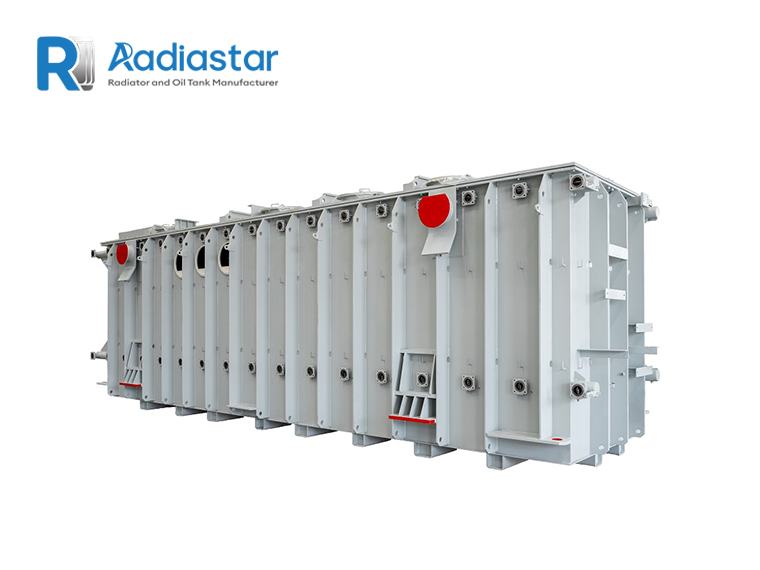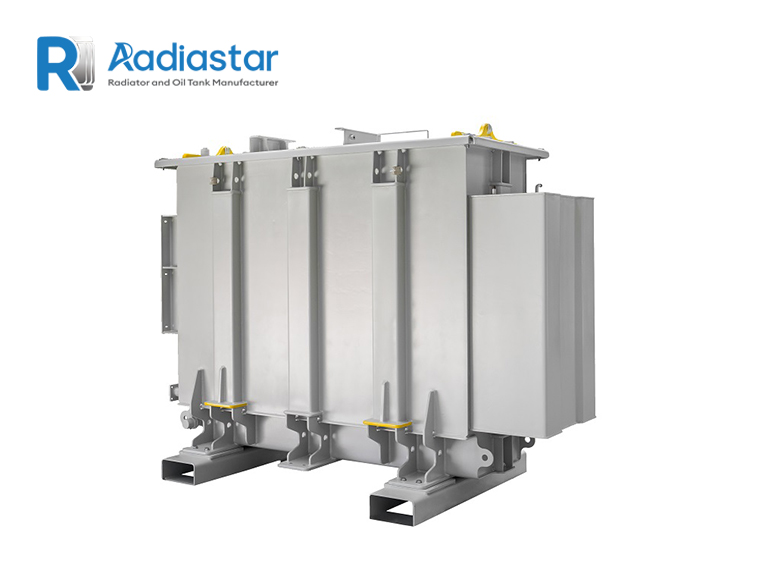

Transformer Oil Tank Materials Guide

Author: Admin
Updated: Apr 22, 2026
Read: 4 views

Introduction

The material used in a transformer oil tank is one of the most critical factors affecting:

  • Structural strength
  • Corrosion resistance
  • Cooling performance
  • Service life
  • Safety and reliability

A transformer oil tank is not just a container—it is a precision-engineered structural component.

A high-quality Transformer Oil Tank must withstand:

  • Internal oil pressure
  • Thermal expansion
  • External environmental conditions

This guide provides a complete engineering-level breakdown of materials used in transformer oil tanks and how to choose the right one.
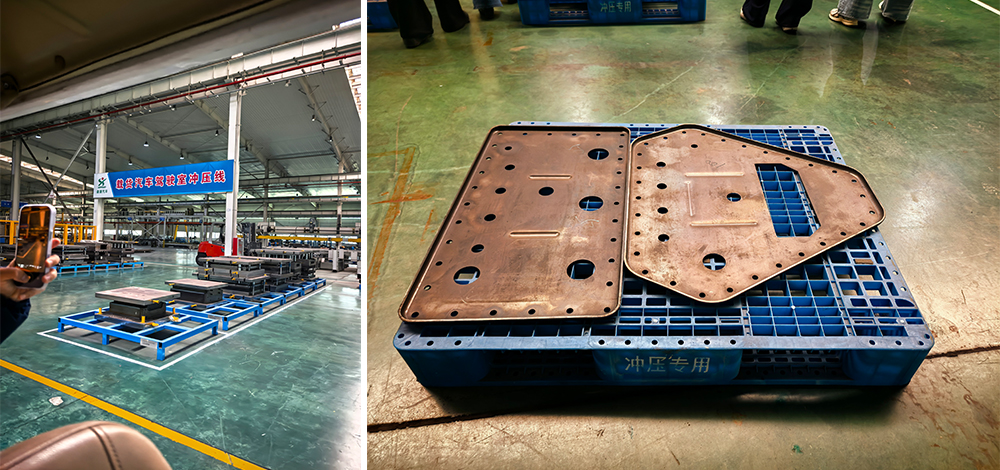
Transformer Oil Tank Materials Guide

🔷 1. Why Material Selection is Critical

Choosing the wrong material can lead to:

❌ Oil leakage
❌ Structural deformation
❌ Corrosion failure
❌ Reduced transformer lifespan

Material determines long-term reliability.
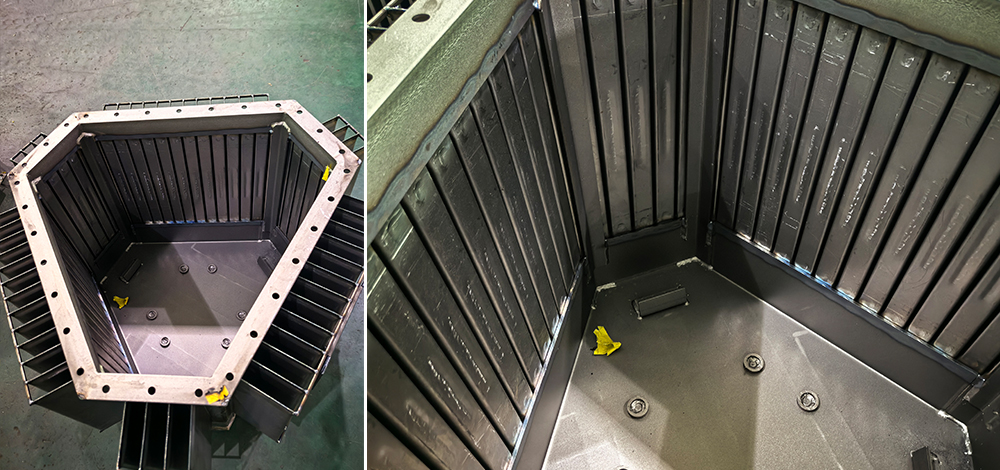
Transformer Oil Tank Materials Guide

🔷 2. Common Materials Used in Transformer Oil Tanks

🔹 1. Carbon Steel (Q235 / Q345)
This is the most widely used material in transformer oil tanks.

✔ Q235 Steel

  • Low carbon steel
  • Cost-effective
  • Good weldability
  • Suitable for standard applications

✔ Q345 Steel

  • High-strength low-alloy steel
  • Better mechanical strength
  • Higher load resistance

Q345 is preferred for larger transformers.

🔹 2. Stainless Steel

Used in special environments:

  • Coastal areas
  • Chemical environments
  • High humidity regions

✔ Advantages:

  • Excellent corrosion resistance
  • Long service life
  • Low maintenance

❗ Disadvantages:

  • Higher cost
  • More complex fabrication

Transformer Oil Tank Materials Guide

🔹 3. Galvanized Steel

Steel coated with zinc for corrosion protection.

✔ Advantages:

  • Good corrosion resistance
  • Cost-effective
  • Suitable for outdoor use

🔷 3. Material Comparison Table

Material Strength Corrosion Resistance Cost Application
Q235 Steel Medium Low Low Standard tanks
Q345 Steel High Medium Medium Large tanks
Stainless Steel Very High Very High High Harsh environments
Galvanized Steel Medium High Medium Outdoor tanks

🔷 4. Steel Thickness and Its Importance

Material is not just about type—it is also about thickness.

✔ Typical Thickness Range

  • Small tanks: 2–4 mm
  • Medium tanks: 4–6 mm
  • Large tanks: 6–10 mm

✔ Why Thickness Matters

  • Structural strength
  • Pressure resistance
  • Deformation prevention

Thicker steel = stronger but heavier and more expensive.

🔷 5. Welding Material and Technology

Welding is critical for oil tank integrity.

✔ Welding Methods

  • Automatic welding
  • Submerged arc welding
  • Manual welding

✔ Welding Materials

  • Matching steel filler
  • High-strength welding rods

Poor welding = oil leakage risk.

🔷 6. Surface Treatment Materials

Surface protection is essential to extend lifespan.

🔹 1. Epoxy Coating

  • Strong adhesion
  • Excellent corrosion resistance
  • Widely used

🔹 2. Polyurethane Coating

  • UV resistance
  • Outdoor durability

🔹 3. Zinc-Rich Coating

  • Cathodic protection
  • Prevents rusting

🔷 7. Anti-Corrosion Material Systems

Modern transformer tanks often use multi-layer protection:

✔ Typical System:
1.Shot blasting (Sa2.5)
2.Zinc primer
3.Epoxy intermediate layer
4.Topcoat (polyurethane)

This system ensures long-term durability.

🔷 8. Material Selection Based on Environment

✔ Coastal Areas

  • Use stainless steel or galvanized steel
  • High corrosion resistance required

✔ Industrial Areas

  • Use coated Q345 steel
  • Resistant to pollution

✔ Cold Regions

  • Use high-toughness steel
  • Prevent cracking

✔ High Humidity Areas

  • Strong coating protection required

🔷 9. Material Selection Based on Transformer Type

🔹 Distribution Transformers

  • Q235 or Q345 steel
  • Corrugated tank design

🔹 Power Transformers

  • Q345 or stainless steel
  • Radiator tank design

🔷 10. Mechanical Properties of Materials

✔ Tensile Strength

  • Ability to withstand pulling force

✔ Yield Strength

  • Resistance to deformation

✔ Toughness

  • Resistance to cracking

👉 High-performance materials improve transformer reliability.

🔷 11. Heat Resistance of Materials

Transformer tanks operate under heat.

✔ Key Requirements:

  • Thermal expansion tolerance
  • Heat conduction stability

Steel must withstand continuous thermal cycles.

🔷 12. Oil Compatibility

Transformer oil interacts with tank material.

✔ Requirements:

  • No chemical reaction
  • No contamination
  • Stable long-term performance

Stainless steel offers best compatibility.

🔷 13. Material Cost vs Performance

Material Cost Performance
Q235 Low Standard
Q345 Medium High
Stainless Steel High Premium

Balance between cost and performance is key.

🔷 14. Manufacturing Considerations

Material selection affects:

  • Cutting
  • Welding
  • Forming
  • Assembly

Some materials are easier to process than others.

🔷 15. Material Testing & Quality Control

✔ Common Tests:

  • Tensile test
  • Hardness test
  • Chemical composition test
  • Thickness measurement

🔷 16. Material Standards & Certifications

A professional Transformer Oil Tank Manufacturer follows:

  • ISO standards
  • ASTM standards
  • IEC requirements

Ensures consistent quality.

🔷 17. Advanced Material Technologies

✔ High-Strength Steel

  • Lighter weight
  • Higher strength

✔ Composite Coatings

  • Enhanced corrosion resistance
  • Longer lifespan

✔ Smart Materials (Future Trend)

  • Self-healing coatings
  • Advanced corrosion resistance

🔷 18. Environmental Impact of Materials

Modern manufacturing considers:

  • Recyclability
  • Sustainability
  • Environmental compliance

🔷 19. Common Material Mistakes

❌ Using low-grade steel
❌ Ignoring corrosion protection
❌ Poor coating application
❌ Inadequate thickness

🔷 20. How to Choose the Right Material

✔ Step 1: Define Application

  • Distribution or power transformer

✔ Step 2: Consider Environment

  • Indoor / outdoor / coastal

✔ Step 3: Evaluate Budget

  • Cost vs performance

✔ Step 4: Check Certifications

✔ Step 5: Consult Manufacturer

  • A professional Transformer Oil Tank Manufacturer can recommend optimal materials.

🔷 Frequently Asked Questions (FAQ)

Q1: What is the best material for transformer oil tanks?
A: Q345 steel or stainless steel depending on environment.

Q2: Why is steel used instead of other materials?
A: Steel provides strength, durability, and cost efficiency.

Q3: Is stainless steel always better?
A: Not always—it’s better for corrosive environments but more expensive.

Q4: What is the standard steel thickness?
A: Typically 2–10 mm depending on tank size.

Q5: How to prevent corrosion?
A: Use coatings like epoxy, zinc, and proper surface treatment.
Share:

Submit Technical Specifications/Drawings — Get a Quote Now!

If you are interested in our products,, please send us a message and we will contact you as soon as we receive it. Email: info@radiastar.com whatsApp: +86 16650273776

    Related Product

    +86 16650273776
    info@radiastar.com
    +86 16650273776

    Quick Quote Submission

    Fill the form for transformer tank & radiator quotes. Fast reply guaranteed.

      X