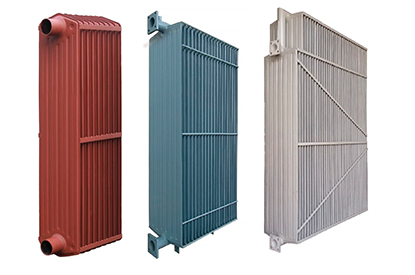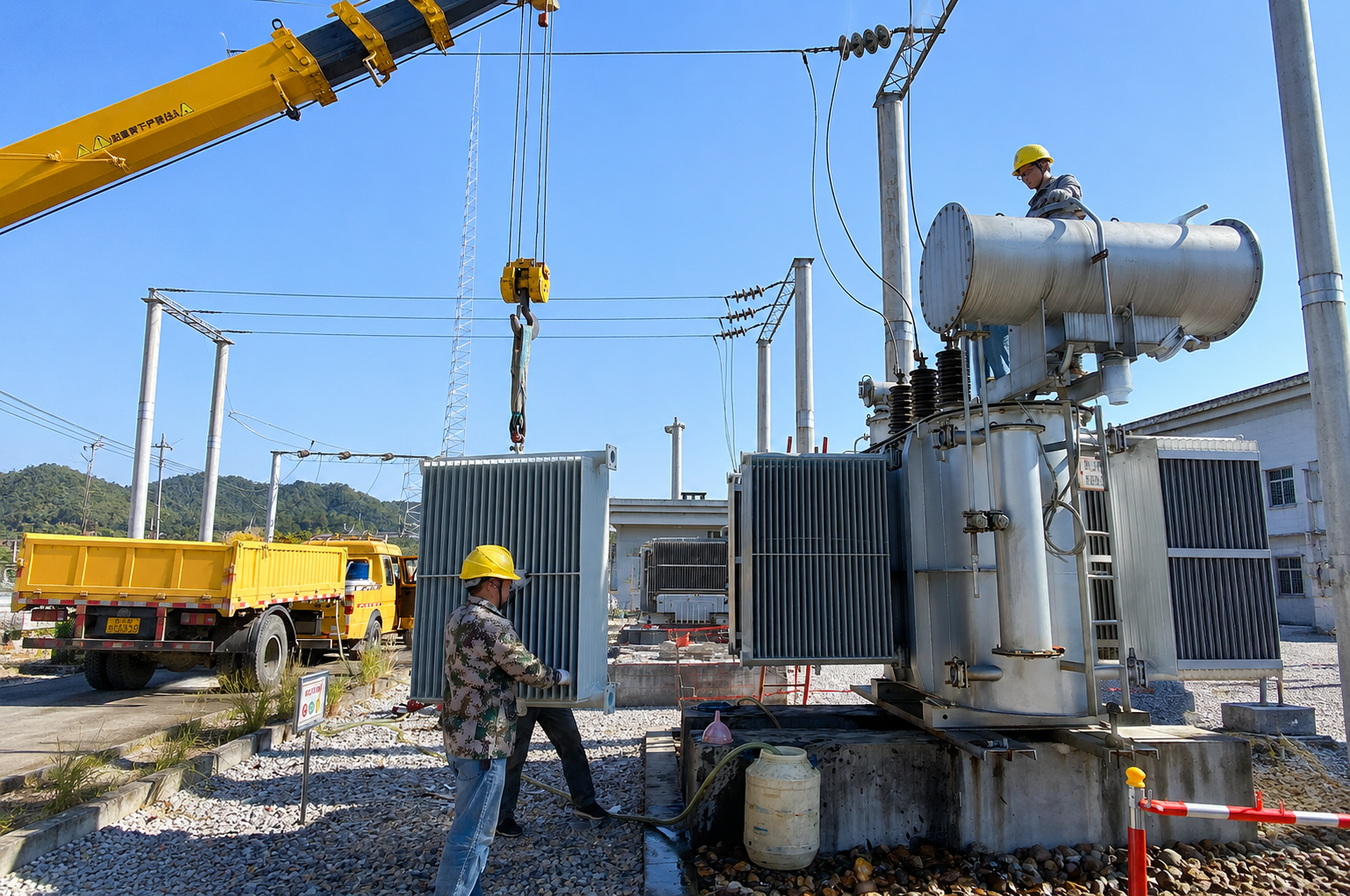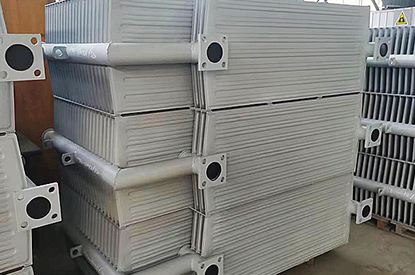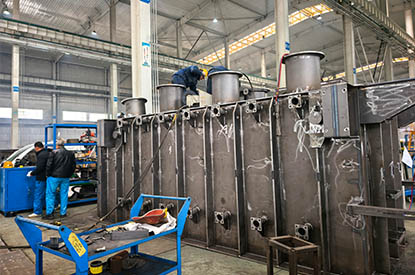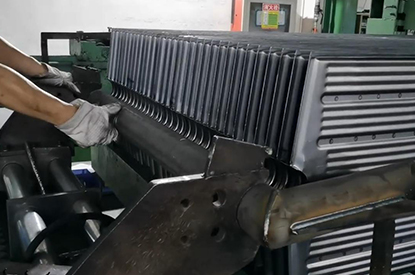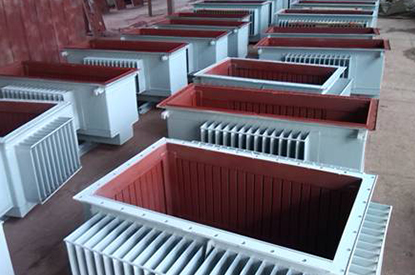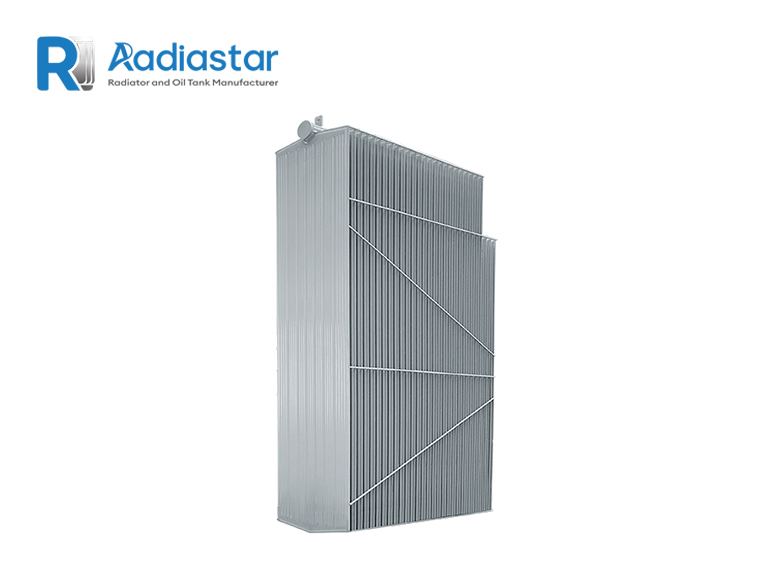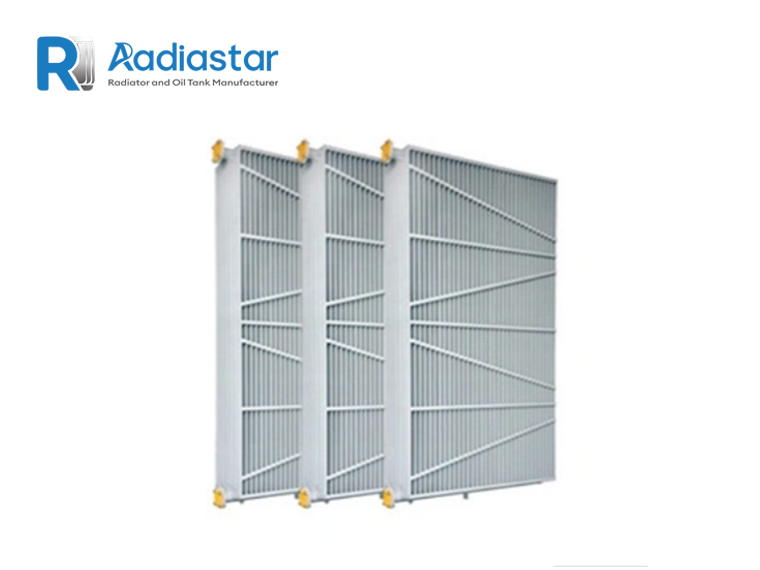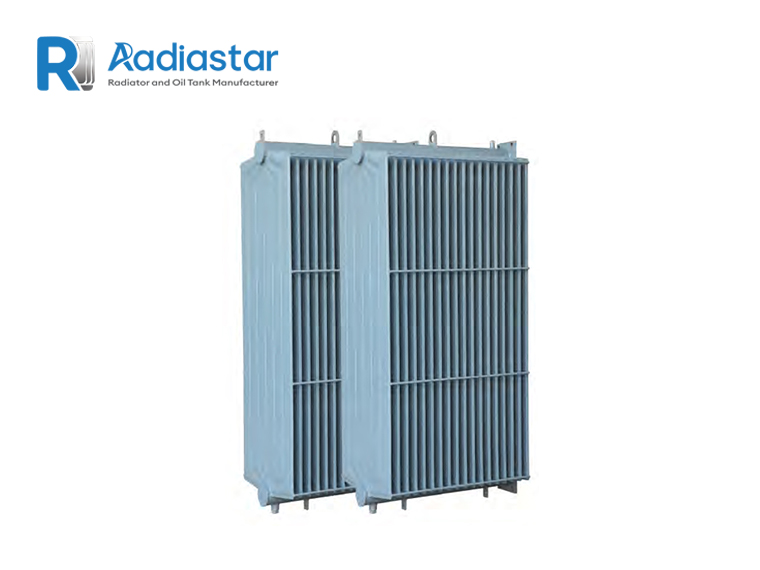

Hot-Dip Galvanizing (HDG) is a proven metallurgical coating process that protects steel components against corrosion by immersing them in molten zinc. Unlike paint coatings, HDG forms a permanent zinc-iron alloy layer that provides long-lasting protection even in harsh outdoor environments.
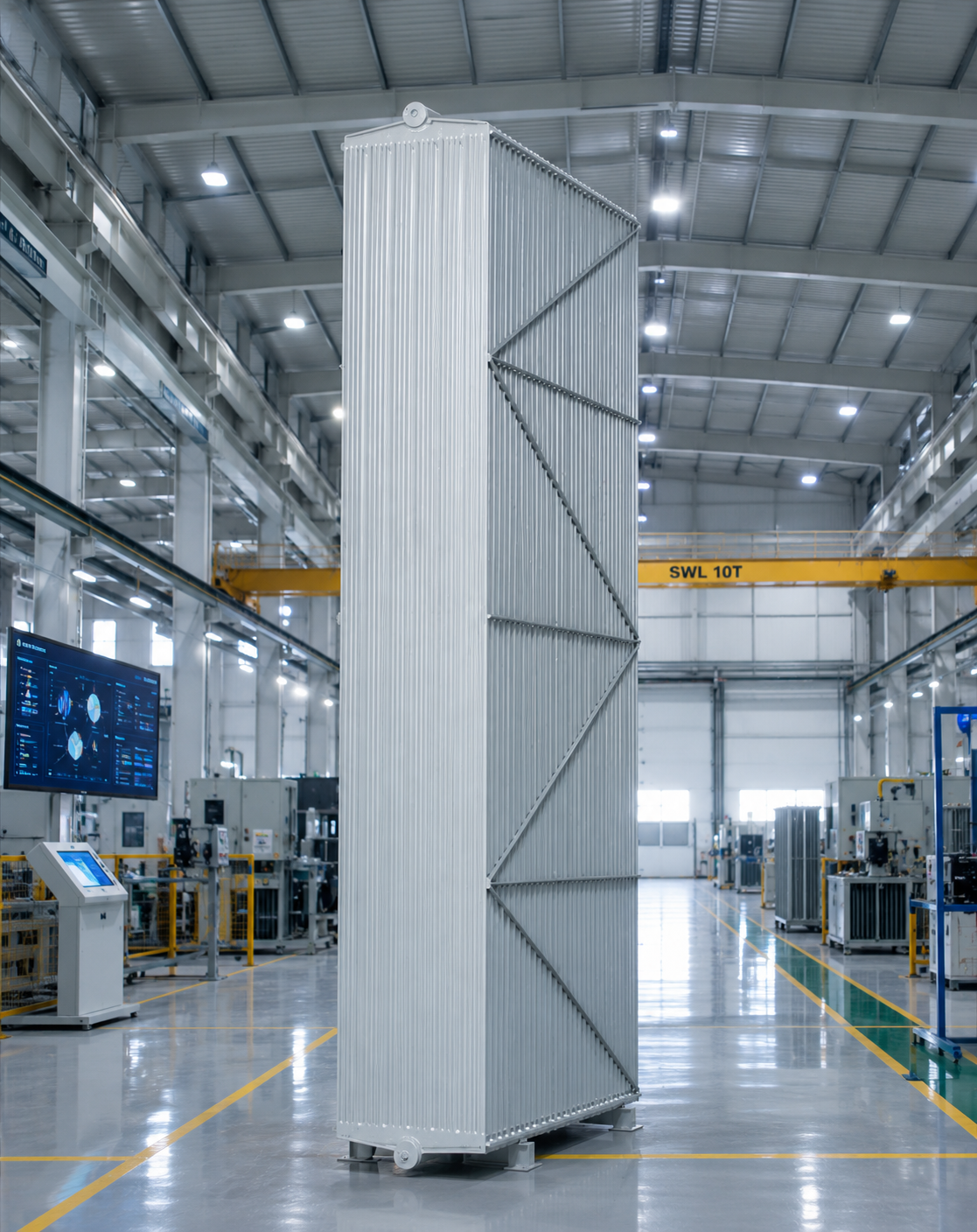
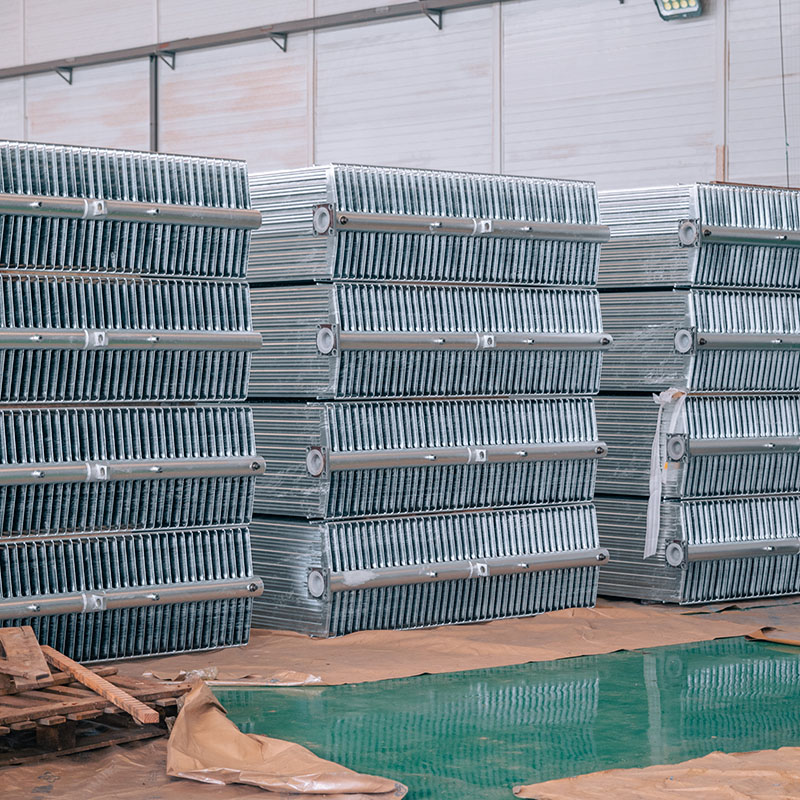
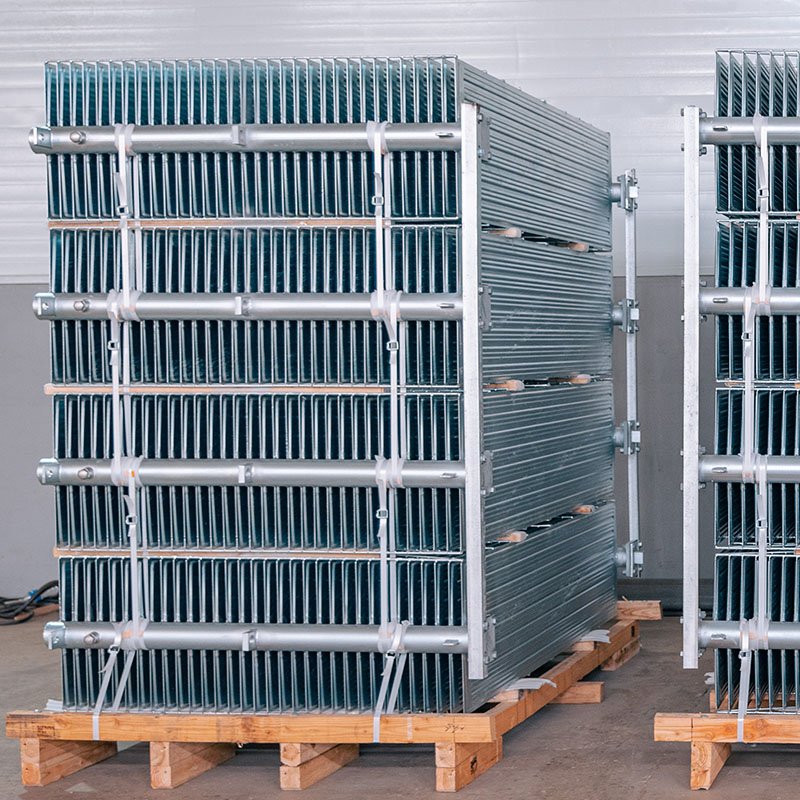
Proper surface preparation is essential for achieving a high-quality galvanized coating.
Alkaline cleaning removes oil, grease, and other surface contaminants.
Hydrochloric acid or sulfuric acid removes rust, mill scale, and oxidation.
An ammonium zinc chloride solution is applied to prevent oxidation before galvanizing and to improve zinc adhesion.
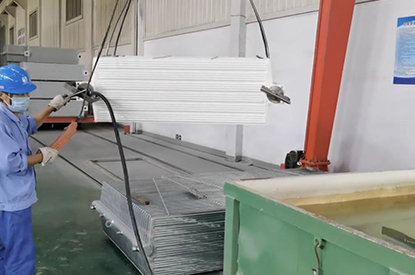
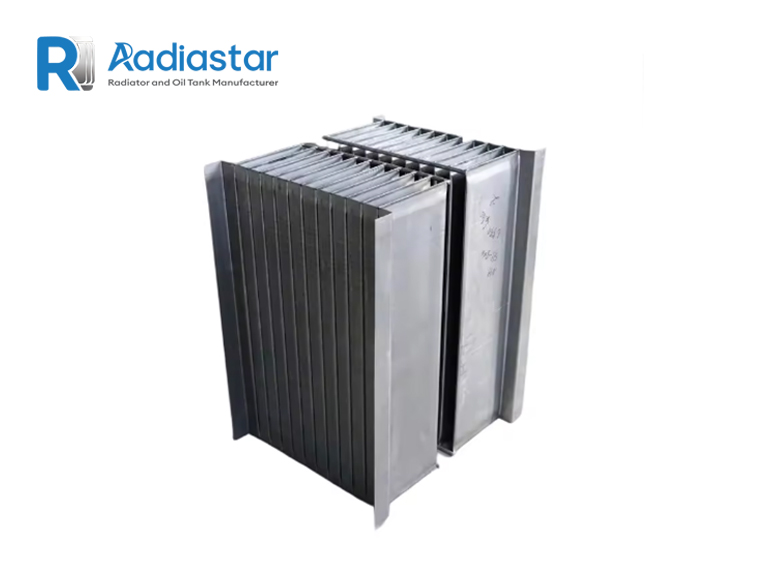
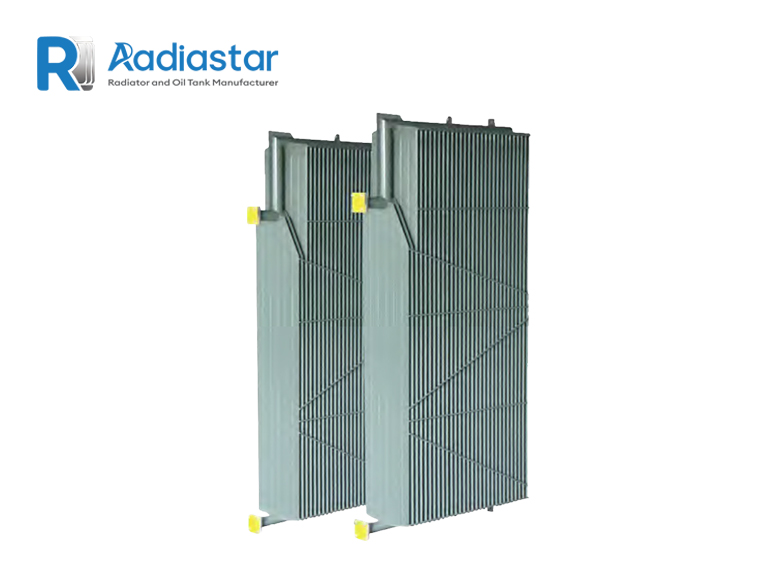
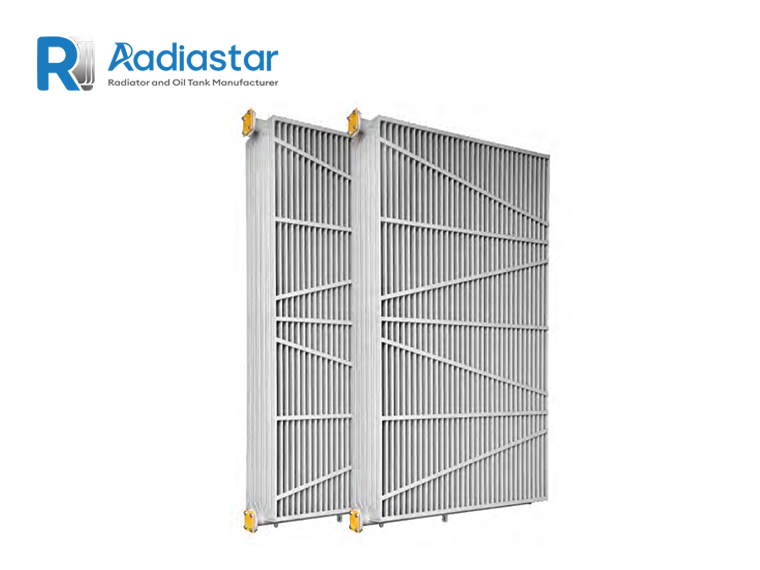
The completed transformer radiator is immersed in molten zinc maintained at 445–465°C for approximately 3–10 minutes.
During immersion, several metallurgical layers are formed:
These layers provide exceptional corrosion resistance and strong metallurgical bonding with the steel substrate.
Following galvanization, the radiator undergoes several finishing processes.
The galvanized radiator is cooled naturally or by optional water quenching to solidify the zinc coating.
A chromate or environmentally friendly passivation treatment improves corrosion resistance and minimizes white rust formation.
Each radiator is inspected to verify:
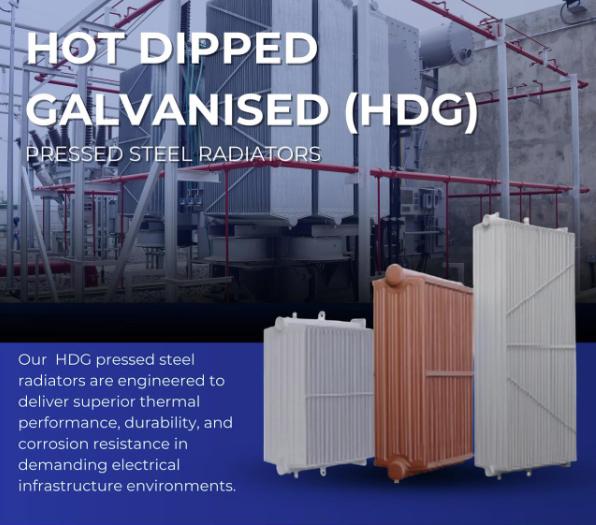
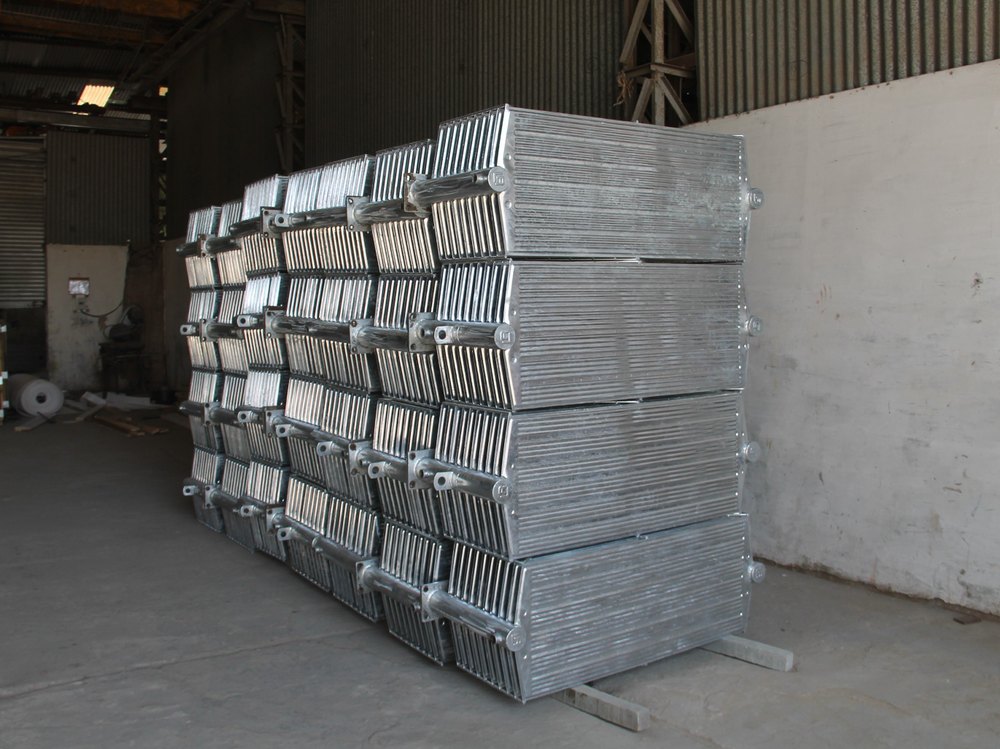
Producing high-quality hot-dip galvanized transformer radiators requires strict process control throughout manufacturing.
All welding seams must be completely sealed without porosity. Poor weld quality may allow molten zinc to penetrate internal oil channels during galvanizing, potentially affecting oil tightness and long-term reliability.
Incomplete pretreatment can lead to poor zinc adhesion, resulting in coating defects or peeling.
Adding approximately 0.1–0.3% aluminum to the zinc bath improves coating brightness, surface smoothness, and adhesion.
Maintaining the correct galvanizing temperature is essential. Excessively high temperatures may create brittle zinc layers that reduce coating durability.
The galvanized surface should be protected from mechanical impact during transportation and installation. If localized damage occurs, zinc-rich repair compounds should be applied promptly.
After exposure to air, zinc naturally forms a dense zinc carbonate (Zn₅(OH)₆(CO₃)₂) protective layer that significantly slows corrosion.
Even if the coating is scratched, zinc provides cathodic (sacrificial) protection, corroding preferentially to protect the underlying steel.
Compared with conventional painted surfaces, HDG transformer radiators typically provide 20–50 years of maintenance-free corrosion protection under normal atmospheric conditions.
Although the initial investment is higher, lifecycle costs are significantly reduced because repainting and replacement are rarely required.
Because the zinc coating is metallurgically bonded to the steel substrate, it offers outstanding resistance to:
Unlike painting or electro-galvanizing, hot-dip galvanizing protects:
This comprehensive coverage ensures long-term durability even in difficult operating environments.
Hot-dip galvanizing is an environmentally responsible surface treatment because it offers:
Beyond corrosion protection, galvanized surfaces also provide:
Hot-dip galvanized transformer radiators are ideal for steel structures operating in environments exposed to moisture, industrial pollution, or salt-laden air.
These applications require excellent resistance to rain, humidity, transformer oil, and outdoor weather conditions.
| Property | Hot-Dip Galvanizing (HDG) | Electro-Galvanizing | Organic Coating (Paint) |
|---|---|---|---|
| Service Life | 20–50 Years | 5–15 Years | 5–10 Years |
| Surface Coverage | Internal & External | External Only | External Only |
| Corrosion Protection | Excellent | Moderate | Moderate |
| Initial Cost | Medium | Low | Low |
| Maintenance Cost | Very Low | Medium | High |
| Best Environment | Severe Outdoor Conditions | Mild Indoor Environment | Dry Controlled Environment |
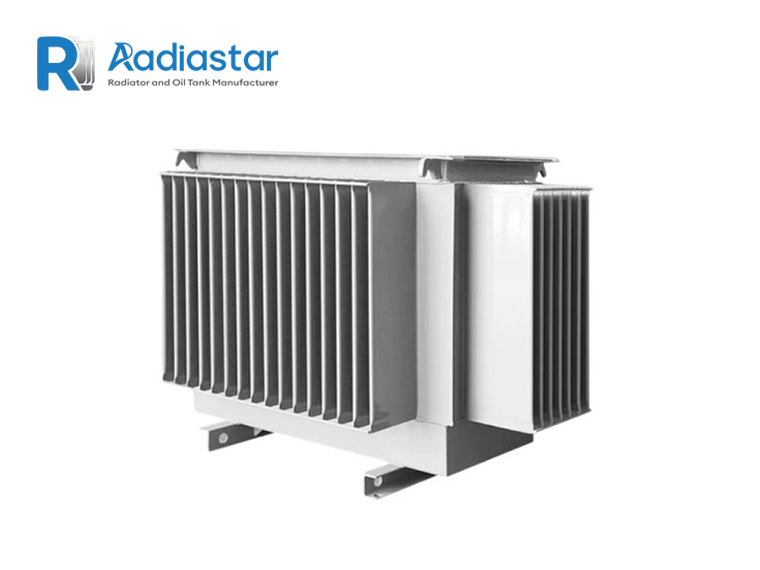
Compared with conventional painted radiators, HDG transformer radiators provide longer service life, superior corrosion resistance, lower maintenance costs, and enhanced reliability in demanding operating environments. They are particularly well suited for power utilities, renewable energy projects, industrial plants, mining operations, coastal substations, and other applications where long-term durability is essential.