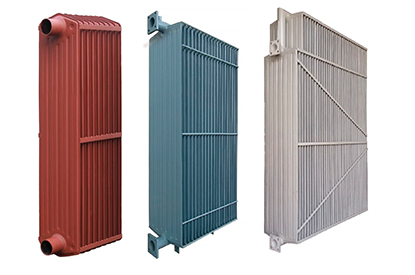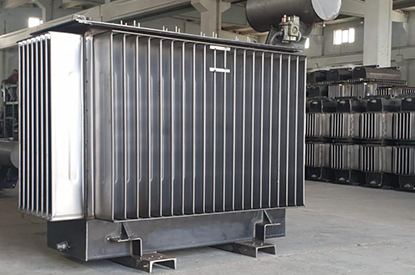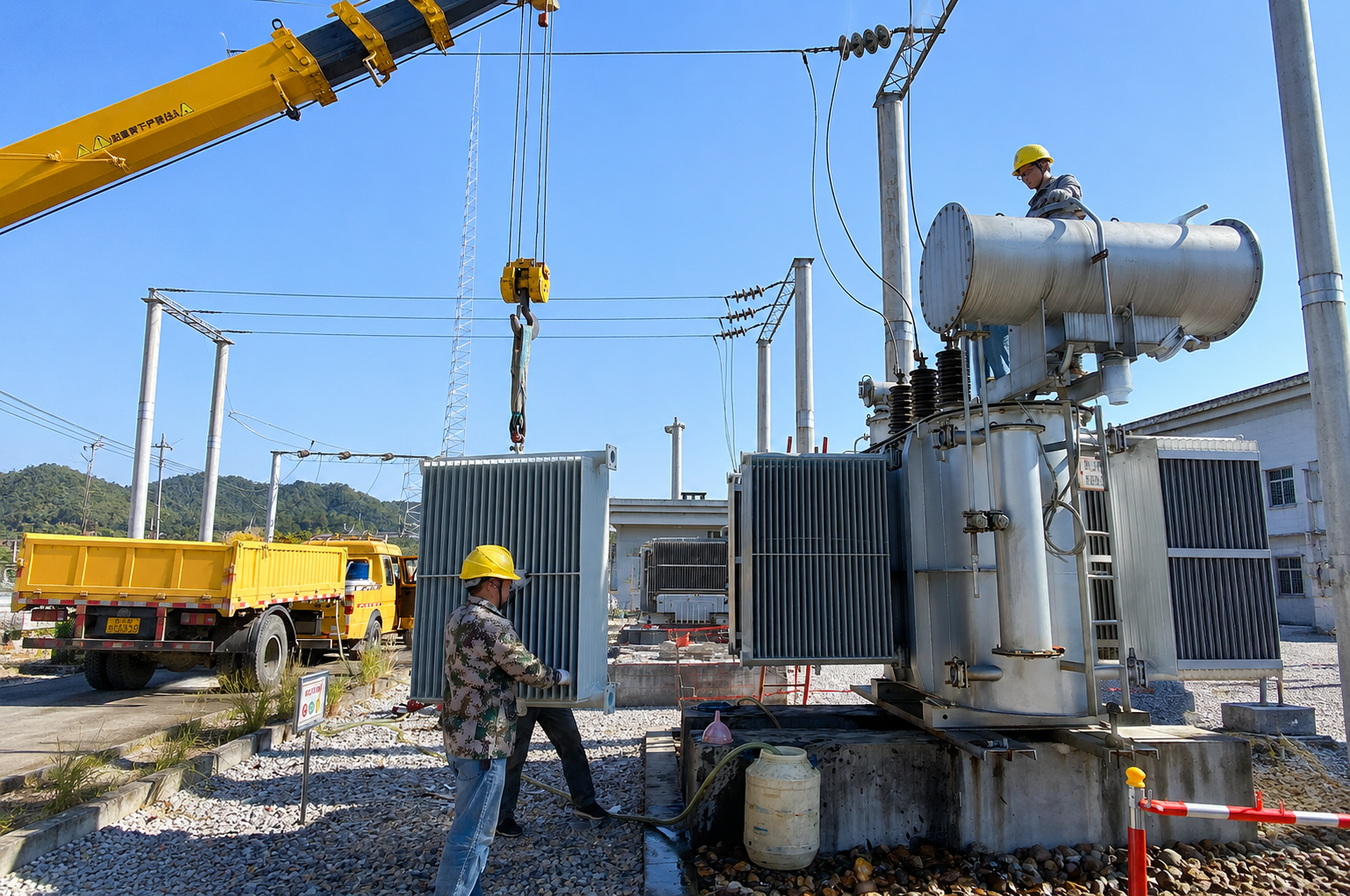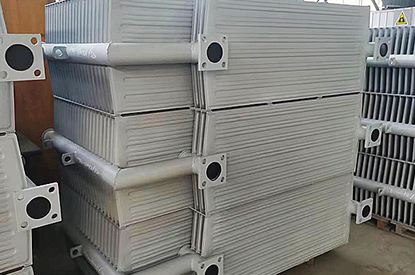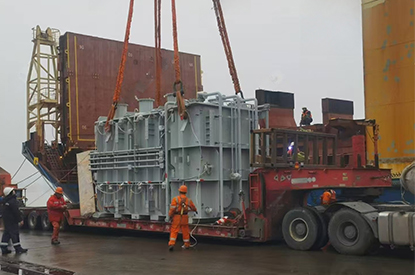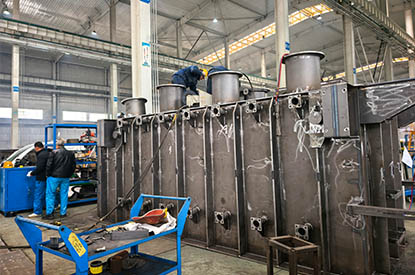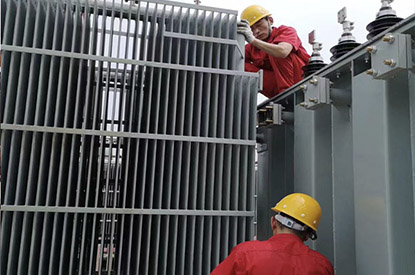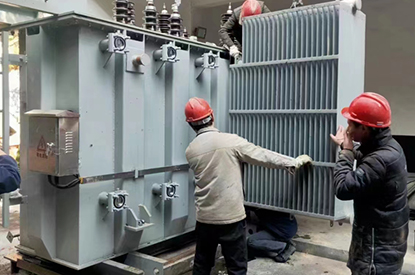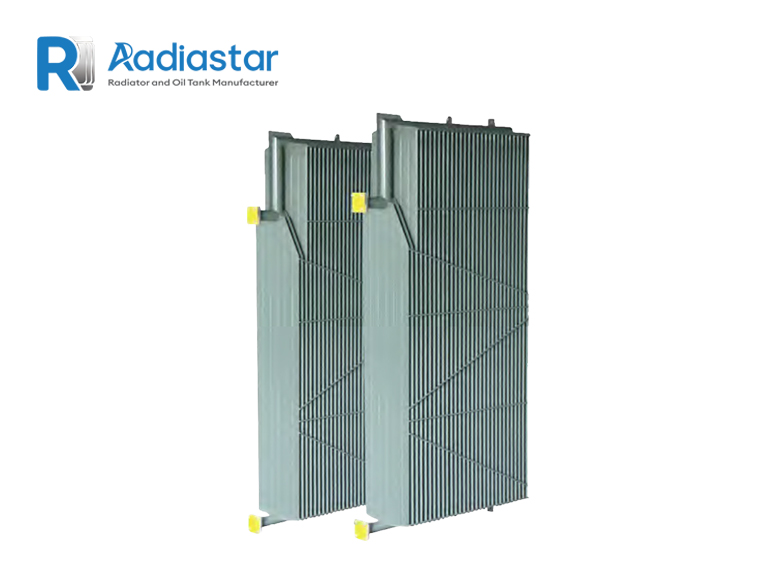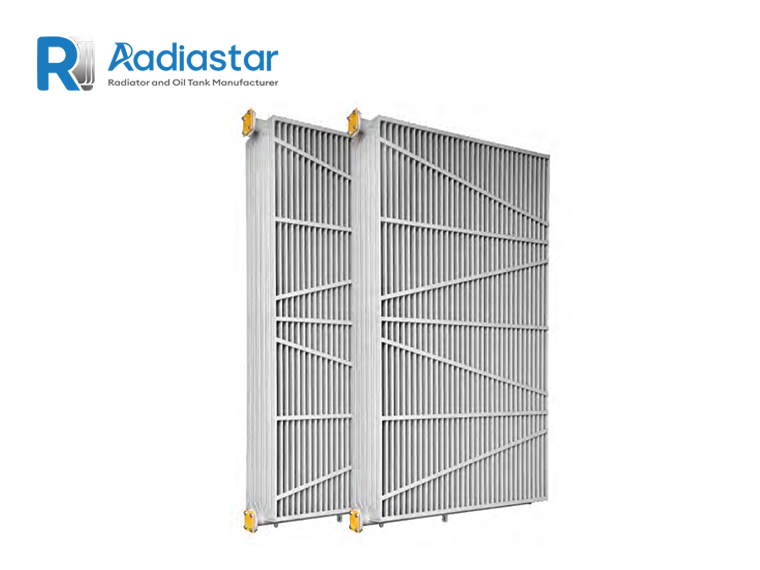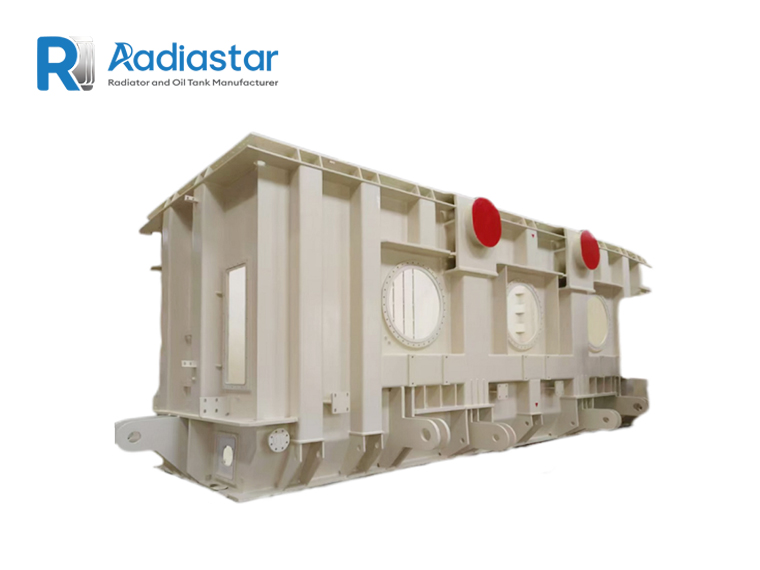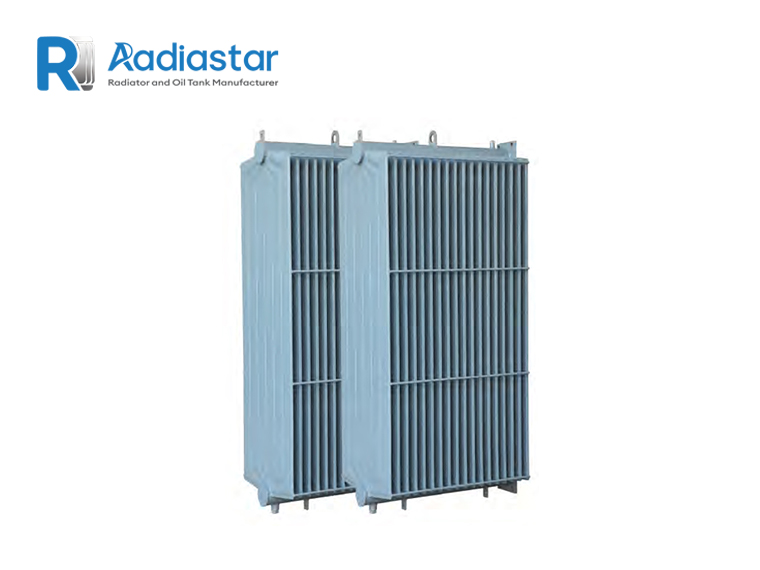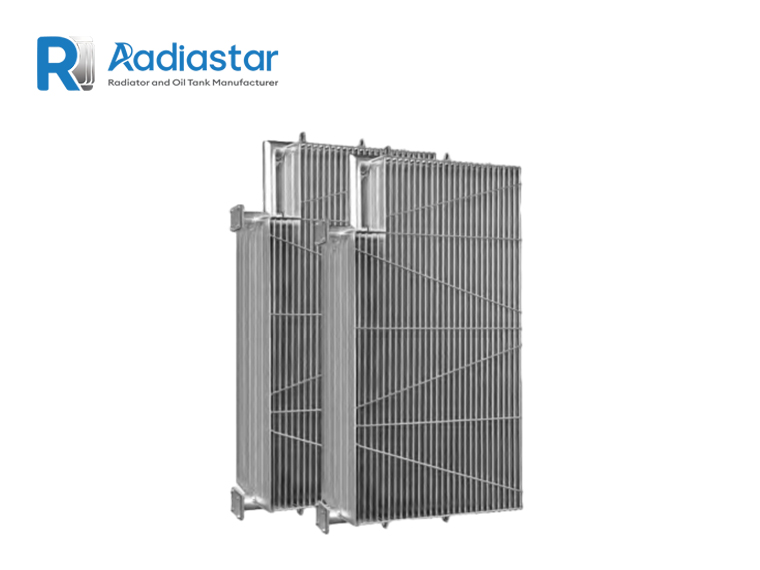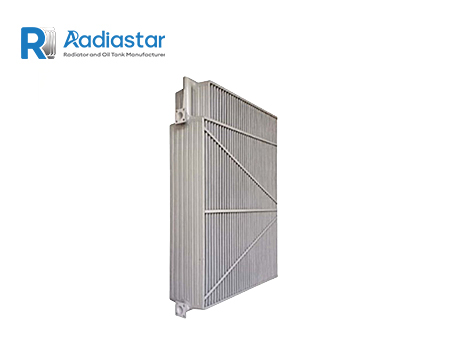

A transformer radiator is a key component of an oil-immersed power transformer cooling system, responsible for efficient heat dissipation and stable thermal control during transformer operation.
In modern power grids, renewable energy systems, and industrial electrical infrastructure, proper transformer radiator maintenance is essential to ensure long-term reliability, prevent overheating, and improve transformer efficiency.
This guide is optimized for 2026 Google SEO ranking factors, including semantic search (LSI keywords), EEAT principles, and industrial technical relevance, making it highly suitable for global transformer manufacturers, EPC contractors, and power equipment buyers.
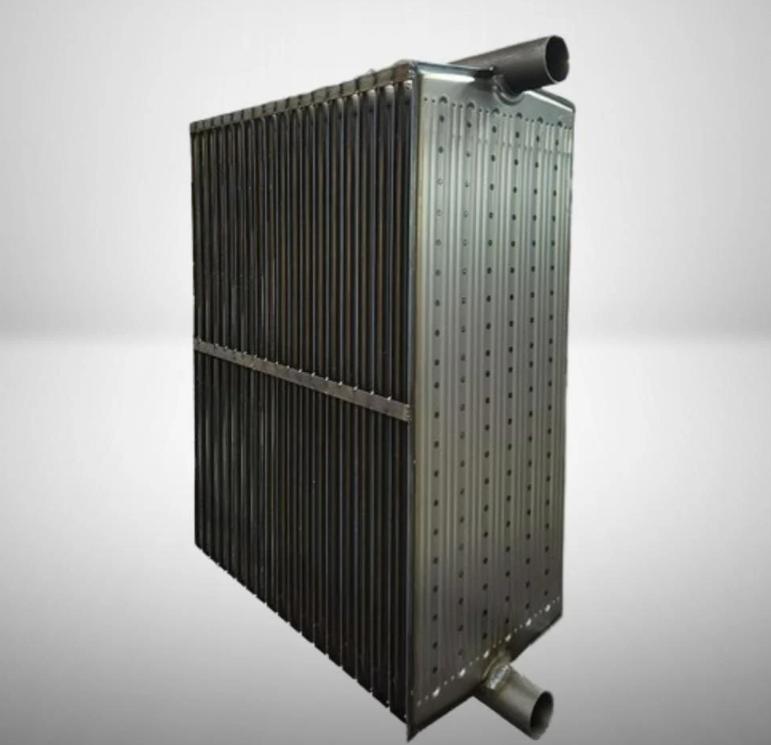
Proper transformer cooling system maintenance directly affects transformer performance and lifespan.
Key benefits of regular transformer radiator maintenance:
In industrial environments, poor radiator performance is one of the main causes of power transformer failure and thermal degradation of insulating oil.
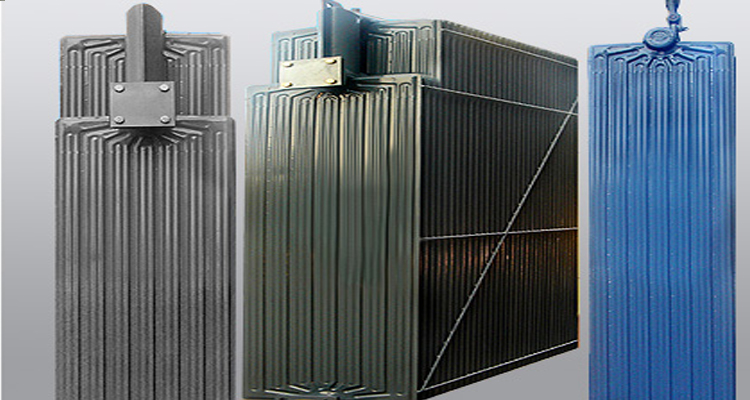
Different transformer radiator types require different maintenance strategies:
Widely used in distribution transformers. High surface area improves cooling efficiency and natural oil circulation.
Designed for high mechanical strength and large power transformer applications.
Common in compact substations, prefabricated substations, and modular transformer systems.
Integrated with forced or natural cooling systems, widely used in high-voltage transformer installations.
Routine inspection is essential for transformer radiator reliability.
Dust, industrial pollution, and oil residue reduce transformer cooling efficiency.
Recommended transformer radiator cleaning method:
LSI keywords: transformer radiator cleaning, cooling efficiency improvement, heat exchanger maintenance
Corrosion is a major failure factor in transformer cooling systems.
Maintenance steps:
LSI keywords: transformer corrosion protection, radiator coating, anti rust maintenance
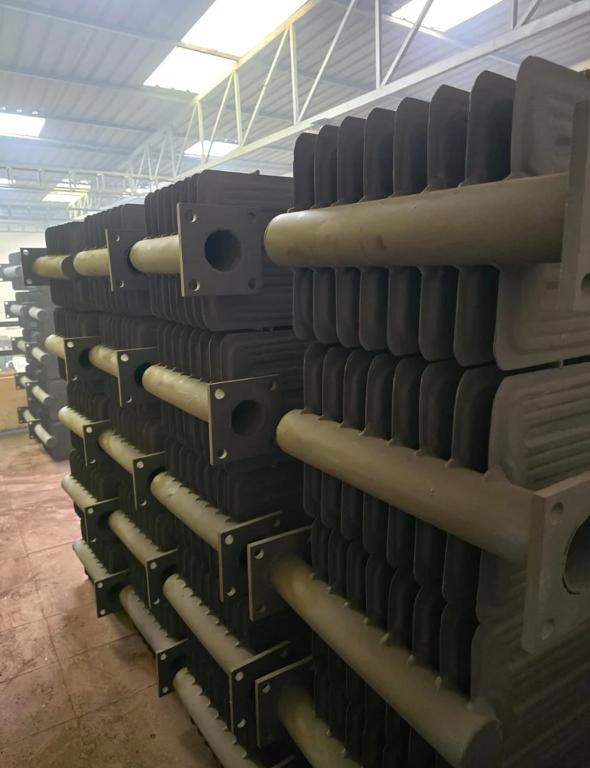
Annual maintenance ensures long-term transformer reliability.
Key procedures:
This is essential for power transformer lifecycle management and grid reliability.
Causes:
Solutions:
Causes:
Solutions:
Causes:
Solutions:
Modern transformer maintenance is shifting toward digitalization and predictive maintenance systems.
Recommended best practices:
These technologies significantly improve transformer efficiency, grid stability, and operational safety.
Transformer radiators should be cleaned every 3–6 months depending on environmental dust and industrial conditions.
Main causes include dust blockage, oil circulation failure, corrosion, and insufficient cooling efficiency.
Yes, proper transformer radiator maintenance significantly extends transformer insulation life and overall system reliability.
Oil leakage and corrosion are the most common long-term failures in transformer cooling systems.
Proper transformer radiator maintenance is essential for ensuring stable operation of oil-immersed power transformers. With structured inspection routines, effective cooling system cleaning, anti-corrosion protection, and modern predictive maintenance technologies, operators can significantly improve transformer efficiency and reduce failure risk.
This 2026 optimized maintenance strategy is designed for global power system operators, transformer manufacturers, EPC contractors, and industrial energy infrastructure projects.