
Selecting the correct size of a transformer oil tank is not just a design choice—it is a critical engineering decision that directly affects:
Whether you are designing a distribution transformer or a large power unit, the oil tank must be properly sized to ensure optimal heat dissipation and mechanical stability.
This guide provides a complete, professional-level breakdown of transformer oil tank sizing principles.
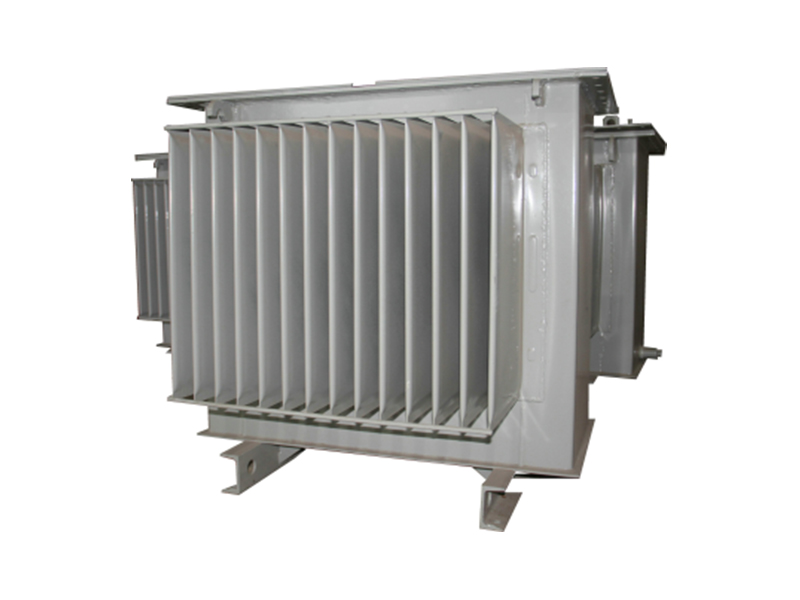
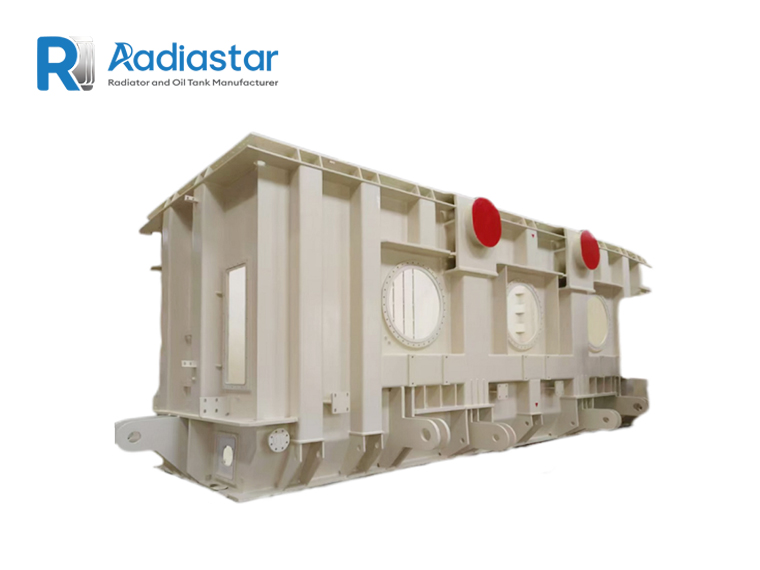
A transformer oil tank is a sealed steel container that:
A properly sized Transformer Oil Tank ensures stable operation under varying load conditions.
The size of the tank directly impacts:
✔ 1. Heat Dissipation Efficiency
Larger surface area = better cooling.
✔ 2. Oil Volume Capacity
Ensures enough oil circulation and thermal buffering.
✔ 3. Structural Strength
Prevents deformation under pressure and thermal expansion.
✔ 4. Safety & Reliability
Reduces risk of overheating and insulation failure.
🔹 1. Transformer Capacity (kVA / MVA)
The most important factor.
🔹 2. Heat Loss (Watt Losses)
Transformer losses generate heat:
Higher losses = larger tank size required
🔹 3. Cooling Method
Cooling type directly affects tank size:
Cooling Type Tank Size
ONAN (Natural) Larger
ONAF (Fan cooling) Medium
OFAF (Forced oil & air) Compact relative to power
🔹 4. Ambient Temperature
🔹 5. Oil Expansion Volume
🔹 6. Installation Environment
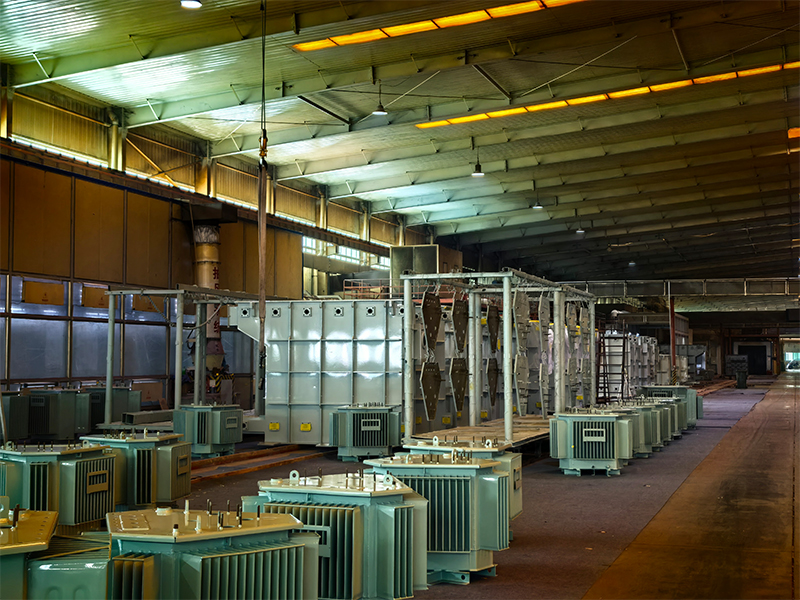
Sizing involves thermal and mechanical calculations.
🔥 Heat Balance Concept
The tank must dissipate all generated heat:
Heat generated = Heat dissipated
📐 Basic Formula Concept
Heat Dissipation Area ∝ Transformer Losses / Heat Transfer Coefficient
👉 Larger losses require larger surface area.
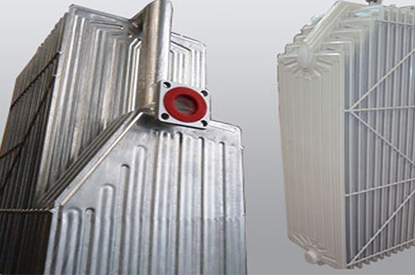
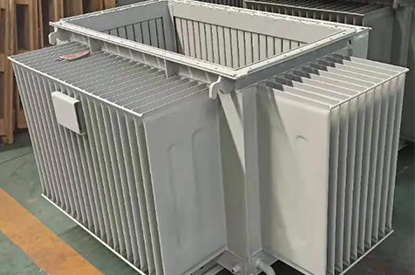
For corrugated tanks:
Surface area plays a key role.
👉 Corrugated fins increase heat dissipation area.
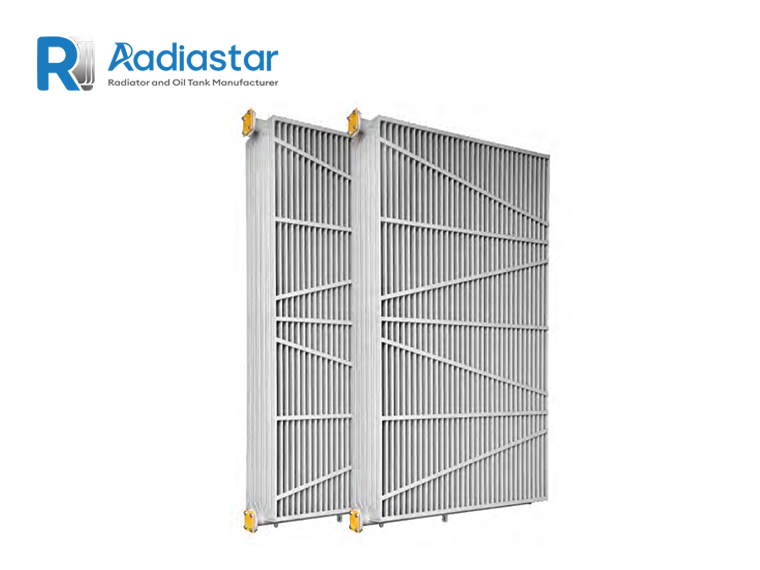
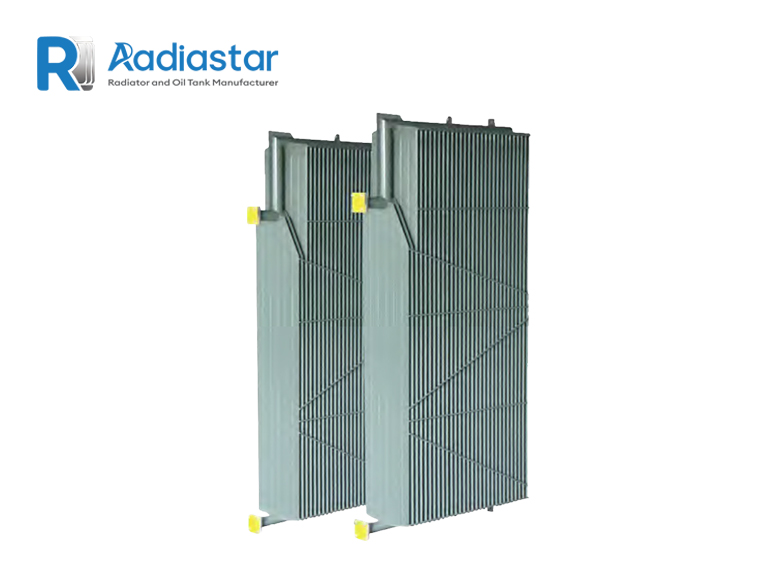
For radiator tanks:
Surface area includes:
Oil volume depends on:
Typical oil fill = 60–80% of tank volume
Transformer Capacity Tank Type Approx. Tank Size
100–315 kVA Corrugated Small compact
500–1000 kVA Corrugated Medium
1600–2500 kVA Corrugated / Radiator Medium-large
2500–10,000 kVA Radiator Large
>10 MVA Radiator Extra large
Corrugated tanks are designed with:
✔ Advantages in Size Design
❗ Limitations
Radiator tanks rely on external cooling units.
✔ Key Design Factors
✔ Advantages
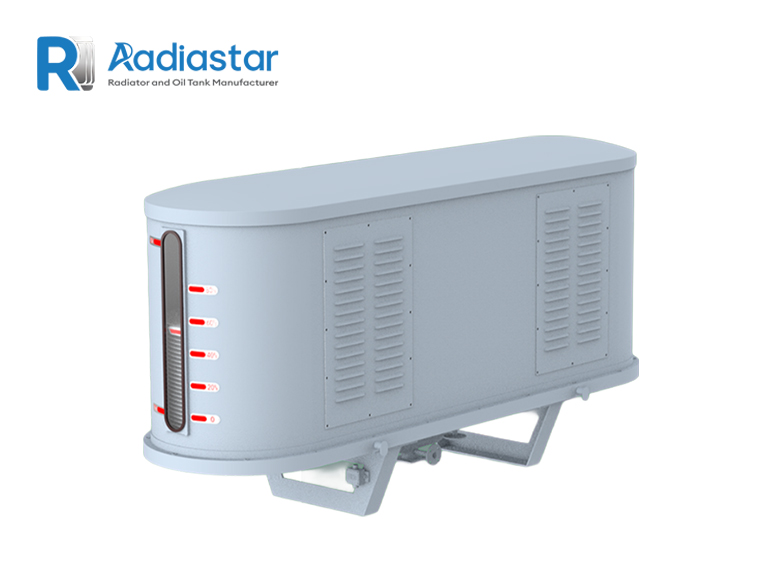
For large transformers, a conservator tank is used.
✔ Function:
✔ Sizing Considerations:
Transformer tank sizing often follows:
These define:
Tank size is not just about volume—it also involves:
✔ Steel Plate Thickness
✔ Reinforcement
There is a direct relationship:
Tank Size Cooling Performance
Small Limited
Medium Moderate
Large High
When designing tank size, consider:
✔ Larger tank:
✔ Smaller tank:
A professional Transformer Oil Tank Manufacturer can provide:
❌ Underestimating heat loss
❌ Ignoring ambient temperature
❌ Incorrect oil volume calculation
❌ Poor radiator sizing
❌ Ignoring expansion space
✔ Always include safety margin
✔ Design for worst-case load
✔ Consider future expansion
✔ Follow international standards
✔ Validate thermal performance
Modern transformer tank sizing trends include:
✔ Step 1: Determine Transformer Capacity
✔ Step 2: Calculate Heat Loss
✔ Step 3: Choose Cooling Method
✔ Step 4: Define Installation Conditions
✔ Step 5: Confirm Standards Compliance
Q1: How do I calculate transformer oil tank size?
A: Based on heat loss, cooling method, and oil expansion requirements.
Q2: Does higher kVA require a bigger tank?
A: Yes, higher capacity transformers generate more heat.
Q3: What is the typical oil volume?
A: Usually 60–80% of total tank volume.
Q4: Can tank size be customized?
A: Yes, most manufacturers offer custom design.
Q5: What happens if the tank is too small?
A: Overheating, insulation failure, and reduced lifespan.