Introduction
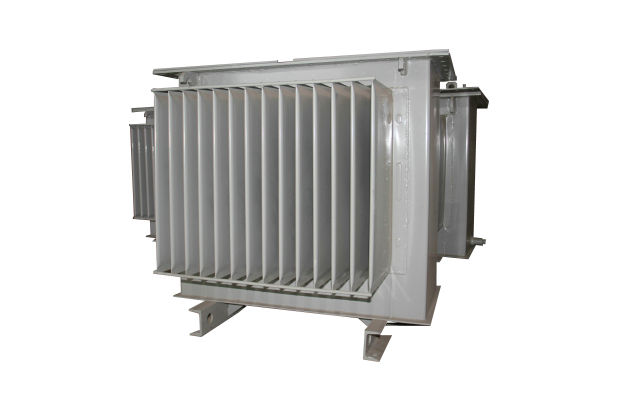
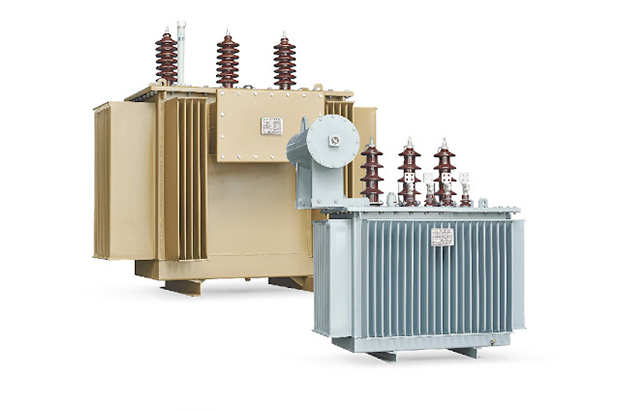
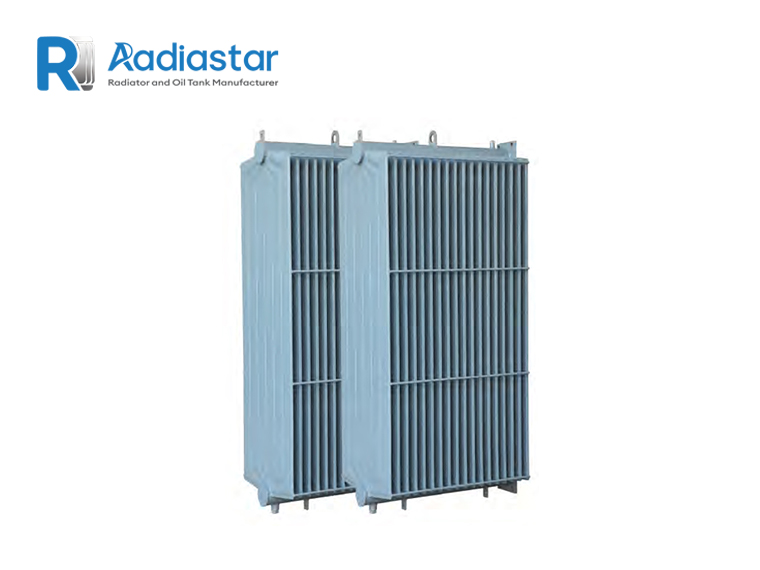
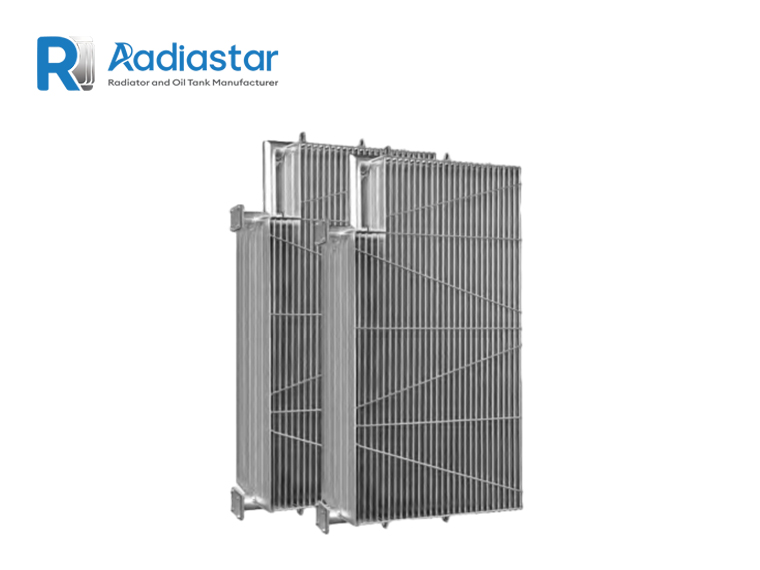
Transformer oil tanks are the backbone of transformer operation, providing:
- Efficient heat dissipation
- Electrical insulation support
- Structural protection
- Oil containment and circulation
From utility substations to renewable energy plants, a high-performance tank such as a Transformer Oil Tank plays a critical role in ensuring system stability and long service life.
This guide covers the most important real-world applications, helping buyers, engineers, and EPC contractors select the right solution.
🔷 1. Power Transmission & Distribution Systems
✔ Application Overview
Transformer oil tanks are widely used in:
- High-voltage transmission
- Medium-voltage distribution
- Substations
✔ Key Requirements
- High cooling efficiency
- Robust structural design
- Weather resistance
✔ Typical Installations
- Grid substations
- Urban distribution networks
- Rural electrification projects
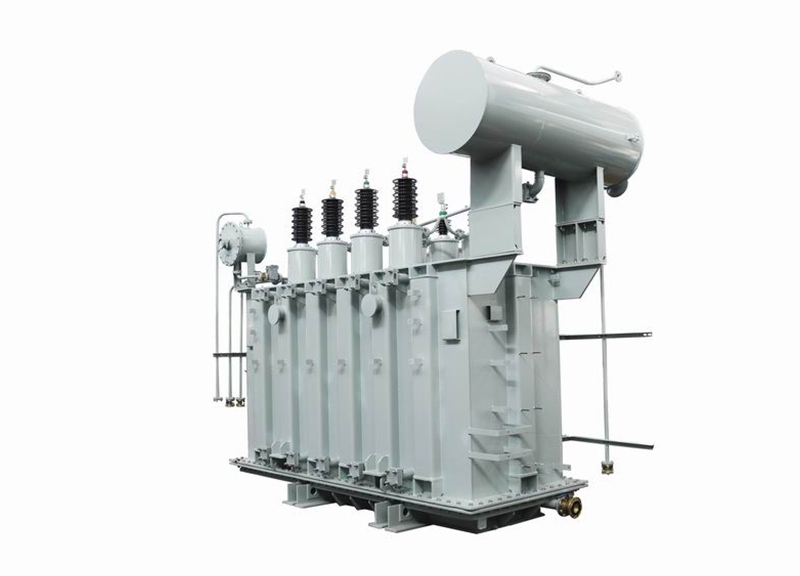
👉 In these systems, a properly engineered Transformer Oil Tank Manufacturer ensures safe and continuous operation.
🔷 2. Industrial Power Systems
✔ Industries Served
- Steel plants
- Cement factories
- Mining operations
- Chemical plants
✔ Application Needs
- Heavy load handling
- High heat dissipation
- Continuous operation
✔ Challenges
❌ High ambient temperatures
❌ Dust and pollution
❌ Heavy load fluctuations
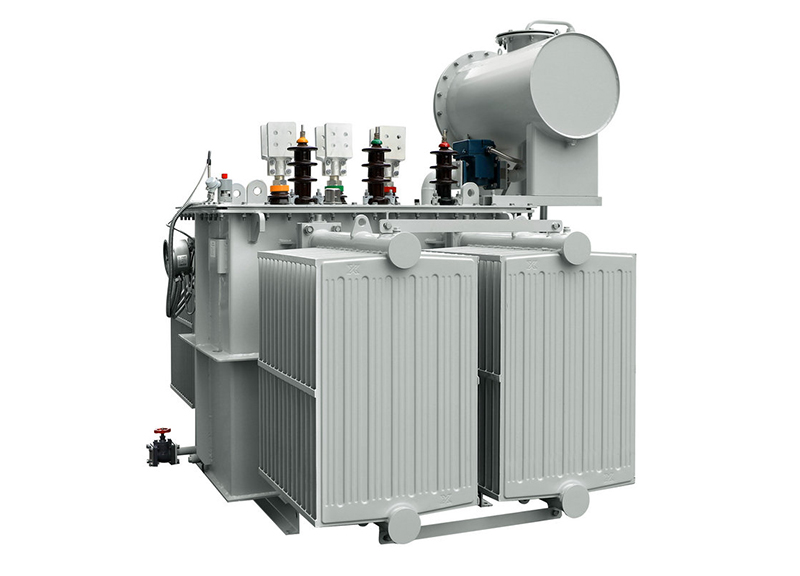
👉 Industrial systems rely on robust tanks to maintain efficiency under extreme conditions.
🔷 3. Renewable Energy Systems
✔ Solar Power Plants
- Step-up transformers
- Grid integration
✔ Wind Power Systems
- Offshore & onshore installations
- Variable load conditions
✔ Why Oil Tanks Matter
- Maintain insulation in fluctuating conditions
- Support intermittent energy generation
👉 Renewable systems often require customized solutions like a Transformer Oil Tank.
🔷 4. Oil & Gas Industry
✔ Applications
- Offshore platforms
- Refineries
- Pipeline systems
✔ Requirements
- Explosion-proof design
- Corrosion resistance
- High reliability
🔷 5. Railway & Transportation Systems
✔ Applications
- Railway substations
- Electrified rail systems
- Metro networks
✔ Key Features Needed
- Compact design
- Vibration resistance
- High durability
🔷 6. Urban Infrastructure Projects
✔ Applications
- Smart cities
- Underground substations
- Commercial complexes
✔ Challenges
- Limited space
- Noise restrictions
- Aesthetic requirements
🔷 7. Data Centers & Critical Facilities
✔ Applications
- Data centers
- Hospitals
- Financial institutions
✔ Requirements
- High reliability
- Redundancy
- Stable power supply
👉 Any downtime can cause massive losses—making tank reliability critical.
🔷 8. Mining & Heavy Industry
✔ Applications
- Remote mining sites
- Large industrial operations
✔ Challenges
- Harsh environments
- Dust and vibration
- Remote maintenance
🔷 9. Marine & Offshore Applications
✔ Applications
- Ships
- Offshore platforms
- Marine substations
✔ Special Requirements
- Anti-corrosion
- Space optimization
- Saltwater resistance
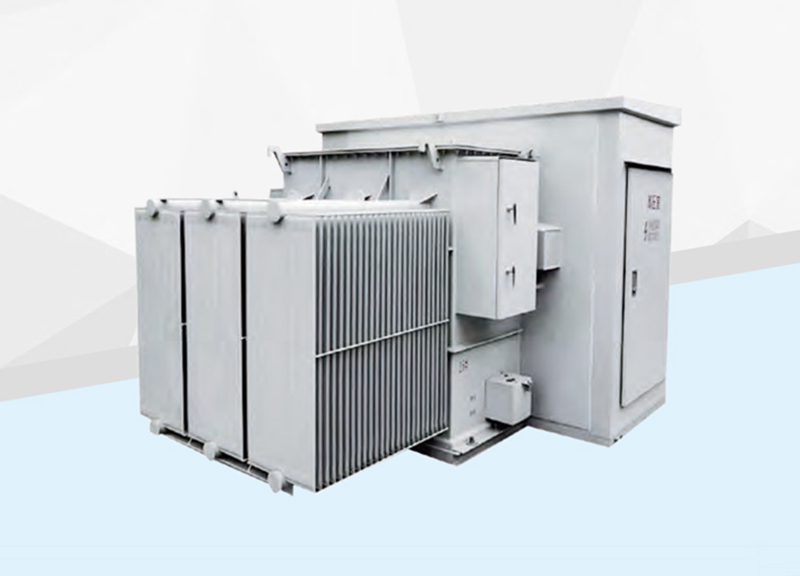
🔷 10. Compact Substations (Box-Type)
Compact substations integrate transformer, switchgear, and protection systems.
✔ Key Role of Oil Tank
- Provides insulation
- Ensures cooling
- Maintains structural integrity
👉 A compact, optimized tank design is essential for this application.
🔷 11. Distribution Transformers in Residential Areas
✔ Applications
- Residential neighborhoods
- Commercial buildings
✔ Requirements
- Low noise
- Safe operation
- Aesthetic design
🔷 12. Application-Based Tank Design Considerations
✔ Load Type
- Continuous
- Intermittent
- Peak load
✔ Environmental Factors
- Temperature
- Humidity
- Pollution
✔ Installation Environment
🔷 13. Corrugated Tank vs Radiator Tank Applications
✔ Corrugated Tank
- Small to medium transformers
- Natural cooling
- Compact systems
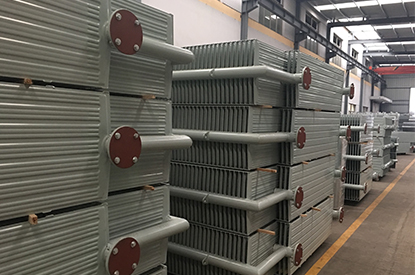
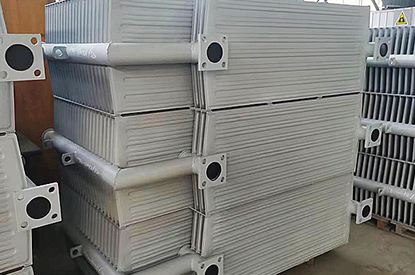
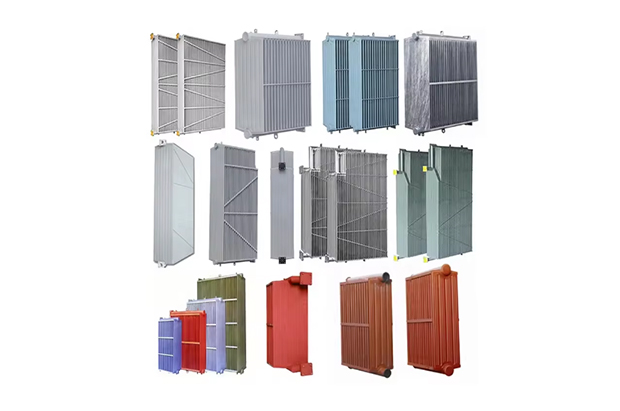
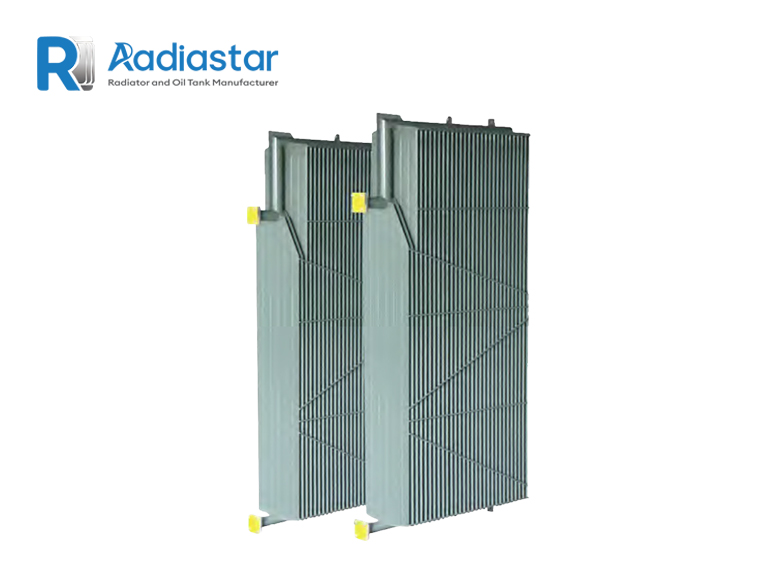
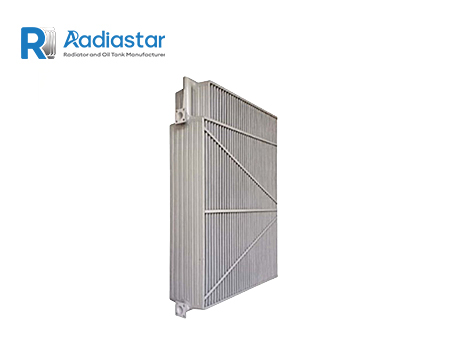
✔ Radiator Tank
- Large transformers
- High heat dissipation
- Forced cooling systems
👉 Both can be customized through a professional Transformer Oil Tank Manufacturer.
🔷 14. Custom Application Solutions
Every application requires tailored design:
✔ Custom Options
- Size and dimensions
- Cooling system type
- Material selection
- Surface coating
🔷 15. International Standards for Applications
✔ Common Standards
- IEC standards
- IEEE standards
- ANSI standards
🔷 16. Application-Based Failure Prevention
✔ Key Strategies
- Proper cooling selection
- Correct tank sizing
- High-quality materials
🔷 17. Industry Trends in Applications
- Smart monitoring systems
- Modular substations
- Eco-friendly materials
- Compact designs
🔷 18. Why Application-Specific Design Matters
✔ Benefits
- Improved efficiency
- Longer lifespan
- Reduced maintenance
🔷 19. Application Selection Guide
✔ Step-by-Step
1.Identify industry
2.Define load requirements
3.Analyze environment
4.Select cooling type
5.Customize tank design
🔷 20. Global Demand for Transformer Oil Tanks
✔ High-demand regions
- North America
- Europe
- Middle East
- South America
- Africa
👉 Growing demand drives the need for advanced tank solutions.
🔷 21. Choosing the Right Manufacturer
Working with a reliable Transformer Oil Tank Manufacturer ensures:
✔ Engineering support
✔ Custom solutions
✔ Quality assurance
✔ Global delivery
🔷 Frequently Asked Questions (FAQ)
Q1: Where are transformer oil tanks used?
A: In power systems, industrial plants, renewable energy, and infrastructure.
Q2: Which industries need oil tanks most?
A: Power utilities, industrial sectors, and renewable energy systems.
Q3: Can tanks be customized for different applications?
A: Yes, customization is common and recommended.
Q4: What is the most important factor in application design?
A: Cooling efficiency and load capacity.
Q5: Do different applications require different tank types?
A: Yes, depending on size, cooling, and environment.