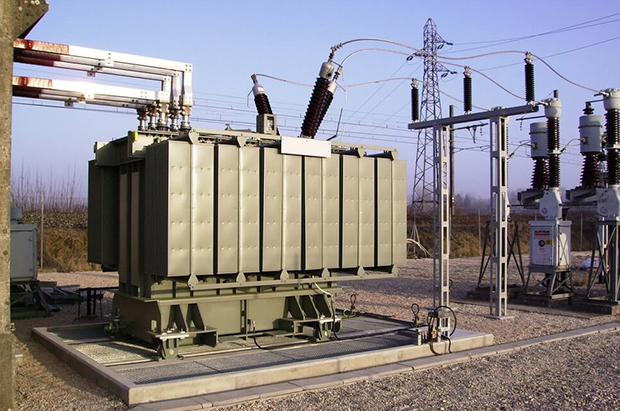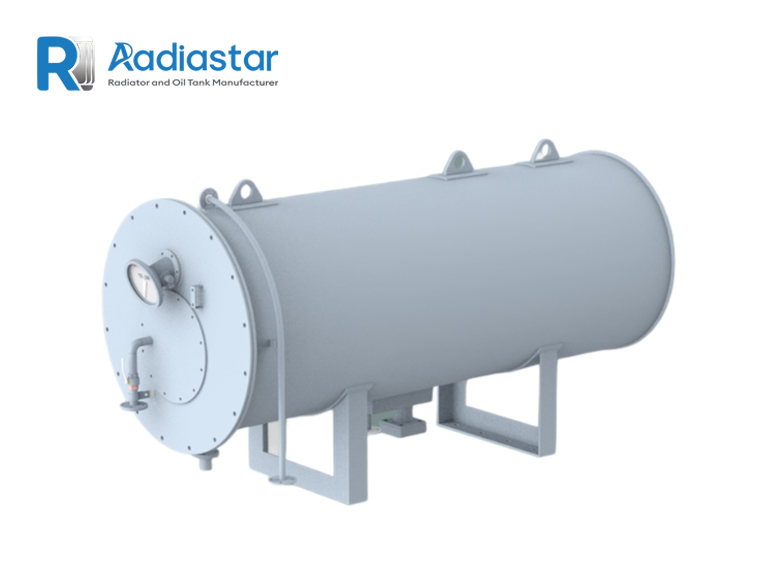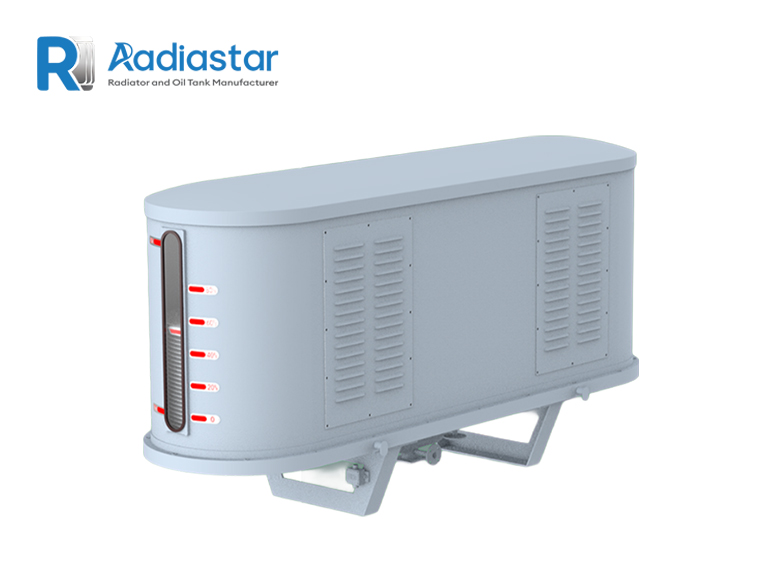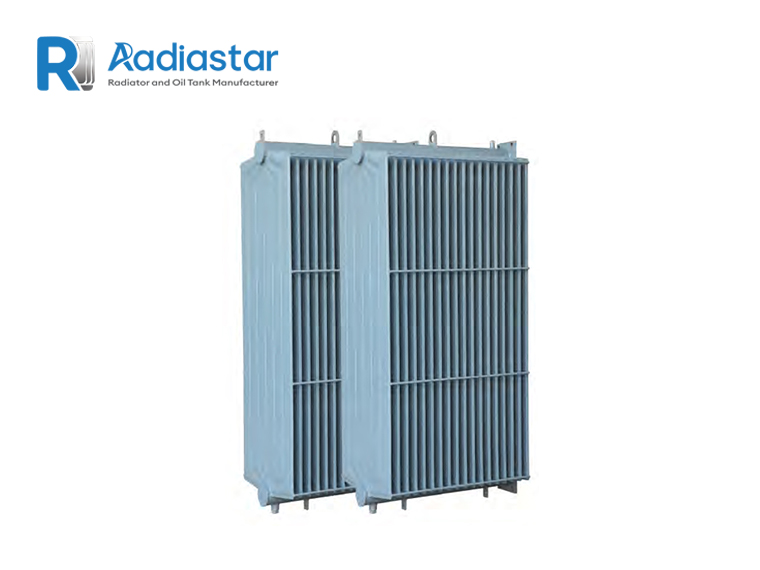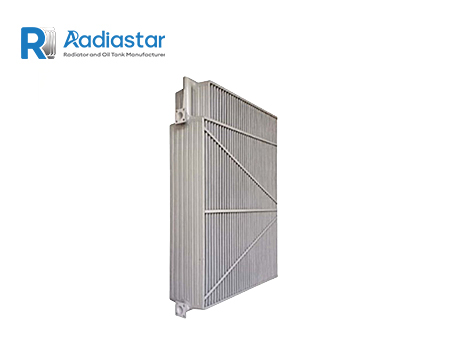

The design of a transformer oil tank plays a decisive role in the performance, reliability, and lifespan of any oil-immersed transformer.
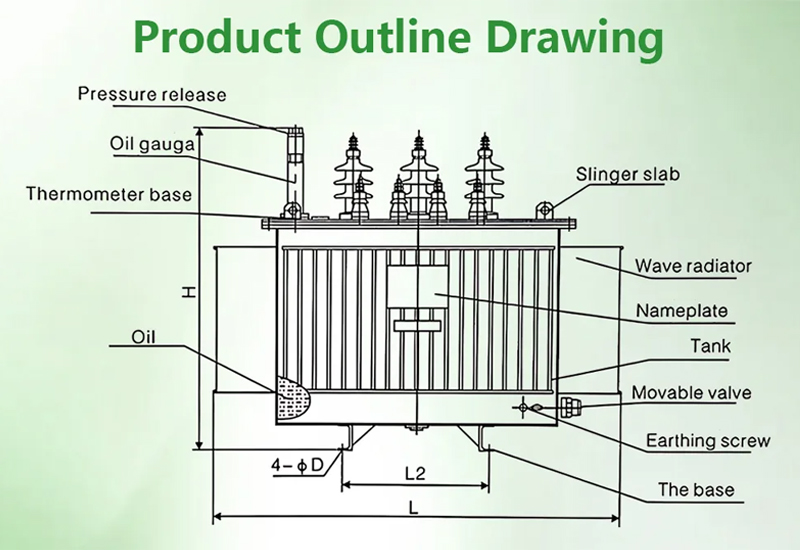
The Transformer Oil Tank is not simply a metal container—it is a highly engineered system responsible for:
In modern power systems, especially in distribution and industrial applications, oil tank design has evolved into a key engineering discipline that directly impacts efficiency and long-term operational cost.
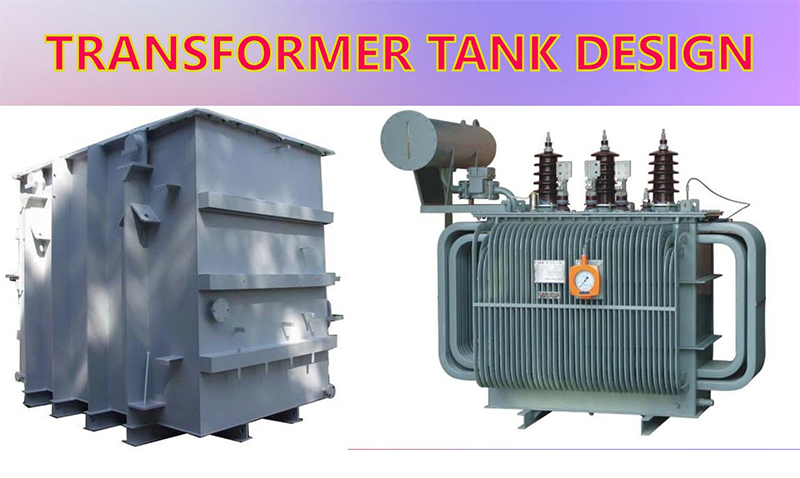
A transformer oil tank serves four primary purposes:
Transformer oil provides electrical insulation between components, preventing breakdown and ensuring safe operation.
The tank dissipates heat generated by:
It protects internal components from:
The tank securely contains insulating oil and prevents leakage.
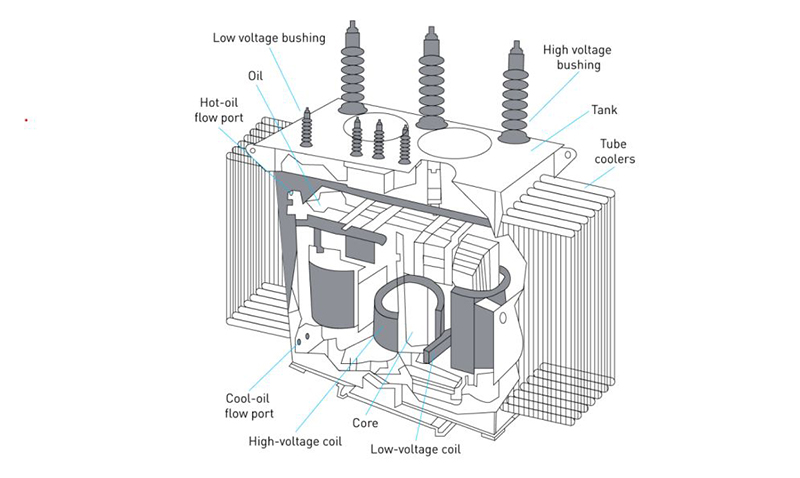
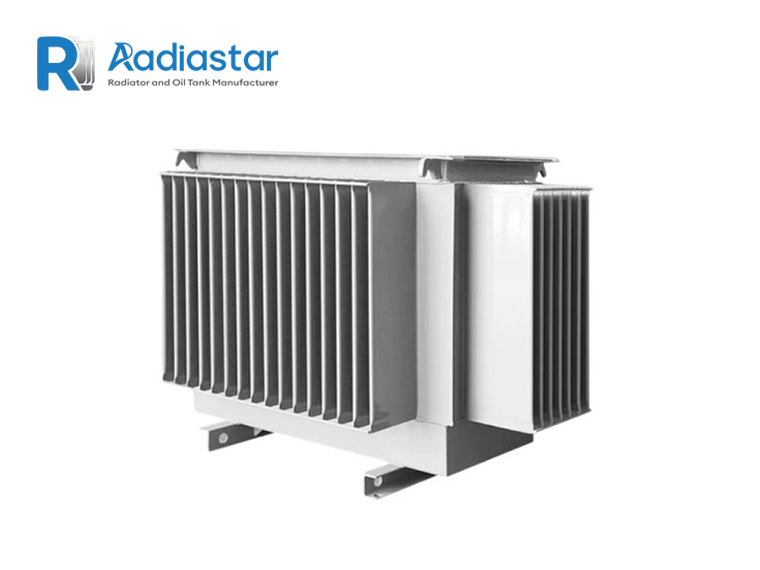
Corrugated tanks are widely used in distribution transformers.
Key features:
Ideal for compact installations and medium-capacity transformers.
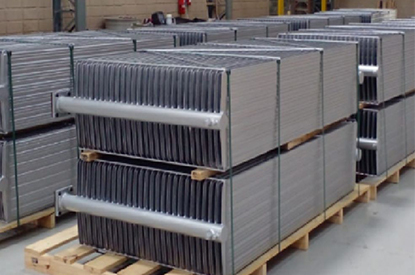
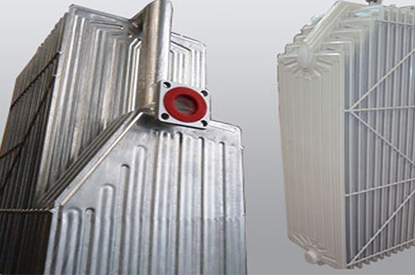
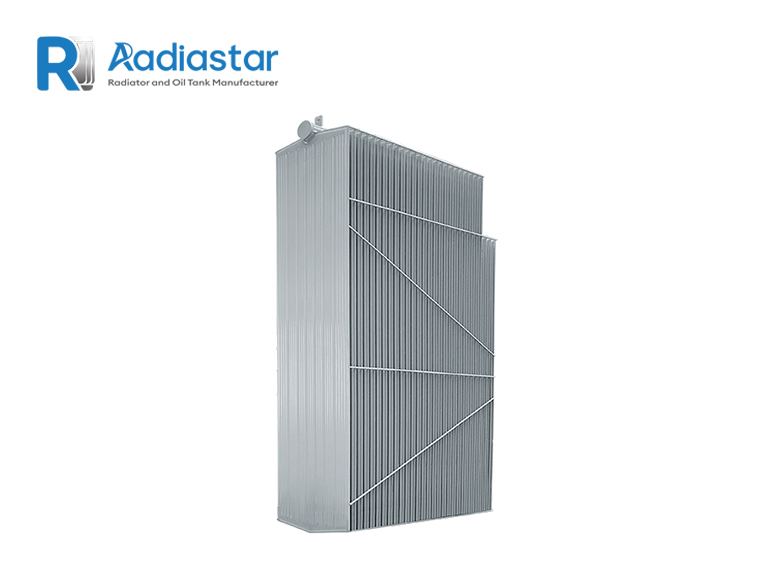
Radiator tanks are typically used in larger transformers.
Key features:
Suitable for power transformers and high-load systems.
Cooling is the most critical function of the transformer oil tank.
1.Heat is transferred from windings to oil
2.Hot oil rises naturally (convection)
3.Heat dissipates through tank surface
4.Cooled oil returns to bottom
Material selection directly impacts:
Carbon Steel (Q235 / Q345)
Stainless Steel
Galvanized Steel
To extend lifespan, manufacturers apply:
These treatments significantly improve durability in harsh environments.
Modern transformer oil tanks use:
✔ Hermetically Sealed Design
Benefits:
Prevents moisture ingress
✔ Conservator System (Optional)
Tank size is closely related to transformer capacity.
| Transformer kVA | Tank Size | Cooling Requirement |
| 100 kVA | Small | Natural cooling |
| 500 kVA | Medium | Corrugated fins |
| 1000 kVA | Medium-large | Enhanced cooling |
| 2500 kVA | Large | Radiator system |
| 5000 kVA+ | Very large | Industrial cooling |
Key Principle:
👉 More kVA = More heat = Larger cooling surface required
Every transformer is different.
A professional Transformer Oil Tank Manufacturer should consider:
✔ Core & Winding Design
✔ Load Characteristics
✔ Installation Environment
✔ Cooling Requirements
✔ Transport Conditions
Step 1: Material Preparation
Step 2: Cutting & Forming
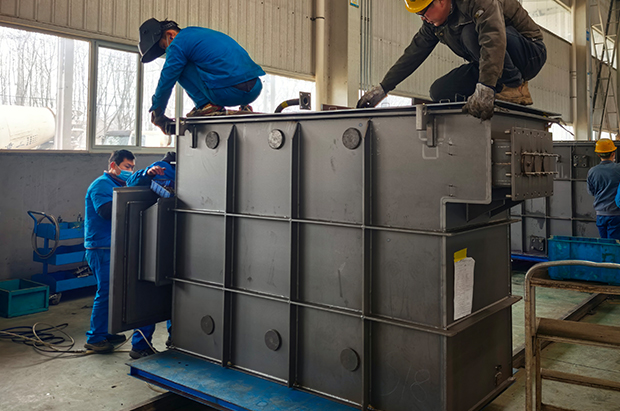
Step 3: Welding & Assembly
Step 4: Surface Treatment
Step 5: Testing
Each tank undergoes:
✔ Leakage testing
✔ Pressure testing
✔ Dimensional inspection
✔ Welding inspection
Although many tanks are maintenance-free, periodic checks include:
Transformer oil tanks are used in:
Modern transformer oil tank design is evolving toward:
✔ Engineering capability
✔ Custom design support
✔ Quality control
✔ Global export experience
✔ Reliable delivery
Q1: What is the function of a transformer oil tank?
A: It provides cooling, insulation, and mechanical protection.
Q2: What is the best oil tank design?
A: It depends on transformer size—corrugated for small, radiator for large.
Q3: Can oil tanks be customized?
A: Yes, based on transformer specifications.
Q4: What materials are used?
A: Carbon steel, stainless steel, and galvanized steel.
Q5: How long is production time?
A: Typically 15–30 days depending on complexity.