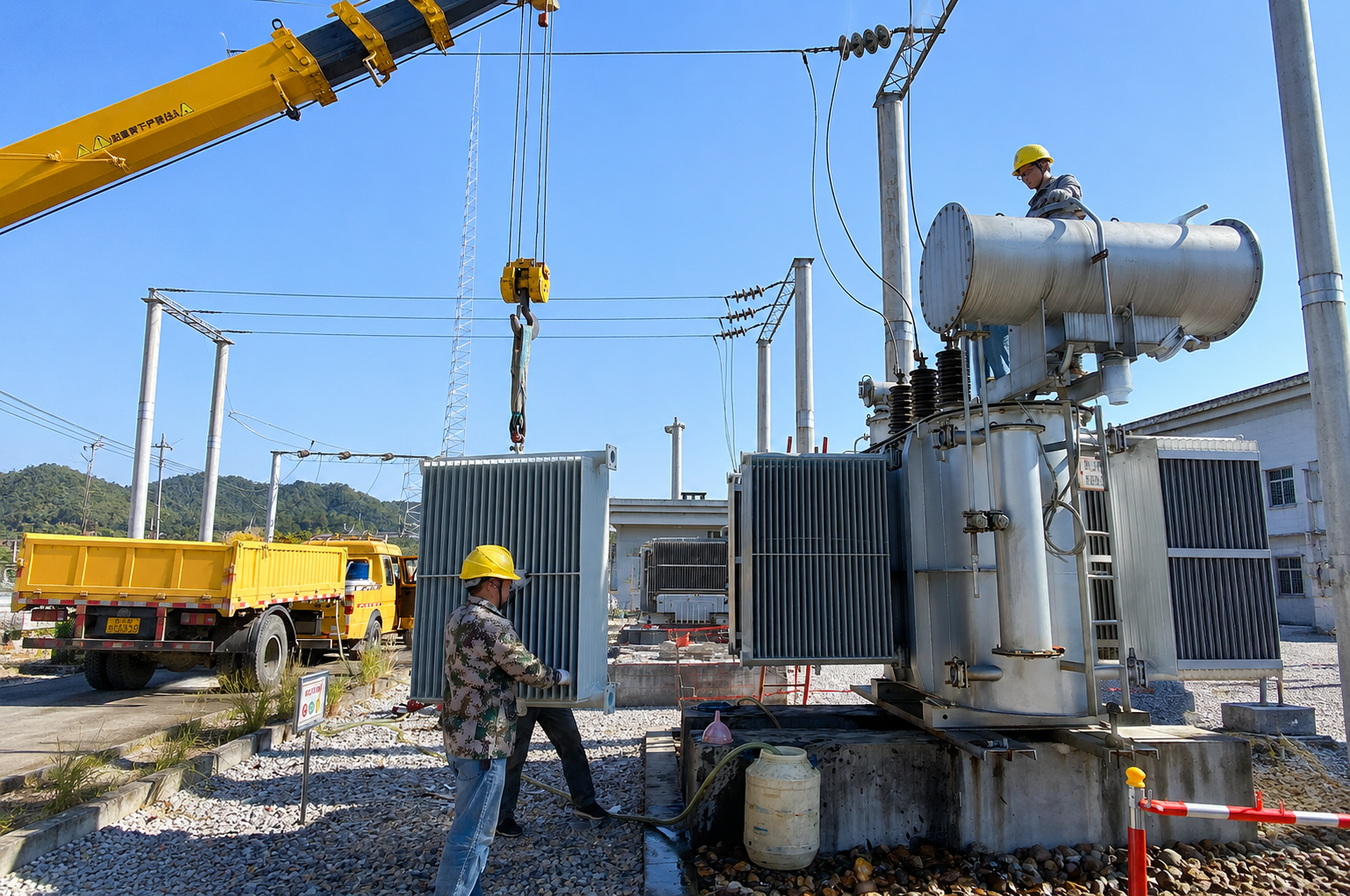
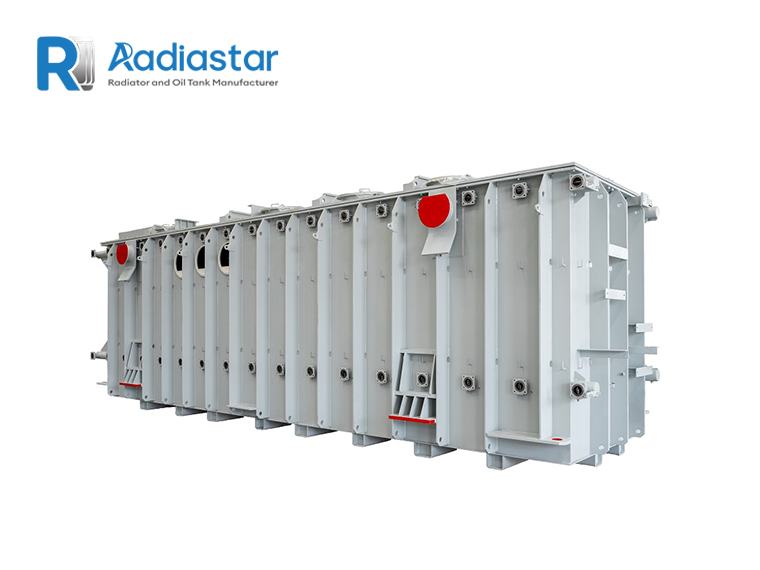
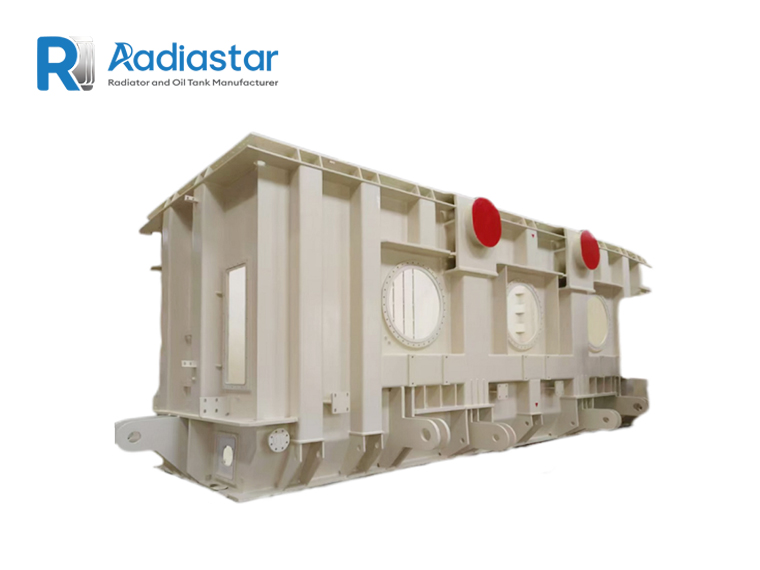
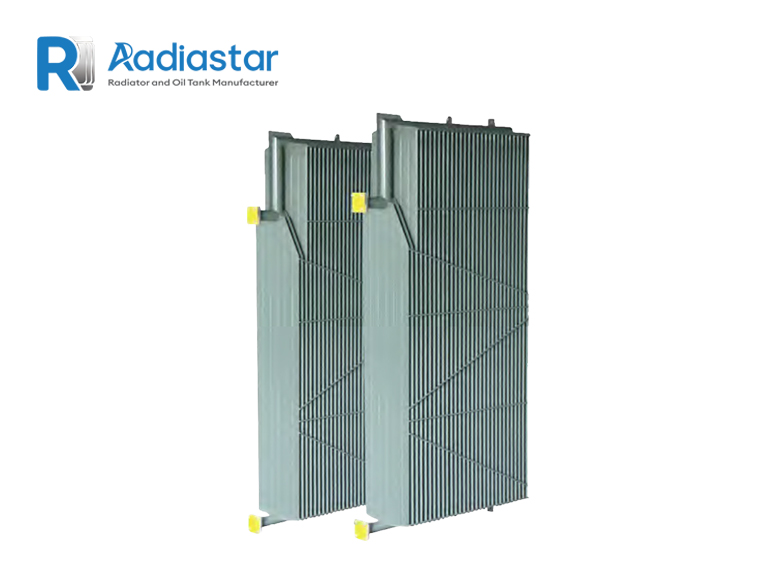
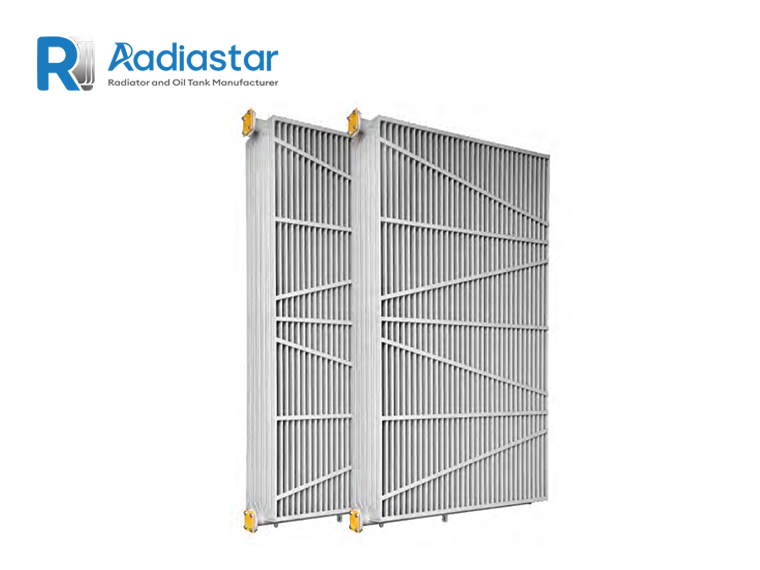
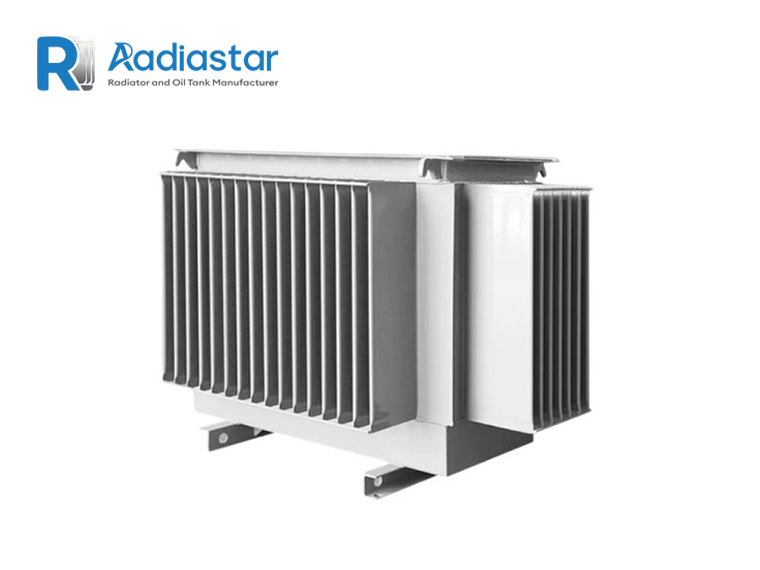
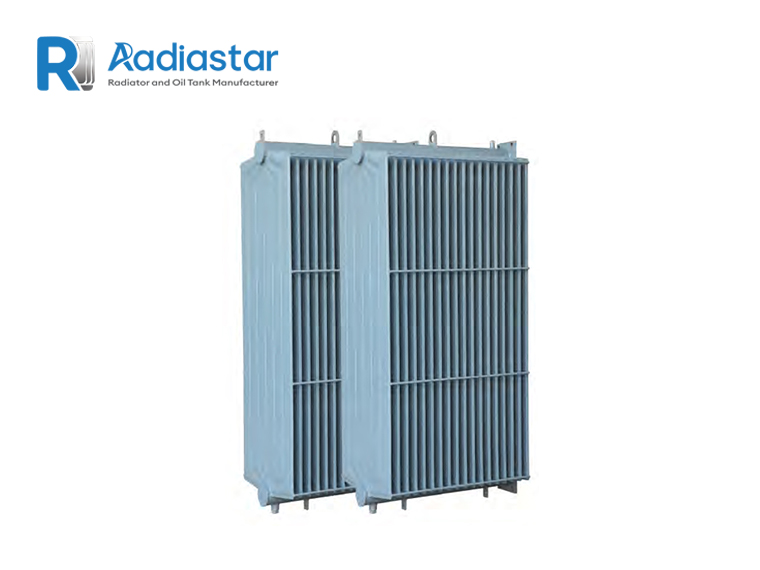
1. What is a Transformer Oil Tank?
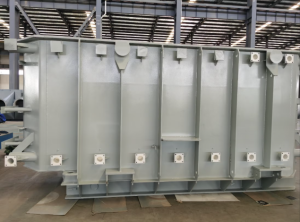
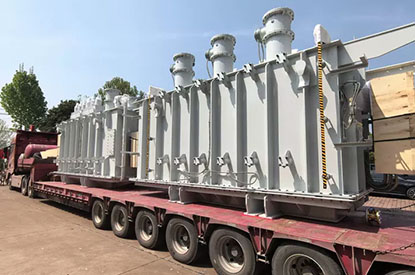
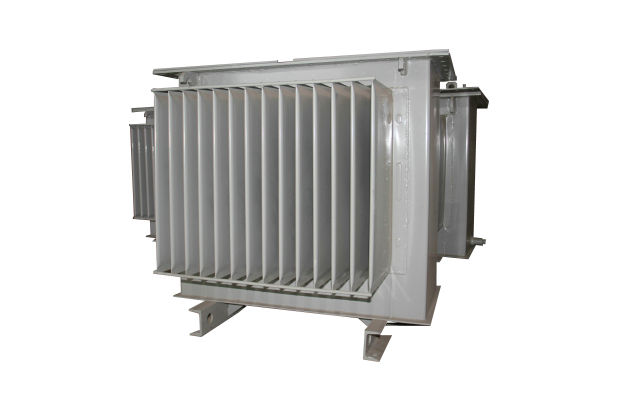
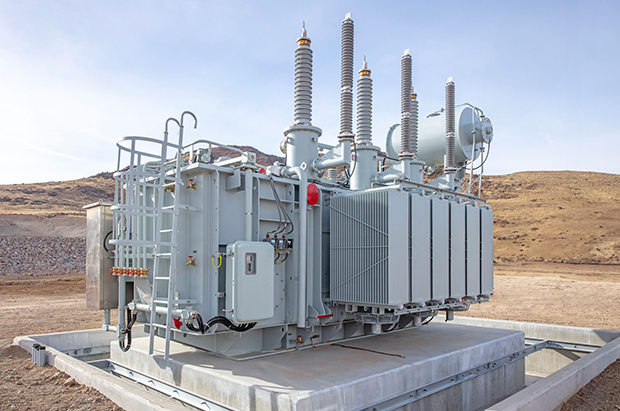
A transformer oil tank is a metallic enclosure that holds the insulating and cooling oil in oil-immersed transformers. It serves as the primary medium for heat dissipation and electrical insulation. Transformer oil is typically a highly refined mineral oil with excellent dielectric properties.

1.1 Core Functions of a Transformer Oil Tank
- Insulation: The oil surrounds transformer windings and the core, preventing electrical faults by maintaining high dielectric strength.
- Cooling: Transformers generate heat during operation. The oil circulates within the tank, transferring heat from windings to radiators or the tank surface.
- Protection: The tank structure safeguards the internal components from moisture, dust, and external mechanical damage.
- Oil Expansion Accommodation: Transformer oil expands when heated. Oil tanks often include conservators or expansion compartments to handle volume changes safely.
2. Why is a Transformer Oil Tank Important for Power Transformers?
The transformer oil tank is not merely a container; it plays a vital role in the operational stability of a transformer. Here’s why:
2.1 Ensures Efficient Cooling
Transformers generate significant heat under load. Without proper cooling, insulation can degrade rapidly, leading to early failure. The oil tank allows:
- ONAN Cooling (Oil Natural Air Natural): Natural circulation of oil and ambient air keeps the transformer within safe temperature limits.
- ONAF Cooling (Oil Natural Air Forced): Fans or blowers accelerate cooling for high-load or tropical applications.
2.2 Maintains Electrical Insulation
Transformer oil is an excellent dielectric medium. By fully immersing windings and core in oil, the tank ensures:
- High voltage insulation between primary and secondary circuits
- Protection against short circuits caused by moisture or contamination
2.3 Enhances Transformer Longevity
By controlling heat and maintaining insulation quality, transformer oil tanks extend operational lifespan, reducing maintenance costs and downtime.
2.4 Protects Against Environmental Factors
Modern oil tanks are built with high-strength steel, corrosion-resistant coatings, and leak-proof seals, enabling transformers to withstand harsh climates, industrial dust, and mechanical stress during transport.
3. Types of Transformer Oil Tanks
Transformer oil tanks are not one-size-fits-all. Their design depends on cooling methods, transformer capacity, and installation environment.
3.1 ONAN (Oil Natural Air Natural) Tanks
- Uses natural oil circulation and ambient air for cooling
- Suitable for medium-load transformers in indoor substations
- Advantages: simple design, low maintenance, cost-effective
3.2 ONAF (Oil Natural Air Forced) Tanks
- Incorporates fans or blowers for forced air cooling
- Ideal for high-capacity transformers or hot climates
- Advantages: faster heat dissipation, supports peak loads
3.3 Oil-Conservator Tanks
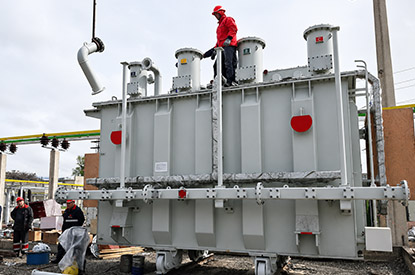
- Includes a separate conservator compartment to accommodate oil expansion
- Often equipped with silica gel breather to maintain oil purity
- Common in outdoor high-voltage substations
3.4 Rectangular & Corrugated Tanks
- Rectangular tanks: simple, easier to transport, used for compact transformers
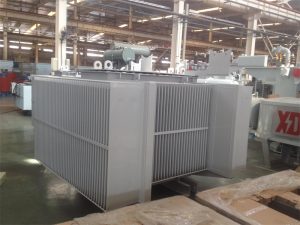
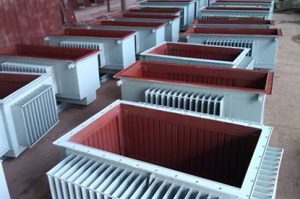
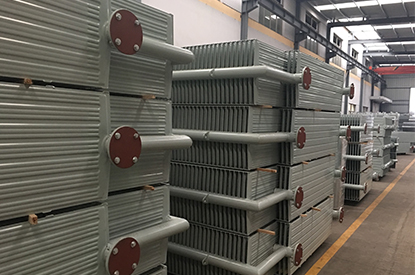
- Corrugated tanks: allow expansion and contraction, reduce structural stress, common for high-voltage industrial transformers
4. Advantages of Oil-Immersed Transformers with Radiastar Oil Tanks
Radiastar, a leading transformer manufacturer, specializes in designing high-performance oil tanks integrated into SZ11, SZ13, and other series transformers.
4.1 High Reliability
Radiastar oil tanks are rigorously tested for:
- Pressure and leakage resistance
- Thermal stability under prolonged load
- Mechanical robustness for transportation and installation
4.2 Efficient Cooling
Radiastar tanks are engineered to optimize oil flow and heat transfer, ensuring transformers remain within ideal temperature ranges even in demanding African and tropical environments.
4.3 Customization
- Voltage levels: 10kV–110kV
- Capacity: 3MVA–60MVA+
- Cooling options: ONAN, ONAF, ONAN+ONAF hybrid
- Optional conservators or monitoring sensors
4.4 Maintenance-Friendly Design
- Oil sampling valves, level indicators, and thermal monitoring points
- Simplifies preventive maintenance and reduces operational downtime
5. Applications of Transformer Oil Tanks
Transformer oil tanks are used across various sectors:
5.1 Urban Substations
- Compact design enables installation in dense urban areas
- Supports reliable electricity distribution for residential and commercial districts
5.2 Industrial Facilities
- Provides stable power for factories, mining operations, and heavy equipment
- Reduces transformer overheating risks, critical for continuous operations
5.3 Railway Electrification
- Supplies traction power for rail networks
- Tanks compatible with OLTC (On-Load Tap Changer) transformers for voltage regulation
5.4 Renewable Energy Integration
- Works with medium-voltage solar and wind power inverters
- Ensures stable grid integration for decentralized energy sources
6. Maintenance Best Practices for Transformer Oil Tanks
Proper care ensures long-term reliability:
6.1 Regular Oil Testing
- Test for dielectric strength, moisture content, and contamination
- Prevents insulation breakdown and equipment failure
6.2 Monitoring Temperature
- Ensure oil temperature does not exceed rated limits
- Use built-in thermal sensors for real-time monitoring
6.3 Leak Detection and Tank Integrity
- Inspect seals, gaskets, and welding for signs of corrosion or leakage
- Prompt repair prevents costly downtime
6.4 Cleaning and Preventive Measures
- Maintain cleanliness of external tank surface
- Replace silica gel breather periodically to maintain oil purity
7. Radiastar Oil Tanks in Real-World Projects
Radiastar’s oil tanks are widely deployed in Africa, Asia, and Europe:
- African Electrification Projects: 110kV 50MVA SZ11 transformers with Radiastar oil tanks ensure reliable city and industrial power
- Urban Substations: Compact oil tanks for limited space installations
- Industrial and Renewable Applications: Oil tanks provide efficient cooling and insulation, enabling continuous operation in extreme climates
These case studies demonstrate Radiastar’s commitment to quality, durability, and customer satisfaction.
8. Choosing the Right Transformer Oil Tank
When selecting an oil tank, consider:
- Transformer Capacity and Voltage – Match tank size to transformer load
- Cooling Requirements – ONAN or ONAF depending on environment and peak load
- Installation Environment – Indoor vs outdoor, climate conditions
- Maintenance Accessibility – Include oil sampling and temperature monitoring
- Brand Reputation – Radiastar offers certified, high-quality oil tanks tested to IEC 62271 standards
9. Conclusion
The transformer oil tank is an essential component of any oil-immersed power transformer, providing:
- Efficient cooling
- Reliable electrical insulation
- Enhanced transformer longevity and safety
By choosing Radiastar transformer oil tanks, utilities and industrial operators gain:
- Proven reliability in challenging environments
- High-performance cooling for peak loads
- Customizable solutions for voltage and capacity requirements
Investing in quality transformer oil tanks ensures long-term energy infrastructure stability, reduces maintenance costs, and supports modern power systems across urban, industrial, and renewable applications.