
In modern electrical power systems, oil-immersed transformers are essential for reliable energy transmission and distribution. While transformer cores and windings often receive the most attention, the transformer oil tank is equally important because it directly influences cooling performance, insulation reliability, operational safety, and transformer lifespan.
A transformer oil tank is much more than a steel enclosure. Its design determines how effectively transformer oil circulates, how heat dissipates, how pressure is managed, and how well the transformer withstands environmental conditions.
As global demand continues growing for utility substations, renewable energy infrastructure, railway electrification, and industrial power systems, selecting the right transformer oil tank design has become increasingly important.
As a professional transformer component manufacturer, Radiastar Official Website specializes in manufacturing:
With advanced engineering capabilities and extensive export experience, Radiastar supplies reliable transformer oil tank solutions for power infrastructure projects worldwide.
This engineering guide explains the most common transformer oil tank designs, their advantages, applications, cooling characteristics, and selection considerations.
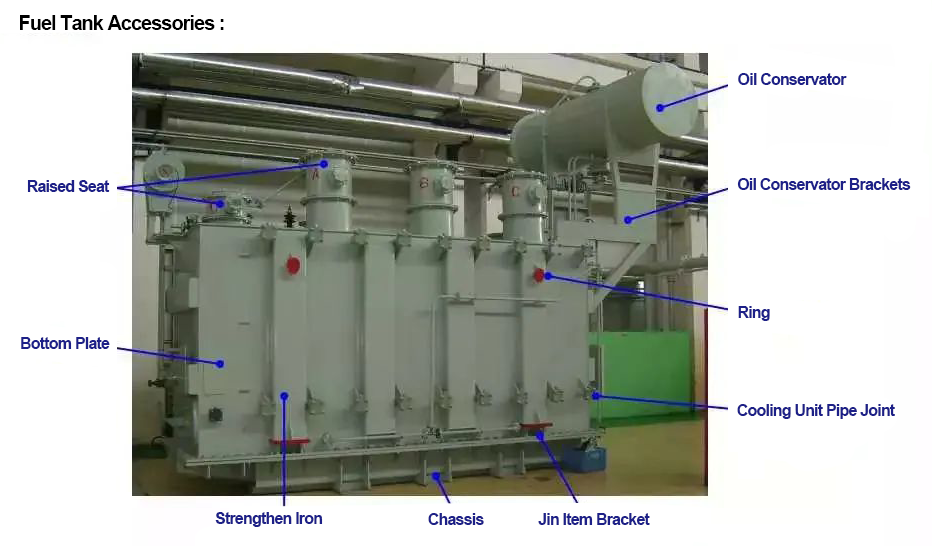
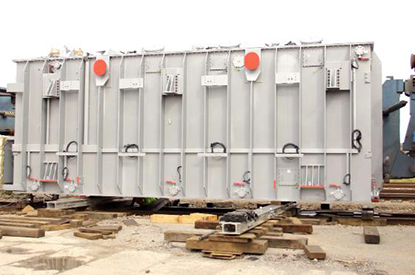
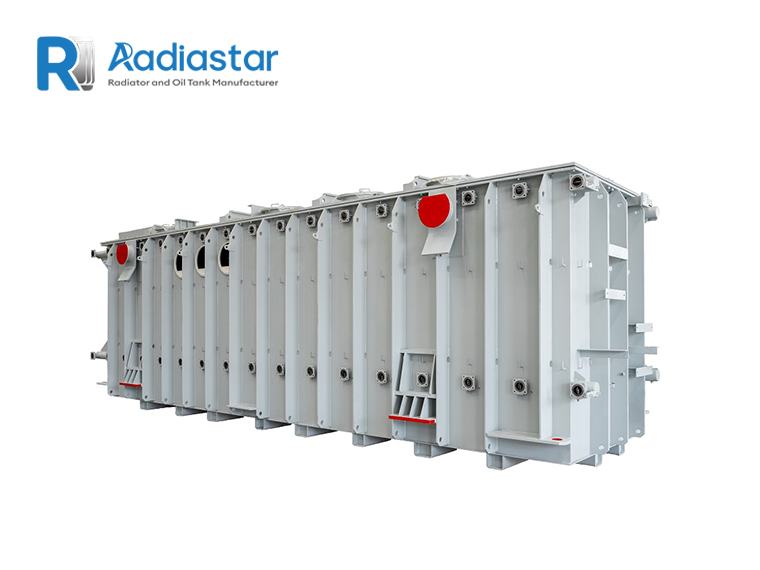
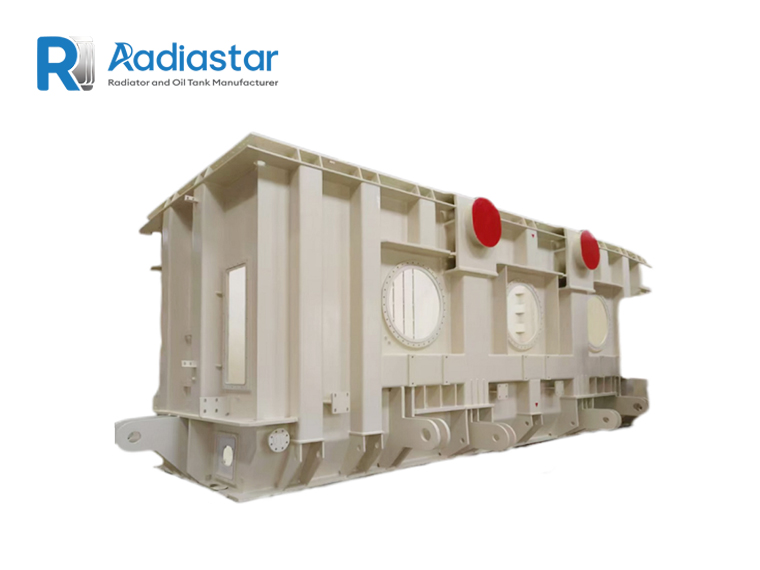
A transformer oil tank is the primary enclosure used in oil-immersed transformers. It contains:
The transformer oil tank performs several critical functions:
Without an efficient oil tank design, transformers may suffer from overheating, oil leakage, insulation degradation, and reduced operational lifespan.
Transformer oil tank design directly affects:
Poorly designed tanks may lead to:
This is why transformer manufacturers and EPC contractors carefully evaluate tank structures before selecting a supplier.
Radiastar engineering teams optimize transformer oil tank structures according to transformer capacity, cooling method, and environmental conditions.
Different transformer applications require different oil tank structures.
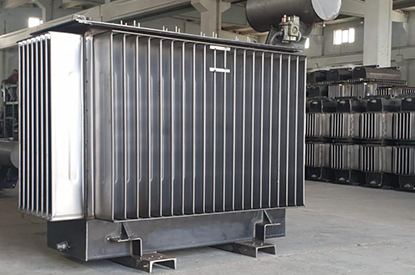
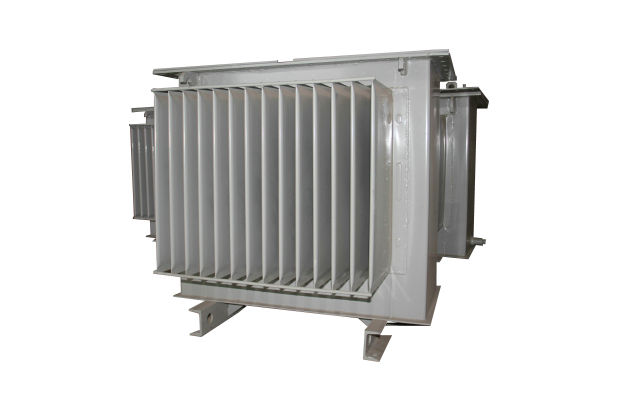
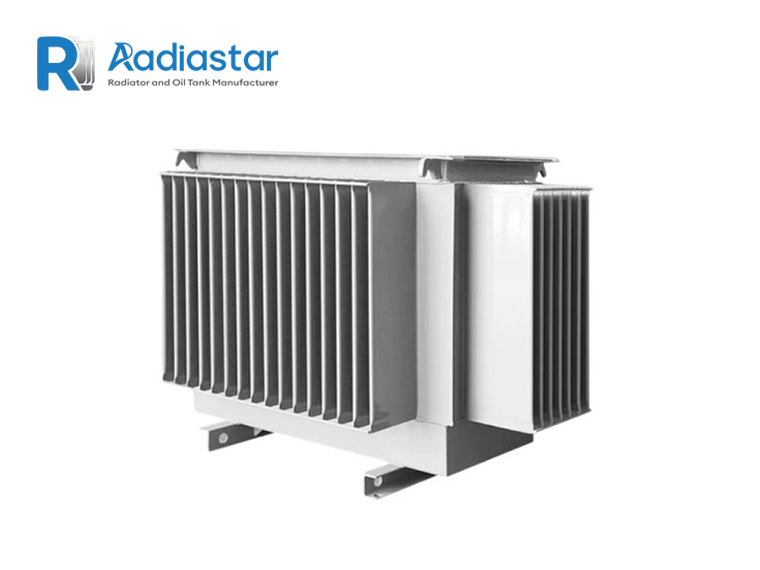
Corrugated transformer tanks are widely used in distribution transformers and compact substations.
In this design, corrugated fins are integrated directly into the tank walls.
The corrugated fins serve two purposes:
As transformer oil temperature changes, the corrugated walls expand and contract naturally.
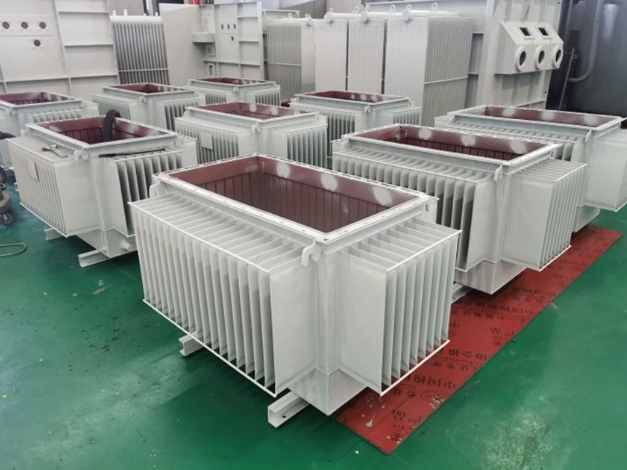
Corrugated transformer tanks are commonly used in:
Radiastar manufactures customized corrugated transformer tanks for various voltage levels and transformer capacities.
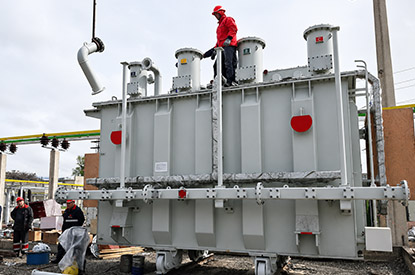
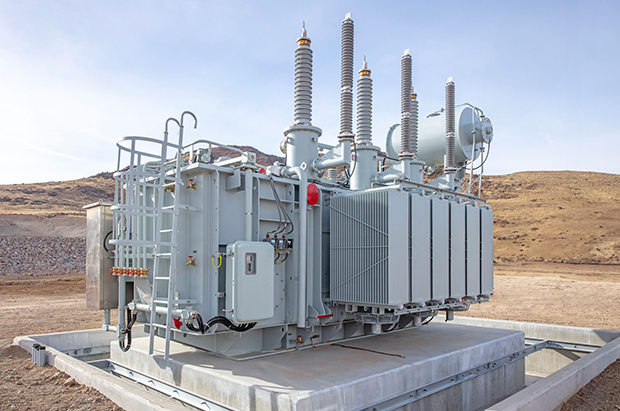
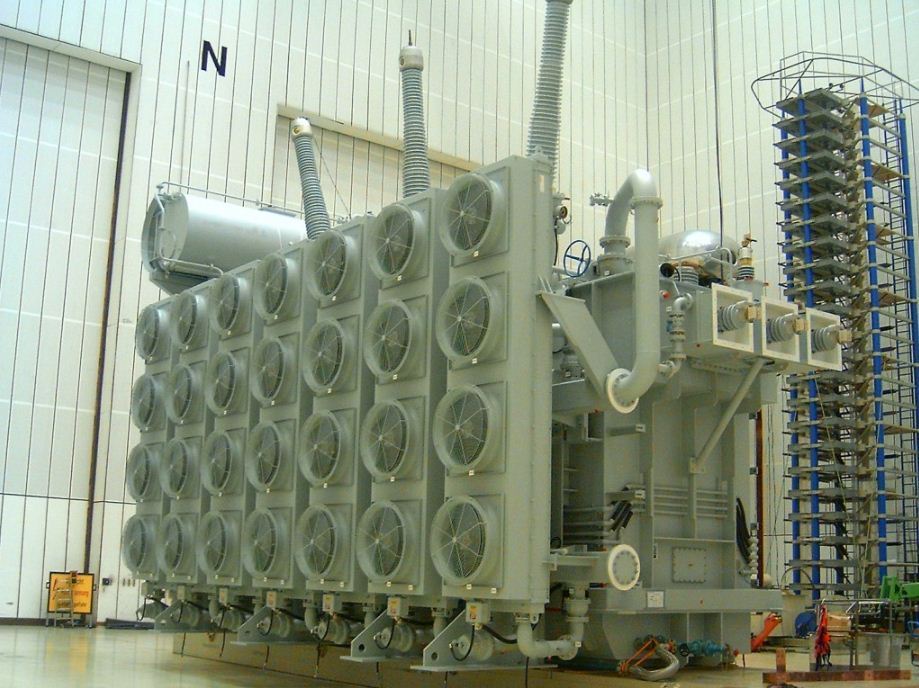
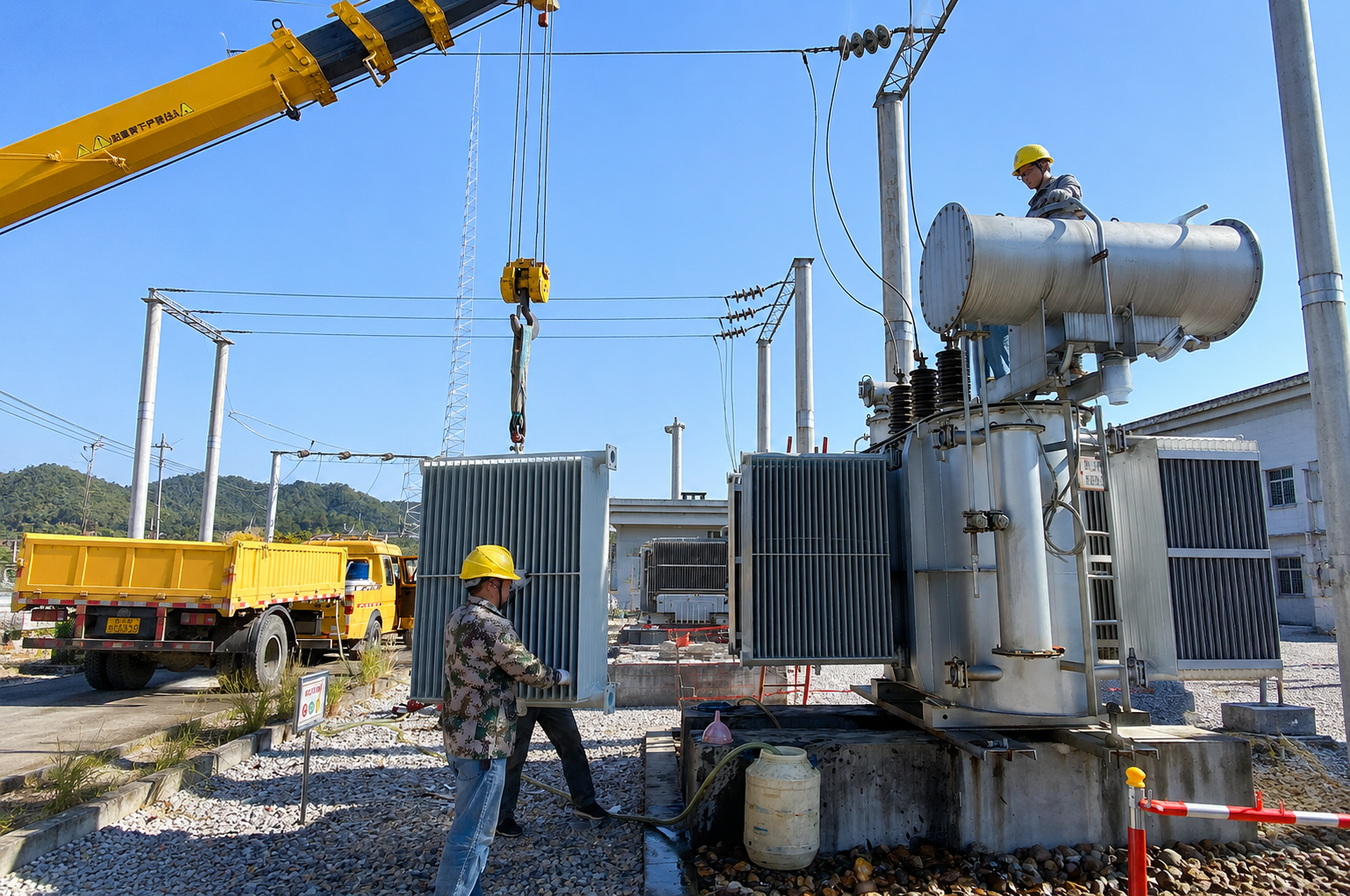
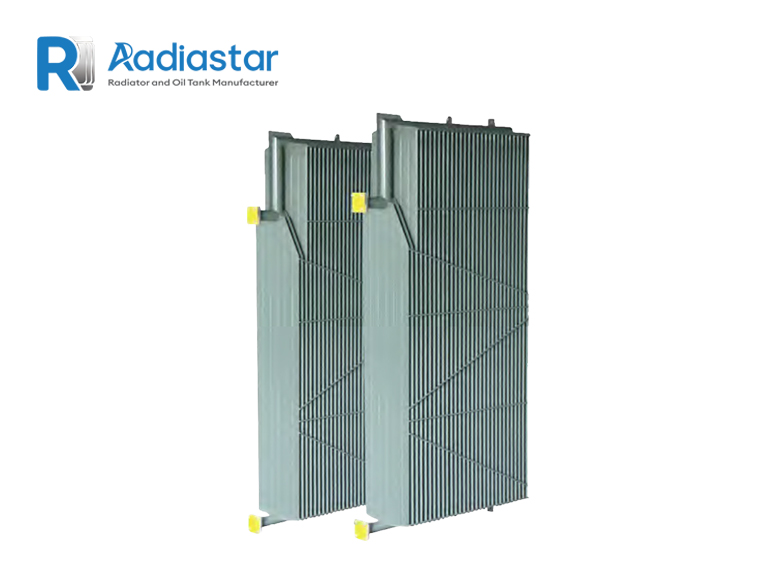
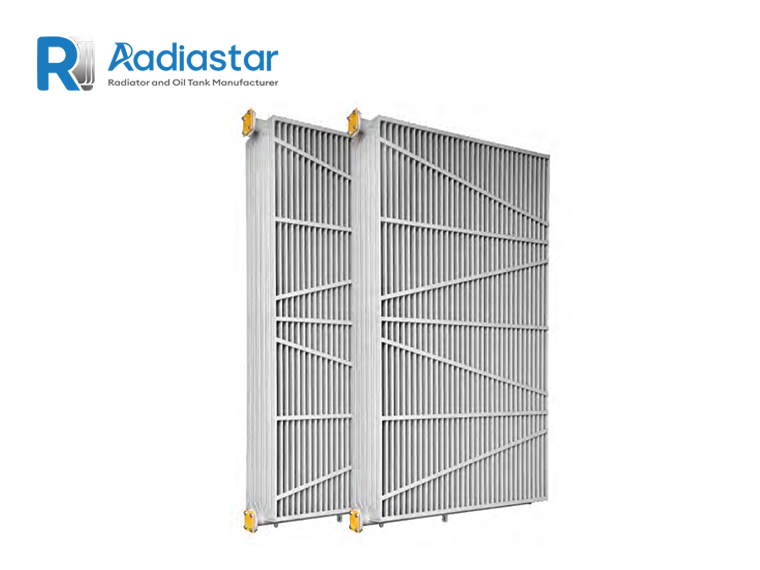
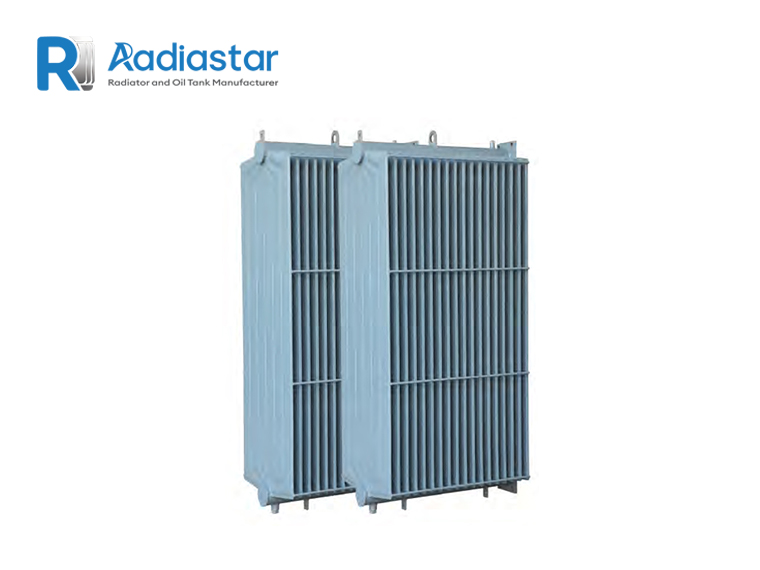
Radiator-type transformer tanks are commonly used in medium and large power transformers.
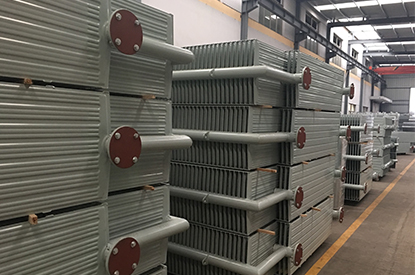
In this design, external radiator panels are connected to the transformer tank through flange connections.
This continuous circulation process improves cooling efficiency.
Radiator-type tanks are widely used in:
Radiastar manufactures detachable radiator systems with advanced anti-leakage welding technology.
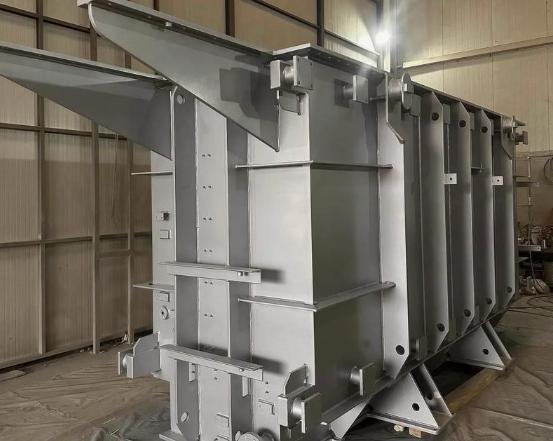
Hermetically sealed transformer tanks isolate transformer oil from outside air.
This design prevents contact between transformer oil and atmospheric oxygen.
Radiastar engineers hermetically sealed tanks for long-term reliability in outdoor environments.
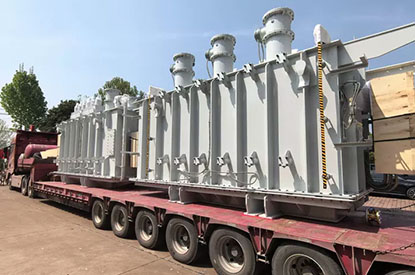
Conservator tanks are commonly used in large power transformers.
The conservator is mounted above the main transformer tank and connected through piping systems.
As transformer oil expands and contracts:
Radiastar manufactures customized conservator systems with advanced sealing structures.
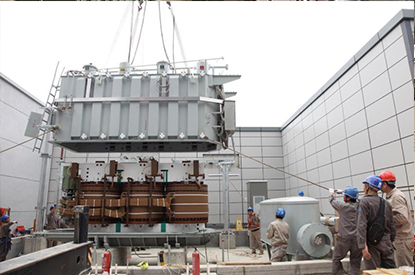
Bell-type transformer tanks separate the upper cover from the lower tank body.
This design simplifies transformer assembly and maintenance.
Transformer tank designs are closely related to cooling methods.
| Cooling Method | Full Name | Typical Tank Design |
|---|---|---|
| ONAN | Oil Natural Air Natural | Corrugated / radiator |
| ONAF | Oil Natural Air Forced | Radiator with fans |
| OFAF | Oil Forced Air Forced | Forced oil circulation |
| OFWF | Oil Forced Water Forced | Heat exchanger systems |
Choosing the correct cooling structure improves transformer thermal stability and operational reliability.
Radiastar designs customized transformer cooling systems according to project requirements.
Material quality directly affects tank durability and corrosion resistance.
| Material | Advantages |
|---|---|
| Carbon Steel | High strength and economical |
| Galvanized Steel | Better anti-corrosion performance |
| Stainless Steel | Excellent durability |
| Weather-Resistant Steel | Suitable for harsh environments |
Radiastar selects tank materials according to environmental conditions and project specifications.
Manufacturing quality significantly affects transformer performance and leakage prevention.
Radiastar uses advanced CNC cutting systems for precise fabrication.
Precision forming improves structural consistency and cooling performance.
Welding quality is critical for preventing oil leakage.
Radiastar applies:
Every weld seam undergoes strict inspection.
Every transformer oil tank undergoes:
| Parameter | Specification |
|---|---|
| Voltage Class | 10kV – 220kV |
| Transformer Capacity | 100kVA – 250MVA |
| Tank Thickness | 3mm – 20mm |
| Cooling Method | ONAN / ONAF / OFAF |
| Surface Treatment | Sandblasting + Anti-Corrosion Paint |
| Leakage Rate | ≤0.01% |
| Corrosion Protection | C3 / C4 / C5 |
| Operating Temperature | -45°C to +55°C |
| Applicable Standards | IEC / ANSI / DIN |
Radiastar also supports OEM transformer oil tank manufacturing based on customer drawings and project specifications.
Transformer oil tanks are widely used across modern electrical infrastructure.
Large substations require high-strength transformer oil tanks with efficient cooling systems.
Solar and wind farms require compact and reliable transformer cooling structures.
Radiastar supplies transformer tanks for:
Traction transformers require vibration-resistant oil tank structures for demanding operating conditions.
Industries including:
depend on reliable transformer cooling systems.
As a professional transformer component manufacturer, Radiastar Transformer Tank Solutions provides reliable transformer oil tank systems for global power infrastructure projects.
Radiastar production facilities include:
Every transformer tank undergoes:
Radiastar supports:
Radiastar products have been exported to:
Applications include:
Modern transformer tanks increasingly integrate:
Environmental regulations encourage:
Modern substations require:
Radiastar continues investing in advanced transformer tank engineering technologies to meet future industry requirements.
Corrugated transformer tanks are commonly used in distribution transformers, while radiator-type tanks are widely used in large power transformers.
They reduce oil oxidation and moisture contamination, improving transformer lifespan.
A conservator manages transformer oil expansion and helps maintain stable internal pressure.
Yes. Radiastar provides customized transformer oil tank manufacturing according to customer technical drawings and project requirements.
Radiastar products comply with IEC, ANSI, DIN, and customer-specific international standards.
Transformer oil tank design directly affects transformer cooling efficiency, insulation reliability, operational safety, and long-term performance.
From corrugated tanks and radiator cooling systems to conservator structures and hermetically sealed designs, every tank type serves specific operational requirements.
With advanced manufacturing technology, strict quality control, customized engineering support, and extensive export experience, Radiastar has become a trusted global supplier of transformer oil tank solutions.
Whether your project requires:
Radiastar delivers reliable engineering solutions designed for modern power infrastructure applications.