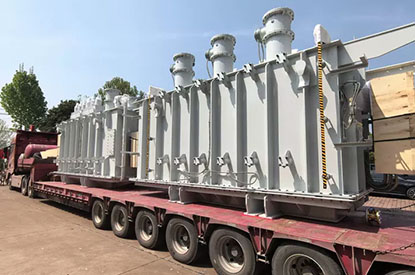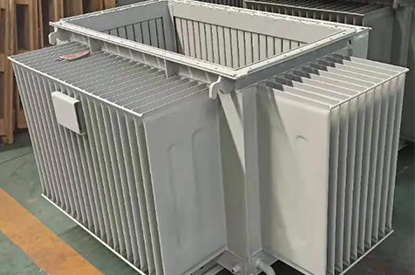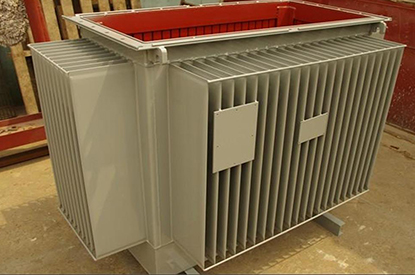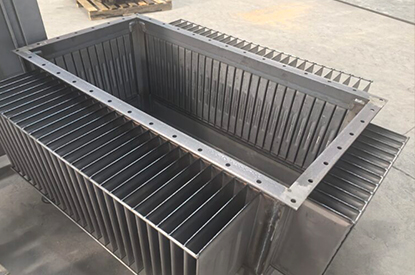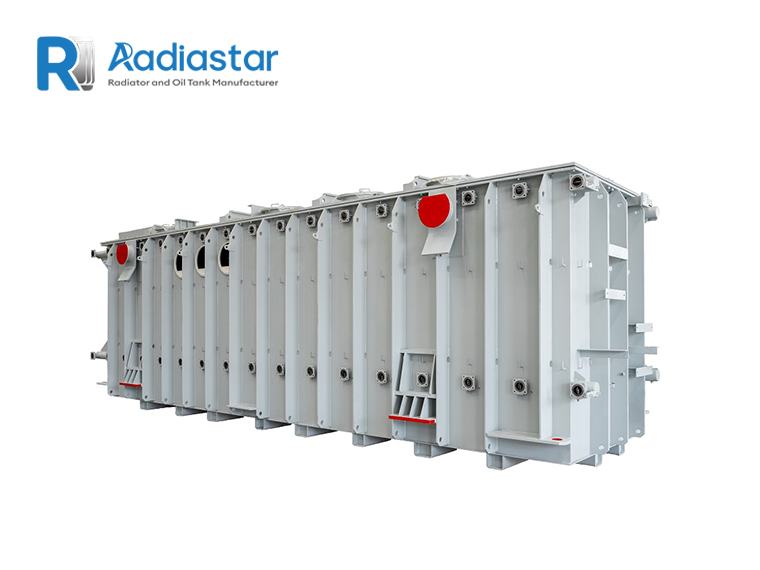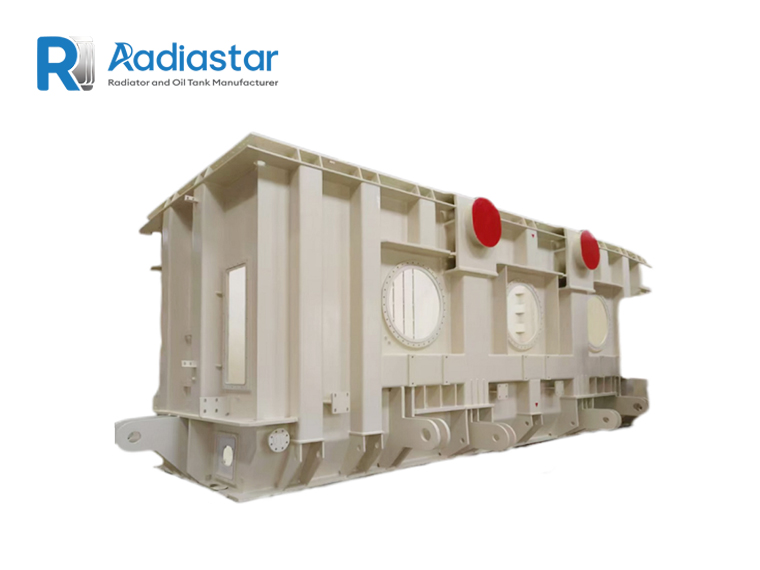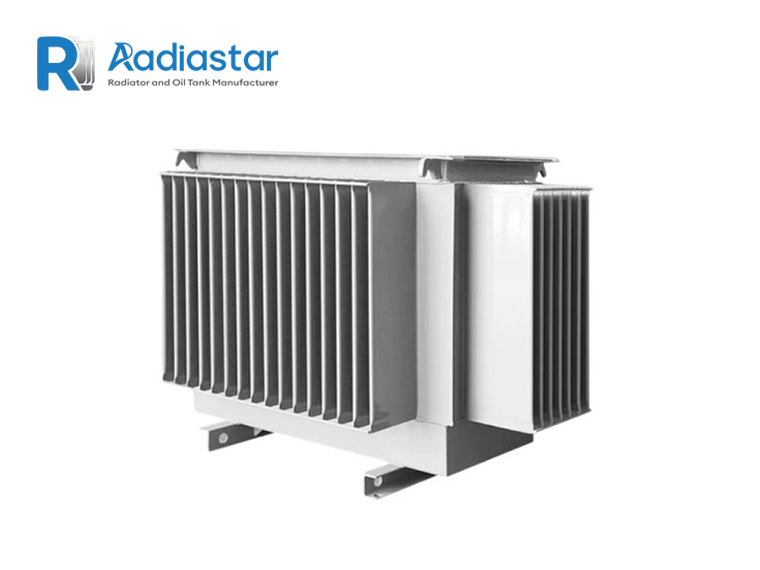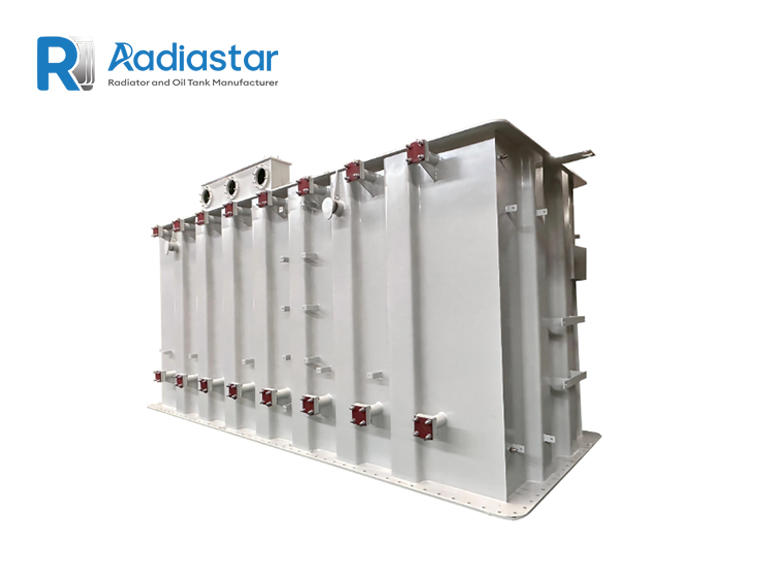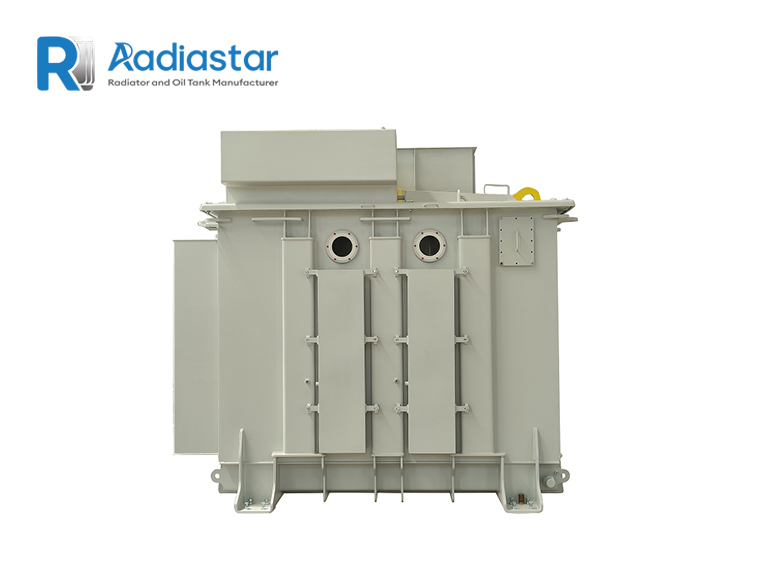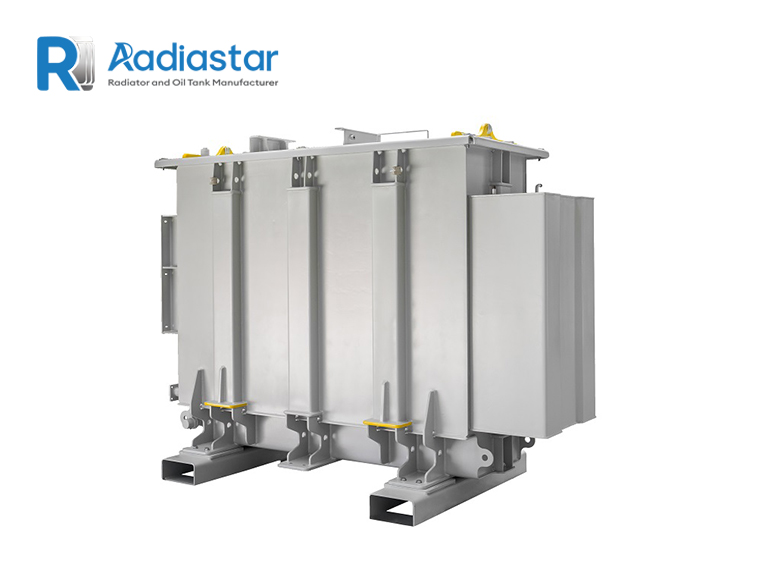

Oil leakage is one of the most serious field failures in power transformers. A leaking tank can allow moisture and air to enter the insulating oil, reduce dielectric strength, contaminate the environment, and create a fire hazard. Transformer manufacturers, utilities, and industrial plants all demand leak-proof tanks with documented testing and long-term reliability.
This article examines the root causes of transformer tank leakage, the welding and sealing defects that contribute to leaks, and the prevention methods used by professional OEM manufacturers. It also covers the testing standards that verify leak-proof performance, such as air pressure test, hydrostatic test, and vacuum test.
Radiastar manufactures transformer tanks with a focus on leak-free design, controlled welding, and comprehensive testing. Our approach is based on years of OEM experience and international quality requirements.
Transformer tank leakage typically occurs through one of the following paths:
Weld defects – porosity, cracks, lack of fusion, incomplete penetration
Gasket and seal failure – aging, compression set, chemical incompatibility, improper installation
Corrosion pinholes – wall thinning and perforation due to atmospheric or chemical attack
Mechanical damage – impact during transport, lifting, or installation
Thermal fatigue – repeated expansion and contraction causing crack growth
Design issues – sharp corners, poor stiffener layout, water traps
transformer tank oil leakage causes and mechanisms
Understanding the mechanism helps manufacturers apply the right prevention at the design, fabrication, and testing stages.
Welding is the most critical process for leak-proof transformer tanks. Common welding defects and their effects include:
| Defect | Description | Leakage Risk |
|---|---|---|
| Porosity | Gas pockets trapped in weld metal | High – can create interconnected voids |
| Lack of fusion | Weld metal does not fuse with base metal | High – forms crack-like paths |
| Incomplete penetration | Weld does not reach root of joint | High – leak path remains open |
| Cracks | Fractures in weld or heat-affected zone | High – propagate under thermal stress |
| Undercut | Groove at weld toe | Medium – stress concentration |
| Slag inclusions | Non-metallic particles in weld | Medium – can create leak paths |
welding defects causing transformer tank leakage
Professional manufacturers control welding through:
Qualified welding procedure specifications (WPS) and procedure qualification records (PQR)
Certified welders tested to ISO 9606 or AWS D1.1
Proper joint design with accessible root and adequate bevel angles
Pre-weld cleaning to remove rust, oil, and moisture
Controlled heat input and interpass temperature
Use of correct filler metal and shielding gas
Post-weld visual inspection and non-destructive testing
preventing welding defects in transformer oil tanks
Radiastar maintains a welding quality system aligned with ISO 3834. Critical welds receive dye penetrant or magnetic particle inspection, and final tanks undergo pressure testing.
Flanged connections, manholes, radiator flanges, and bushing mounting plates all use gaskets or seals. Over time, these seals can fail due to:
Compression set – rubber loses elasticity after prolonged compression
Thermal aging – high oil temperature accelerates hardening and cracking
Chemical incompatibility – gasket material not resistant to transformer oil or additives
Improper installation – uneven bolt torque, misaligned flanges, damaged gasket
Flange surface defects – scratches, warpage, or insufficient flatness
transformer tank gasket selection and installation
| Material | Temperature Range | Oil Resistance | Application |
|---|---|---|---|
| Nitrile rubber (NBR) | -30°C to +100°C | Excellent | General oil seals |
| Cork-rubber | -20°C to +100°C | Good | Manhole covers |
| PTFE | -200°C to +260°C | Excellent | Acidic or high-temp service |
| Fluorocarbon (FKM) | -20°C to +200°C | Excellent | High-temperature oil |
| Graphite reinforced | Up to 450°C | Good | Flange gaskets |
best gasket material for transformer oil tank flanges
Radiastar machines flange faces flat and smooth, controls bolt torque during assembly, and tests all gasketed joints during pressure testing.
Corrosion is a time-dependent leakage mechanism. It starts as coating breakdown, progresses to rust and pitting, and eventually creates through-wall perforations. Common corrosion environments include:
Coastal salt spray
Industrial acid mist
Humid and wet conditions
Acidic soil contact
Stagnant water at base channels or under lifting lugs
corrosion pinhole leakage in transformer tank
Prevention includes:
Abrasive blasting to Sa 2.5 before coating
Epoxy zinc-rich primer for cathodic protection
Epoxy MIO intermediate coat and polyurethane topcoat
Full weld sealing to avoid crevices
Drain holes where needed
Stainless steel or acid-resistant lining for aggressive environments
corrosion protection for transformer oil tank
Radiastar recommends coating systems according to ISO 12944 and can provide dry film thickness reports and adhesion test results.
A leak-proof transformer tank starts at the design stage. Important design practices include:
Full-penetration welds for all main seams
Avoidance of overlapping joints that create hidden crevices
Proper stiffener spacing to prevent plate deflection under vacuum and pressure
Rounded corners where possible to reduce stress concentration
Lifting lugs designed for full oil weight to avoid local deformation
Drain and fill connections positioned for complete oil drainage
Bolted connections minimized unless necessary for access
leak-proof transformer tank design best practices
Radiastar engineers can review customer drawings and suggest improvements for weldability, leak prevention, and manufacturability.
Even with excellent design and welding, testing is required to prove leak tightness. The main testing standards and methods are described in detail in our companion article Transformer Tank Pressure Test & Leak Test Procedures Explained. Below is a summary:
| Test Method | Purpose | Common Parameters |
|---|---|---|
| Air pressure test | Detect weld and seal leaks | 0.5–1.0 bar, 15–30 min |
| Hydrostatic test | Verify strength and tightness | 1.3–1.5 × working pressure, 15–60 min |
| Vacuum test | Verify negative pressure integrity | -0.3 to -0.5 bar, 15–30 min |
| Dye penetrant test | Detect surface weld defects | Dwell 10–30 min |
| Ultrasonic testing | Detect subsurface weld defects | Optional |
transformer tank leak testing standards and procedures
Radiastar includes signed test reports in the final quality dossier for every tank.
Our leak prevention program includes:
Design review
Engineer checks welding access, stiffener placement, and flange design
3D modeling to identify potential water traps and stress points
Material control
Traceable steel plates and welding consumables
Certified gasket materials from approved suppliers
Welding management
WPS and PQR for each joint type
Certified welders
In-process visual inspection
Surface treatment
Sa 2.5 blasting
3-coat epoxy/PU system with DFT verification
Optional acid-resistant or stainless steel construction
Testing
100% air pressure test on every tank
Hydrostatic and vacuum tests when specified
Dye penetrant on critical welds
Final visual and dimensional inspection
OEM transformer tank manufacturer leak-proof guarantee
The most common causes are welding defects (porosity, lack of fusion), gasket failures, and corrosion pinholes. A robust leak-proof program must address all three.
Prevention includes good design, qualified welding, proper gasket selection and installation, corrosion-resistant coatings, and 100% pressure testing before shipment.
An air pressure test with soap solution is effective for detecting small weld leaks. Hydrostatic testing is even more sensitive because water is incompressible.
Yes. Corrosion can create pinholes through the tank wall, especially in coastal or chemical environments. Proper coating and material selection are essential.
Transformer tank leakage is a multi-causal problem that requires a systematic prevention approach. Welding quality, gasket selection, corrosion protection, design details, and final testing all play a role in ensuring a leak-free tank.
Radiastar provides OEM transformer tanks with documented leak-proof performance. We welcome technical audits and can provide sample test reports, welding documentation, and coating specifications. Contact our engineering team to discuss your leakage prevention requirements.