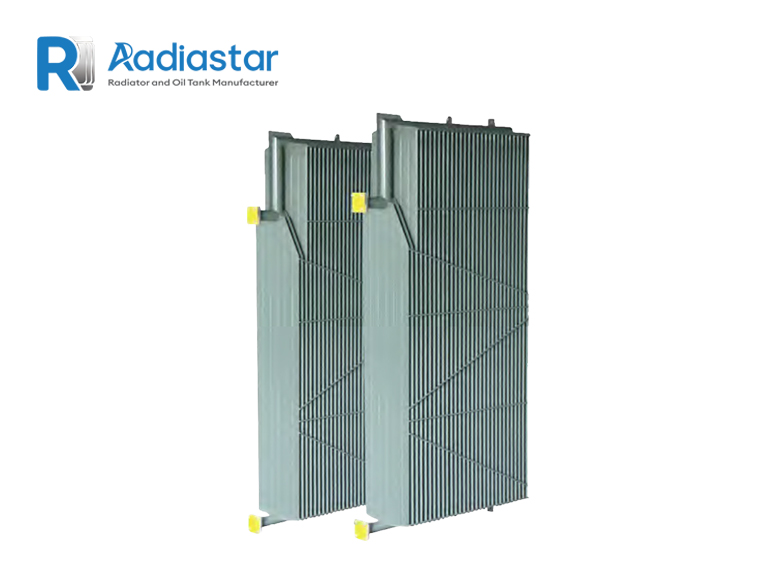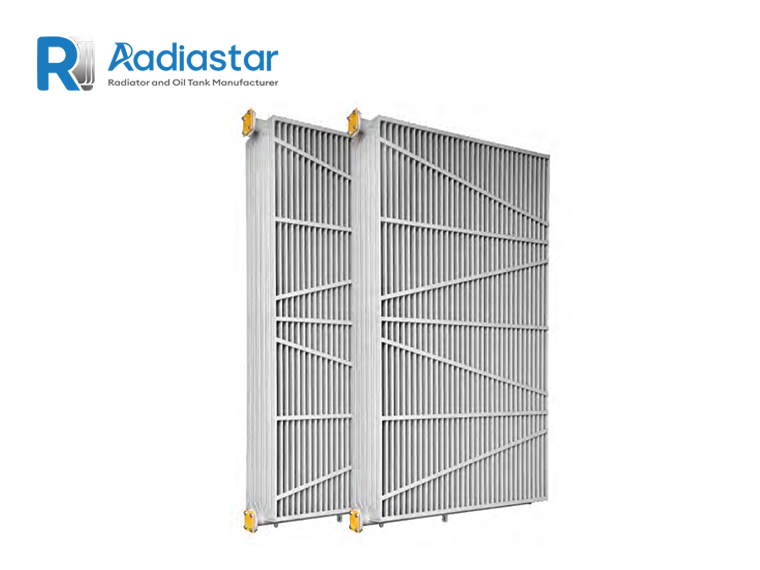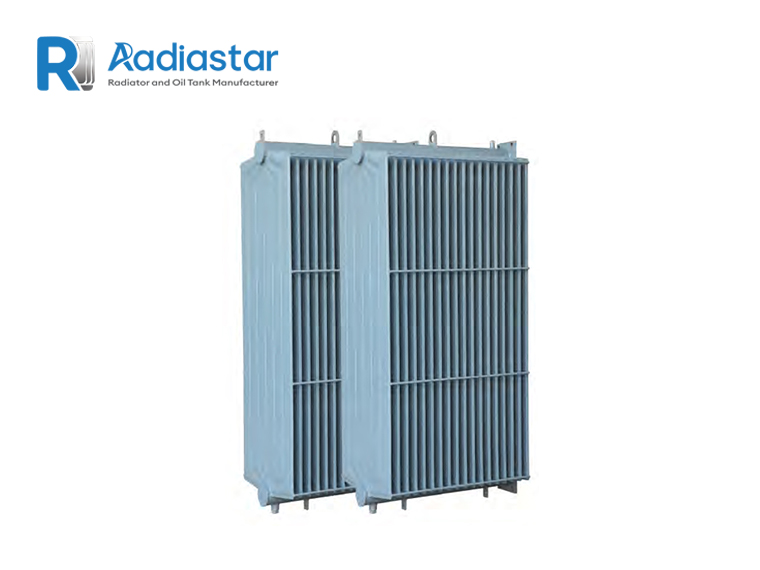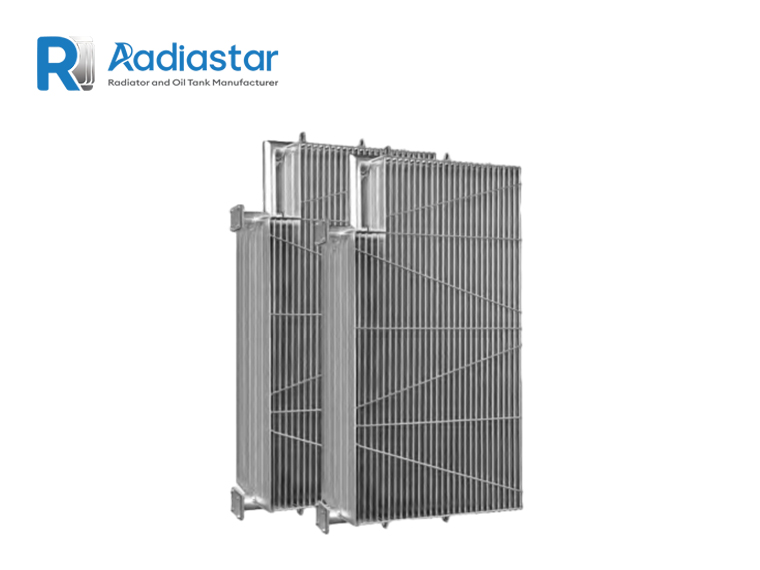

Transformers continuously generate heat during operation. If this heat is not removed efficiently, excessive temperatures can accelerate insulation aging, reduce transformer life, lower efficiency, and even lead to unexpected failures.
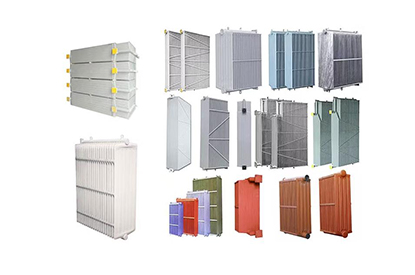
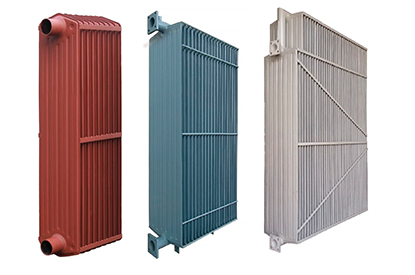
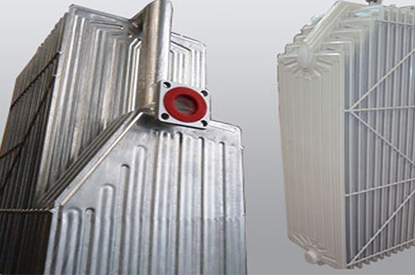
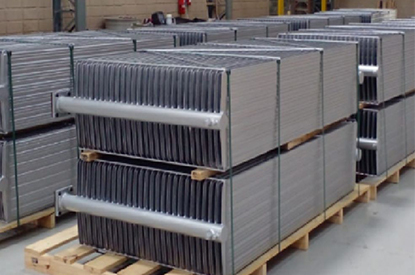
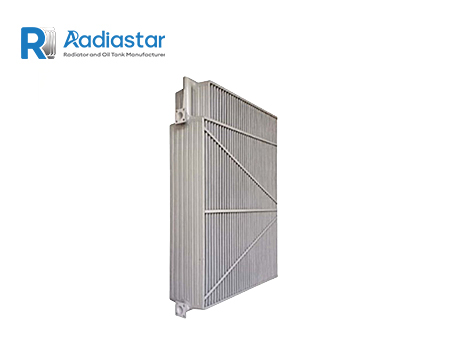
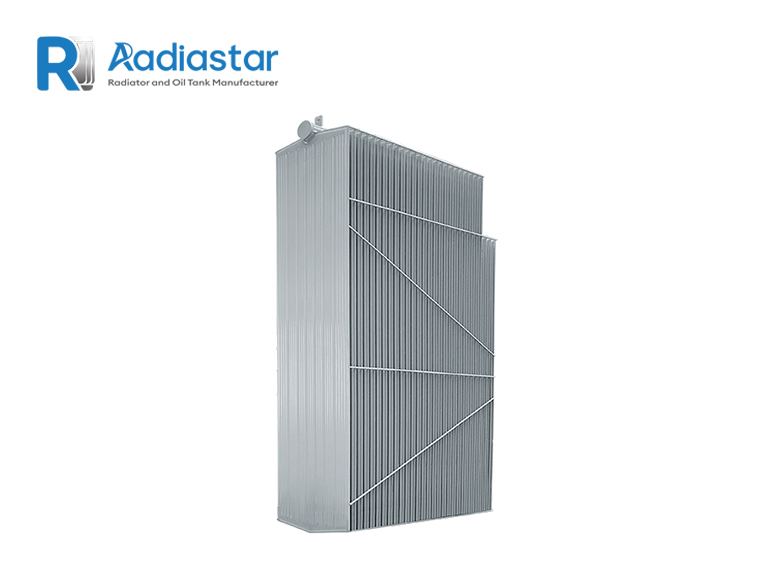
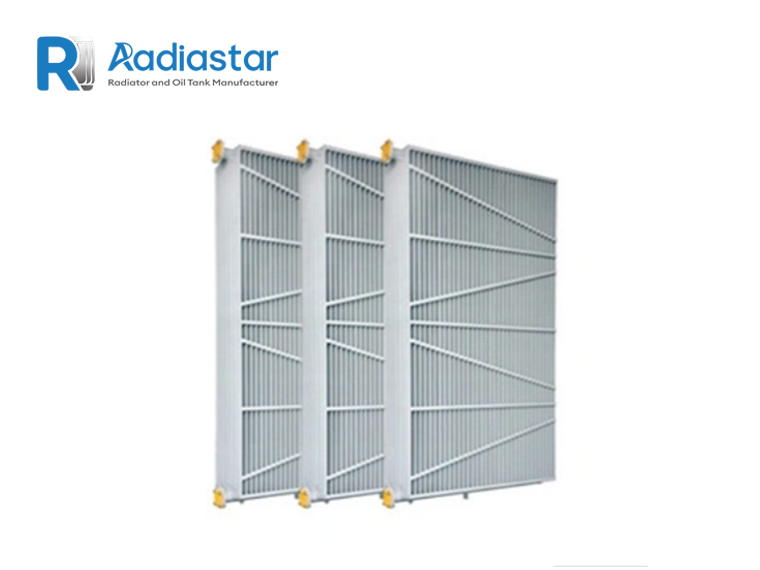
A transformer radiator is designed to transfer this heat safely from the transformer oil to the surrounding air. Modern radiators use optimized cooling surfaces, natural or forced oil circulation, and airflow management to maintain safe operating temperatures under varying load conditions.
Whether you are purchasing a new radiator, replacing an existing one, or designing a power transformer, understanding how transformer radiators work is essential for selecting the correct cooling solution.
Every transformer converts electrical energy with extremely high efficiency, but no transformer is 100% loss-free.
The two primary sources of heat are:
Core loss consists of:
These losses occur whenever the transformer is energized, even without load.
Copper loss is generated by electrical resistance in the windings and increases with load current.
As transformer loading rises, copper losses become the dominant heat source.
The purpose of the cooling system is to remove both types of heat continuously while keeping the insulation within its allowable temperature limits.
A transformer radiator works by combining three fundamental heat transfer principles.
Heat first travels through solid materials:
Copper has excellent thermal conductivity (approximately 401 W/m·K), allowing heat to move rapidly from the windings into the insulating oil.
Convection removes most of the transformer’s heat.
In an oil-filled transformer:
This continuous circulation creates an efficient cooling cycle without moving mechanical parts in naturally cooled transformers.
For larger transformers, pumps and fans increase circulation and significantly improve cooling performance.
Every hot surface emits infrared radiation.
Although radiation normally contributes only 10–15% of total heat dissipation, it still plays an important role, especially when transformer temperatures are high.
Combined with convection, radiation helps maintain stable operating temperatures.
Transformer oil performs two critical functions:
The oil absorbs heat from the windings and transports it into the radiator panels.
Inside the radiator:
This closed-loop circulation operates continuously throughout transformer service.
Different transformer sizes require different cooling systems.
Suitable for:
Characteristics:
Applications include utility distribution networks and industrial substations.
Suitable for:
Additional cooling fans increase airflow across the radiator surface.
Compared with ONAN systems, ONAF cooling can increase heat dissipation by approximately 150–200%, allowing higher loading without exceeding temperature limits.
Large power transformers often use:
Forced oil circulation provides uniform temperature distribution and improved cooling efficiency.
Used in:
Instead of cooling directly with air, transformer oil transfers heat to water through heat exchangers, making this the highest-capacity cooling method.
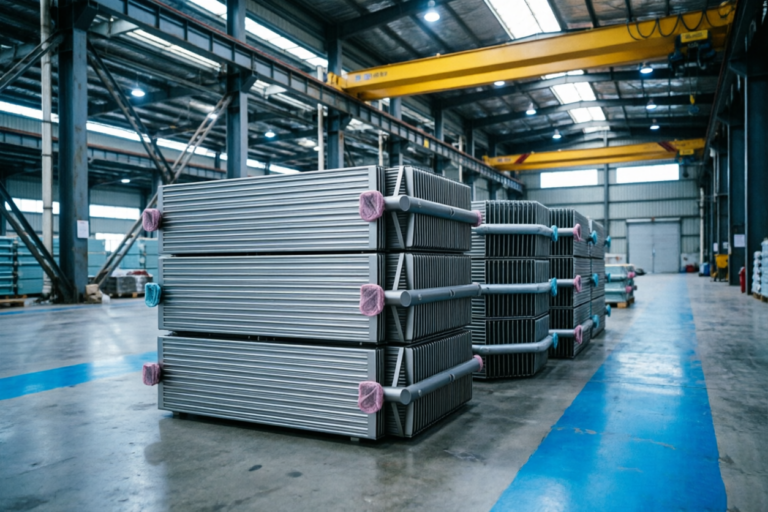
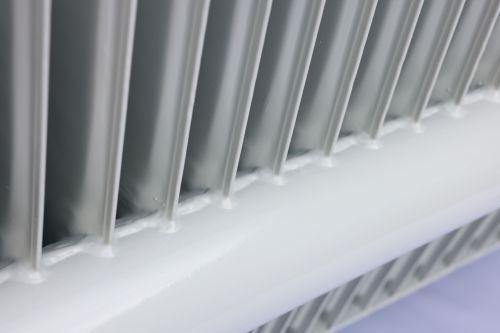
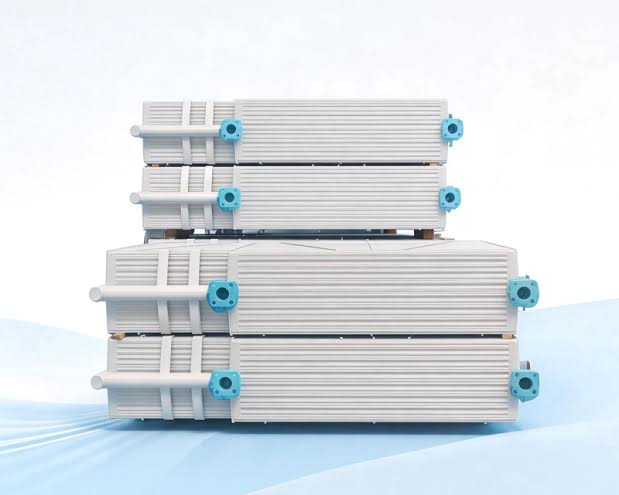
A well-designed transformer radiator improves cooling efficiency without increasing transformer size.
Key design features include:
These features maximize cooling while reducing maintenance requirements over decades of operation.
International transformer standards specify safe operating temperatures to protect insulation systems.
Typical values include:
| Parameter | Typical Value |
|---|---|
| Top oil temperature rise | ≤55 K |
| Maximum winding hot-spot temperature | Approximately 98°C |
| Oil circulation velocity | 0.2–0.5 m/s (natural circulation) |
Maintaining temperatures within these limits significantly extends transformer service life.
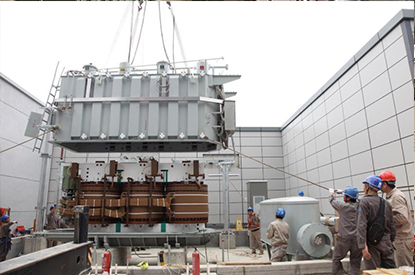
Transformer radiators are widely used in:
When selecting a radiator, consider:
Choosing the correct radiator helps improve efficiency, reduce maintenance, and extend transformer life.
It transfers heat from transformer oil to the surrounding air, keeping the transformer within safe operating temperatures.
Transformer oil absorbs heat generated by the core and windings. Radiators increase the cooling surface area, allowing this heat to dissipate efficiently.
ONAN is the most common for distribution transformers, while ONAF and OFAF are widely used for medium- and large-capacity power transformers.
Yes. Manufacturers typically offer customized panel widths, center distances, flange positions, pressure ratings, coatings, and connection types to match different transformer designs.
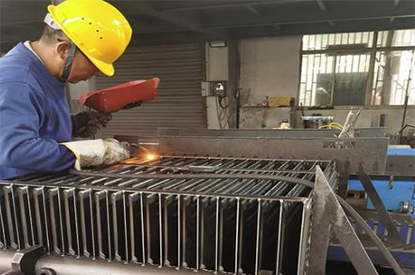
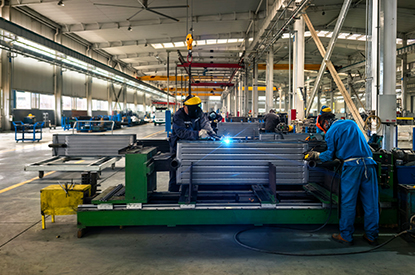
We manufacture transformer radiators for oil-immersed distribution and power transformers with:
Whether you need a replacement radiator or a complete cooling solution for a new transformer, our engineering team can provide customized designs and fast quotations.
👉 Request a quote today by sending your transformer rating, cooling method (ONAN/ONAF/OFAF/OFWF), radiator dimensions, or technical drawings. We’ll recommend the most suitable radiator solution for your project.