
Selecting the correct transformer cooling method is one of the most important decisions when designing a reliable power distribution system. Among the most common cooling methods, ONAN (Oil Natural Air Natural) and ONAF (Oil Natural Air Forced) are widely used in oil-immersed transformers ranging from distribution transformers to large power transformers.
Understanding the differences between these cooling methods helps engineers improve transformer efficiency, reduce operating temperature, extend insulation life, and optimize maintenance costs.
This guide explains how ONAN and ONAF cooling work, compares their advantages, and highlights the importance of transformer radiators in maintaining safe operating temperatures.
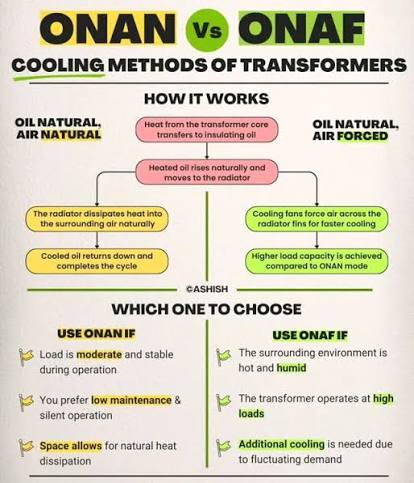
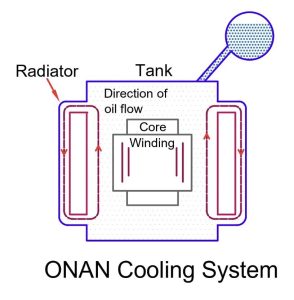
ONAN stands for:
In an ONAN transformer:
✔ Simple structure
✔ Low maintenance
✔ No external power consumption
✔ High reliability
✔ Lower operating cost
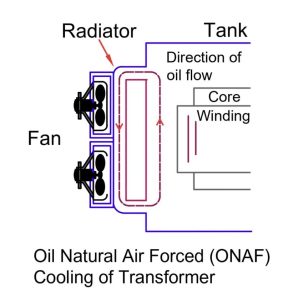
ONAF means:
The oil still circulates naturally inside the transformer.
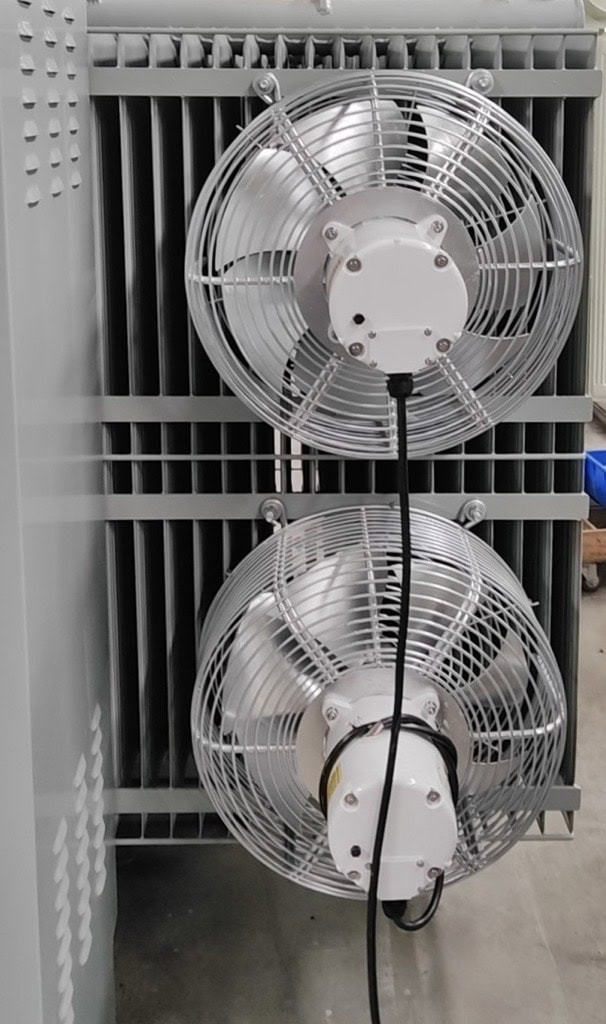
However, electric cooling fans blow air across the transformer radiator to increase heat dissipation.
When transformer temperature reaches a preset value, the cooling fans automatically start.
This significantly increases the cooling capacity.
| Feature | ONAN | ONAF |
|---|---|---|
| Oil circulation | Natural | Natural |
| Air circulation | Natural | Fan Forced |
| Cooling fans | No | Yes |
| Cooling capacity | Medium | High |
| Initial investment | Lower | Higher |
| Maintenance | Very Low | Moderate |
| Operating efficiency | Standard | Higher |
| Emergency overload | Limited | Excellent |
| Typical transformer rating | Small to Medium | Medium to Large |
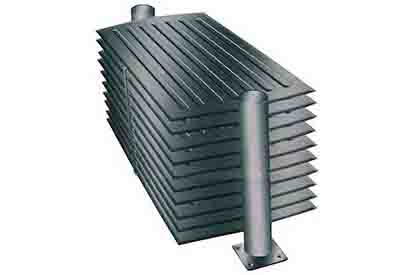
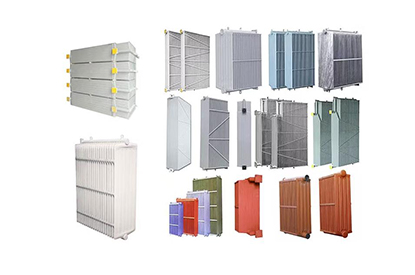
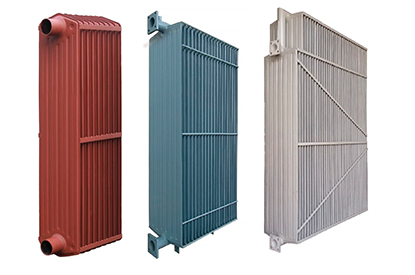
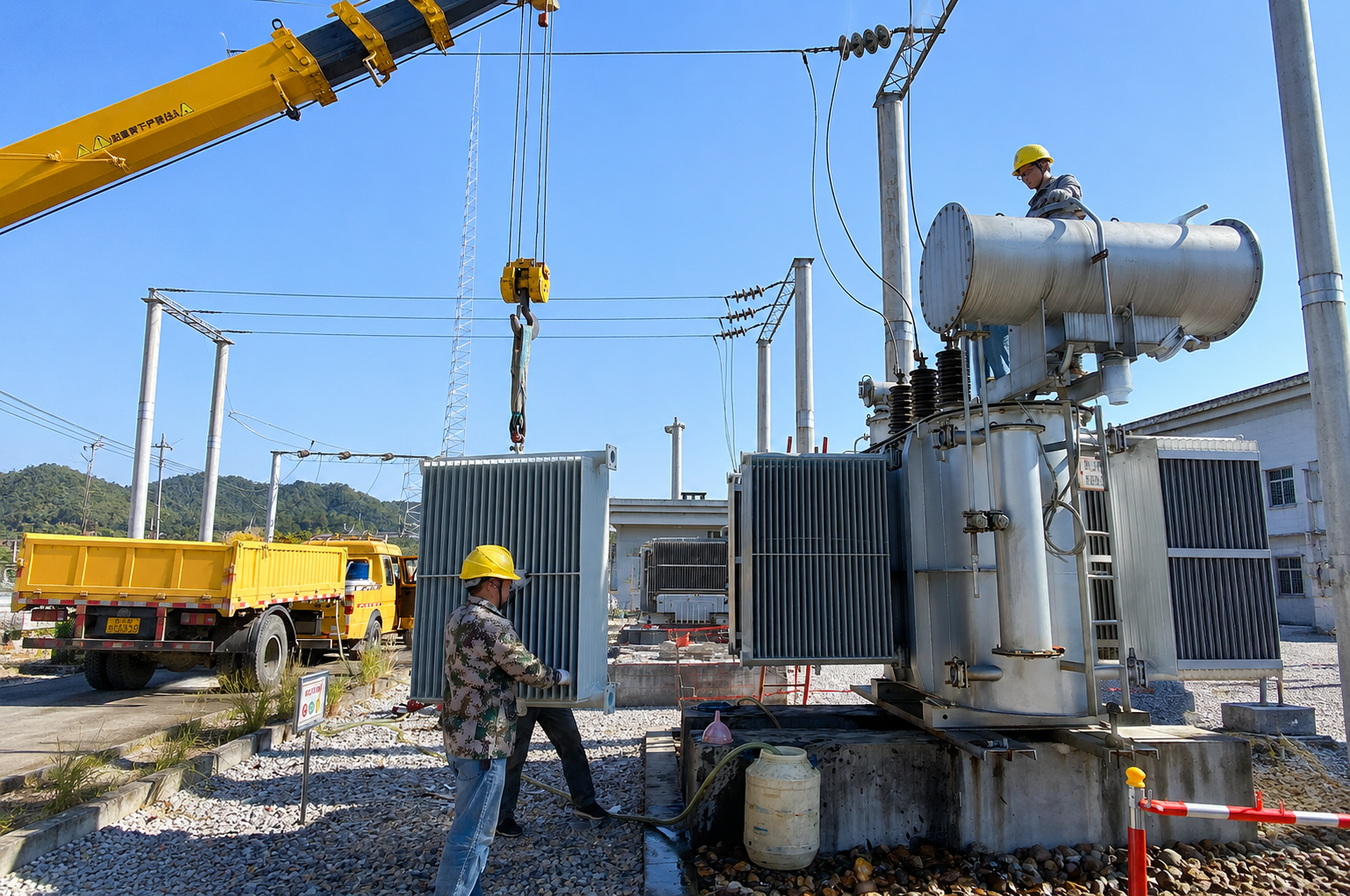
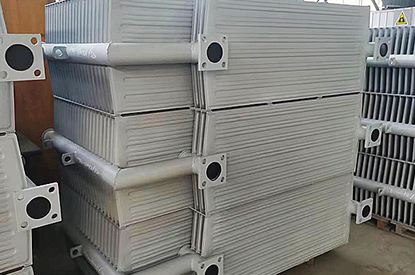
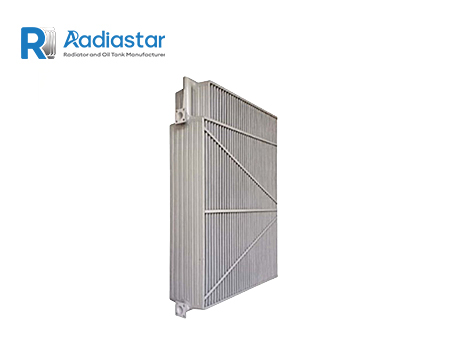
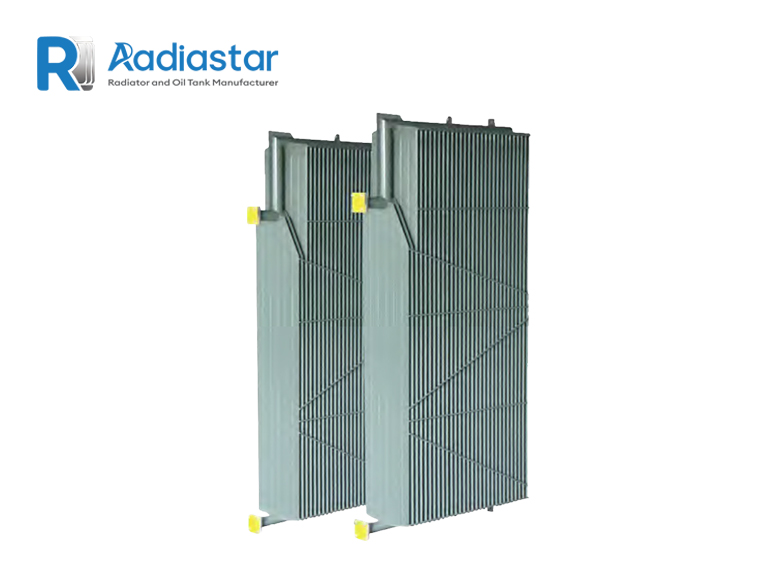
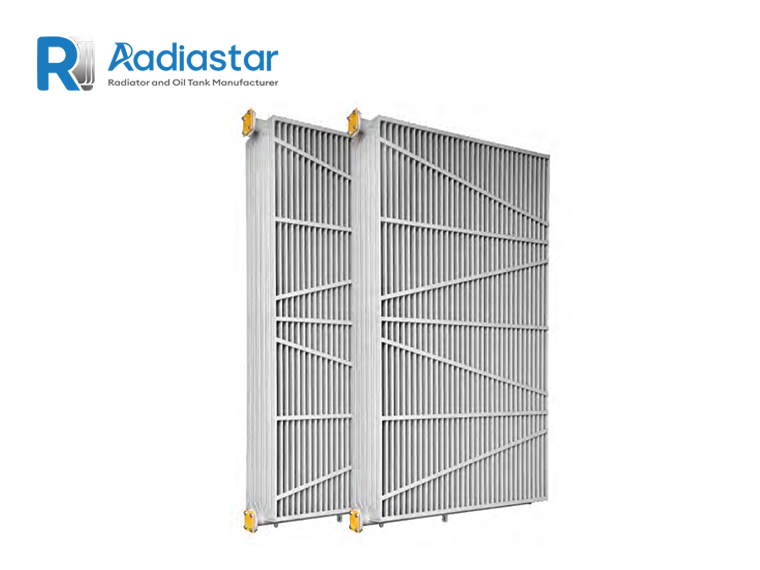
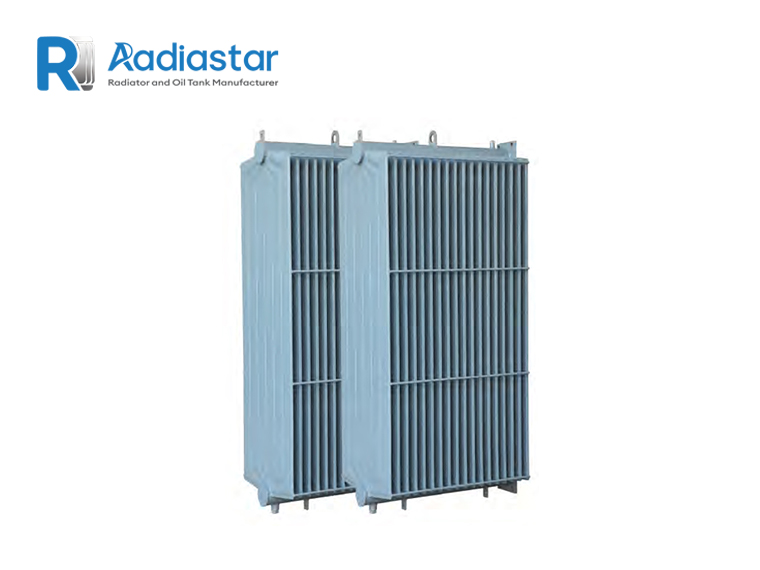
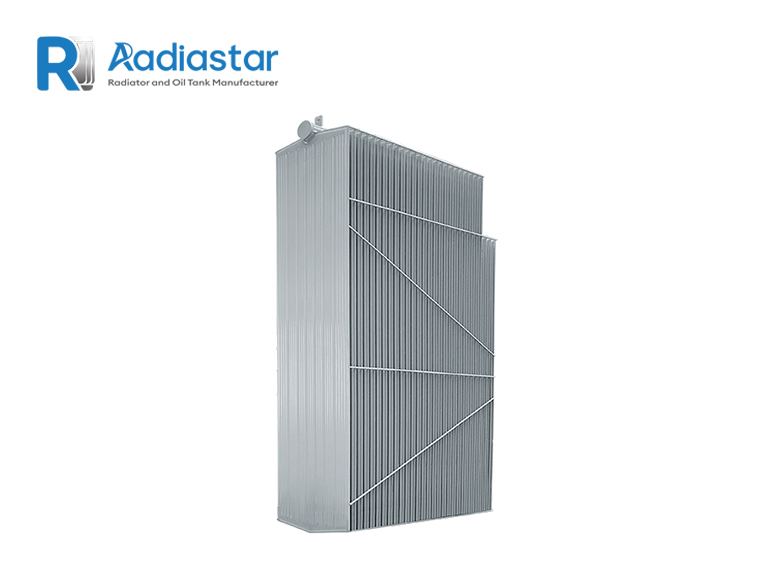
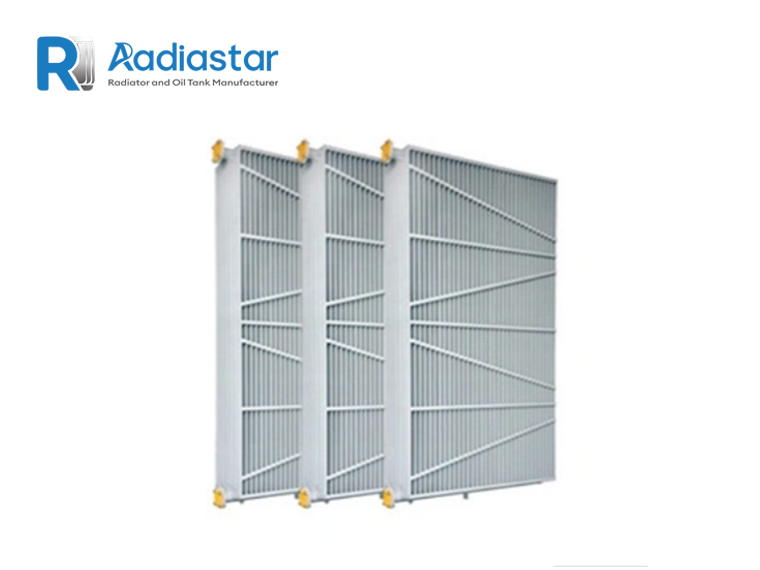
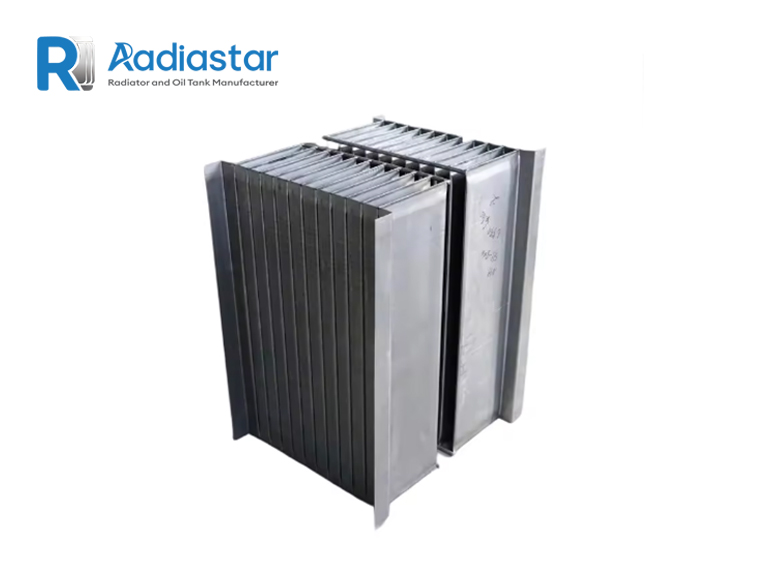
The transformer radiator is the primary heat exchange component in both ONAN and ONAF cooling systems.
Its main functions include:
High-quality radiator panels provide:
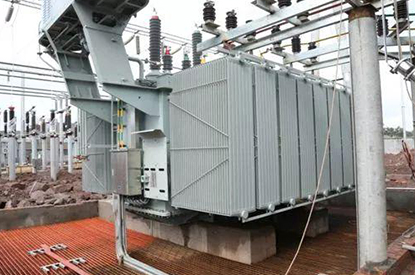
ONAN transformers typically use:
Since cooling depends entirely on natural airflow, radiator surface area becomes extremely important.
Engineers usually increase the number of radiator panels to achieve the required cooling capacity.
ONAF systems combine radiators with:
Because forced airflow removes heat more efficiently, the transformer can safely operate at higher loads without excessive temperature rise.
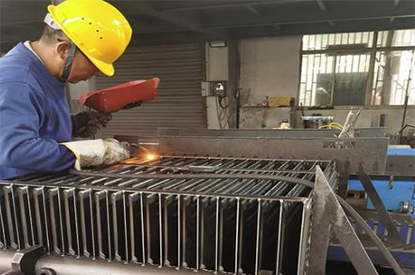
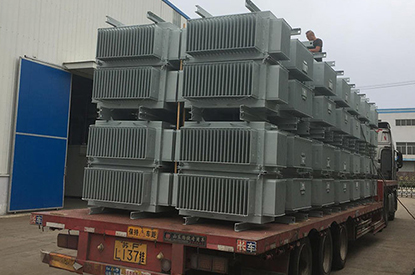
Regardless of the cooling method, radiator quality directly affects transformer performance.
A premium radiator should offer:
Poor radiator performance can result in:
Yes. ONAF provides greater cooling capacity by using forced-air fans, allowing transformers to operate safely under higher loads.
Yes. Cooling fans require auxiliary electrical power, although the additional energy consumption is relatively small compared to the improvement in transformer performance.
Many medium and large oil-immersed transformers are designed with provisions for future fan installation, allowing an upgrade from ONAN to ONAF if required.
ONAN generally requires less maintenance because it has no cooling fans or associated electrical control equipment.
High-quality corrugated panel radiators are commonly used in both systems. In ONAF applications, cooling fans are mounted directly in front of or behind the radiator panels to enhance heat dissipation.
The choice between ONAN and ONAF cooling depends on transformer capacity, loading profile, operating environment, and reliability requirements.
Regardless of the cooling method, a high-performance transformer radiator is essential for maintaining safe oil temperatures, extending insulation life, and ensuring long-term operational reliability.