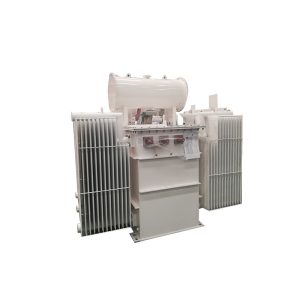
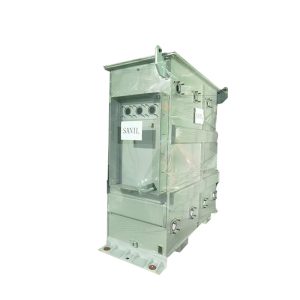
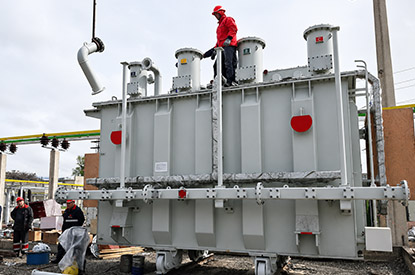
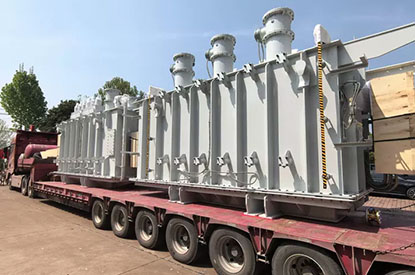
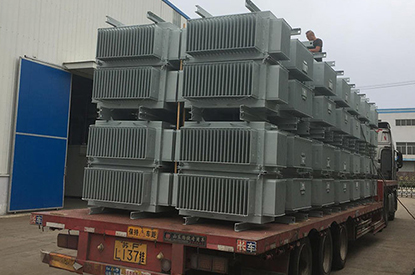
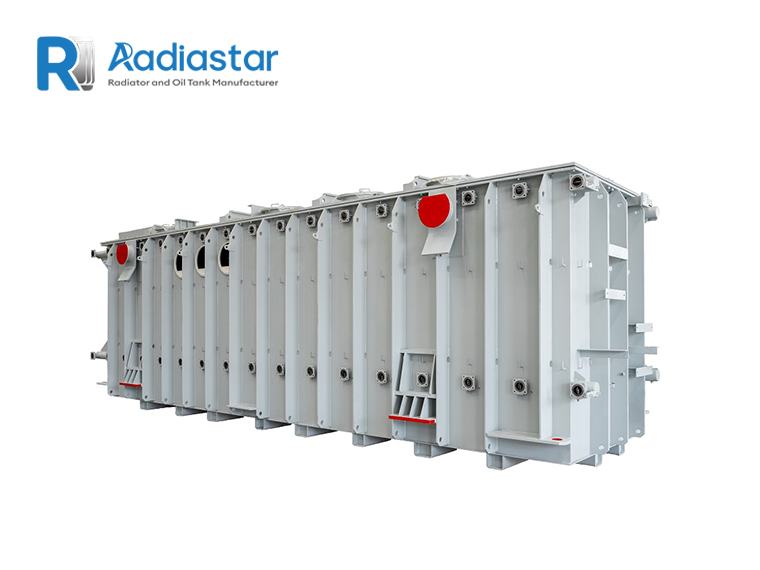
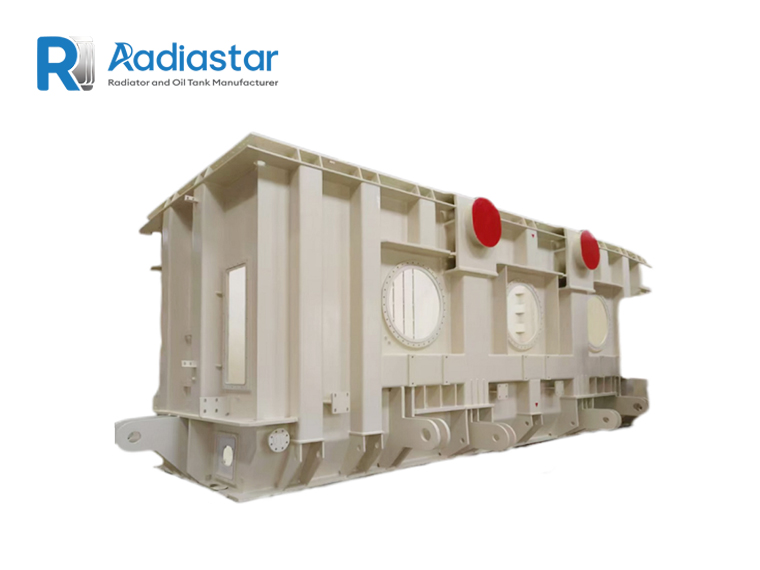
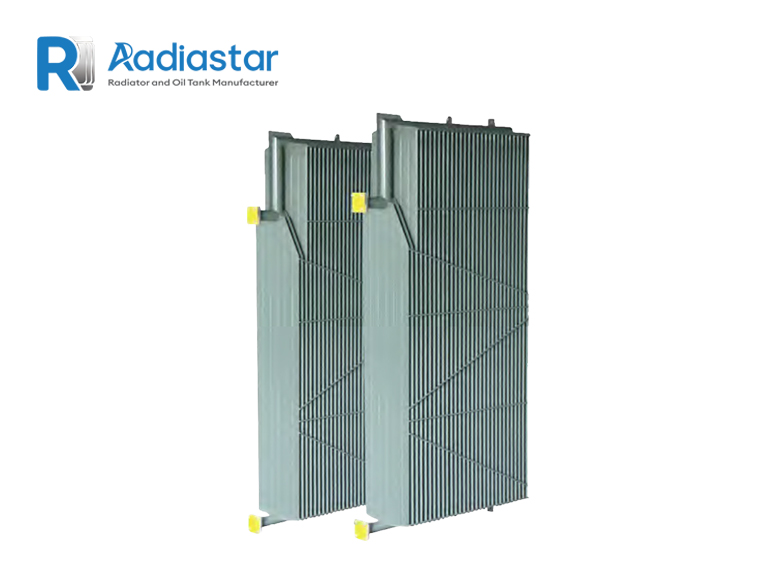
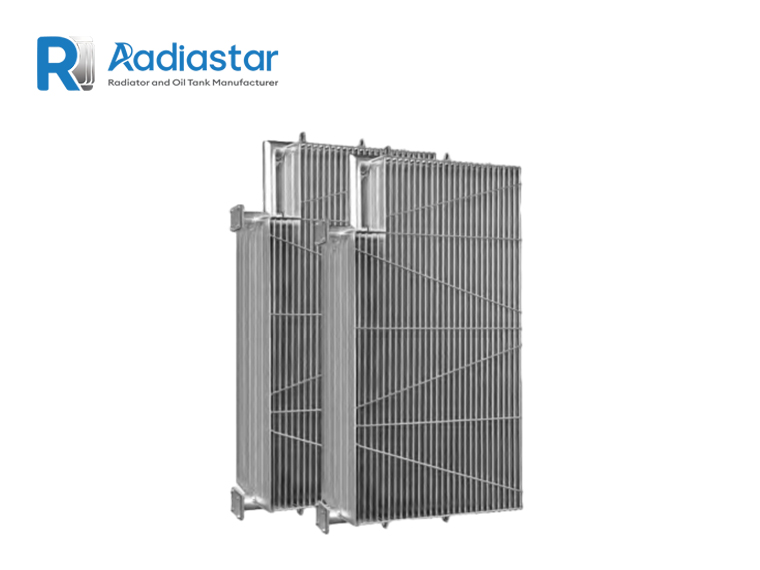
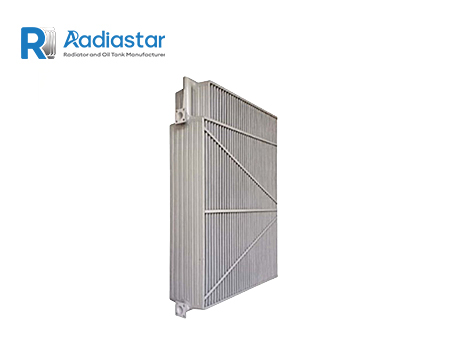
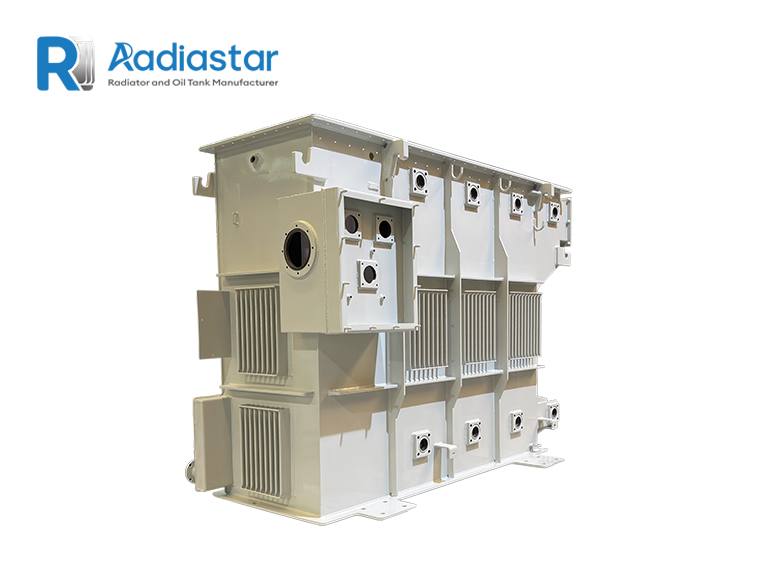
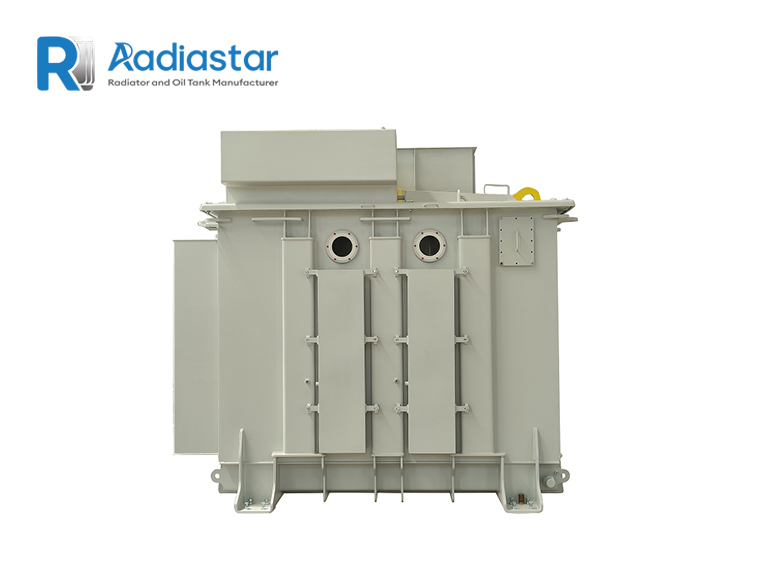
1. Introduction: Why Transformer Oil Tanks Matter
Transformer oil tanks serve multiple critical functions:
- Electrical Insulation – The oil provides dielectric strength to prevent electrical faults between primary and secondary circuits.
- Cooling – Heat generated in transformer windings is absorbed and transferred by the oil to radiators or the tank surface.
- Mechanical Protection – Tanks protect sensitive internal components from environmental factors such as dust, moisture, and physical damage.
- Oil Expansion Management – Conservator tanks allow oil to expand and contract with temperature changes, maintaining safe operation.
Without a properly designed oil tank, transformers are prone to overheating, insulation failure, and reduced service life, which can lead to costly downtime in power systems.
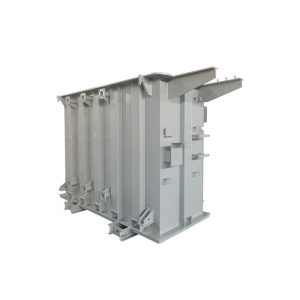
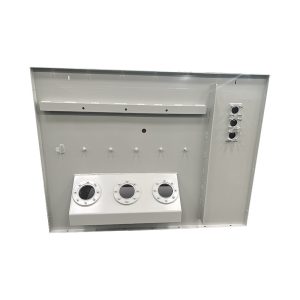
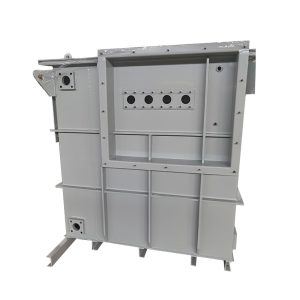
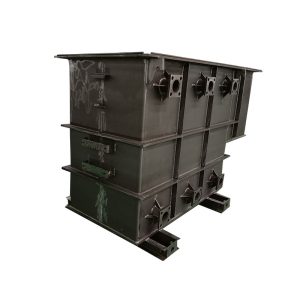
2. Radiastar: Leading Manufacturer of Transformer Oil Tanks
Radiastar specializes in the design and production of high-performance transformer oil tanks, meeting international standards including IEC 62271-200, IEC 62271-102, and IEC 62271-203.
Key advantages of Radiastar oil tanks:
- Precision engineering for optimal oil flow and cooling efficiency
- Customizable voltage levels (10kV–110kV) and capacities (3MVA–60MVA+)
- Rugged, corrosion-resistant construction for indoor and outdoor applications
- Built-in maintenance-friendly features: oil level indicators, sampling valves, and thermal sensors
Radiastar’s oil tanks are widely used in urban substations, industrial power distribution, renewable energy integration, and railway electrification.
3. Top 5 Types of Transformer Oil Tanks
3.1 ONAN (Oil Natural Air Natural) Tanks
Overview:
ONAN oil tanks rely on natural convection of oil and surrounding air for cooling. They are widely used in medium-voltage transformers.
Technical Features:
- Simple construction and low maintenance
- Self-circulating oil transfers heat to the tank walls
- Ambient air naturally cools the oil
Applications:
- Indoor substations with moderate load requirements
- Industrial facilities with stable operating conditions
Advantages:
- Cost-effective solution for standard applications
- Long-term reliability with minimal operational intervention
3.2 ONAF (Oil Natural Air Forced) Tanks
Overview:
ONAF tanks integrate fans or blowers to enhance air cooling, suitable for high-capacity or high-load transformers.
Technical Features:
- Natural oil circulation paired with forced air cooling
- Supports peak load operations in tropical or hot environments
Applications:
- High-power industrial substations
- Renewable energy facilities where transformers operate near maximum capacity
Advantages:
- Faster heat dissipation than ONAN
- Maintains oil and winding temperature within safe limits
- Extends transformer service life
3.3 Conservator Tanks
Overview:
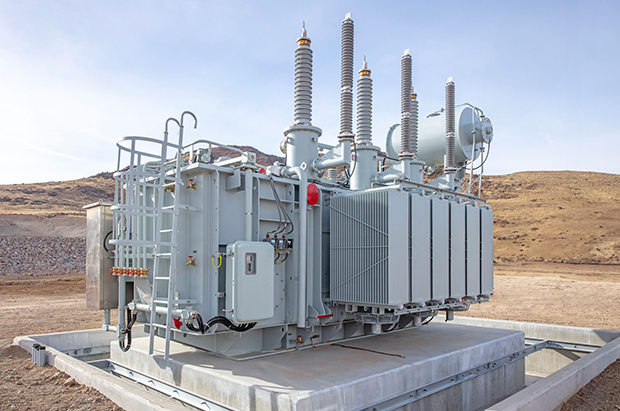
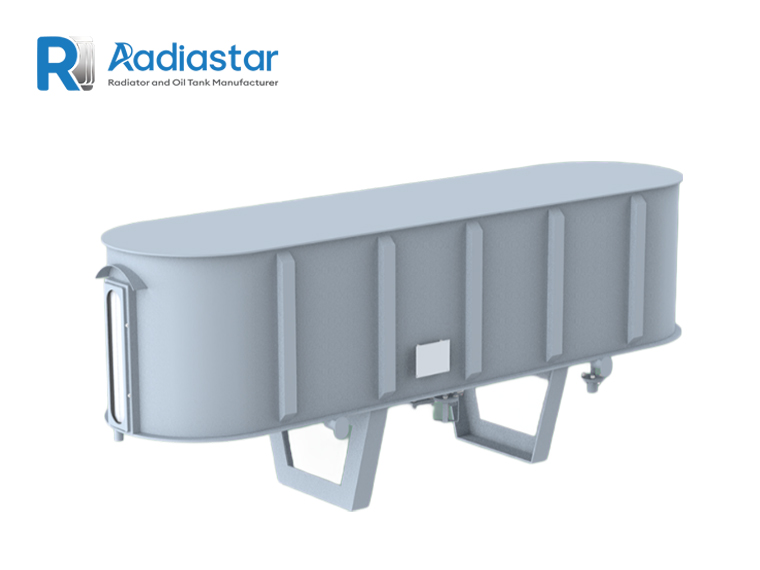
Conservator oil tanks include a separate compartment for oil expansion, preventing overflow and maintaining optimal oil levels.
Technical Features:
- Silica gel breather to remove moisture and maintain oil purity
- Pressure release mechanisms to handle sudden load variations
Applications:
- Outdoor substations
- High-voltage transformers operating under variable loads
Advantages:
- Protects oil from contamination
- Prevents transformer overheating
- Supports stable transformer operation under fluctuating conditions
3.4 Rectangular / Compact Tanks
Overview:
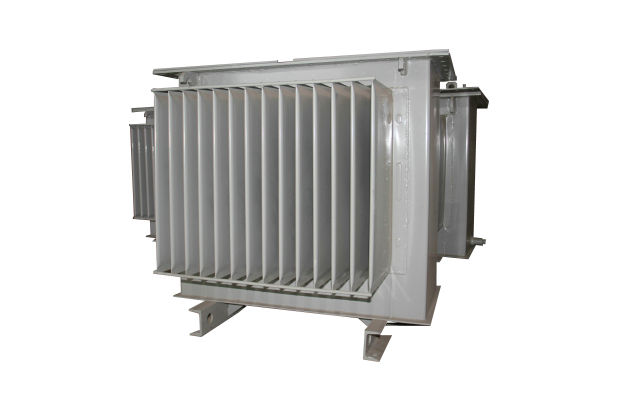
Rectangular or compact oil tanks are designed for space-constrained environments.
Technical Features:
- Compact dimensions for urban or modular installations
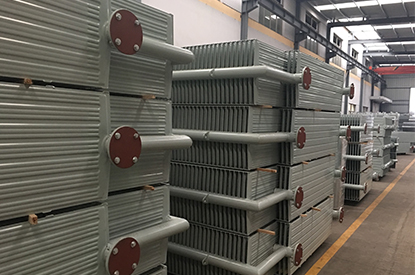
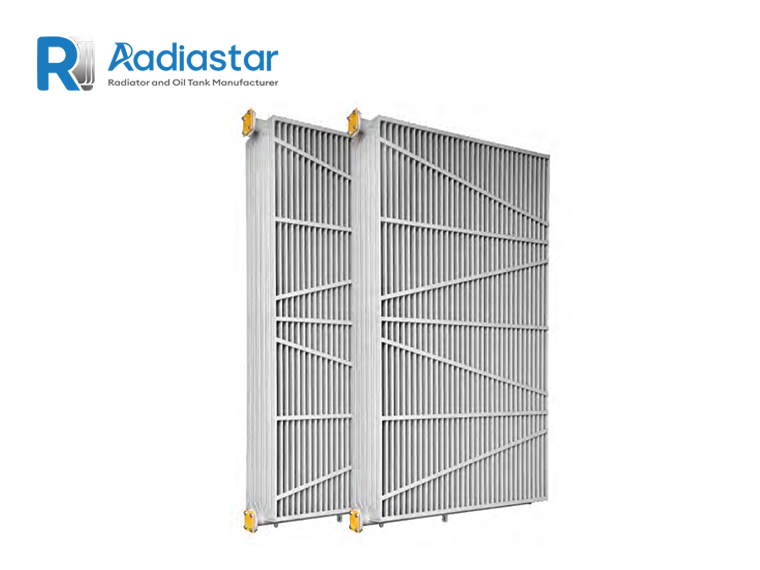
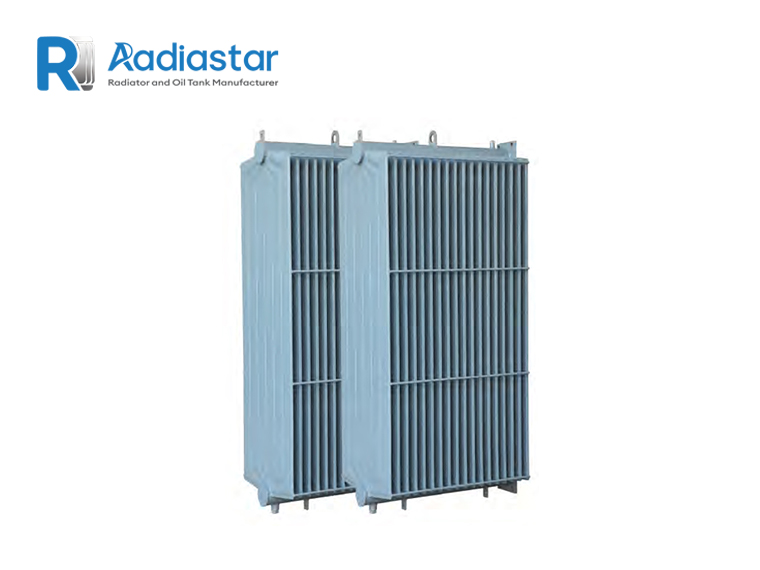
- Integrated radiators for efficient heat dissipation
- Optional on-load tap changer (OLTC) compartments
Applications:
- Urban distribution substations
- Industrial facilities with limited floor space
Advantages:
- Easy installation and transport
- Flexible modular configurations
- Meets urban space and safety requirements
3.5 Corrugated Oil Tanks
Overview:
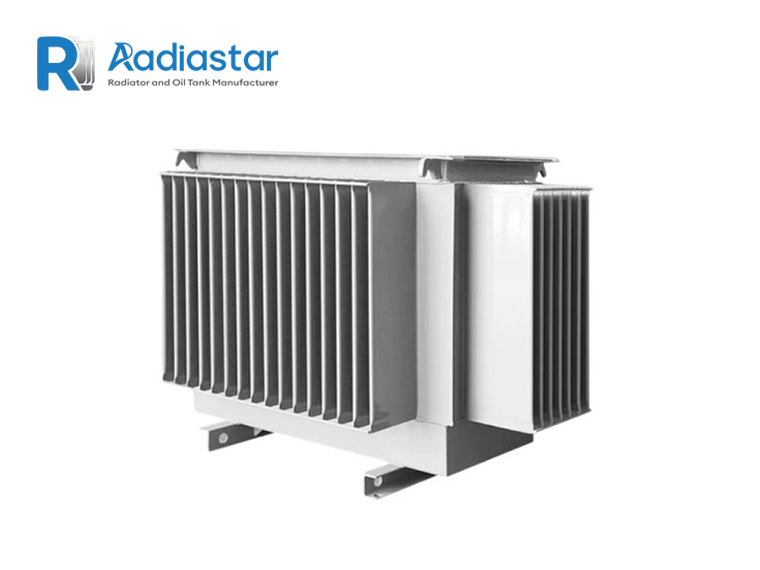
Corrugated tanks are designed to accommodate thermal expansion and contraction without structural stress.
Technical Features:
- Corrugated walls increase surface area for heat dissipation
- High mechanical strength for outdoor installation
- Compatible with both ONAN and ONAF cooling systems
Applications:
Advantages:
- Enhanced durability and structural stability
- Reduces thermal stress on tank walls
- Maintains consistent oil insulation quality
4. Applications in Substations
Transformer oil tanks are critical in various substation applications:
- Urban Substations – Compact tanks allow installation in restricted areas while maintaining efficient cooling and insulation.
- Industrial Power Distribution – Supports high-load industrial equipment with reliable thermal management.
- Renewable Energy Integration – Ensures stable operation of solar and wind power transformers.
- Railway Electrification – Provides reliable traction power and OLTC functionality.
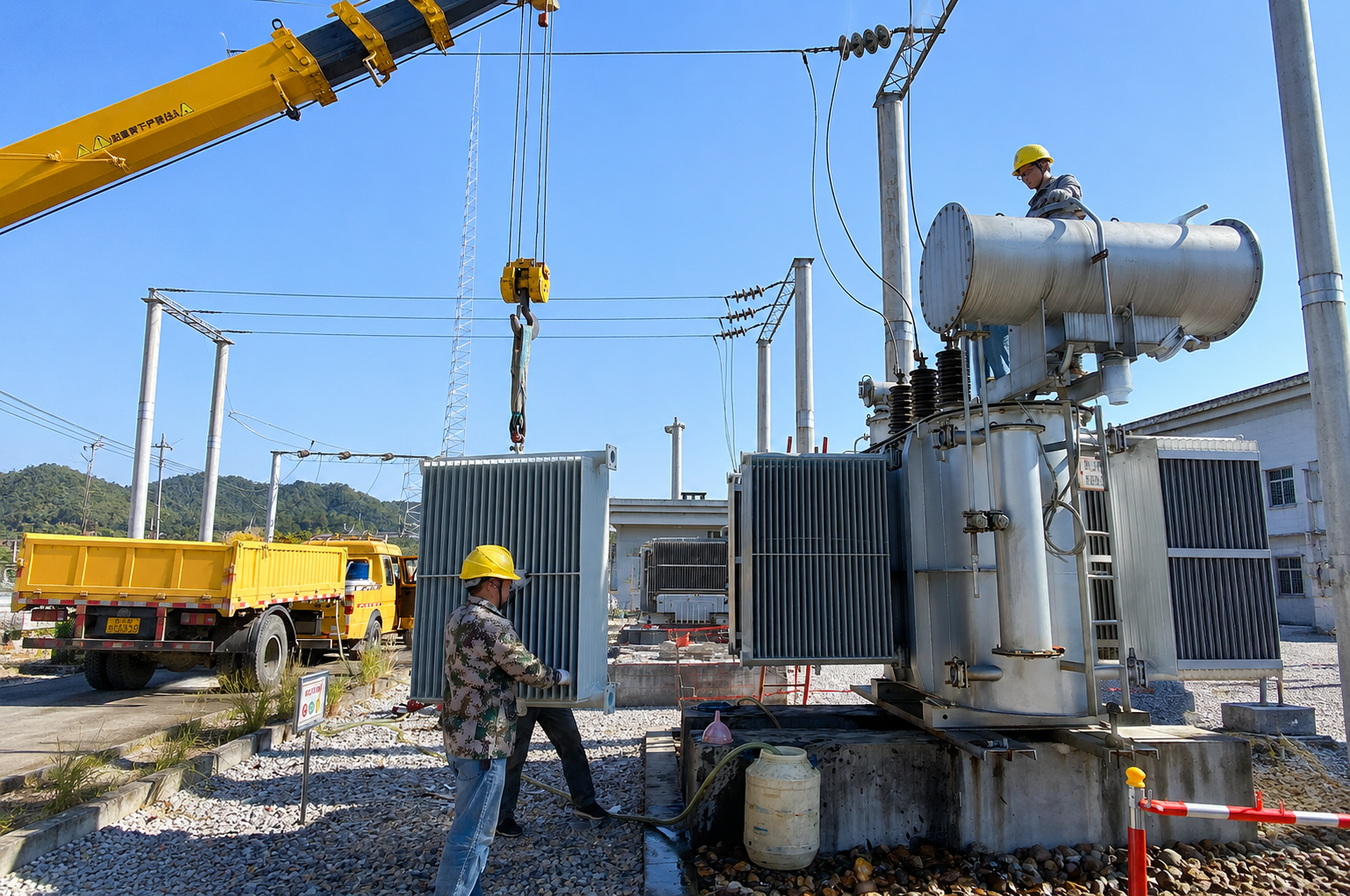
- Utility Grid Modernization – Upgrades existing substations with high-efficiency oil tanks for long-term performance.
5. Maintenance Best Practices
Proper maintenance ensures long-term reliability:
- Regular Oil Testing: Check dielectric strength, moisture, and contamination
- Temperature Monitoring: Prevent overheating via built-in thermal sensors
- Leak Detection: Inspect seals, gaskets, and welds regularly
- Cleaning: Keep external tank surfaces clean and free from dust and corrosion
- Silica Gel Replacement: Maintain moisture-free oil environment
Radiastar oil tanks are designed for easy maintenance, reducing downtime and operational risks.
6. Benefits of Choosing Radiastar Transformer Oil Tanks
- High Reliability – Tested to international standards for mechanical, thermal, and electrical performance
- Efficient Cooling – Optimized design for natural and forced air circulation
- Durable Construction – Corrosion-resistant and structurally robust
- Customizable Solutions – Voltage, capacity, and cooling options tailored to project requirements
- Maintenance-Friendly Design – Sampling valves, thermal sensors, and clear oil indicators for operational efficiency
7. Conclusion
Understanding the types of transformer oil tanks is critical for substation operators, engineers, and project managers. Each type—ONAN, ONAF, conservator, rectangular, and corrugated—offers specific advantages for cooling, insulation, and operational efficiency.
Radiastar stands out as a trusted manufacturer, providing high-performance oil tanks that meet rigorous IEC standards, support diverse applications, and ensure long-term transformer reliability.
Investing in quality transformer oil tanks ensures:
- Stable and safe electricity distribution
- Reduced maintenance and operational costs
- Longevity of power transformers in urban, industrial, and renewable energy projects
By choosing Radiastar, power systems worldwide gain trusted performance, superior reliability, and efficient operation.