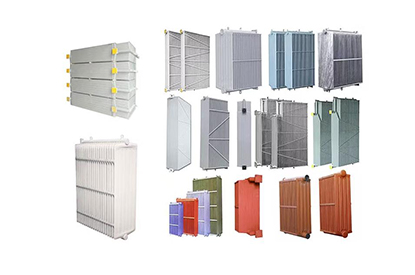
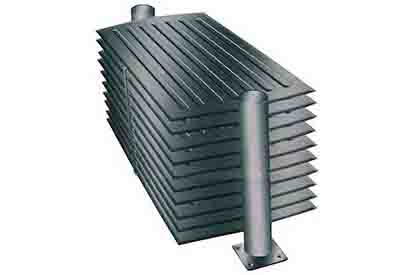
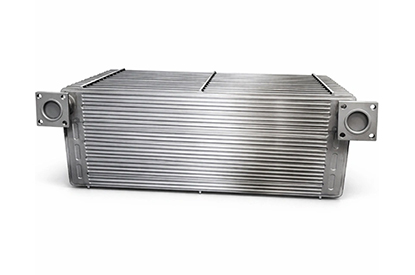
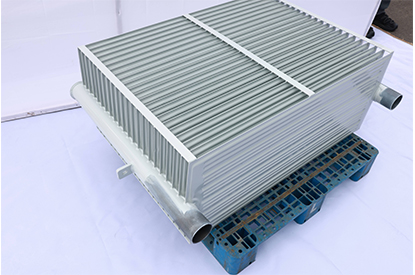
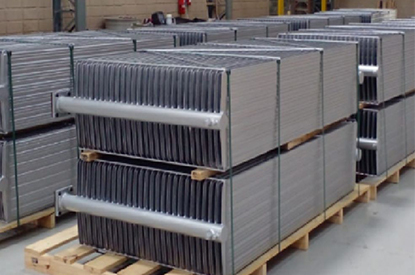
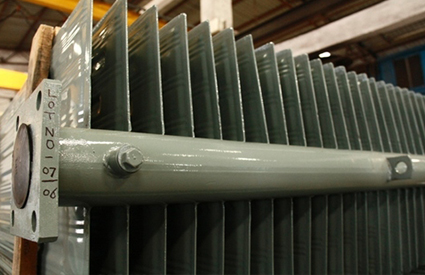
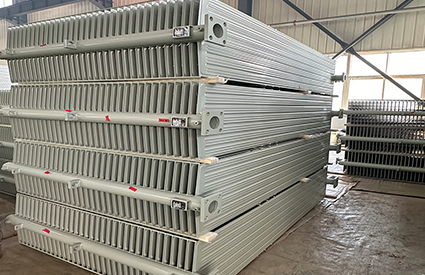
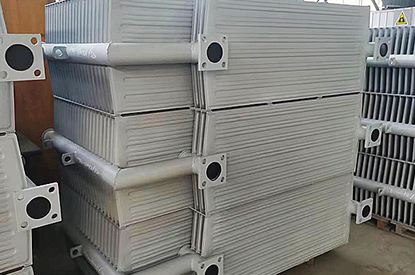
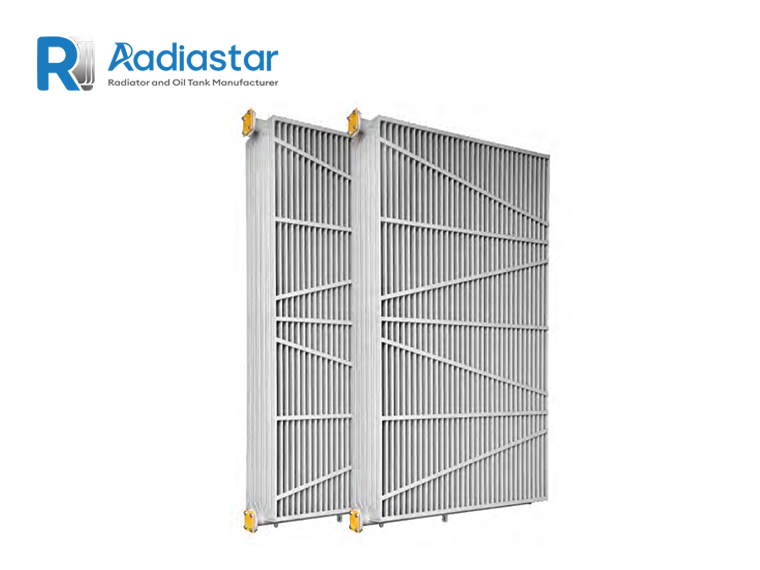
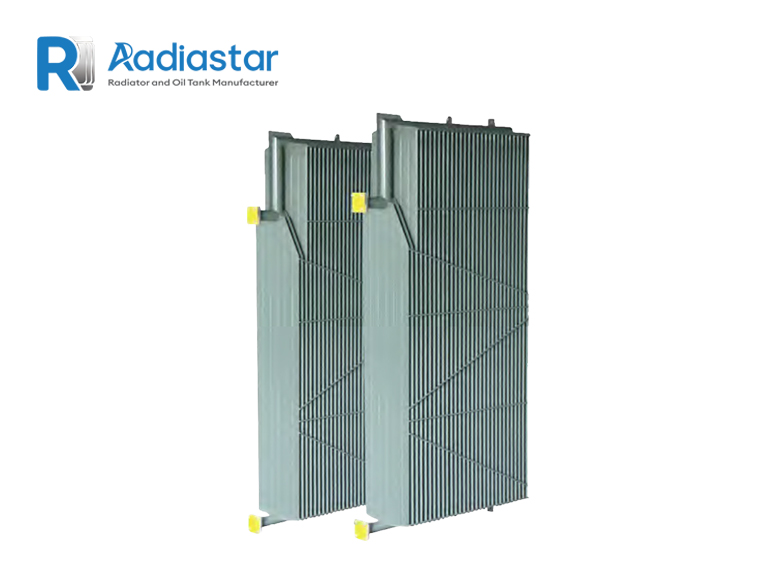
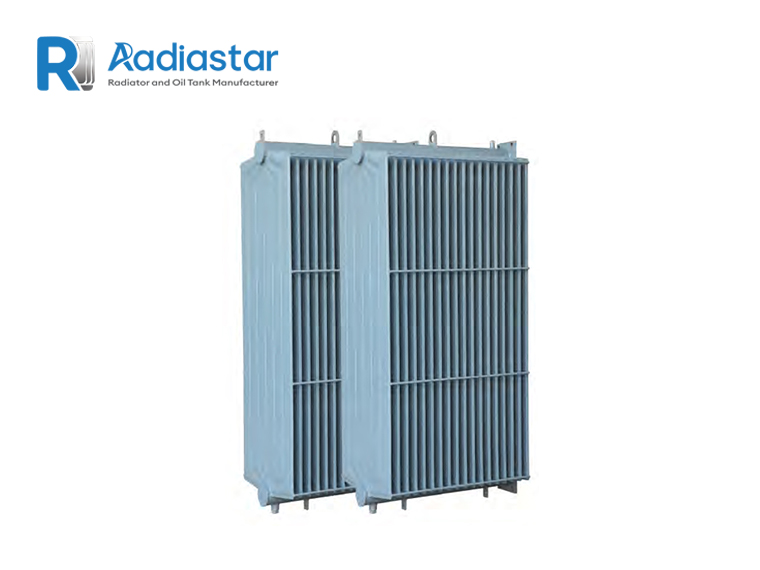
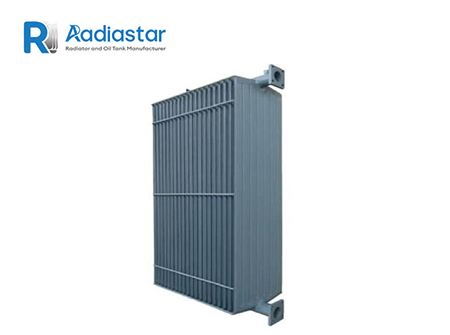
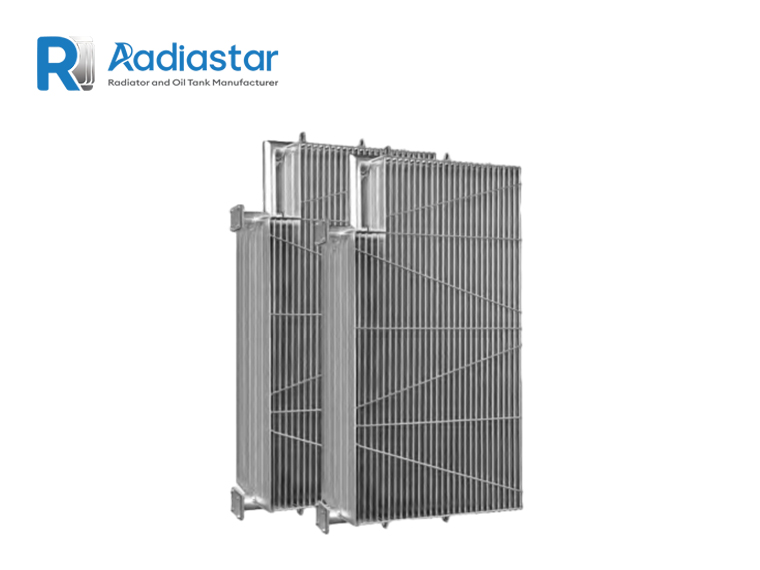
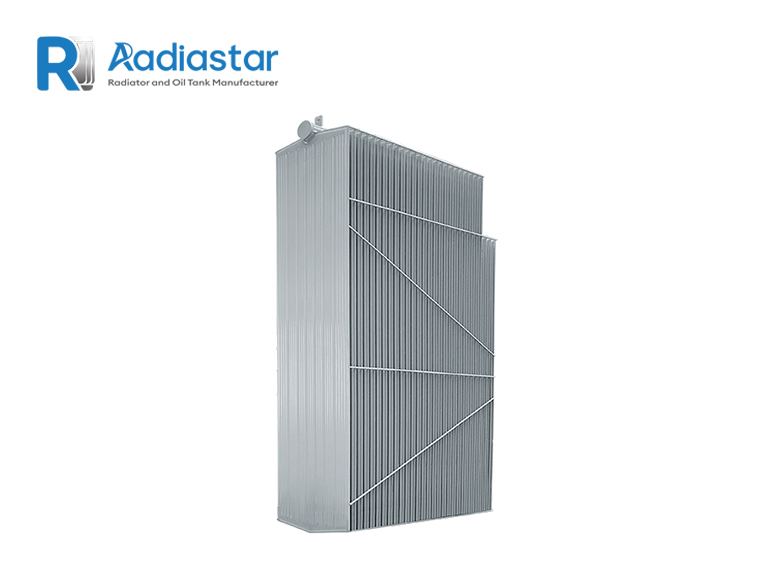
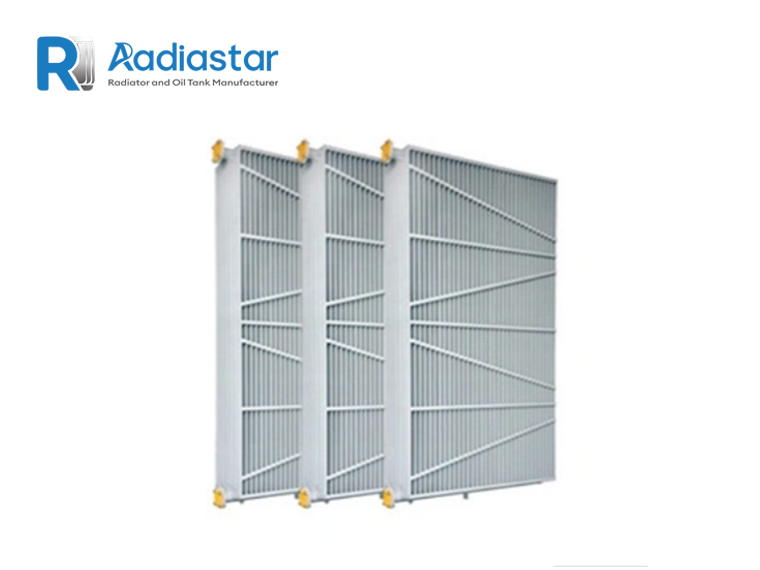
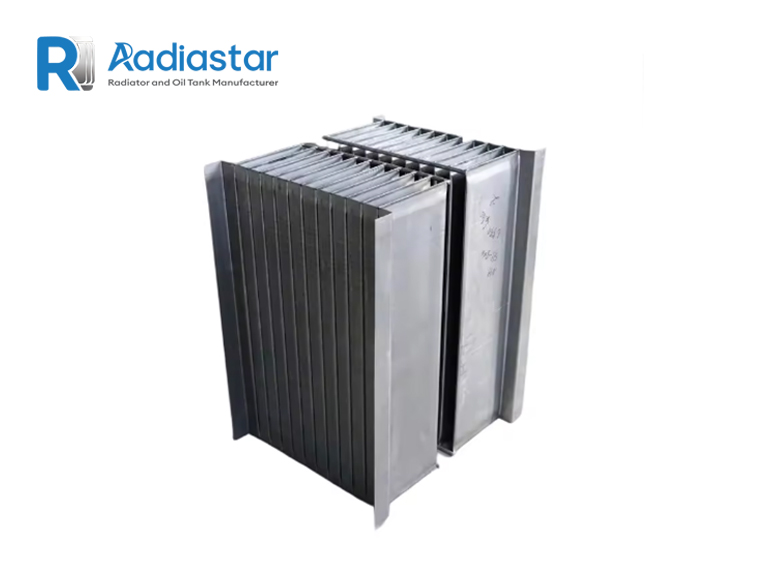
Transformer Radiator Header Pipe (Oil Manifold Header) Manufacturer
Custom Transformer Radiator Header Pipe for Reliable Oil Circulation and Long-Term Transformer Cooling Performance
High-quality carbon steel transformer radiator header pipes with precision welding, pressure testing, customized dimensions, and OEM manufacturing capability for distribution transformers, power transformers, and substation projects.
Get a Customized Transformer Radiator Header Pipe Solution
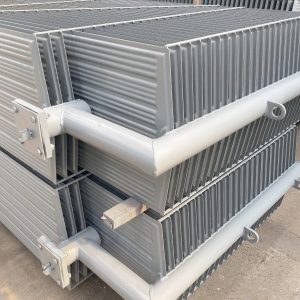
A transformer cooling system depends on efficient oil circulation. The Transformer Radiator Header Pipe, also known as an Oil Manifold Header, plays a critical role in distributing hot transformer oil into radiator panels and collecting cooled oil back into the transformer tank.
As a professional transformer radiator component manufacturer, we supply customized Transformer Radiator Header Pipes designed according to customer drawings, radiator dimensions, pressure requirements, and international project standards.
Our header pipes are manufactured using high-quality carbon steel materials, advanced welding technology, strict dimensional inspection, and hydraulic pressure testing to ensure reliable performance in demanding power applications.
OEM & ODM Manufacturing | Custom Dimensions | Pressure Tested | Export Quality
Transformer Radiator Header Pipe Overview
What Is a Transformer Radiator Header Pipe?
A Transformer Radiator Header Pipe (Oil Manifold Header) is a key connecting component installed on transformer radiators. It functions as an oil distribution and collection channel between the transformer tank and radiator panels.
During transformer operation, insulating oil absorbs heat generated by the transformer windings and core. The heated oil flows upward into the radiator system through the upper header pipe. After heat dissipation through radiator fins, the cooled oil returns to the transformer tank through the lower header pipe.
The header pipe ensures:
- Uniform oil distribution
- Efficient heat transfer
- Stable cooling circulation
- Reduced transformer operating temperature
- Extended transformer service life
A poorly manufactured header pipe may cause:
- Oil leakage
- Uneven radiator performance
- Pressure loss
- Installation problems
- Transformer cooling failure
Therefore, selecting a reliable Transformer Radiator Header Pipe manufacturer is essential for transformer OEMs and power engineering projects.
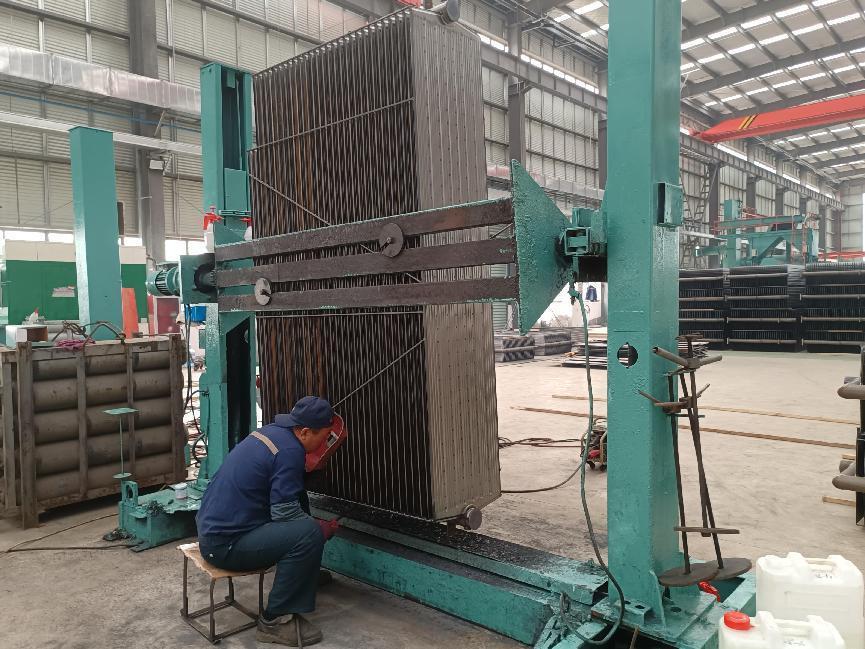
Product Structure of Transformer Radiator Header Pipe
A complete radiator header assembly normally consists of:
1. Top Header Pipe
The top header pipe connects the transformer oil outlet with radiator panels.
Main functions:
- Receive high-temperature transformer oil
- Distribute oil evenly into radiator elements
- Maintain stable oil circulation
2. Bottom Header Pipe
The bottom header collects cooled oil from radiator panels and returns it to the transformer tank.
Main functions:
- Collect cooled insulating oil
- Maintain return oil flow
- Improve cooling efficiency
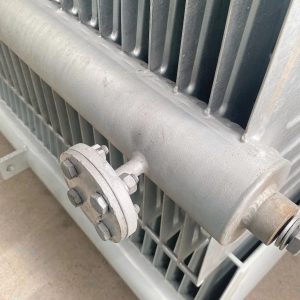
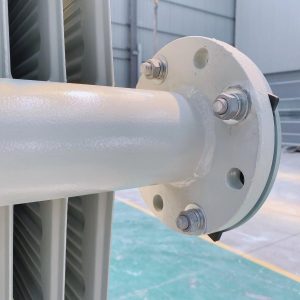
3. Connection Flanges
Depending on project requirements, header pipes can be supplied with:
- DIN flange
- ANSI flange
- Customized flange design
- Welding connection
4. Radiator Panel Connection Holes
Precision-machined holes connect the header pipe with radiator panels.
Important dimensions include:
- Hole diameter
- Hole quantity
- Hole spacing
- Hole center distance
- Hole position accuracy
Why Choose High-Quality Transformer Radiator Header Pipe?
1. Ensure Reliable Transformer Cooling Performance
Transformer temperature directly affects insulation aging and equipment lifespan.
High-quality header pipes ensure:
- Smooth oil circulation
- Balanced flow distribution
- Effective heat dissipation
A properly designed oil manifold header helps maintain transformer temperature within safe operating limits.
2. Prevent Oil Leakage Problems
Transformer oil leakage is one of the most serious problems in cooling systems.
Premium header pipes require:
- Accurate welding
- Proper material selection
- Professional pressure testing
- Strict quality inspection
Each header pipe should be tested before delivery.
3. Improve Installation Efficiency
Incorrect dimensions can create installation difficulties.
Professional manufacturing ensures:
- Accurate hole positioning
- Correct flange dimensions
- Consistent product quality
- Easy installation
This reduces assembly time for transformer manufacturers.
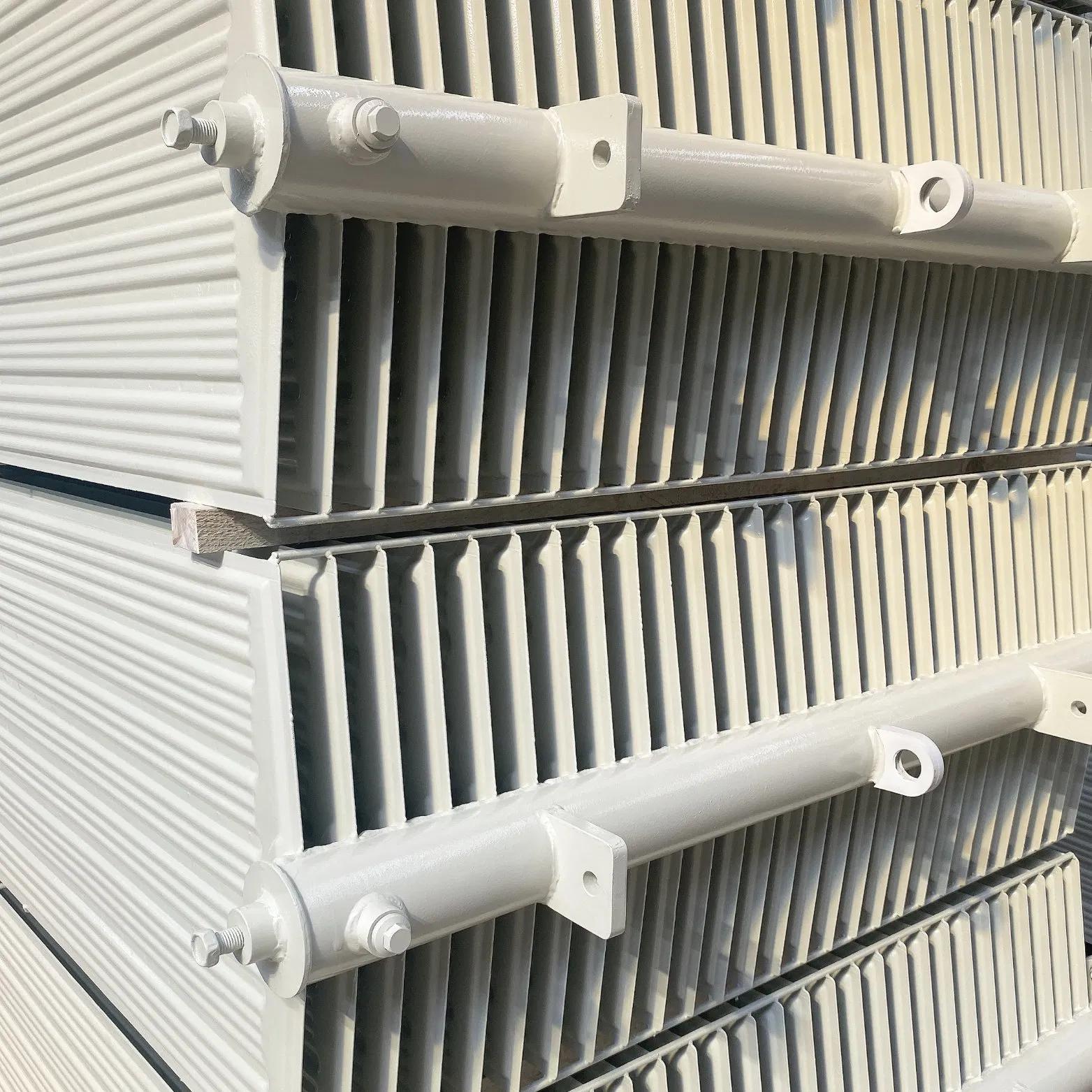
Transformer Radiator Header Pipe Technical Specifications
The following specifications can be customized according to customer requirements.
| Parameter | Specification |
|---|
| Product Name | Transformer Radiator Header Pipe |
| Alternative Name | Oil Manifold Header / Radiator Header |
| Application | Transformer Cooling System |
| Material | Carbon Steel |
| Material Grade | Q235, Q345, ASTM A106, ASTM A53, S235, S355 |
| Pipe Diameter | 60mm–159mm |
| Wall Thickness | 3mm–6mm |
| Length | Customized |
| Connection Type | Welding / Flange Connection |
| Hole Quantity | Customized |
| Hole Diameter | Customized |
| Hole Spacing | Customized |
| Working Pressure | Up to 1.0 MPa |
| Hydraulic Test Pressure | 2.5 MPa or Customized |
| Surface Treatment | Shot Blasting + Painting / Powder Coating |
| Painting Color | RAL7035 or Customized |
| Manufacturing Standard | Customer Drawing / International Standard |
| Inspection | Dimensional Inspection + Pressure Test |
| OEM Service | Available |
Custom Transformer Radiator Header Pipe Manufacturing
Designed According to Your Transformer Radiator Requirements
Unlike standard industrial pipes, transformer radiator header pipes are highly customized components.
Different transformer manufacturers may require different:
- Header diameter
- Pipe length
- Hole arrangement
- Flange specifications
- Connection method
- Surface coating
- Pressure requirements
Our engineering team can manufacture header pipes according to:
- Customer drawings
- Existing radiator samples
- Technical specifications
- Transformer design requirements
Available Transformer Header Pipe Types
Standard Oil Manifold Header
Suitable for:
- Distribution transformers
- Medium voltage transformers
- Standard radiator systems
Heavy-Duty Transformer Header Pipe
Designed for:
- Power transformers
- Large substations
- Utility projects
Features:
- Larger diameter
- Higher pressure capability
- Stronger mechanical performance
OEM Replacement Header Pipe
Suitable for:
- Transformer maintenance projects
- Radiator replacement
- Spare parts supply
Customers can provide:
- Old header pipe sample
- Drawing
- Dimensions
- Photos
Our engineers can provide a matching production solution.
Manufacturing Process of Transformer Radiator Header Pipe
1. Raw Material Inspection
Before production, all materials are inspected.
Inspection includes:
- Material grade verification
- Thickness measurement
- Surface quality inspection
- Material certificate confirmation
Common materials:
- Q235 Carbon Steel
- Q345 Steel
- ASTM Standard Steel
High-quality raw materials provide better strength and corrosion resistance.
2. CNC Cutting and Forming
Precision cutting ensures accurate dimensions.
Manufacturing control includes:
- Pipe length accuracy
- Cutting edge quality
- Hole positioning accuracy
Advanced processing equipment helps maintain consistency during mass production.
3. Hole Machining
Radiator connection holes require high precision.
The machining process controls:
- Hole diameter tolerance
- Hole spacing
- Hole alignment
Accurate hole positioning ensures perfect connection between header pipes and radiator panels.
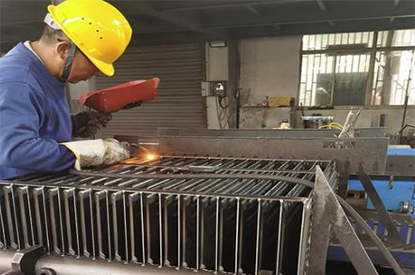
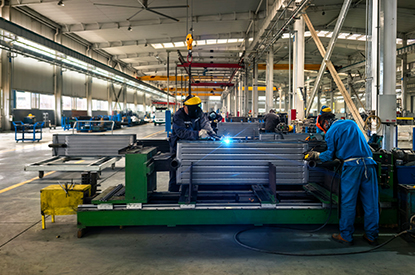
4. Welding Process
Welding quality directly affects product reliability.
Professional welding processes include:
- Automatic welding
- MIG welding
- TIG welding
- Full penetration welding
Advantages:
- Strong weld joints
- Smooth weld appearance
- Reduced leakage risk
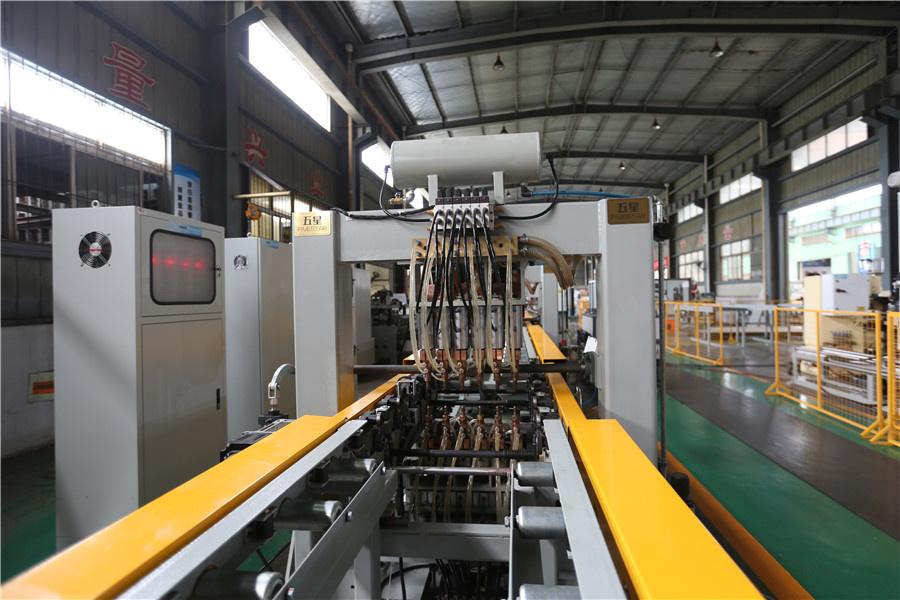
Welding Quality Control
Why Welding Quality Matters
Transformer radiator header pipes operate under oil pressure for decades.
Poor welding may result in:
- Oil leakage
- Pressure failure
- Maintenance costs
Therefore, welding inspection is a critical production step.
Welding Inspection Methods
Quality control includes:
Visual Inspection
Checking:
- Weld appearance
- Weld uniformity
- Surface defects
Leakage Test
Checking:
- Oil tightness
- Weld sealing performance
Pressure Test
Checking:
- Pressure resistance
- Structural reliability
Dimensional Inspection
Checking:
- Pipe dimensions
- Hole positions
- Connection accuracy
Material Selection for Transformer Radiator Header Pipe
Choosing the Right Material for Long-Term Transformer Operation
Material selection is one of the most important factors affecting the service life, mechanical strength, and reliability of a Transformer Radiator Header Pipe (Oil Manifold Header).
Since transformer radiators operate outdoors for many years under continuous thermal cycling, pressure changes, and environmental exposure, the header pipe material must provide:
- Excellent mechanical strength
- Good weldability
- Corrosion resistance
- Pressure resistance
- Long-term dimensional stability
Professional transformer radiator manufacturers select materials according to:
- Transformer capacity
- Operating environment
- Customer specifications
- Project standards
- Climate conditions
Common Materials Used for Transformer Radiator Header Pipe
Carbon Steel Header Pipe
Carbon steel is the most widely used material for transformer radiator headers due to its excellent balance between strength, cost efficiency, and manufacturing performance.
Advantages:
- High mechanical strength
- Easy welding performance
- Good pressure resistance
- Suitable for large-scale production
- Compatible with industrial coating systems
Common applications:
- Distribution transformers
- Power transformers
- Substation transformers
- Utility transformer projects
Q235 Carbon Steel
Q235 is one of the most commonly used materials in transformer radiator manufacturing.
Features:
- Good weldability
- Stable mechanical properties
- Cost-effective solution
- Suitable for standard transformer cooling systems
Typical applications:
- Medium voltage transformers
- Standard radiator assemblies
- OEM replacement parts
Q345 Carbon Steel
For larger transformers requiring higher mechanical strength, Q345 steel is often selected.
Advantages:
- Higher tensile strength
- Better load resistance
- Suitable for heavy-duty applications
Applications:
- Large power transformers
- Utility projects
- High-capacity transformer cooling systems
ASTM Standard Materials
For international projects, customers may request ASTM standard materials.
Common options:
These materials are widely accepted in:
- Middle East projects
- Africa power projects
- Southeast Asia infrastructure projects
- European engineering projects
Material Certification and Traceability
For professional transformer projects, material traceability is important.
Upon request, manufacturers can provide:
- Material Test Certificate (MTC)
- Chemical composition report
- Mechanical property report
- Batch identification records
This helps EPC contractors and transformer manufacturers maintain project documentation.
Transformer Radiator Header Pipe Pressure Testing
Ensuring Leak-Free Performance Before Delivery
Pressure testing is a critical quality control process for every Transformer Oil Manifold Header.
Because transformer oil leakage can lead to:
- Cooling system failure
- Environmental problems
- Transformer shutdown
- Expensive maintenance
every header pipe should undergo strict testing before shipment.
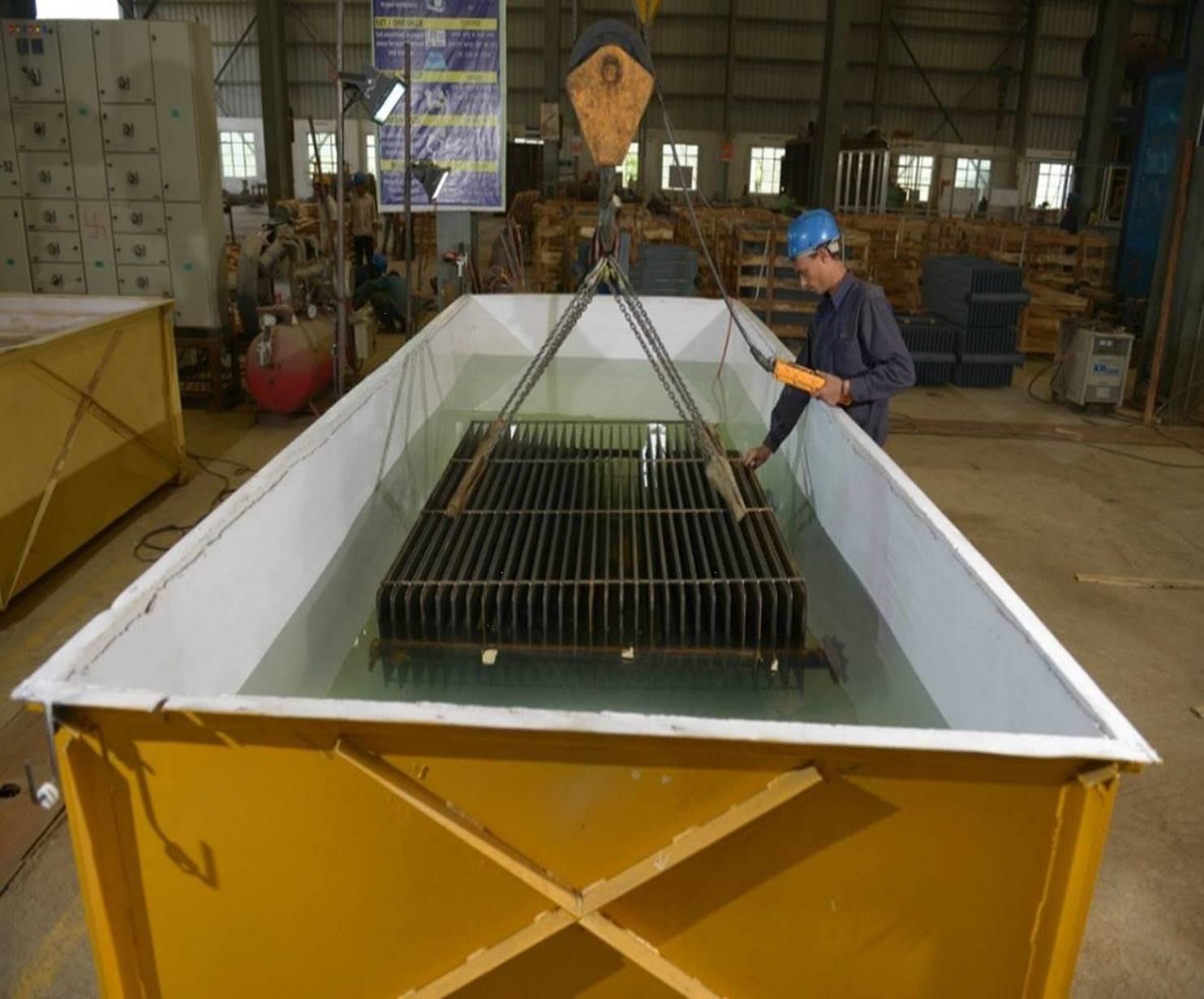
Hydraulic Pressure Test
Hydraulic testing is one of the most reliable inspection methods.
The process includes:
- Filling the header pipe with testing medium
- Increasing pressure to the specified level
- Maintaining pressure for a defined period
- Inspecting weld joints and connections
Typical parameters:
| Test Item | Specification |
|---|
| Working Pressure | Up to 1.0 MPa |
| Hydraulic Test Pressure | 1.5–2.5 MPa |
| Holding Time | According to customer requirement |
| Leakage Requirement | No leakage |
Air Leakage Test
Air testing is used to identify small leakage points.
Inspection focuses on:
- Weld seams
- Flange connections
- Pipe joints
Benefits:
- Detects micro leakage
- Improves product reliability
- Reduces installation risks
Vacuum Test Capability
For special transformer applications, vacuum testing may be required.
It verifies:
- Structural integrity
- Welding quality
- Deformation resistance
This is especially important for:
- Large power transformers
- High-voltage transformer systems
- Utility projects
Dimensional Inspection Before Shipment
A qualified supplier should inspect:
Pipe Dimensions
Including:
- Outside diameter
- Wall thickness
- Length
Connection Dimensions
Including:
- Flange size
- Hole diameter
- Hole spacing
- Center distance
Assembly Accuracy
Ensuring:
- Correct radiator panel connection
- Easy installation
- Compatibility with transformer design
Surface Treatment of Transformer Radiator Header Pipe
Advanced Anti-Corrosion Protection for Outdoor Applications
Transformer cooling systems are normally installed outdoors where they are exposed to:
- Rain
- Humidity
- Temperature changes
- Dust
- Industrial pollution
Therefore, proper surface treatment is essential.
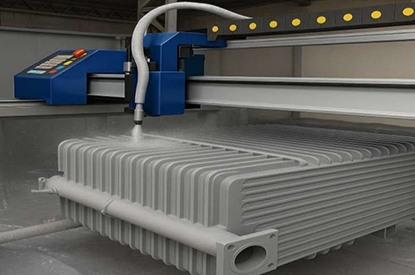
Shot Blasting Treatment
Before painting, the header pipe surface is cleaned through shot blasting.
Benefits:
- Removes rust
- Removes oil contamination
- Improves coating adhesion
- Creates uniform surface quality
A properly prepared surface significantly improves coating lifespan.
Anti-Corrosion Painting System
Common coating structures include:
Primer Layer
Function:
- Prevent corrosion
- Improve adhesion
Intermediate Layer
Function:
- Increase coating thickness
- Improve protection
Top Coat
Function:
- Provide environmental resistance
- Improve appearance
Powder Coating Option
For some applications, powder coating is preferred.
Advantages:
- Strong adhesion
- Good appearance
- Excellent corrosion resistance
- Environment-friendly process
Common colors:
- RAL7035
- RAL7040
- Customer specified colors
Customized Transformer Radiator Header Pipe Manufacturing
OEM and ODM Solutions Based on Customer Requirements
Different transformer manufacturers have different radiator designs.
Therefore, a professional supplier should provide flexible customization.
Customization Options
1. Customized Dimensions
Available customization:
- Pipe diameter
- Pipe length
- Wall thickness
- Overall dimensions
2. Customized Hole Arrangement
Customers can specify:
- Hole quantity
- Hole diameter
- Hole pitch
- Hole position
This allows perfect matching with:
- Radiator panels
- Transformer tanks
- Existing cooling systems
3. Customized Flange Design
Supported options:
- DIN flange
- ANSI flange
- EN standard flange
- Customer-designed flange
4. Customized Surface Treatment
Options include:
- Industrial painting
- Epoxy coating
- Powder coating
- Special corrosion protection
Factory Manufacturing Capability
Professional Production Process for Transformer Cooling Components
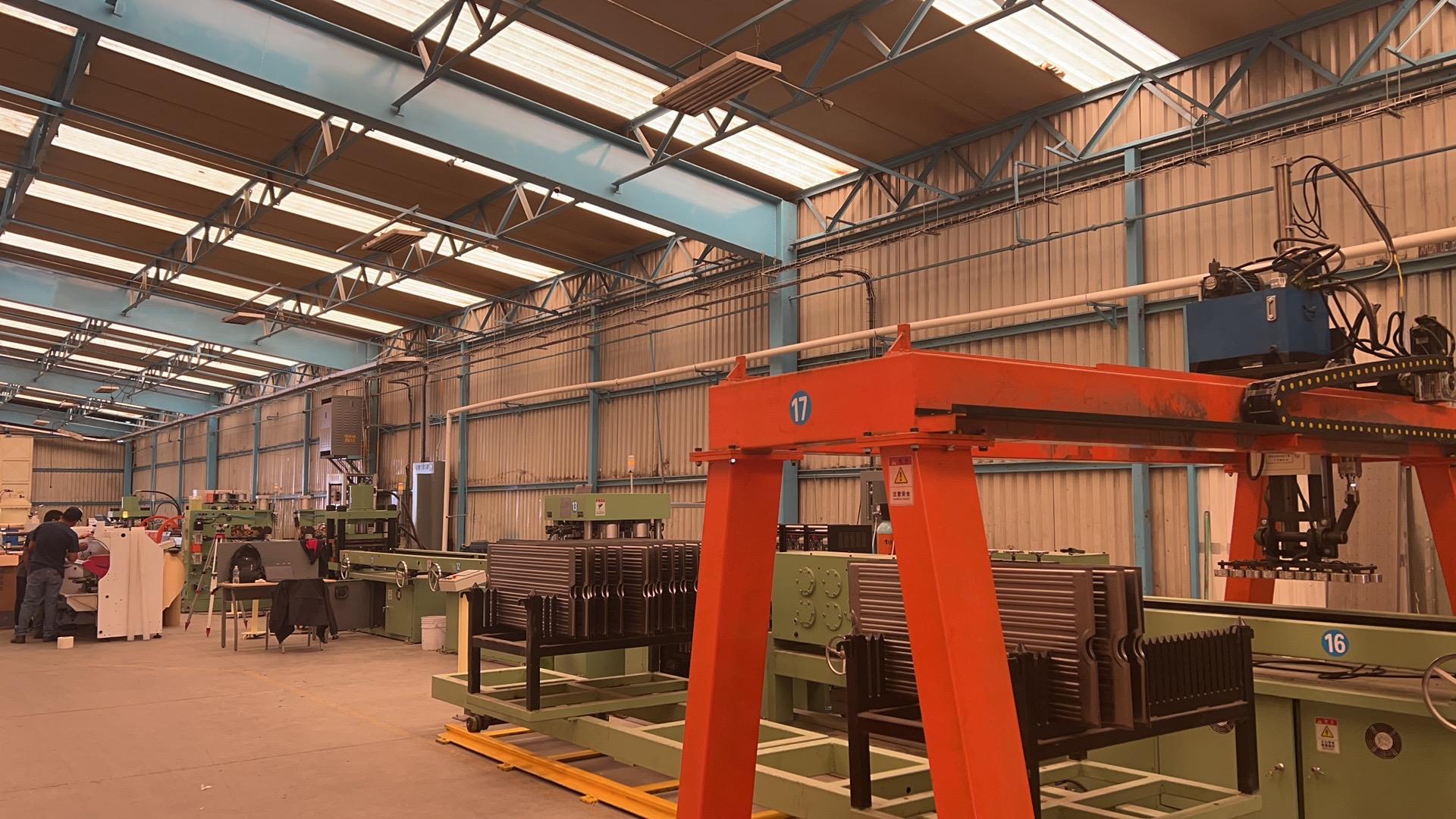
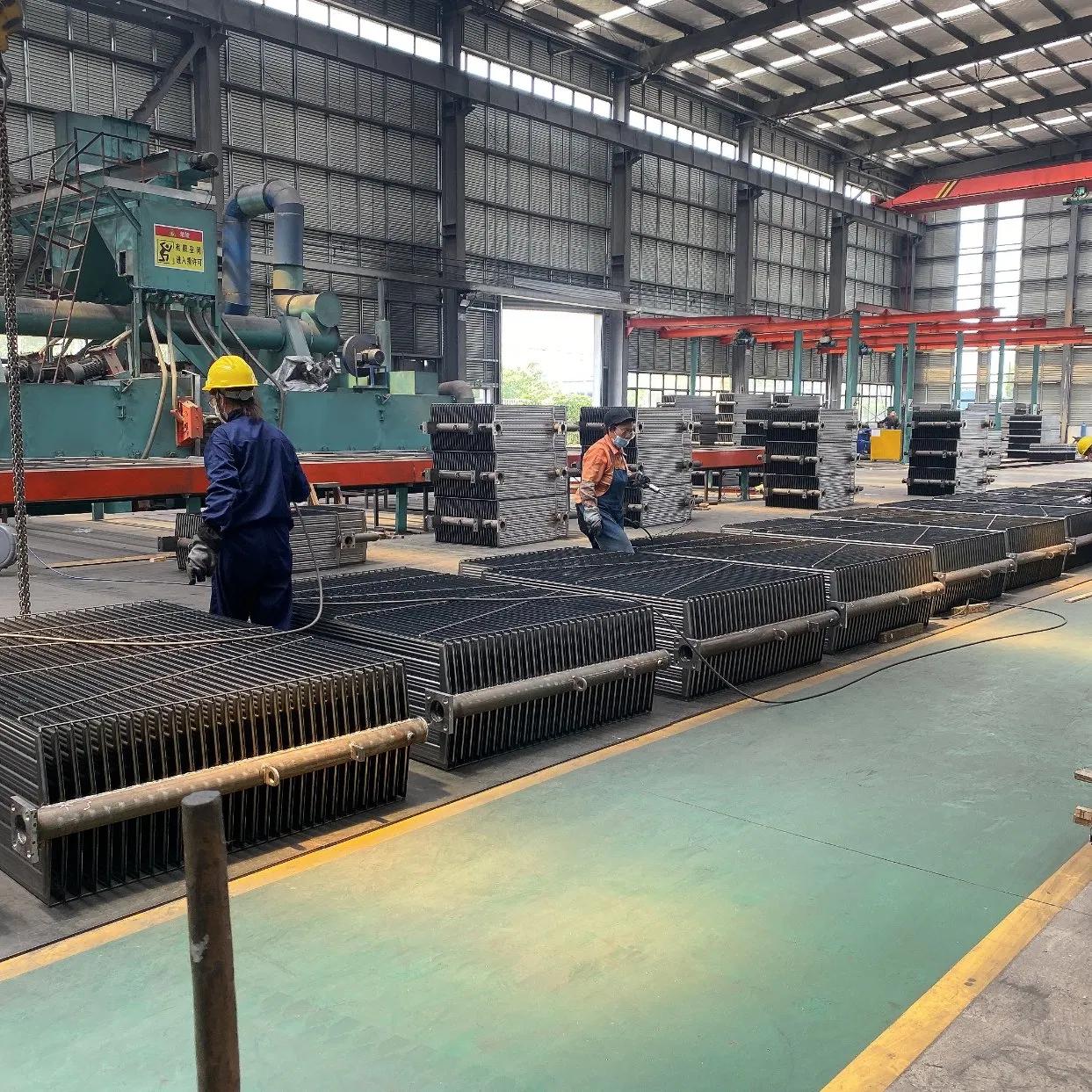
A reliable transformer radiator component supplier should have complete manufacturing capability.
Our production capability covers:
- Raw material preparation
- Precision cutting
- CNC machining
- Welding assembly
- Pressure testing
- Surface treatment
- Final inspection
- Export packaging
Production Equipment and Manufacturing Process
CNC Processing Equipment
Used for:
- Accurate cutting
- Hole machining
- Dimension control
Advantages:
- Higher accuracy
- Better consistency
- Reduced production errors
Automatic Welding Equipment
Automatic welding improves:
- Welding consistency
- Production efficiency
- Weld appearance
Suitable for:
- Large-volume orders
- OEM production
Testing Equipment
Quality inspection equipment includes:
- Hydraulic pressure testing equipment
- Leakage testing equipment
- Dimensional inspection tools
- Coating inspection tools
Quality Control System
Strict Inspection from Raw Material to Finished Product
Quality control includes:
Incoming Material Inspection
Checking:
- Material specification
- Thickness
- Surface condition
Production Process Inspection
Checking:
- Cutting accuracy
- Welding quality
- Hole position
Final Inspection
Checking:
- Appearance
- Dimensions
- Pressure performance
- Packaging condition
Export Experience for Global Transformer Projects
Supplying Transformer Cooling Components Worldwide
Transformer radiator header pipes are supplied to customers in different regions, including:
- Middle East
- Africa
- Southeast Asia
- South America
- Europe
- Central Asia
Different regions require different considerations:
Middle East Projects
Customer requirements often include:
- High temperature resistance
- Strong anti-corrosion coating
- Outdoor durability
Suitable applications:
- Substations
- Utility projects
- Solar power plants
Africa Power Projects
Common requirements:
- Reliable quality
- Cost-effective solutions
- Long service life
- Easy maintenance
Applications:
- Distribution networks
- Rural electrification projects
Southeast Asia Projects
Important factors:
- Humidity resistance
- Corrosion protection
- Stable supply capability
Applications:
- Industrial power systems
- Renewable energy projects
South America Projects
Requirements often include:
- International material standards
- Documentation support
- OEM compatibility
Packaging and Shipment Protection
Secure Packaging for International Transportation
Transformer radiator header pipes require professional packaging to prevent:
- Surface damage
- Deformation
- Moisture exposure
Standard Export Packaging
Packaging methods include:
- Protective wrapping
- Steel frame support
- Wooden case packaging
- Container loading protection
Packaging Advantages
Professional packaging ensures:
- Safe ocean transportation
- Reduced handling damage
- Easy unloading
- Better customer experience
Technical Documents Provided
For international customers, suppliers can provide:
- Product specification sheet
- Dimension drawing
- Material certificate
- Inspection report
- Pressure test report
- Packing list
Quality Assurance and Certification Support
Reliable Quality Control for Global Transformer Projects
For transformer manufacturers, EPC contractors, and utility companies, purchasing a Transformer Radiator Header Pipe (Oil Manifold Header) is not only about product dimensions and price.
Long-term reliability depends on:
- Material quality
- Manufacturing accuracy
- Welding performance
- Pressure resistance
- Quality inspection
- Supplier production capability
A professional manufacturer should provide complete quality documentation and inspection records to support international projects.
Quality Control System for Transformer Radiator Header Pipe
1. Incoming Material Inspection
Before production starts, all raw materials are inspected according to customer requirements.
Inspection items include:
- Material grade verification
- Chemical composition verification
- Mechanical property confirmation
- Thickness measurement
- Surface condition inspection
Typical documents:
- Material Test Certificate (MTC)
- Steel mill certificate
- Raw material inspection report
This ensures every batch of steel can be traced throughout the manufacturing process.
2. Manufacturing Process Inspection
During production, quality engineers monitor critical manufacturing steps.
Inspection points include:
Cutting Accuracy
Ensuring:
- Correct pipe length
- Smooth cutting edges
- Accurate dimensions
Hole Machining Accuracy
Ensuring:
- Correct hole diameter
- Correct hole spacing
- Proper radiator panel connection
Welding Quality
Ensuring:
- Uniform weld appearance
- Strong weld penetration
- No visible defects
Assembly Accuracy
Ensuring:
- Correct flange position
- Correct connection orientation
- Easy installation
3. Final Product Inspection
Before shipment, every batch undergoes final inspection.
Final inspection includes:
- Appearance inspection
- Dimensional inspection
- Welding inspection
- Leakage inspection
- Pressure testing
Only qualified products are released for delivery.
Factory EEAT Module
Why Buyers Trust an Experienced Transformer Radiator Header Pipe Manufacturer
Google’s EEAT principle focuses on:
- Experience
- Expertise
- Authoritativeness
- Trustworthiness
For industrial B2B products, buyers also evaluate these factors before sending an inquiry.
They want to know:
- Does this supplier really manufacture the product?
- Does the factory have professional equipment?
- Can they handle customized orders?
- Do they understand transformer cooling systems?
- Can they provide stable quality?
Our Manufacturing Experience
Professional Transformer Cooling Component Production
We specialize in manufacturing transformer cooling system components, including:
- Transformer Radiators
- Radiator Fin Panels
- Transformer Radiator Header Pipes
- Oil Manifold Headers
- Butterfly Valve Connections
- Transformer Cooling Accessories
Our production experience allows us to understand the complete transformer cooling structure, not only individual components.
Engineering Support Capability
Technical Assistance Before Production
Many international buyers provide only:
- Product photos
- Existing samples
- Old drawings
- Basic dimensions
Our engineering team can assist with:
- Technical drawing confirmation
- Dimension verification
- Material recommendation
- Manufacturing feasibility analysis
This reduces communication problems and prevents production mistakes.
Factory Production Process
A professional manufacturing workflow includes:
Step 1 — Technical Review
Confirm:
- Product requirements
- Drawings
- Material specifications
- Quantity
↓
Step 2 — Raw Material Preparation
Select:
- Suitable steel grade
- Correct pipe specifications
↓
Step 3 — Precision Manufacturing
Perform:
- Cutting
- Machining
- Welding
- Assembly
↓
Step 4 — Quality Inspection
Perform:
- Dimension check
- Pressure test
- Leakage test
↓
Step 5 — Surface Treatment
Apply:
- Painting
- Powder coating
- Corrosion protection
↓
Step 6 — Export Packaging
Prepare:
- Protection packaging
- Shipping documents
Applications of Transformer Radiator Header Pipe
Suitable for Various Transformer Cooling Systems
Transformer radiator header pipes are widely used in:
Distribution Transformer Applications
Used for:
- Medium voltage transformers
- Industrial transformers
- Commercial power systems
Requirements:
- Stable cooling performance
- Reliable oil circulation
- Cost-effective operation
Power Transformer Applications
Used for:
- High-capacity transformers
- Substations
- Utility networks
Requirements:
- Higher pressure capability
- Long service life
- Strict quality control
Renewable Energy Projects
Transformer cooling components are widely used in:
Solar Power Plants
Applications:
- Solar transformer systems
- Collector substations
- Renewable energy transmission
Important requirements:
- Outdoor durability
- Corrosion resistance
- Long maintenance cycle
Wind Farm Transformer Systems
Applications:
- Wind turbine transformers
- Step-up transformers
- Grid connection systems
Requirements:
- Reliable operation under changing weather conditions
Industrial Power Applications
Used in:
- Mining projects
- Oil & gas facilities
- Manufacturing plants
- Data centers
Industrial customers require:
- High reliability
- Stable supply
- Technical support
Transformer Radiator Header Pipe Buying Guide
What Information Should Buyers Provide Before Requesting a Quote?
To receive an accurate quotation, professional buyers should provide:
Basic Product Information
Required:
- Product name
- Quantity
- Application
Example:
“Transformer Radiator Header Pipe for 33kV Power Transformer”
Technical Specifications
Recommended information:
- Pipe diameter
- Wall thickness
- Length
- Material requirement
- Hole quantity
- Hole spacing
- Hole diameter
Connection Requirements
Confirm:
- Flange type
- Connection method
- Installation position
Quality Requirements
Specify:
- Pressure test requirement
- Coating requirement
- Inspection standard
Professional Manufacturer vs General Supplier
| Item | Professional Manufacturer | General Supplier |
|---|
| Technical support | ✓ Engineering team | Limited |
| Custom production | ✓ Available | Often unavailable |
| Drawing review | ✓ Supported | Limited |
| Pressure testing | ✓ Complete testing | Not always |
| Material traceability | ✓ Available | Limited |
| OEM capability | ✓ Strong | Weak |
| Quality control | ✓ Full process | Basic inspection |
Choosing a manufacturer with real production capability reduces project risks.
Why Choose Our Transformer Radiator Header Pipe?
1. Customized Manufacturing Capability
We manufacture according to:
- Customer drawings
- Transformer specifications
- Radiator dimensions
- Project requirements
2. Complete Quality Inspection
Every production stage is controlled:
- Material inspection
- Welding inspection
- Dimensional inspection
- Pressure testing
3. Transformer Industry Experience
Unlike general steel pipe suppliers, we understand:
- Transformer cooling systems
- Oil circulation requirements
- Radiator assembly structures
4. Flexible OEM Solutions
Support:
- Small trial orders
- Large project orders
- Replacement parts
- Long-term supply agreements
5. Export-Oriented Service
Supporting international buyers with:
- Technical documents
- Export packaging
- Shipping assistance
- Project communication
Frequently Asked Buyer Questions Before Purchase
Can you manufacture Transformer Radiator Header Pipe according to our drawings?
Yes. Customized production according to customer drawings, samples, or technical specifications is available.
What is the standard material for Transformer Oil Manifold Header?
Common materials include carbon steel such as Q235, Q345, ASTM A106, ASTM A53, S235, and S355 depending on project requirements.
How do you ensure the header pipe does not leak?
Each header pipe undergoes quality inspection including welding inspection, leakage testing, and hydraulic pressure testing.
Can you supply complete transformer radiator assemblies?
Yes. Transformer cooling components such as radiator panels, header pipes, valves, and accessories can be supplied according to project requirements.
Request a Customized Transformer Radiator Header Pipe Quote
Looking for a Reliable Transformer Radiator Header Pipe Manufacturer?
Whether you are a transformer manufacturer, EPC contractor, utility company, or maintenance service provider, we can provide customized Transformer Radiator Header Pipe (Oil Manifold Header) solutions based on your technical requirements.
Our engineering team can support:
✓ Drawing review
✓ OEM manufacturing
✓ Customized dimensions
✓ Material selection
✓ Pressure-tested production
✓ Export packaging
✓ Project supply
Send your drawings, specifications, or existing product information today.
Our engineers will provide a suitable transformer cooling component solution for your project.
Transformer Radiator Header Pipe — Reliable Oil Circulation Solution for Global Transformer Cooling Systems
A high-quality Transformer Radiator Header Pipe is not simply a connecting pipe. It is a critical component that determines oil circulation efficiency, cooling performance, and transformer reliability.
By choosing an experienced manufacturer with professional production capability, strict quality control, and engineering support, buyers can achieve safer operation, lower maintenance costs, and long-term project success.
Contact us today for customized Transformer Radiator Header Pipe solutions.