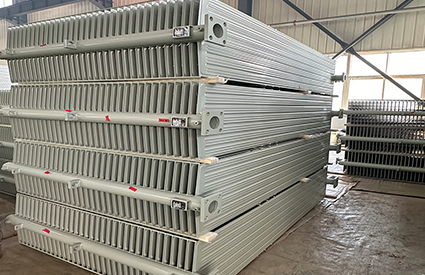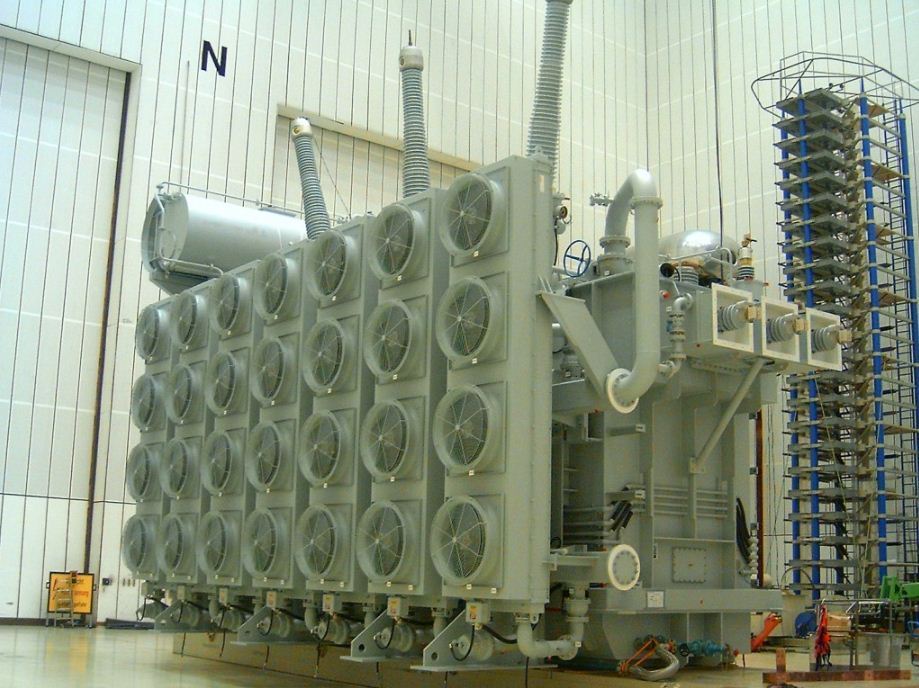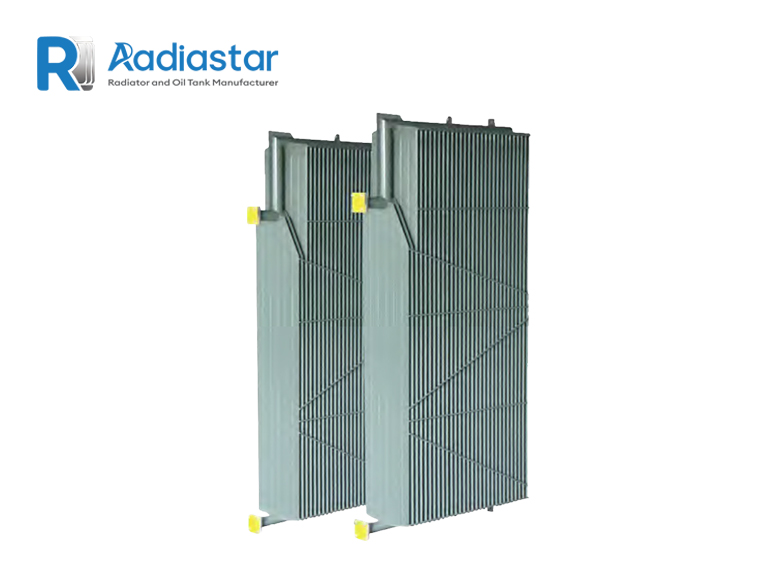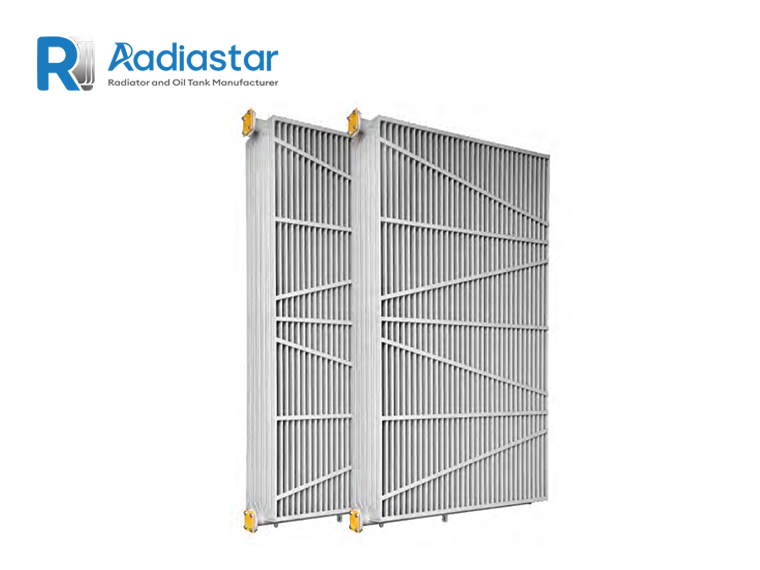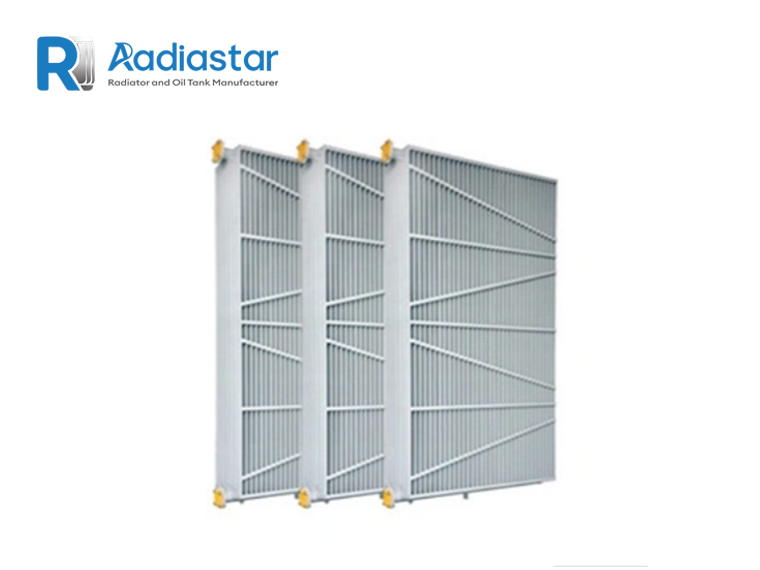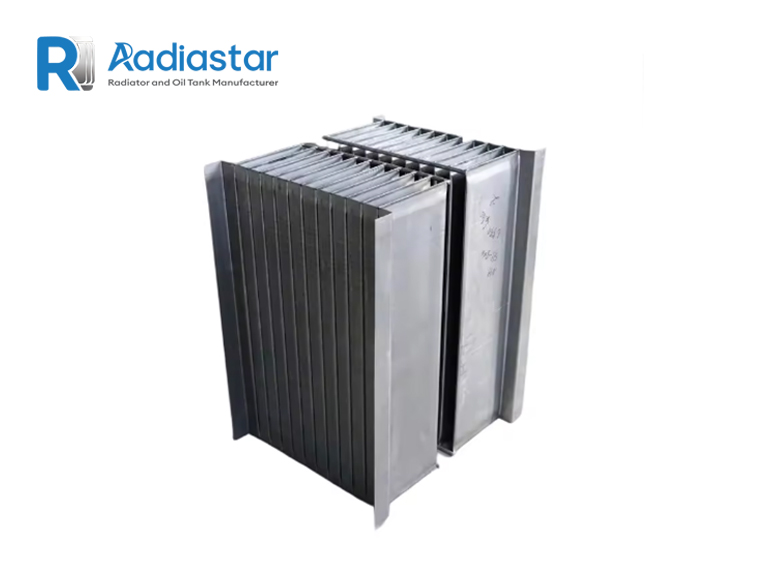

As a transformer radiator design engineer and manufacturing quality specialist, I have worked with transformer cooling components for many years and have seen one fact repeatedly confirmed:
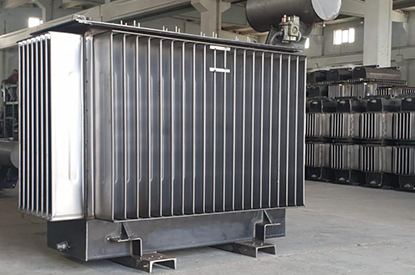
A transformer radiator is not only a heat dissipation component; it is also a critical outdoor protection component that must withstand decades of environmental exposure.
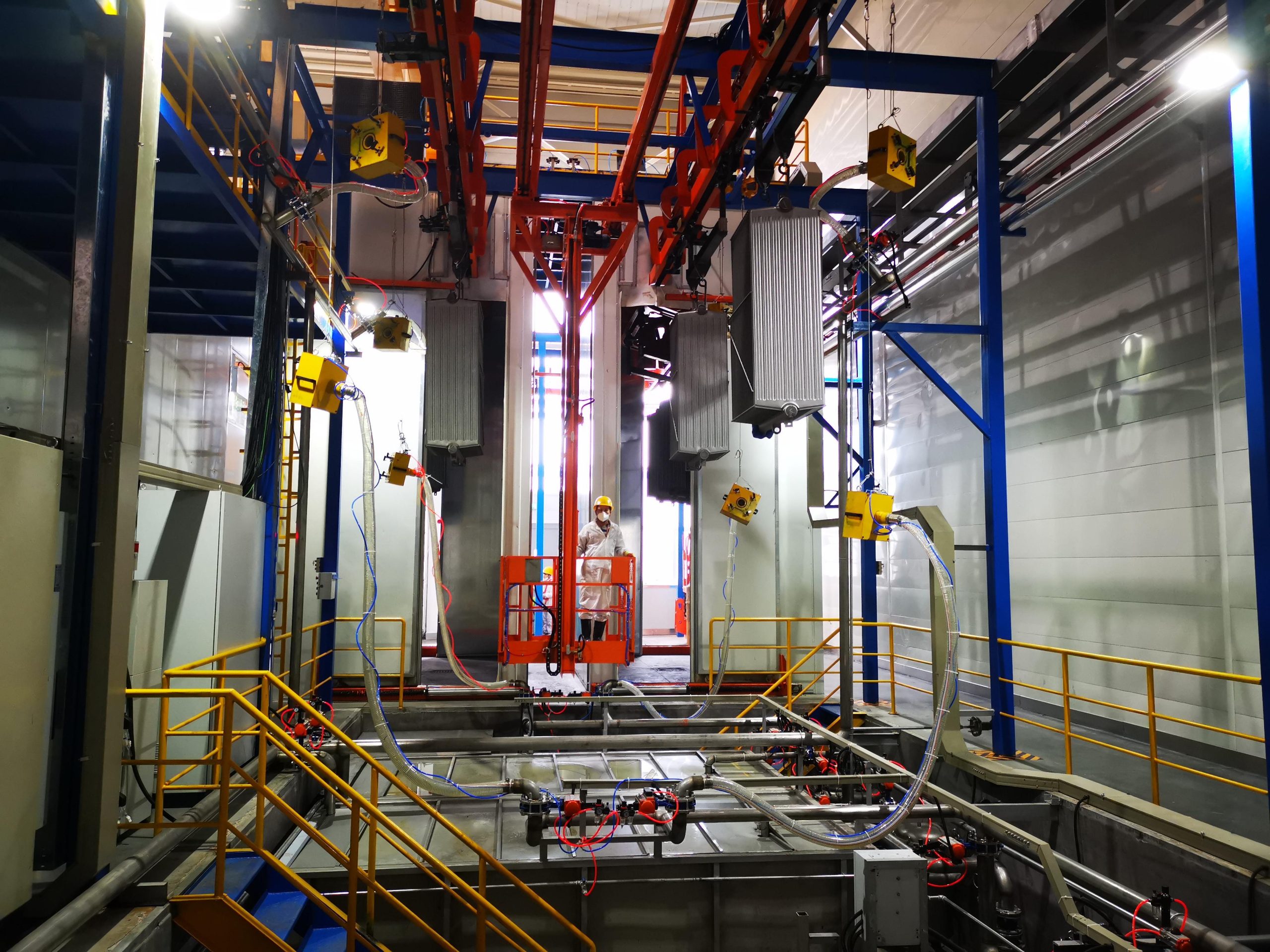
Power transformer radiators are usually installed outdoors and operate under challenging conditions, including:
Without proper surface treatment and coating protection, corrosion may gradually affect:
Therefore, professional transformer radiator manufacturing requires a complete anti-corrosion system, not simply applying a layer of paint on the surface.
At Radiastar, we consider corrosion protection as a complete engineering process starting from:
Material selection → Surface preparation → Coating system design → Painting → Inspection → Delivery protection
Transformer radiators are normally manufactured using carbon steel because of its:
However, carbon steel naturally reacts with:
which can cause:
For outdoor power equipment, especially transformers installed near:
corrosion protection becomes even more important.
From our production experience, a reliable coating system normally includes:
Raw Material Inspection

↓

Surface Cleaning

↓

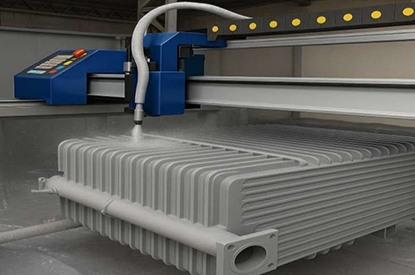
Shot Blasting

↓

Dust Removal

↓

Primer Coating

↓

Intermediate Coating

↓

Final Top Coat

↓

Drying & Curing

↓

Coating Thickness Inspection

↓

Final Quality Approval
Each step directly affects the final service life of the transformer radiator.
From a manufacturing perspective, the most important step before painting is not painting itself.
It is:
Surface preparation.
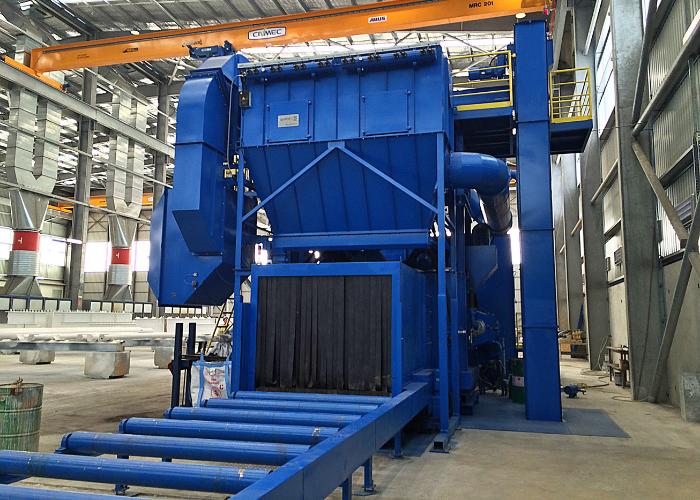
Many coating problems actually originate from insufficient surface treatment.
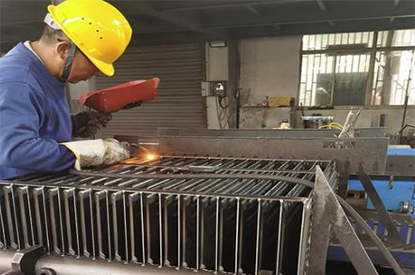
During production, transformer radiator surfaces are treated through professional blasting processes to remove:
The purpose is to create a clean and slightly rough surface that improves coating adhesion.
A properly prepared steel surface provides:
✓ Better paint adhesion
✓ Lower corrosion risk
✓ Longer coating lifespan
✓ Improved appearance quality
For transformer radiators used in harsh environments, surface preparation determines the reliability of the entire coating system.
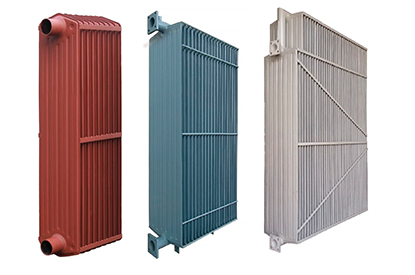
The first coating layer provides the foundation of corrosion resistance.
Common primer systems include:
The main functions are:
The intermediate layer improves:
It helps protect the radiator surface from:
The final coating provides:
Common topcoat options:
The selection depends on:
A professional transformer radiator manufacturer cannot rely only on visual inspection.
A complete quality control system should include:
Before coating:
We check:
Paint thickness directly affects corrosion resistance.
Too thin:
Too thick:
Therefore, coating thickness inspection is necessary after painting.
Quality engineers inspect:
Including:
Challenges:
Recommended:
Challenges:
Recommended:
Challenges:
Recommended:
As a transformer radiator design engineer, I believe corrosion protection should not be considered only after production.
It starts during design.
Important factors include:
Choosing suitable steel materials.
Avoiding:
Ensuring:
A good design makes the coating system more effective.
During transformer radiator production, some common coating failures include:
Result:
Solution:
Strict blasting and cleaning process.
Result:
Solution:
Professional coating inspection.
Result:
Solution:
Additional welding inspection and surface preparation.
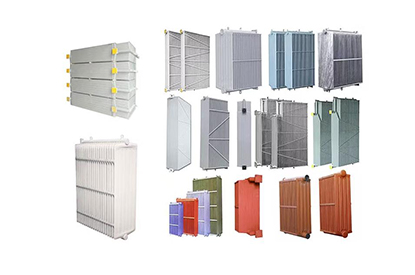
Radiastar focuses on transformer cooling solutions including:
Our approach combines:
Understanding:
Controlling:
Monitoring:
A transformer radiator is expected to operate reliably for decades.
Therefore, every manufacturing step matters:
From:
to:
Every process affects:
Professional anti-corrosion treatment is not an additional process.
It is an essential part of transformer radiator engineering.
Transformer radiators operate outdoors and must resist moisture, humidity, salt spray, and environmental corrosion.
The typical process includes surface cleaning, shot blasting, primer coating, top coating, drying, and inspection.
Service life depends on coating system, environment, installation location, and maintenance conditions.
Common coatings include epoxy primer, zinc-rich primer, polyurethane coating, and weather-resistant topcoat.
Typical inspections include:
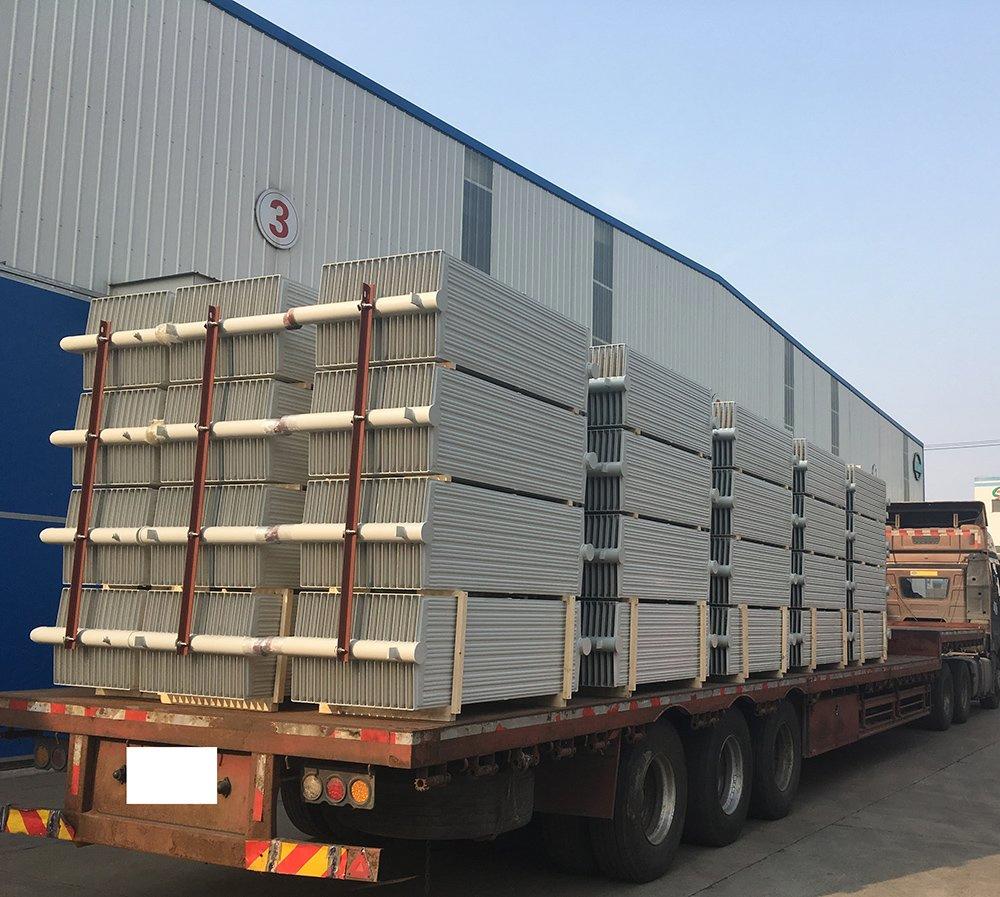
From the perspective of a transformer radiator designer, production engineer, and quality control specialist, corrosion protection is one of the most important factors determining transformer radiator reliability.
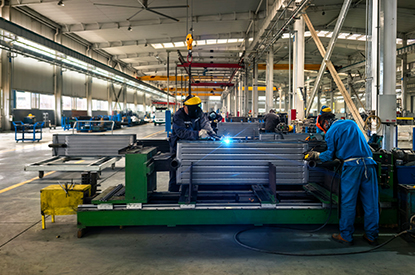
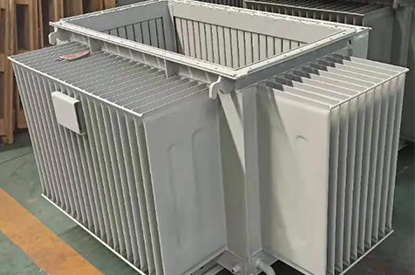
A high-quality transformer radiator is not only manufactured through welding and assembly.
It requires:
At Radiastar, we focus on providing transformer cooling components with reliable performance, professional manufacturing standards, and long-term global project support.
If you are looking for a reliable Transformer Radiator Manufacturer or customized cooling solution, contact Radiastar for engineering support and project consultation.