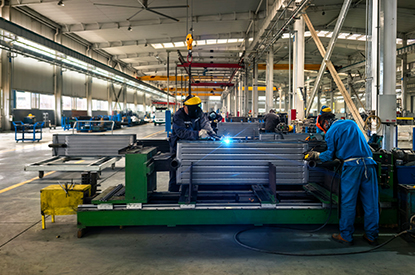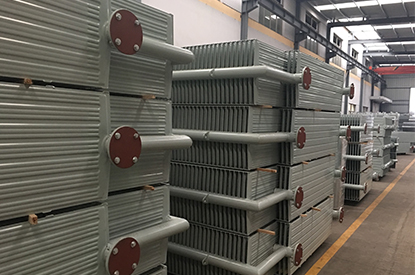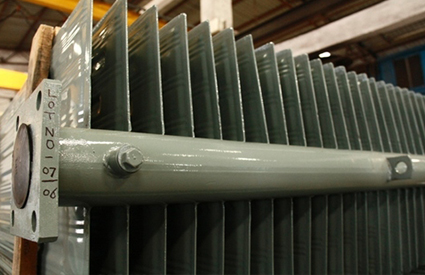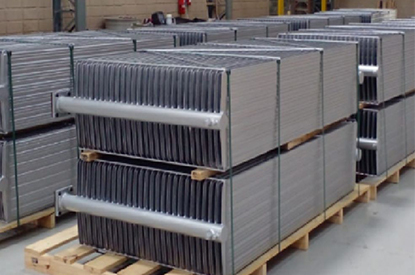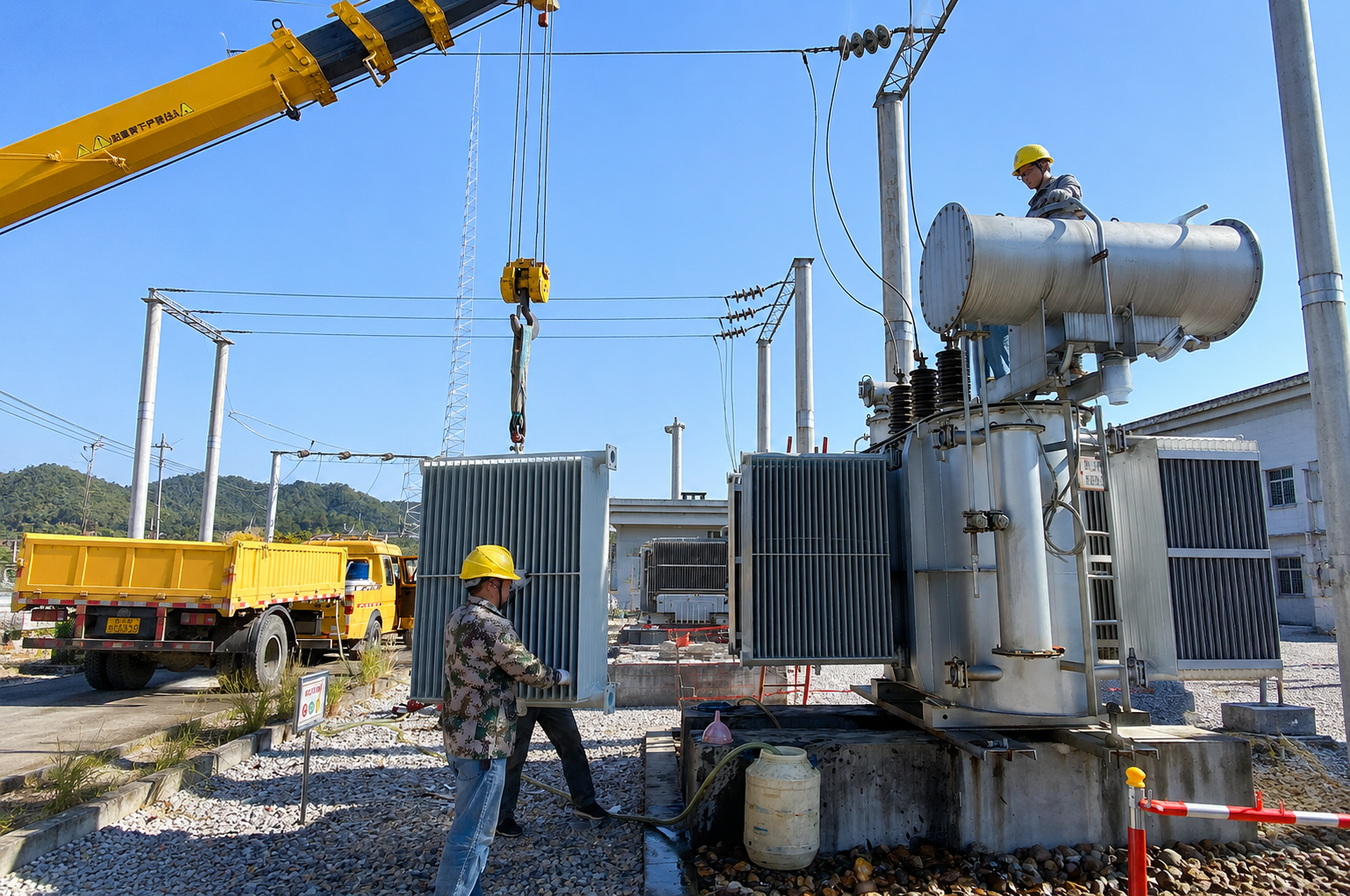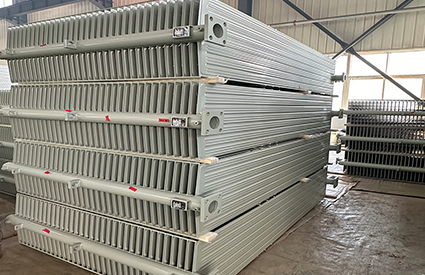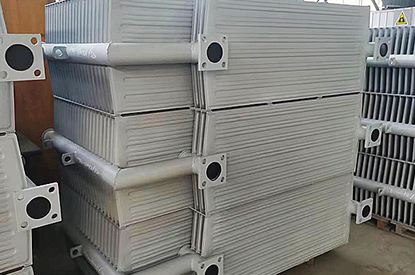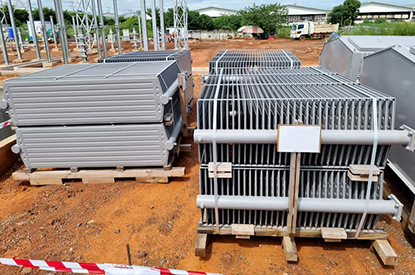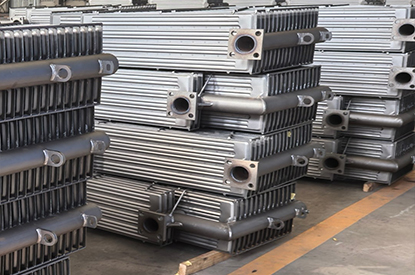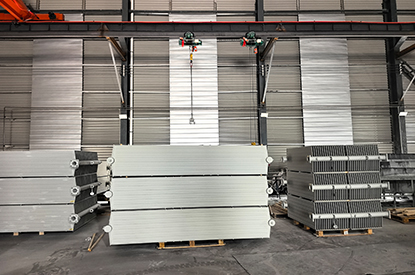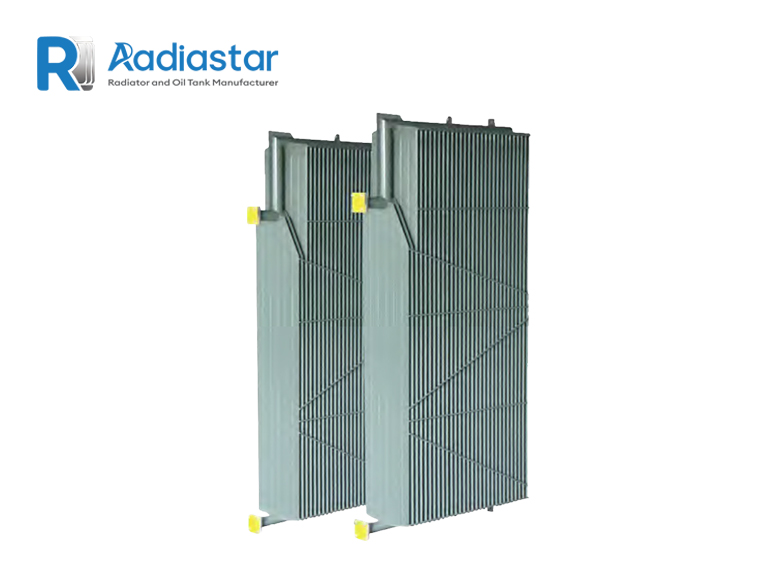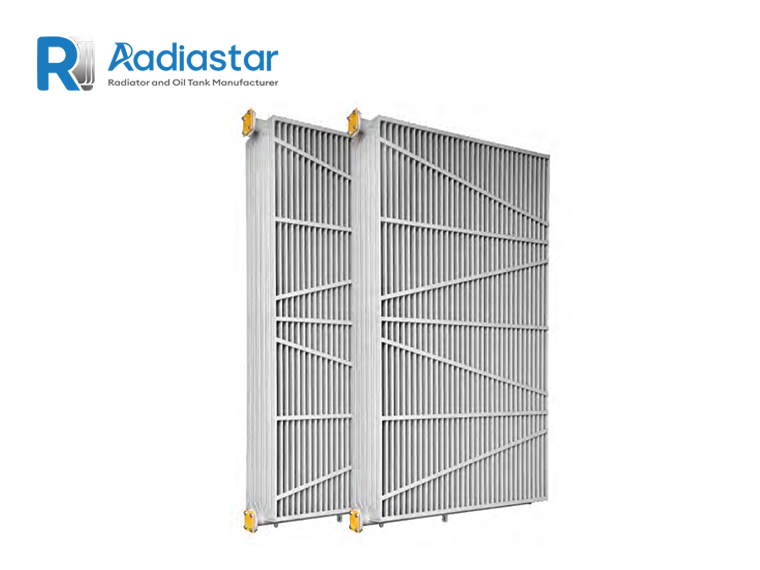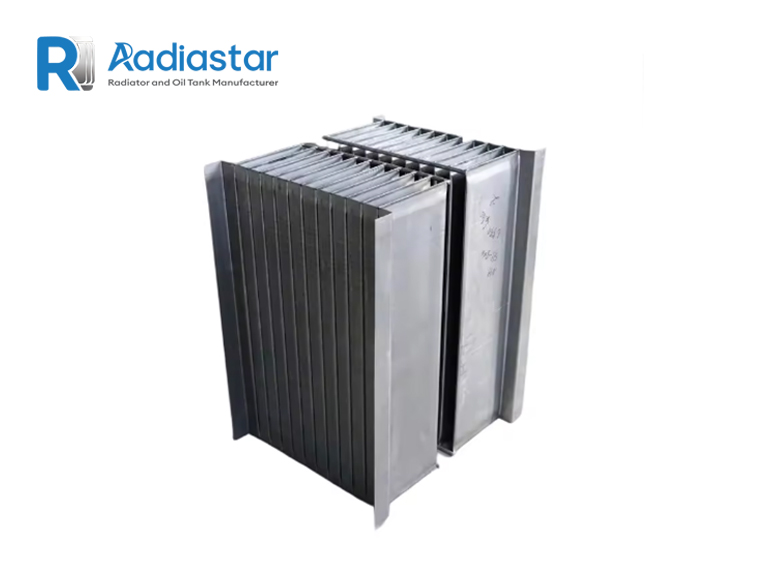

Wondering how much a transformer radiator costs? The answer depends on much more than its size. Material selection, corrosion protection, manufacturing quality, dimensions, and project requirements all influence the final price.
Whether you are a transformer manufacturer, EPC contractor, utility company, maintenance provider, or equipment distributor, understanding these pricing factors will help you choose the most cost-effective cooling solution instead of simply selecting the lowest quotation.
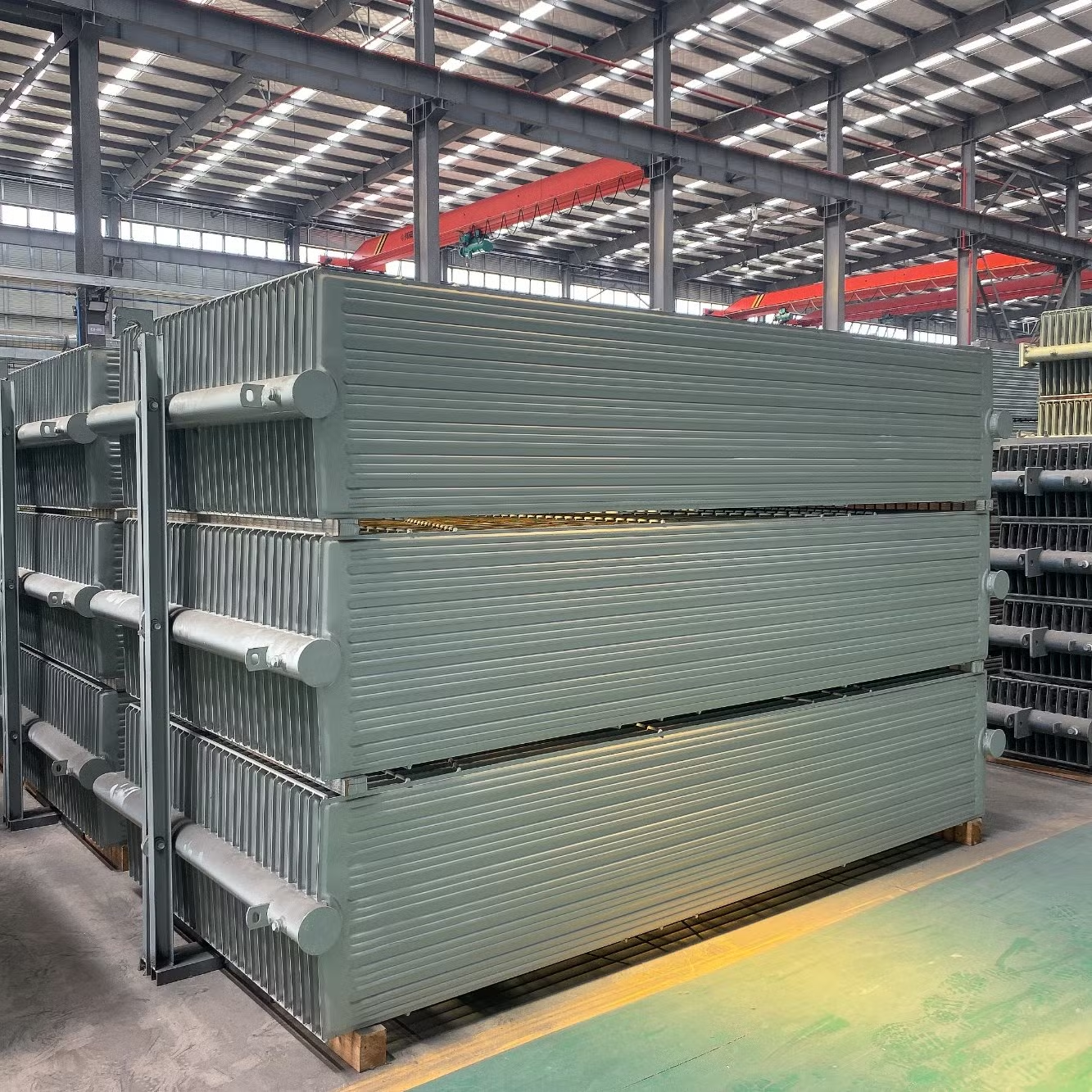
Transformer radiators are not standardized products. Two radiators with similar dimensions may have significantly different prices due to differences in steel quality, coating systems, manufacturing processes, testing standards, and customization requirements.
A professional quotation should always consider the total lifecycle cost, including service life, corrosion resistance, maintenance, and operating reliability.
The steel used for manufacturing has the greatest impact on radiator pricing.
| Material | Characteristics | Relative Price | Recommended Application |
|---|---|---|---|
| Cold-Rolled Carbon Steel | Economical and widely used | ★ | Indoor and standard environments |
| High-Strength Carbon Steel | Better structural performance | ★★ | Medium and large transformers |
| Hot-Dip Galvanized Steel (HDG) | Excellent corrosion resistance | ★★★ | Coastal, humid and tropical regions |
| Stainless Steel | Outstanding corrosion protection | ★★★★★ | Chemical plants and highly corrosive environments |
For standard utility transformers, high-quality carbon steel usually provides the best balance between cost and performance.
For coastal substations, offshore projects, or desert installations, investing in Hot-Dip Galvanized (HDG) radiators can significantly reduce long-term maintenance costs.
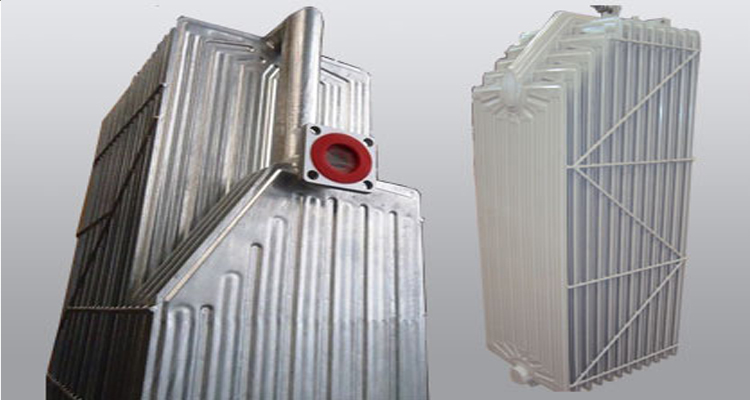
Larger radiators require more raw materials, welding, coating, and testing.
The following specifications are typically considered during quotation:
As these dimensions increase, manufacturing complexity and transportation costs also increase.
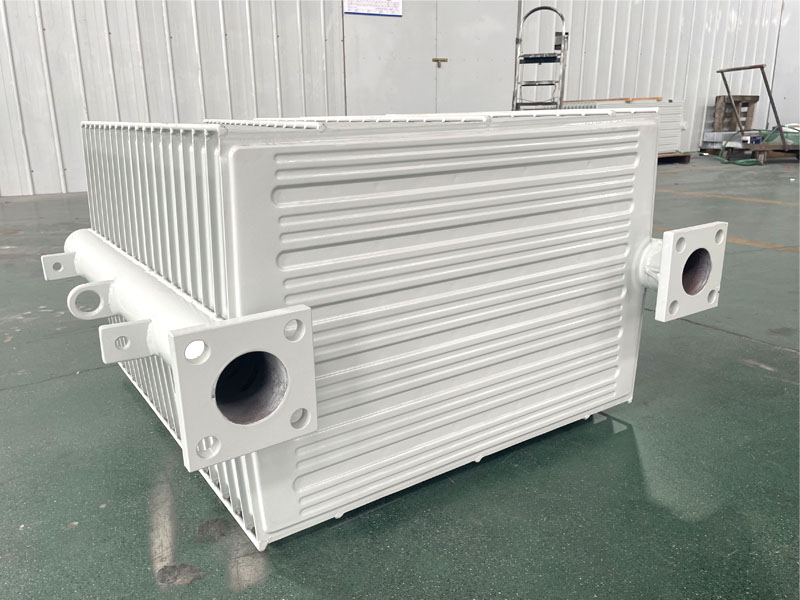
Different transformer applications require different panel thicknesses.
| Panel Thickness | Typical Application |
|---|---|
| 1.2 mm | Small distribution transformers |
| 1.5 mm | Standard utility transformers |
| 2.0 mm | Medium power transformers |
| 2.5 mm | Heavy-duty and high-capacity transformers |
Thicker steel improves structural strength and durability but also increases material consumption and production costs.
Surface treatment plays an important role in determining the final price.
| Protection System | Typical Environment | Relative Cost |
|---|---|---|
| Standard Industrial Paint | Normal outdoor installation | ★ |
| Powder Coating | General industrial use | ★★ |
| C3 Anti-Corrosion Coating | Urban environments | ★★ |
| C4 Anti-Corrosion Coating | Coastal and industrial areas | ★★★ |
| C5-I / C5-M Marine Coating | Marine and offshore projects | ★★★★ |
| Hot-Dip Galvanizing (HDG) | High-humidity and severe corrosion | ★★★★★ |
Choosing the correct coating system based on the operating environment is often more economical than replacing a corroded radiator after only a few years of service.
Cooling performance also influences price.
Common radiator configurations include:
Customized cooling systems generally require additional engineering and manufacturing work.
Production quality has a direct impact on long-term operating reliability.
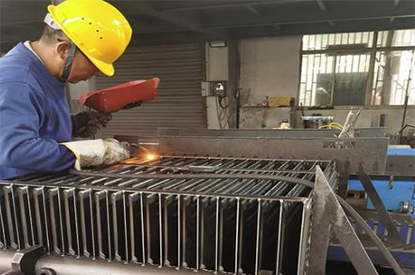
Premium transformer radiators typically include:
Although these procedures increase manufacturing cost, they significantly reduce the risk of oil leakage and premature failure.
Products manufactured according to international standards generally require stricter quality control.
Common standards include:
Compliance with international standards provides greater confidence for utility companies and EPC contractors while improving product reliability.
Production quantity has a significant influence on unit price.
Typical purchasing patterns include:
Higher order volumes often reduce the cost per unit by improving production efficiency and material utilization.
The following table provides a general pricing reference based on common market conditions. Actual prices vary depending on specifications, steel prices, coating requirements, order quantity, and shipping destination.
| Radiator Type | Material | Corrosion Protection | Typical Price Level |
|---|---|---|---|
| Standard Distribution Transformer Radiator | Carbon Steel | Standard Paint | $ |
| Heavy-Duty Power Transformer Radiator | Carbon Steel | C3 Coating | $$ |
| Industrial Transformer Radiator | Carbon Steel | C4 Coating | $$$ |
| Coastal Project Radiator | HDG Steel | Hot-Dip Galvanized | $$$$ |
| Marine / Offshore Radiator | Stainless Steel | C5-M System | $$$$$ |
| Custom Engineered Radiator | Customized Materials | Customized Protection | Project-Based Quote |
Note: Because steel prices, zinc prices, coating materials, and freight costs fluctuate, requesting a project-specific quotation is the most accurate way to determine current pricing.
Instead of comparing quotations based only on price, evaluate suppliers based on:
A well-designed radiator often delivers a lower total ownership cost over its service life, even if its initial purchase price is slightly higher.
Radiastar specializes in manufacturing transformer cooling radiators for global power projects.
We offer:
Our products are supplied to transformer manufacturers, utilities, EPC contractors, and industrial customers in the Middle East, Southeast Asia, Europe, Africa, and South America.
Material grade, radiator size, corrosion protection system, manufacturing quality, and order quantity have the greatest influence on pricing.
For coastal, humid, or highly corrosive environments, Hot-Dip Galvanized radiators typically provide a longer service life and lower maintenance costs than standard painted radiators.
Yes. Radiastar manufactures OEM transformer radiators based on customer drawings, technical specifications, and cooling performance requirements.
If you are selecting a transformer radiator for a new project or replacing an existing cooling system, our engineering team can recommend the most suitable solution based on your transformer capacity, operating conditions, and environmental requirements.
Contact Radiastar today for: