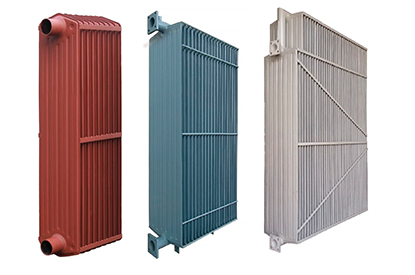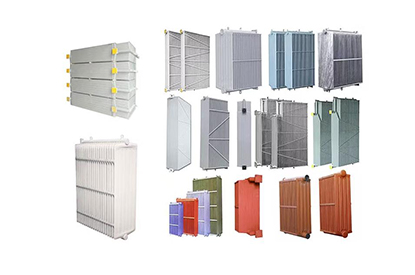

When purchasing a transformer radiator, price is only one factor to consider. For transformer manufacturers, utilities, EPC contractors, and industrial users, product quality, testing procedures, and international compliance are critical factors that directly affect transformer reliability and service life.
A high-quality transformer cooling radiator must provide:
Selecting a radiator manufacturer that follows recognized international standards can significantly reduce operational risks and maintenance costs.
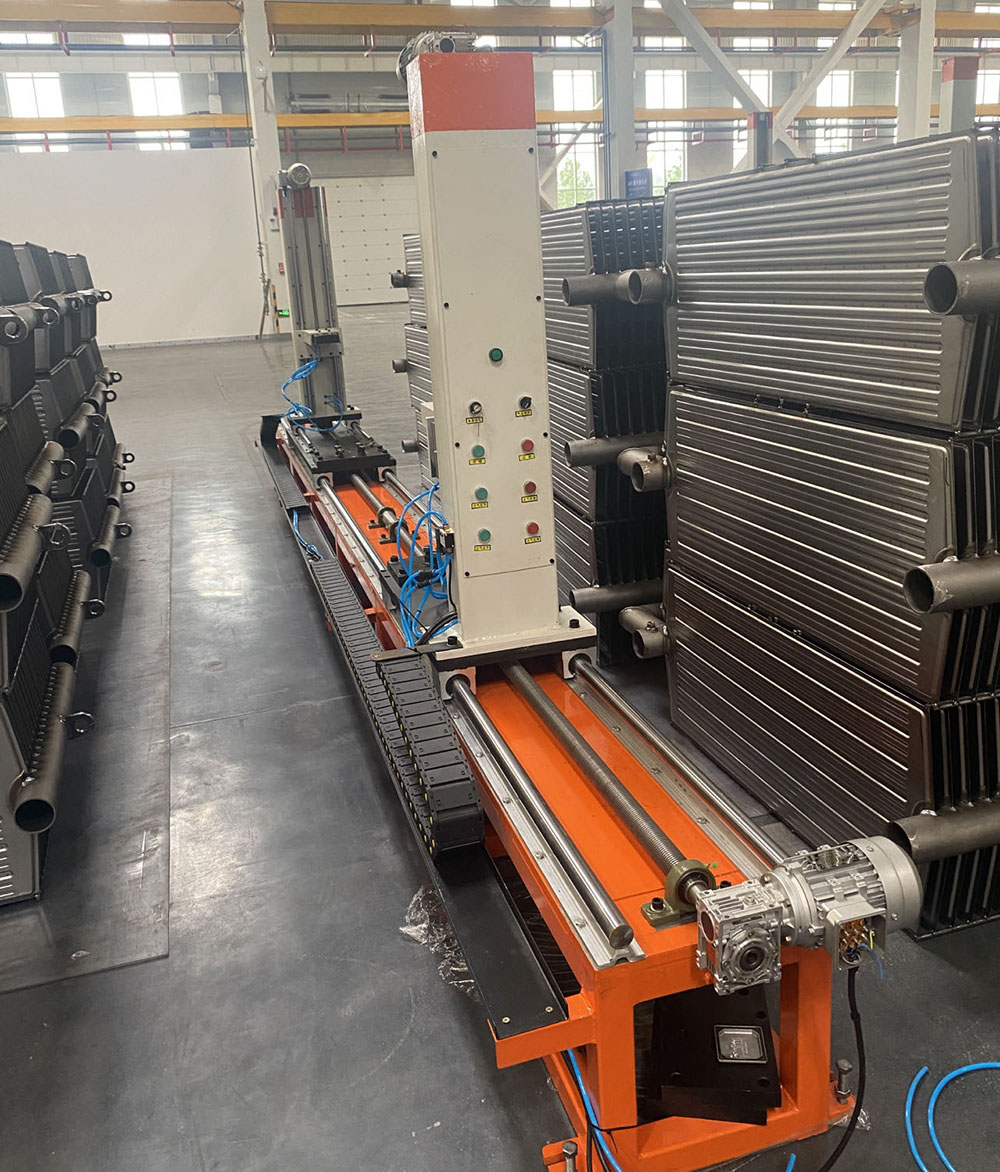
Transformer radiators operate continuously under thermal expansion, oil pressure, and outdoor environmental conditions.
Poor-quality radiators may cause:
For this reason, professional buyers usually evaluate:
before selecting a transformer radiator supplier.
Although transformer radiators are cooling components, their design and testing requirements are closely related to international transformer standards.
The most commonly referenced standards include:
| Standard | Organization | Application |
|---|---|---|
| IEC 60076 | International Electrotechnical Commission | Power transformer design and testing |
| IEEE C57 Series | IEEE | Transformer performance requirements |
| GB/T 1094 | China National Standard | Transformer technical requirements |
These standards define requirements related to:
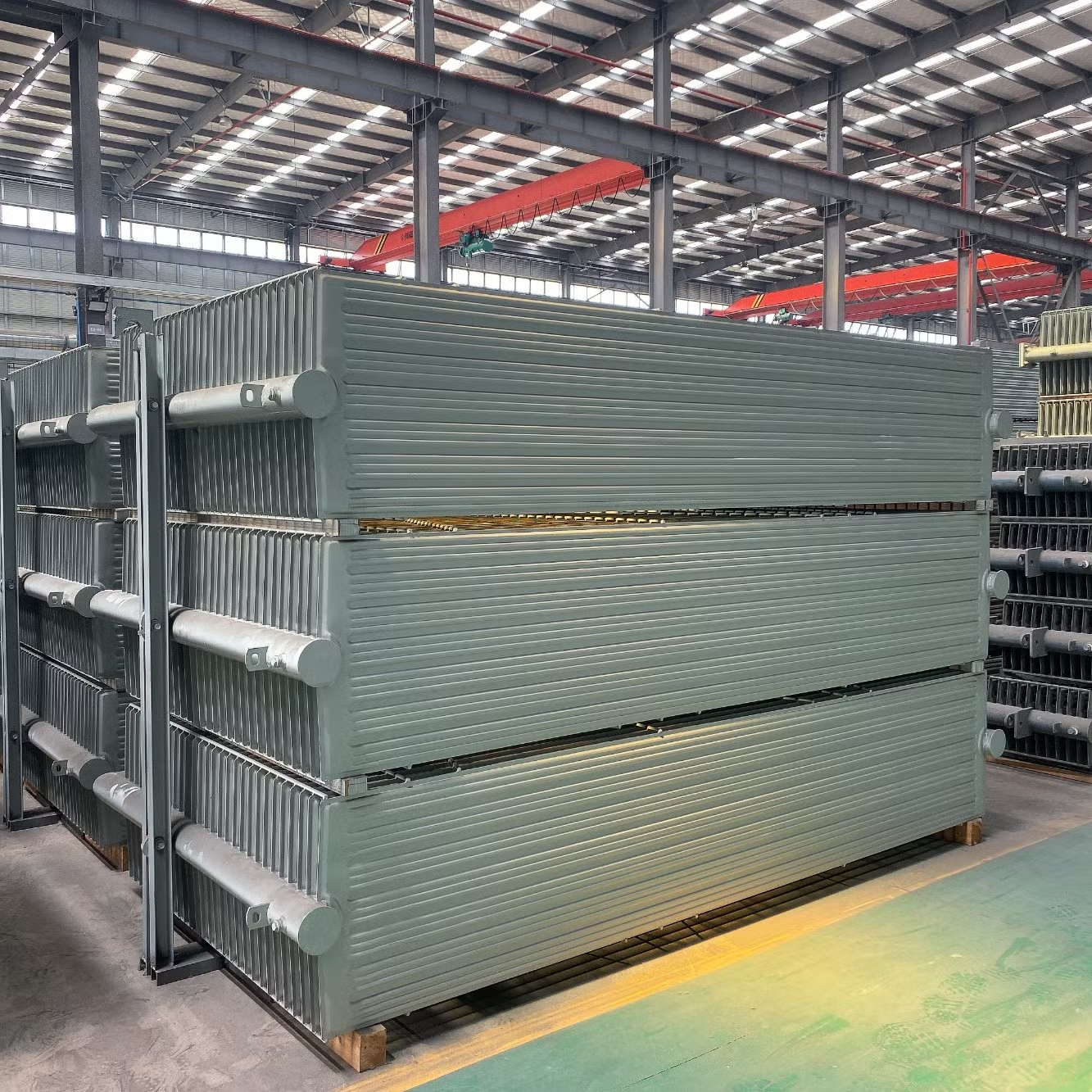
IEC 60076 is one of the most widely accepted transformer standards worldwide and is frequently referenced by utilities, EPC contractors, and transformer manufacturers.
For transformer radiators, IEC-related requirements mainly focus on:
The radiator must provide sufficient heat dissipation capability to maintain transformer operating temperature within acceptable limits.
Key factors include:
Transformer radiators must withstand internal oil pressure during:
Pressure testing ensures the radiator structure can operate safely without deformation or leakage.
Leakage testing is essential because transformer oil loss may affect:
Professional manufacturers perform strict sealing inspections before shipment.
For North American markets and many international utility projects, the IEEE C57 transformer standard series is commonly referenced.
IEEE requirements focus on:
For projects requiring IEEE compliance, suppliers should provide corresponding technical documents and test records.
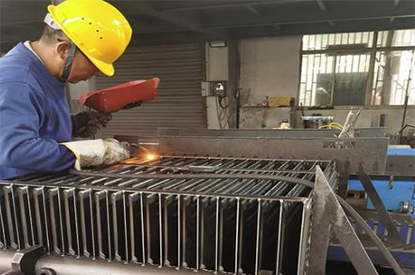
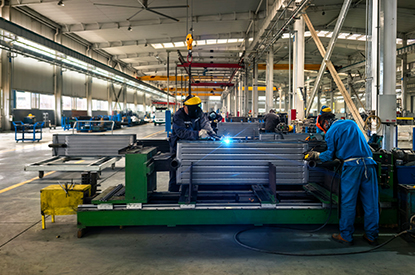
A reliable transformer radiator manufacturer should have a complete quality control system covering the entire production process.
Typical quality procedures include:
Before production:
During production:
Before delivery:
These procedures ensure every radiator meets customer specifications.
ISO 9001 is one of the most recognized quality management certifications worldwide.
For transformer radiator manufacturers, ISO 9001 demonstrates that the company has established controlled processes for:
However, buyers should understand that ISO 9001 confirms the quality management system, while product performance still depends on actual testing and manufacturing capability.
Before shipment, professional manufacturers typically perform multiple tests.
| Test Item | Purpose |
|---|---|
| Hydraulic Pressure Test | Verify mechanical strength |
| Leakage Test | Confirm oil-tight performance |
| Dimensional Inspection | Ensure installation accuracy |
| Welding Inspection | Check joint reliability |
| Coating Thickness Test | Verify corrosion protection |
| Visual Inspection | Detect manufacturing defects |
For large transformer projects, customers may also request third-party inspection or additional factory acceptance tests.
Material quality directly influences radiator performance and service life.
A professional supplier should provide material documentation including:
Common materials include:
Material certificates help customers verify that the radiator meets project requirements.
Transformer radiators are often installed outdoors, making corrosion protection an important purchasing factor.
Different environments require different protection levels.
| Protection System | Recommended Environment |
|---|---|
| Standard Coating | Normal outdoor installation |
| C3 Coating | Urban environment |
| C4 Coating | Industrial and coastal areas |
| C5-I Coating | Heavy industrial environment |
| C5-M Coating | Marine environment |
| Hot-Dip Galvanized (HDG) | High humidity and severe corrosion |
For Middle East markets, coastal projects, and desert environments, customers often prefer:
because these solutions provide better long-term durability.
Before placing an order, buyers should request complete technical documentation.
Recommended documents include:
Complete documentation is especially important for:
When selecting a supplier, do not compare only the quotation price.
A professional manufacturer should have:
Radiastar specializes in manufacturing transformer cooling radiators for global customers.
Our solutions include:
We support:
with reliable products, technical support, and customized manufacturing services.
The most commonly referenced standards include IEC 60076, IEEE C57, and regional transformer standards such as GB/T 1094.
Typical tests include hydraulic pressure testing, leakage testing, dimensional inspection, welding inspection, and coating thickness testing.
IEC 60076 is widely accepted internationally and is commonly specified for transformer-related projects. Specific requirements depend on customer specifications and project standards.
For coastal and high-humidity environments, C4/C5 coating systems or hot-dip galvanized transformer radiators are commonly recommended.
Buyers should request technical drawings, material certificates, inspection reports, pressure test records, and quality documentation.
Choosing a transformer radiator supplier based on quality standards and certifications helps ensure reliable transformer operation and long-term performance.
A qualified manufacturer should provide:
Radiastar provides customized transformer radiator solutions designed for global power applications.
Need help selecting the right transformer radiator?
Contact Radiastar engineering team for: