
Transformer Radiator Panel Thickness: How It Affects Cooling Performance

Author: Radiastar
Updated: Aug 06, 2026
Read: 4 views

Transformer Radiator Panel Thickness: Engineering Guide from Radiastar Cooling Experts

Introduction: Why Transformer Radiator Thickness Matters

During transformer operation, electrical losses continuously generate heat. If this heat cannot be effectively transferred away, transformer oil temperature will rise, accelerating insulation aging and reducing equipment service life.

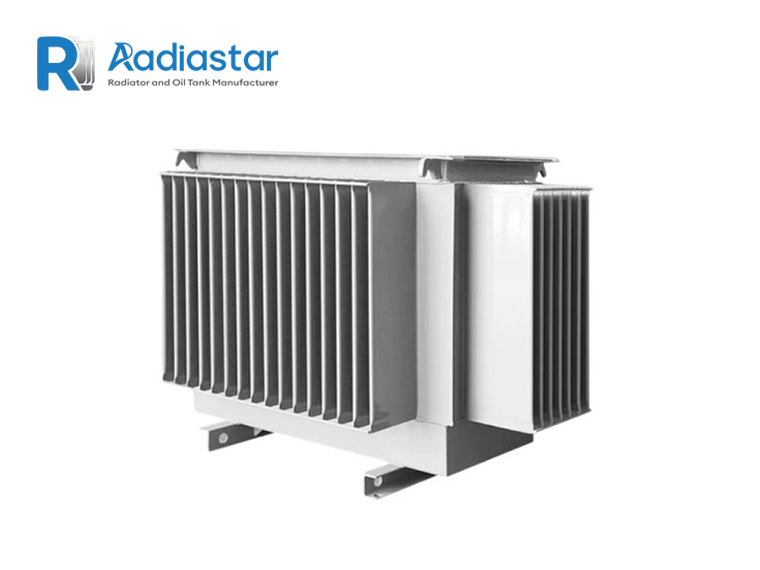
For oil immersed transformers, the transformer radiator is one of the most important cooling components. It transfers heat from hot transformer oil to the surrounding environment through natural air convection.

Among various radiator design parameters, radiator panel thickness is often overlooked but plays an important role in:

  • Heat transfer efficiency
  • Mechanical strength
  • Pressure resistance
  • Long-term reliability

As a transformer radiator design and manufacturing specialist, Radiastar engineers evaluate radiator thickness together with:

  • Cooling capacity
  • Transformer rating
  • Operating environment
  • Mechanical requirements
  • Project standards

A suitable thickness selection ensures the transformer radiator achieves both:

Efficient cooling performance and long-term operational reliability.

1. What Is Transformer Radiator Panel Thickness?

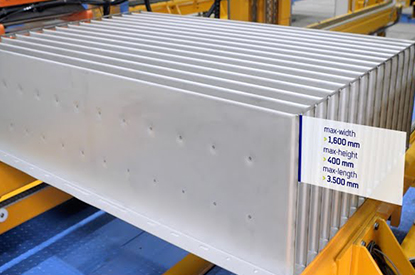
Transformer radiator panel thickness refers to the thickness of the steel sheet used to manufacture radiator panels.

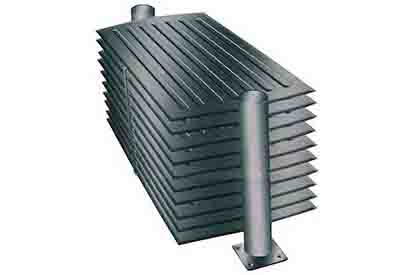
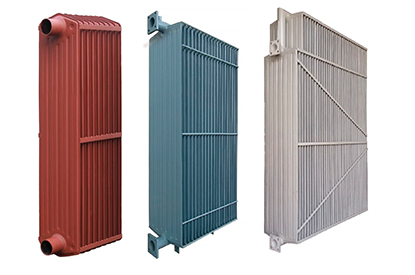
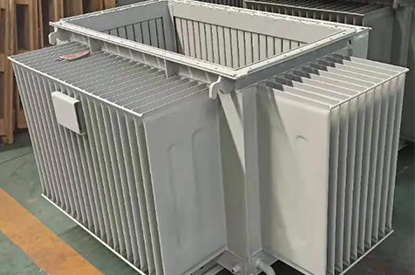
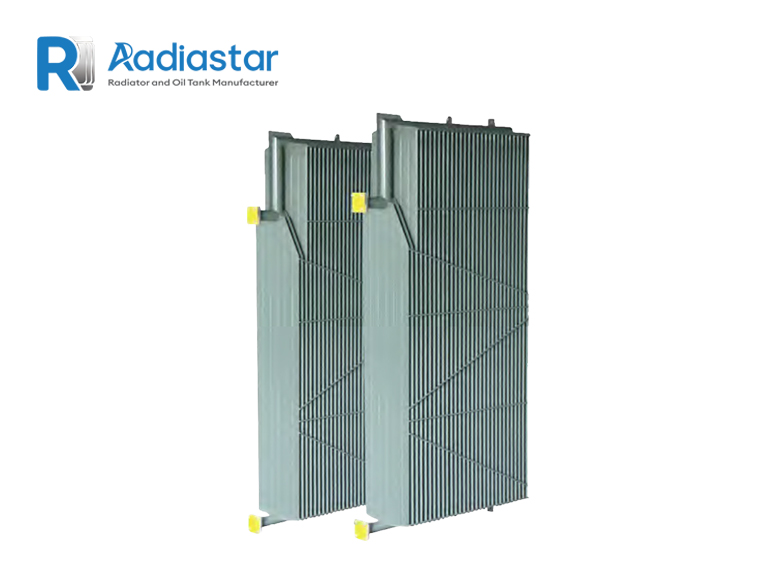
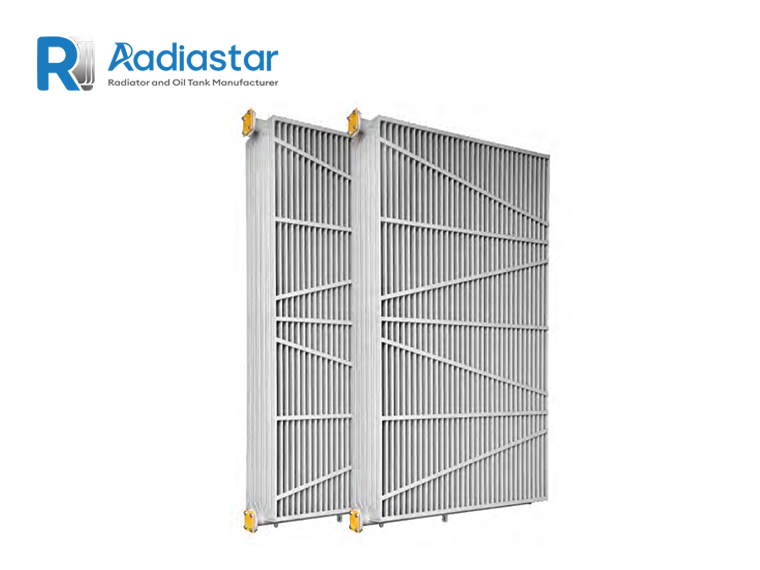
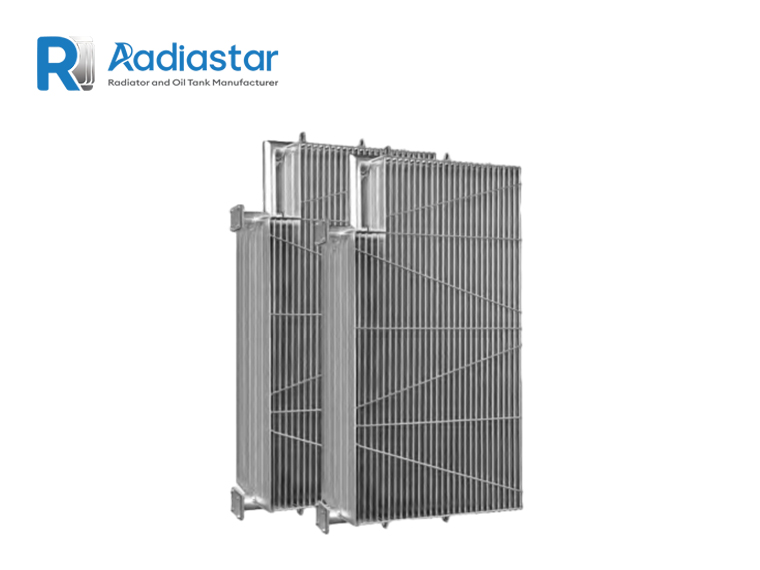
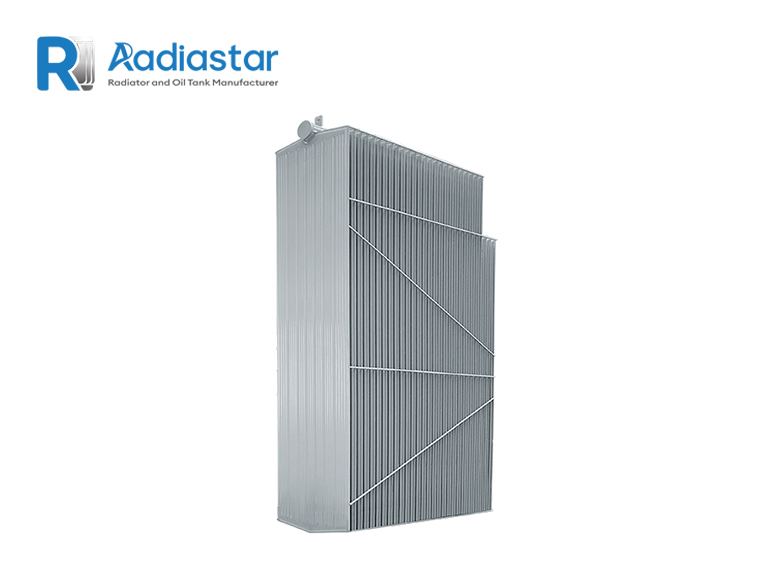
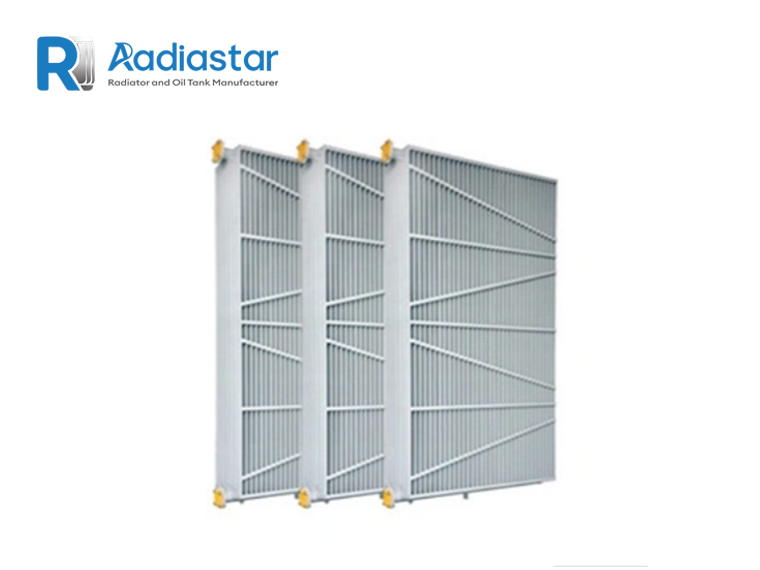
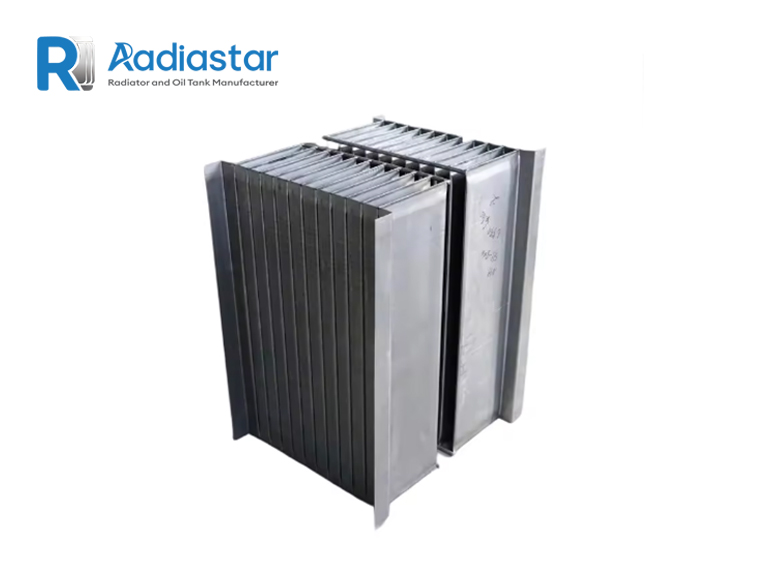
A typical transformer finned radiator consists of:

  • Radiator panels
  • Oil channels
  • Header pipes
  • Welding joints
  • Flanges
  • Supporting structures

The thickness of radiator panels affects:

  1. Heat conduction performance
  2. Structural stability
  3. Oil pressure resistance
  4. Manufacturing quality
  5. Service life

Therefore, radiator thickness should never be selected only based on cost reduction.

2. How Radiator Thickness Affects Heat Dissipation Performance

2.1 Thinner Radiator Panels Provide Faster Thermal Response

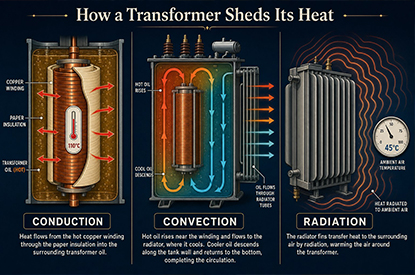
From a heat transfer perspective, thinner metal walls create a shorter heat conduction path.

This allows heat to transfer:

Transformer oil

Radiator steel panel

External surface

Ambient air

more quickly.

For standard operating conditions, appropriately designed thin radiator panels can provide:

  • Faster temperature response
  • Efficient heat transfer
  • Better cooling sensitivity

This is especially suitable for:

  • Standard distribution transformers
  • Normal load applications
  • Stable outdoor environments

However, thickness reduction must remain within engineering requirements.

2.2 Excessively Thick Panels May Increase Thermal Resistance

Although thicker steel improves strength, excessive thickness may slightly increase the thermal conduction distance.

Under the same:

  • Surface area
  • Cooling condition
  • Oil circulation

a thicker panel may have slower heat transfer response.

Possible effects include:

  • Slower cooling adjustment
  • Higher oil temperature response time
  • Reduced cooling efficiency under certain conditions

Therefore, transformer radiator design requires a balance between:

Thermal performance + Mechanical strength

2.3 Uneven Thickness Can Cause Cooling Imbalance

During manufacturing, inconsistent panel thickness may create:

  • Different heat transfer performance
  • Uneven oil circulation
  • Local temperature differences

Long-term temperature imbalance may accelerate:

  • Insulation aging
  • Oil deterioration
  • Transformer component fatigue

At Radiastar, material inspection and manufacturing control ensure radiator panels maintain consistent thickness and quality.

3. The Relationship Between Radiator Thickness and Mechanical Strength

Cooling performance is important, but transformer radiators must also withstand mechanical stress during decades of operation.

3.1 Ultra-Thin Panels May Increase Deformation Risk

Overly thin radiator panels may have insufficient mechanical strength.

During:

  • Transportation
  • Installation
  • Oil pressure changes
  • Outdoor wind loads

thin panels may experience:

  • Surface deformation
  • Panel collapse
  • Welding stress
  • Oil leakage risk

A deformed radiator can also reduce:

  • Airflow efficiency
  • Cooling area utilization

3.2 Standard Thickness Provides Better Structural Stability

A properly selected radiator panel thickness provides:

✓ Better rigidity
✓ Improved pressure resistance
✓ Reduced deformation risk
✓ Longer service life

For outdoor power transformers, structural reliability is especially important because equipment may operate continuously for:

20–30 years or longer.

3.3 Reinforced Thickness for Heavy-Duty Applications

Some transformer applications require stronger radiator structures, including:

  • Power plants
  • Industrial facilities
  • Mining projects
  • Renewable energy substations
  • High-temperature regions

In these applications, reinforced radiator panels may provide advantages:

  • Higher mechanical strength
  • Better resistance to vibration
  • Improved durability under harsh environments

4. How Engineers Select the Correct Transformer Radiator Thickness

At Radiastar, radiator thickness selection is not based on a single parameter.

Our engineers evaluate:

4.1 Transformer Capacity and Heat Load

Higher transformer power ratings generate more heat.

The radiator design must consider:

  • Transformer losses
  • Required cooling capacity
  • Temperature rise limits

4.2 Operating Environment

Different environments require different considerations.

Coastal Areas

Challenges:

  • Salt corrosion
  • High humidity

Requirements:

  • Strong coating protection
  • Reliable structural design

Desert Regions

Challenges:

  • High temperature
  • Strong UV exposure

Requirements:

  • Stable mechanical performance
  • Efficient heat dissipation

Industrial Areas

Challenges:

  • Dust
  • Chemical pollution

Requirements:

  • Durable surface protection

4.3 Radiator Size and Configuration

Thickness cannot be considered separately.

Engineers must match:

  • Panel height
  • Panel width
  • Number of radiator sections
  • Oil flow design
  • Cooling surface area

A complete radiator system design determines actual cooling performance.

5. Why Radiator Manufacturing Quality Matters

Even the correct thickness design cannot guarantee performance without proper manufacturing.

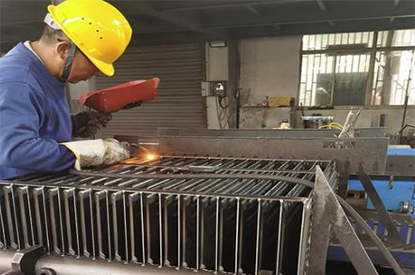
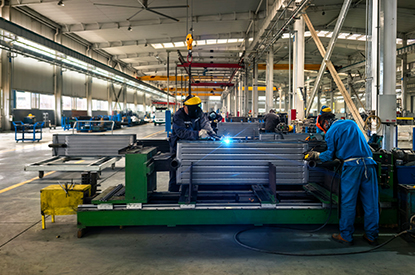
At Radiastar, transformer radiator production includes:

Material Inspection

Checking:

  • Steel quality
  • Thickness consistency
  • Surface condition

Precision Welding

Professional welding ensures:

  • Oil channel integrity
  • Leak resistance
  • Structural strength

Pressure Testing

Each radiator requires reliable sealing performance.

Testing verifies:

  • Welding quality
  • Oil tightness
  • Structural reliability

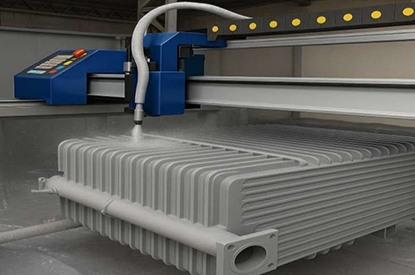
Surface Protection

Anti-corrosion treatment includes:

  • Surface preparation
  • Primer coating
  • Protective painting

to ensure long-term outdoor operation.

6. Common Mistakes When Selecting Transformer Radiator Thickness

Mistake 1: Choosing Thickness Only Based on Price

Reducing thickness to lower cost may cause:

  • Lower mechanical strength
  • Higher failure risk
  • Shorter service life

Mistake 2: Ignoring Operating Conditions

A radiator suitable for indoor operation may not be suitable for:

  • Coastal environments
  • Extreme temperatures
  • Heavy industrial applications

Mistake 3: Selecting Thickness Without Complete Design Analysis

Radiator performance depends on:

  • Thickness
  • Surface area
  • Oil circulation
  • Panel quantity
  • Cooling design

A professional manufacturer evaluates the entire system.

7. Radiastar Expertise in Transformer Radiator Design and Manufacturing

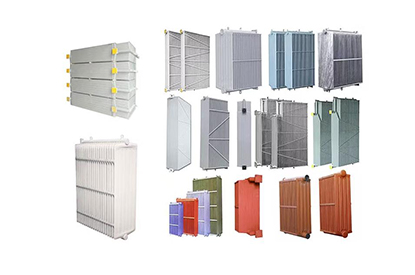
Radiastar specializes in transformer cooling solutions, including:

  • Transformer Finned Radiators
  • Radiator Panels
  • Header Pipes
  • Transformer Cooling Components

Our engineering team combines:

Design Experience

Understanding:

  • Thermal performance
  • Oil circulation
  • Mechanical requirements

Manufacturing Experience

Controlling:

  • Material selection
  • Welding process
  • Surface treatment

Quality Experience

Ensuring:

  • Dimensional accuracy
  • Pressure resistance
  • Long-term reliability

Conclusion: Correct Thickness Creates Reliable Transformer Cooling Performance

Transformer radiator panel thickness is a critical engineering parameter that affects:

  • Cooling efficiency
  • Structural strength
  • Operating reliability
  • Service life

A thinner panel may provide faster thermal response, while a thicker panel improves mechanical stability. The best solution is not the thickest or thinnest design, but the thickness optimized for the transformer application.

With professional design, manufacturing control, and quality inspection, Radiastar provides reliable transformer radiator solutions for global power equipment manufacturers and energy projects.

FAQ

1. What is transformer radiator panel thickness?

Transformer radiator panel thickness refers to the steel sheet thickness used to manufacture transformer cooling radiator panels.

2. Does thicker transformer radiator improve cooling?

Not always. Thickness affects both heat transfer and mechanical strength. Proper engineering balance is required.

3. Why are transformer radiator panels not made extremely thin?

Ultra-thin panels may reduce mechanical strength and increase deformation risks during operation and transportation.

4. What factors determine transformer radiator thickness selection?

Engineers consider:

  • Transformer capacity
  • Cooling requirements
  • Operating environment
  • Mechanical strength
  • Project standards

5. How does Radiastar ensure transformer radiator quality?

Radiastar controls material inspection, welding quality, pressure testing, coating protection and final inspection.
Share:

Submit Technical Specifications/Drawings — Get a Quote Now!

If you are interested in our products,, please send us a message and we will contact you as soon as we receive it. Email: info@radiastar.com whatsApp: +86 16650273776

    Related Product

    +86 16650273776
    info@radiastar.com
    +86 16650273776

    Quick Quote Submission

    Fill the form for transformer tank & radiator quotes. Fast reply guaranteed.

      X