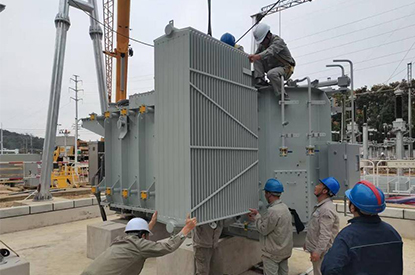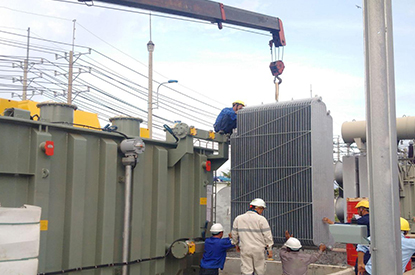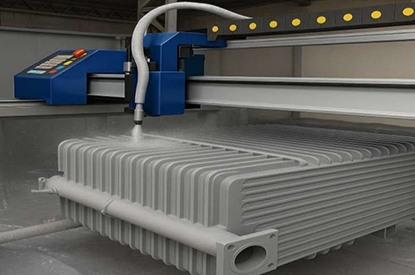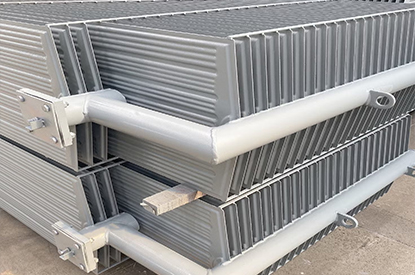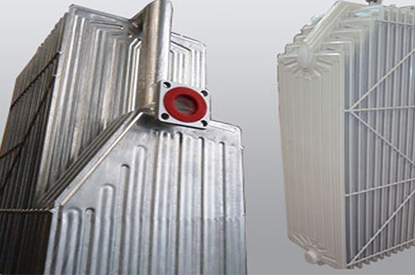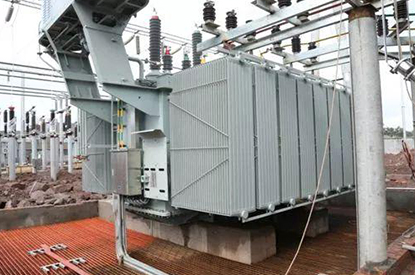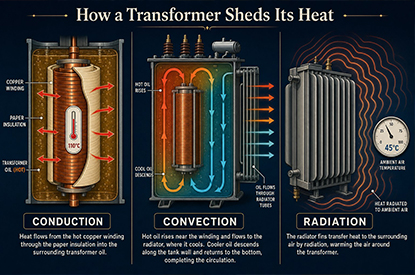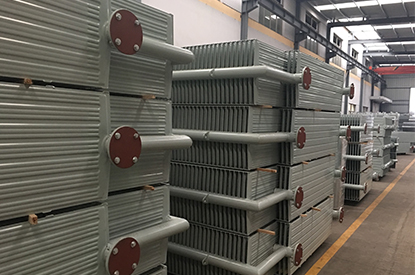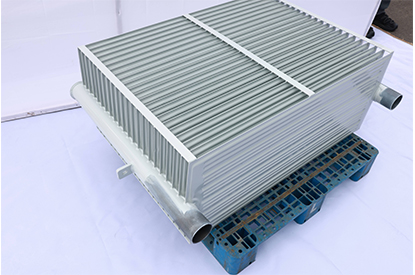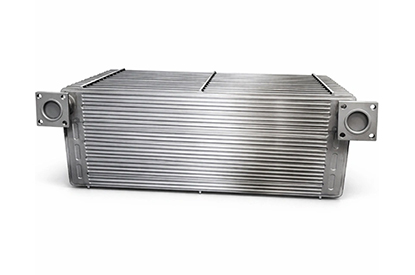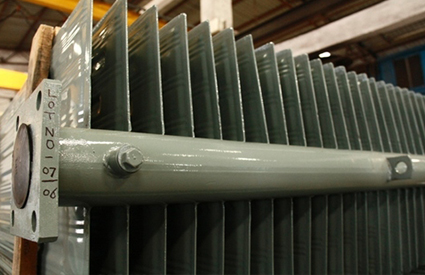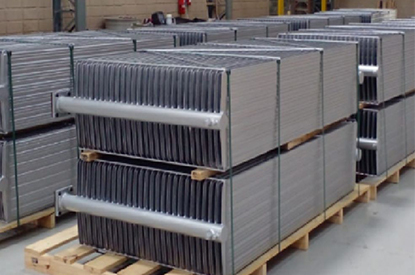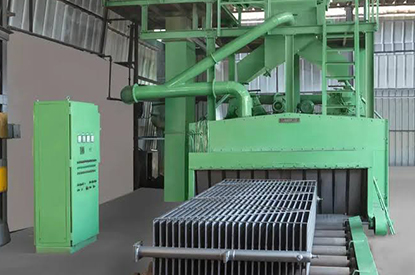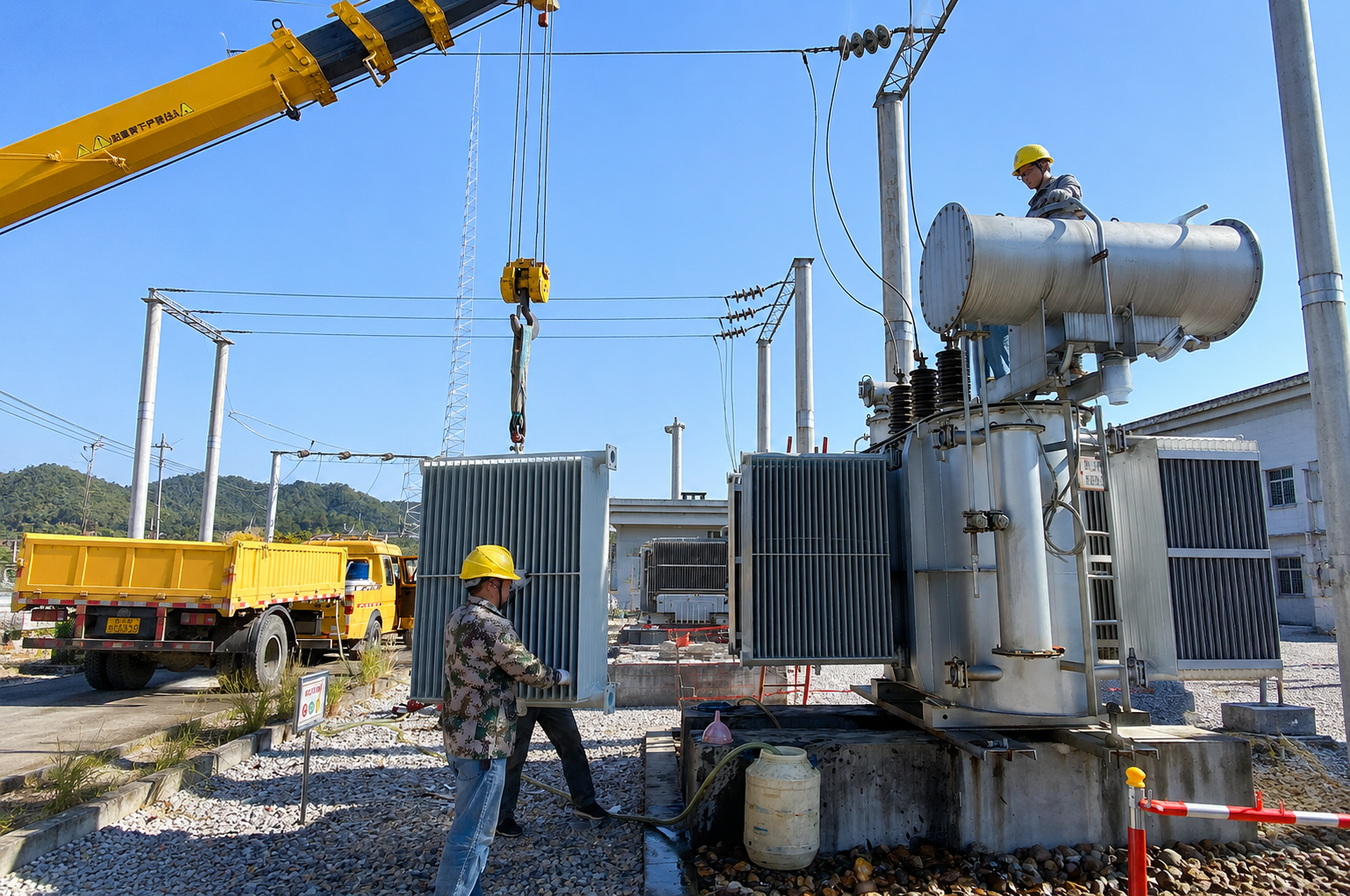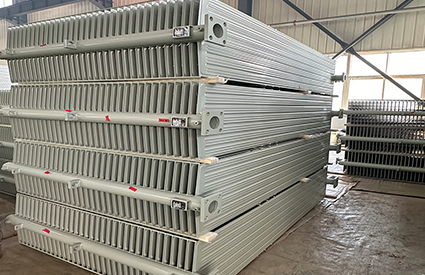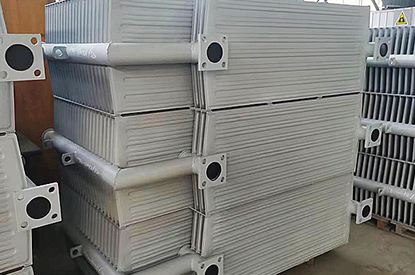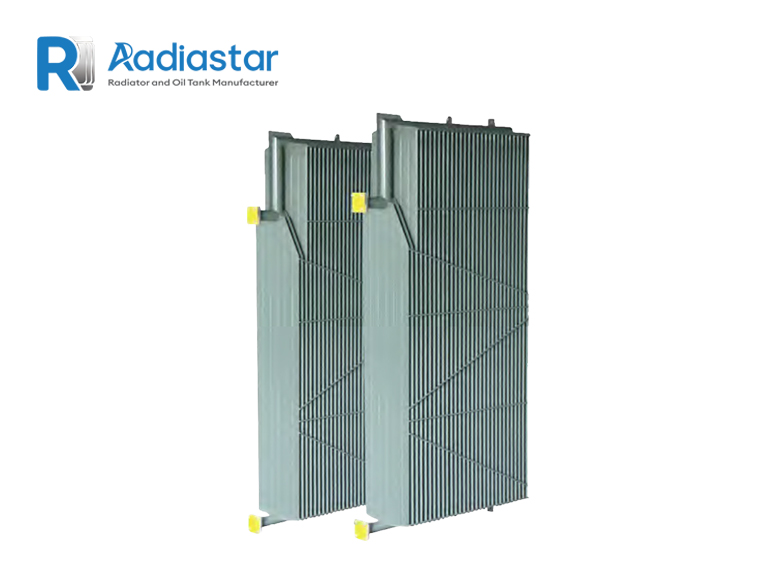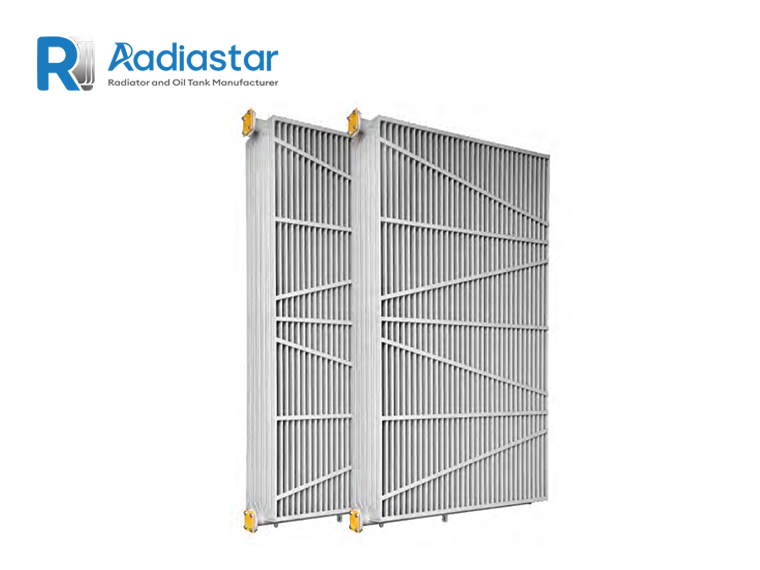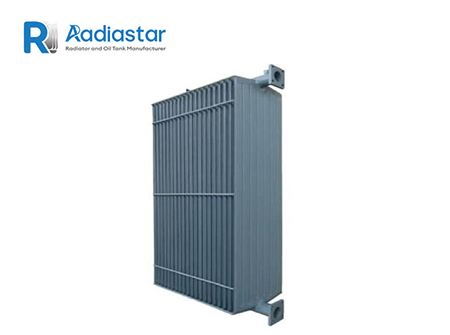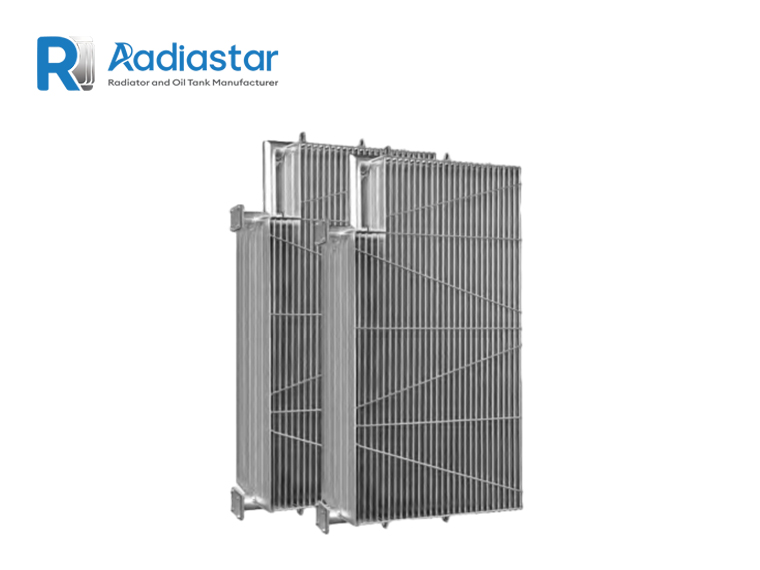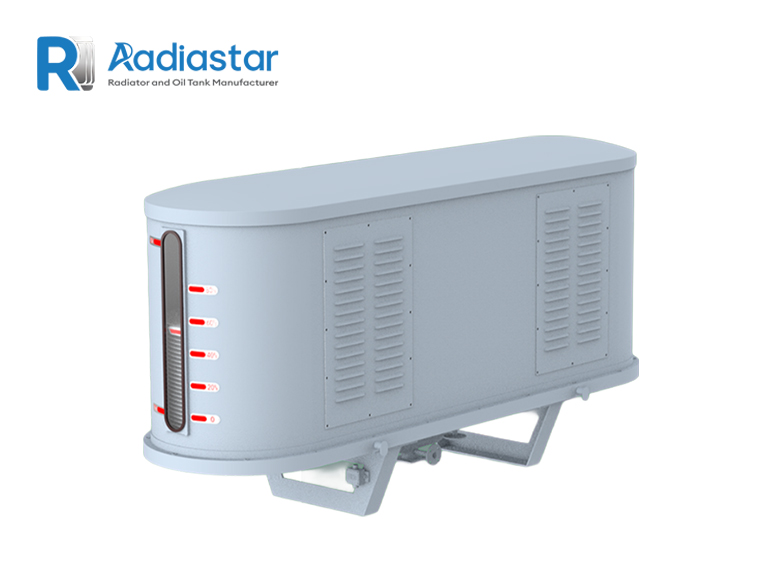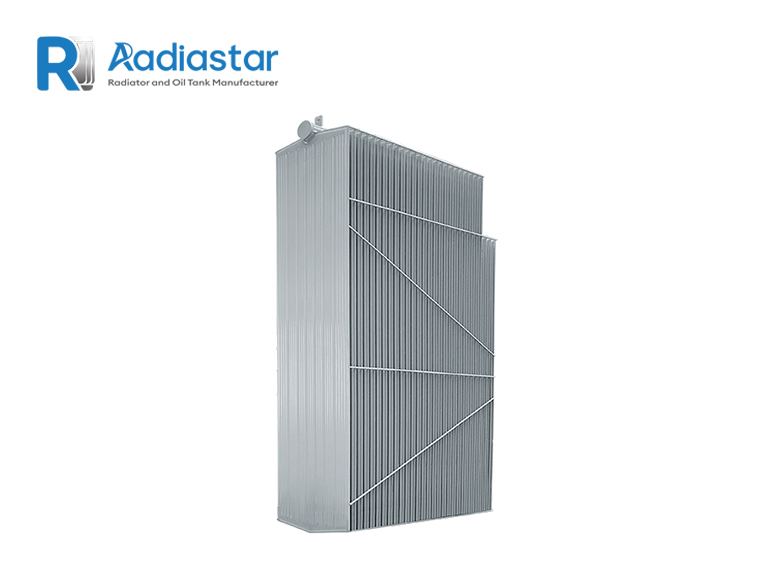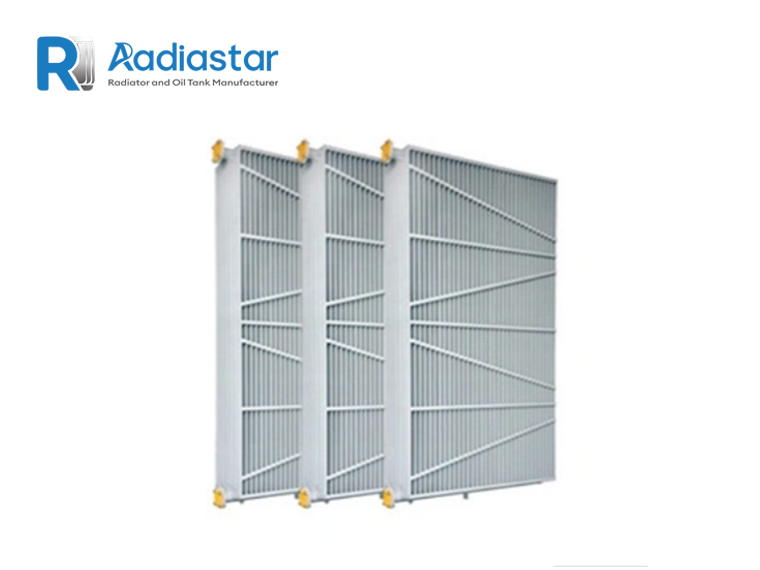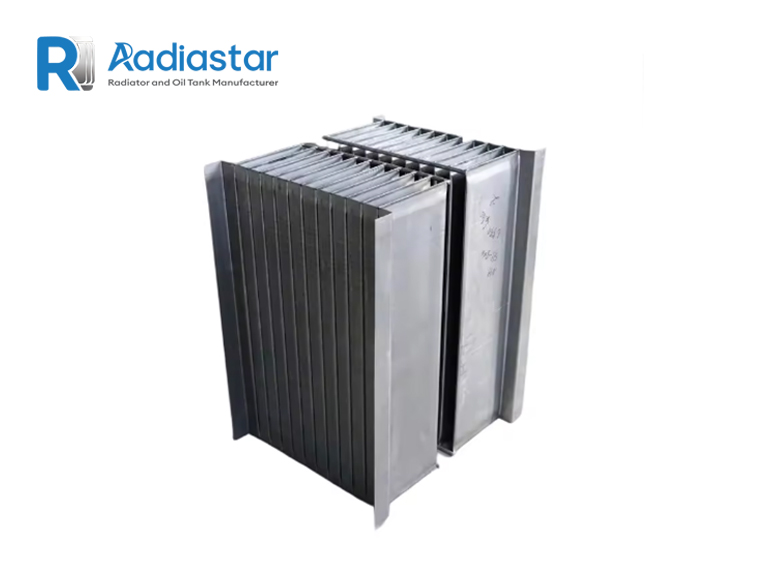

A transformer radiator is a critical heat-transfer component of a liquid-immersed transformer. Although its primary function is to dissipate heat, the radiator also forms part of the transformer oil circulation and containment system.
This means that radiator quality cannot be evaluated by cooling performance alone.
A radiator must also maintain:
For transformer manufacturers, EPC contractors and purchasing departments, transformer radiator pressure and leakage testing is therefore an important part of quality control before shipment.
A radiator that performs well thermally but develops an oil leak after installation can cause serious problems, including:
For this reason, professional radiator manufacturers normally perform pressure and leakage inspections before delivery.
IEC 60076-22-2 is specifically applicable to removable radiators mounted on liquid-immersed power transformers and includes requirements related to radiators, including testing provisions.
This article explains the main testing methods, inspection points and quality-control procedures that transformer manufacturers and buyers should understand before purchasing transformer radiators.
A transformer radiator operates as part of the transformer’s oil system.
The radiator is connected to the transformer tank through upper and lower oil connections.
During operation:
Transformer → Hot oil → Radiator → Heat dissipation → Cooled oil → Transformer
The radiator therefore needs to maintain a reliable sealed oil path.
A small defect in a weld, flange or radiator panel may initially appear insignificant.
However, during long-term transformer operation, repeated:
can cause an initially minor defect to develop into a leakage problem.
Therefore:
Pressure and leakage testing should be treated as an essential quality-control procedure rather than an optional inspection.
A professional transformer radiator inspection program may include several different tests.
The main categories are:
Used to verify the mechanical integrity and tightness of the radiator.
Used to identify oil or air leakage from:
Confirms that the radiator matches the approved drawing.
Checks:
Confirms the specified steel or stainless-steel material.
Depending on the project, this may include visual inspection and additional NDT requirements.
Checks paint, galvanizing or other corrosion-protection systems.
For certain projects, radiator thermal performance may be verified through calculations or testing.
Not every project requires every test.
The required inspection plan should be based on:
A transformer radiator pressure test applies a specified test pressure to the radiator to verify that its structure can withstand the required pressure without unacceptable leakage or permanent deformation.
The test is particularly important because transformer radiators are generally constructed from relatively thin steel sheets that are welded into closed oil passages.
Typical radiator construction includes:
Each welded area represents a potential leakage path.
A pressure test therefore provides a practical way to verify the integrity of the completed radiator assembly.
These two terms are often used interchangeably, but technically they can represent different inspection objectives.
The primary purpose is to verify the structural integrity and pressure tightness of the radiator under a specified test condition.
The primary purpose is to identify whether fluid or gas escapes from the radiator.
A pressure test can therefore include leakage observation as one of its acceptance criteria.
For procurement specifications, it is better to define clearly:
This avoids misunderstandings between the radiator supplier and transformer manufacturer.
A simplified pressure-test procedure is:
Before testing, the radiator is inspected for:
The radiator’s oil connections are closed using suitable test fixtures.
Depending on the approved test procedure, the radiator may be filled with a suitable test medium.
Pressure is increased progressively rather than applied suddenly.
The pressure is maintained for the specified test duration.
Inspectors check:
The inspection record should identify:
The exact pressure and holding time should always follow the applicable standard, approved drawing and project specification rather than an arbitrary value selected by the supplier.
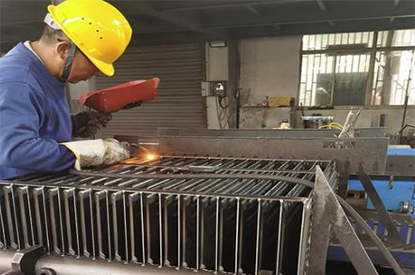
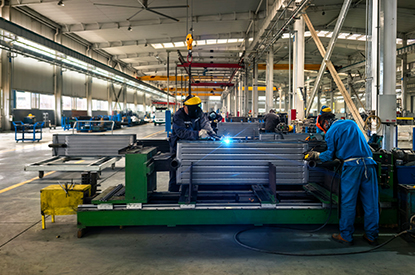
Transformer radiators contain a large number of welded joints.
These include:
Poor welding can result from:
A radiator may pass a basic visual inspection but still contain defects that can become leakage points.
Therefore, professional manufacturing requires controlled welding procedures and appropriate inspection.
Typical welding defects can include:
Gas pockets form within the weld.
The weld metal does not properly fuse with the base material.
The weld does not penetrate sufficiently through the joint.
Cracks can become serious leakage paths.
The base material is locally eroded near the weld.
Heat from welding causes the radiator panel to deform.
The severity and acceptance criteria of these defects depend on the applicable welding specification and project requirements.
Leakage testing is particularly important because transformer radiators are intended to contain insulating oil throughout their service life.
Leakage can occur at:
A leakage test may use visual observation, pressure decay, air-based detection or other approved methods depending on the manufacturing process and project specification.
The exact test method should be documented in the manufacturer’s quality-control procedure.
Two commonly discussed approaches are:
A gas is introduced into the radiator and the assembly is pressurized.
Potential leakage points can then be detected through an appropriate leak-detection method.
Advantages may include:
However, compressed gas stores significantly more energy than water, so appropriate safety procedures and controlled test equipment are essential.
The radiator is filled with a suitable liquid and pressurized.
Because liquid is much less compressible than gas, hydrostatic testing has different safety characteristics and is widely used for pressure integrity verification in many industrial applications.
The appropriate method depends on the applicable radiator standard, manufacturer’s procedure and purchaser specification.
One of the most common mistakes in online technical content is saying:
“All transformer radiators should be tested at X MPa for Y minutes.”
This is not a reliable engineering rule.
The correct test pressure depends on:
IEC 60076-22-2 provides requirements applicable to removable radiators used with liquid-immersed power transformers.
Therefore, a professional radiator supplier should provide the actual test procedure and acceptance criteria rather than using an unexplained universal pressure value.
Pressure testing alone cannot guarantee that a radiator will fit the transformer.
Dimensional inspection is therefore equally important.
The following dimensions should normally be checked:
| Dimension | Purpose |
|---|---|
| Center distance | Matches upper/lower tank connections |
| Overall height | Installation clearance |
| Fin width | Confirms radiator configuration |
| Number of fins | Confirms design |
| Fin pitch | Confirms construction |
| Header diameter | Oil-flow compatibility |
| Flange diameter | Tank connection |
| Bolt-hole pattern | Mechanical installation |
| Overall width | Transformer footprint |
| Support dimensions | Mechanical mounting |
For replacement radiators, dimensional accuracy is especially important.
A radiator can pass the pressure test perfectly and still be unusable if its flange position is incorrect.
Center distance is one of the most critical dimensions.
It is generally measured between the centers of the upper and lower oil connections.
For example:
Specified center distance: 2000 mm
The finished radiator must meet the approved drawing tolerance.
An incorrect center distance can result in:
Therefore, center distance should be inspected before the radiator is packed for shipment.
The radiator flange is the mechanical interface between the radiator and transformer tank.
Inspection may include:
For export projects, the flange standard should be clearly identified.
Possible specifications may reference:
The supplier should not assume that all customers use the same flange configuration.
A visual inspection should be performed after manufacturing and before shipment.
Inspectors should look for:
Visual inspection is simple, but it can identify many manufacturing problems before shipment.
Transformer radiators are frequently installed outdoors.
They may be exposed to:
Therefore, corrosion protection is important.
Common protection systems include:
A common solution for standard outdoor transformer applications.
Can provide enhanced corrosion resistance in appropriate applications.
Suitable for demanding environments where higher corrosion resistance is required.
The selected system should consider:
For painted radiators, coating thickness can be checked using an appropriate coating-thickness gauge.
The inspection may include:
The target thickness should come from the approved coating specification.
A supplier should not simply state:
“Painted with high-quality paint.”
A professional specification should identify:
Material quality directly affects radiator durability.
Common materials include:
Material inspection may involve:
For critical projects, the purchaser may request material certificates according to the applicable material standard.
Radiator panels are often manufactured from relatively thin steel sheets.
Thickness affects:
Commercial transformer radiator designs may use different thicknesses depending on the product configuration and project requirements.
For example, Radiastar’s published radiator range includes customized material thickness options extending from approximately 1.2 mm to 2.5 mm depending on design.
The correct thickness should be based on the approved engineering design rather than simply selecting the thickest available material.
Oil tightness is one of the most important acceptance criteria.
A properly manufactured radiator should maintain its integrity during:
Oil leakage can result in:
Oil loss
↓
Reduced insulation performance
↓
Possible transformer overheating
↓
Maintenance / shutdown
Therefore, leakage prevention should be built into the manufacturing process rather than treated as a final inspection problem.
The best radiator quality-control system does not wait until final testing.
Inspection should take place throughout production.
Check:
Check:
Check:
Check:
Check:
Check:
Check:
This approach is much more reliable than relying solely on final inspection.
For large transformer projects, the purchaser may request a Factory Acceptance Test (FAT) or inspection before shipment.
The inspection can include:
For large quantities, the customer may also specify an inspection and test plan (ITP).
A typical ITP may define:
This allows the purchaser to control critical manufacturing stages.
A professional test report should be traceable to the radiator being tested.
Recommended information includes:
This documentation is particularly important for export transformer projects.
The most common problems encountered in radiator manufacturing can include:
Usually associated with welding or connection defects.
Incorrect dimensions prevent installation.
May occur during welding, transportation or improper handling.
Can result in premature corrosion.
Causes installation difficulties.
The delivered radiator does not match the approved drawing.
Can cause flange or panel damage during transportation.
A good supplier should have preventive controls for each of these risks.
Price should not be the only purchasing criterion.
A more professional supplier comparison should include:
| Factor | What to Check |
|---|---|
| Thermal performance | Cooling area / verified data |
| Dimensions | Approved drawing |
| Material | Grade and certificate |
| Welding | Process and inspection |
| Pressure test | Procedure and record |
| Leakage test | Acceptance criteria |
| Coating | Type and thickness |
| Flange | Standard and dimensions |
| Packaging | Export protection |
| Documentation | Inspection reports |
| Customization | OEM capability |
The cheapest radiator may not be the lowest-cost solution if it causes:
Before placing a purchase order, ask the supplier:
These questions quickly distinguish a professional transformer radiator manufacturer from a trading supplier.
Before shipment, the purchaser can use the following checklist:
For international transformer projects, the radiator is usually one component within a larger equipment package.
The purchaser may need documentation for:
Therefore, a radiator supplier should be capable of providing appropriate technical documents.
A typical document package may include:
For OEM transformer manufacturers, maintaining consistent documentation and product traceability is particularly important.
Export projects often require additional attention because the radiator may travel thousands of kilometers before installation.
The product may experience:
Therefore, after final testing, the radiator should be properly protected.
Important packaging measures can include:
The packaging should prevent damage without compromising the radiator’s final installation.
Radiastar manufactures transformer radiator products for liquid-immersed transformer applications, including carbon-steel and stainless-steel configurations and customized radiator assemblies. Its product range includes different center distances, fin configurations, connection arrangements and surface-treatment options.
For OEM and replacement projects, radiator dimensions can be developed according to the customer’s transformer drawing and technical requirements.
The key quality-control principle is:
The radiator should be manufactured according to an approved technical drawing and verified through appropriate dimensional, pressure, leakage and visual inspections before shipment.
This is especially important for custom radiators where the center distance, flange configuration or overall dimensions differ from standard catalog products.
A transformer radiator is not simply a group of metal fins.
It is a pressure-containing, oil-circulating heat-transfer component that must operate reliably for many years as part of the transformer cooling system.
For this reason, professional transformer radiator pressure and leakage testing should be considered an essential part of quality control.
The key inspection areas are:
Material
↓
Forming
↓
Welding
↓
Dimensional accuracy
↓
Pressure testing
↓
Leakage inspection
↓
Surface treatment
↓
Final inspection
↓
Export packaging
For buyers, the most important point is not simply asking:
“Is the radiator tested?”
Instead, ask:
“What test method, pressure, holding time, acceptance criteria and inspection records are provided?”
For a new transformer project, the purchaser should provide the transformer rating, cooling method, required radiator dimensions, tank connection drawing and applicable project specifications.
For a replacement radiator, the existing center distance, flange dimensions, fin configuration and photographs should be supplied to the manufacturer.
A professional radiator manufacturer should then be able to provide a technically traceable product with the required drawings, inspection records and test documentation.