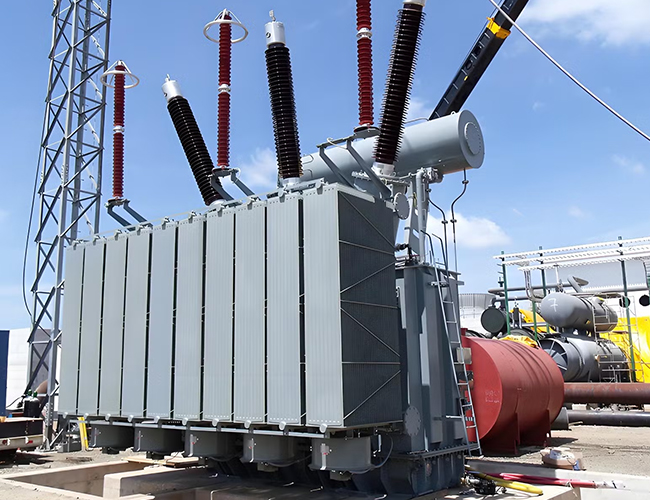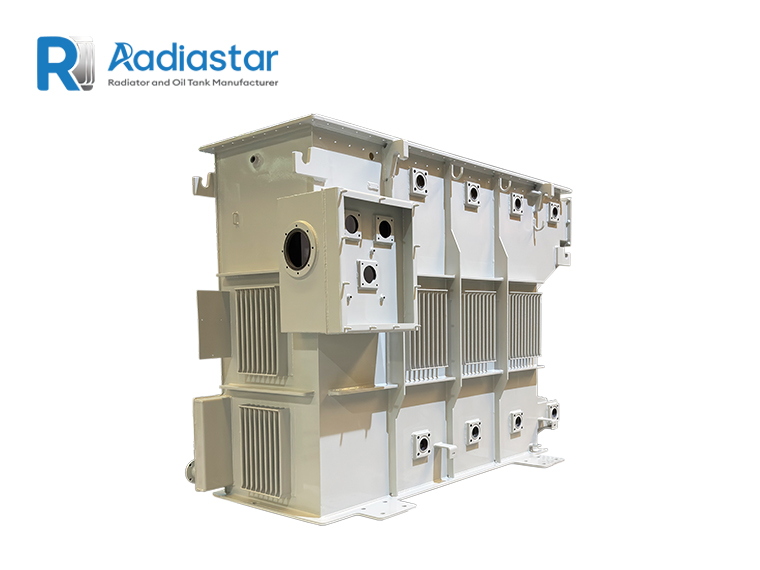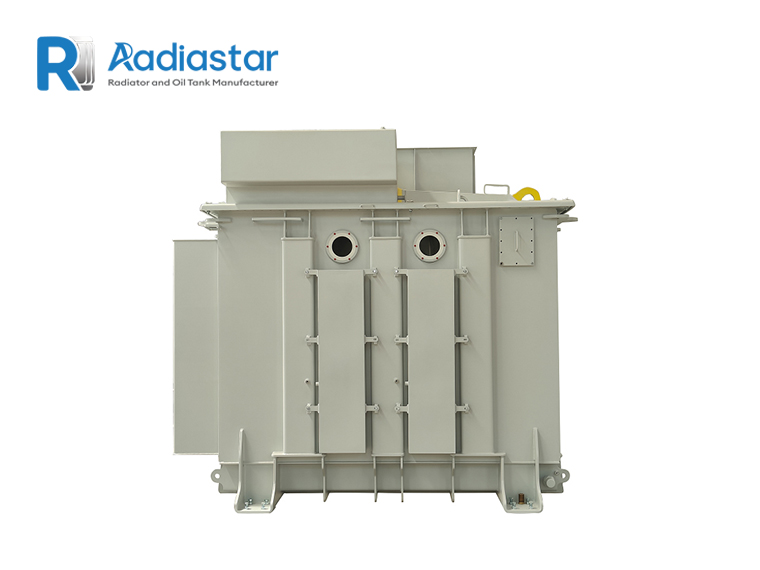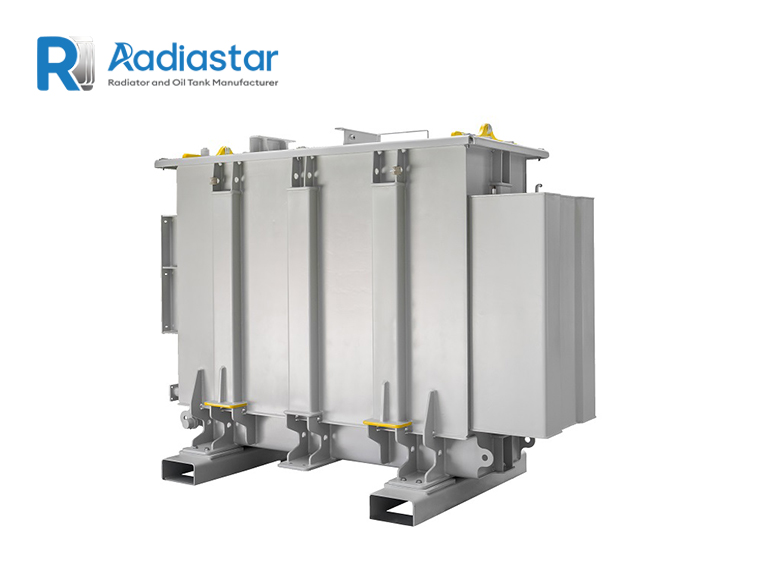

A 63 MVA power transformer generates significant heat during operation due to core losses and winding losses. An efficient cooling system is essential to maintain the required operating temperature, prevent insulation aging, and ensure long-term transformer reliability.
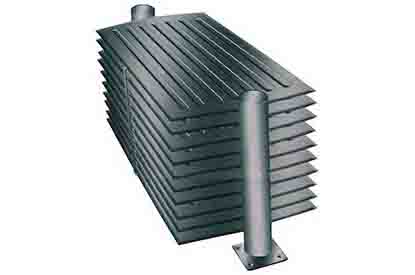
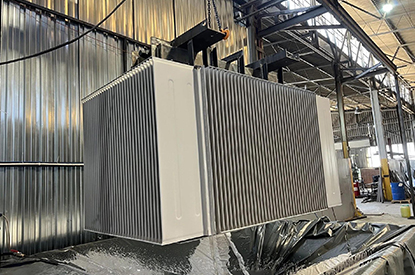
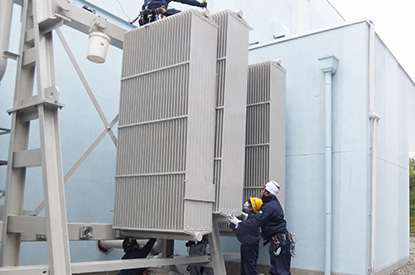
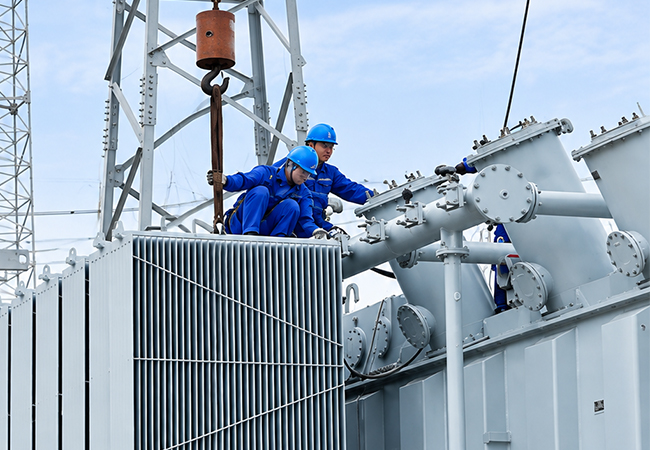
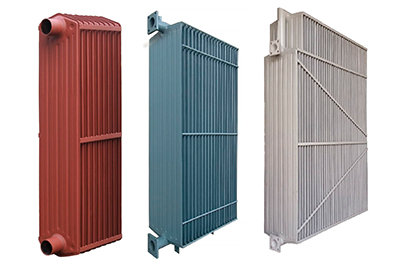
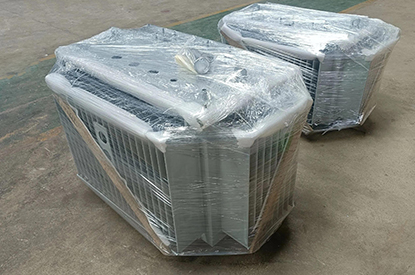
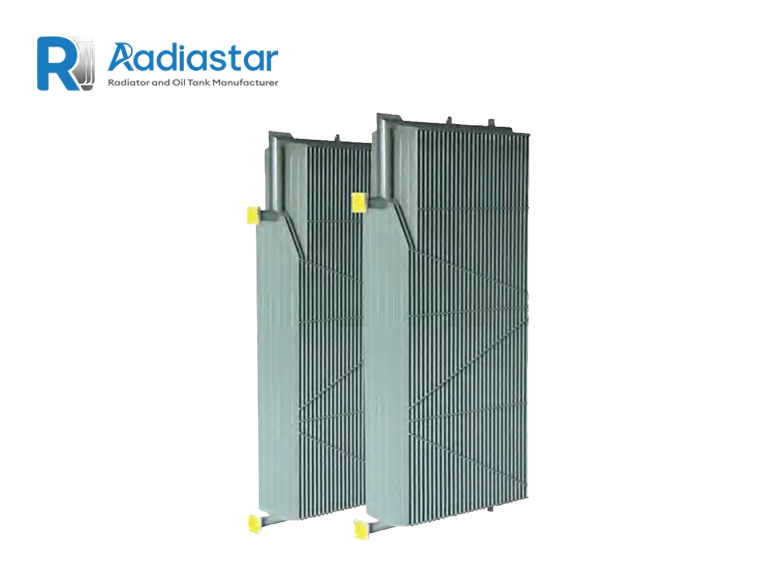
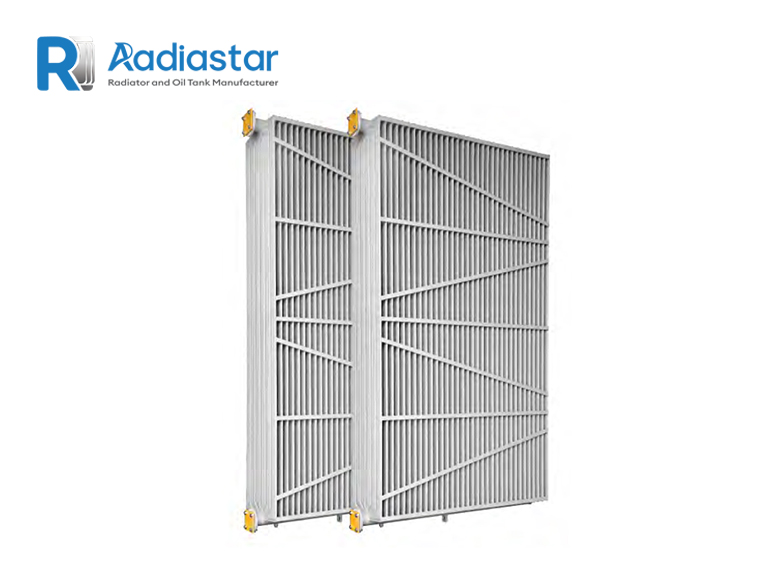
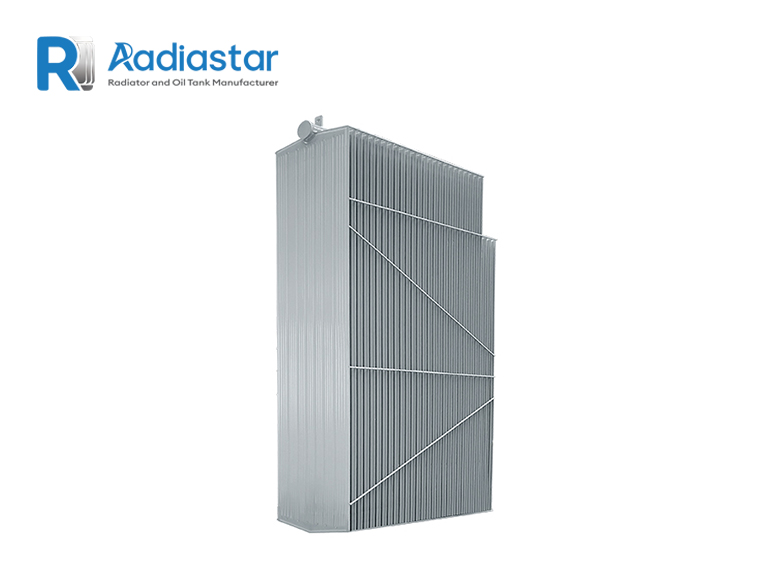
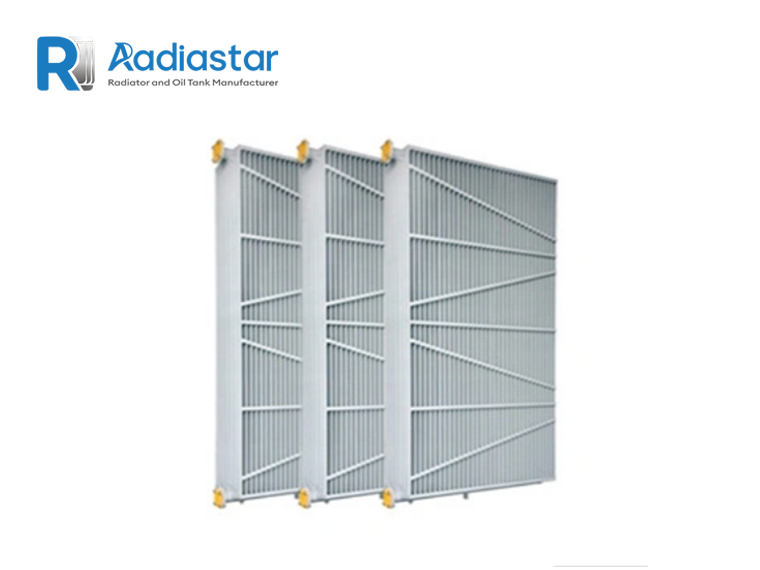
The transformer radiator panel is a key component of an oil-immersed transformer cooling system. It transfers heat from the circulating transformer oil to the surrounding air through natural or forced convection.
For large power transformers, including 63 MVA units, radiator design must consider heat dissipation requirements, oil circulation, cooling methods, installation dimensions, and operating conditions.
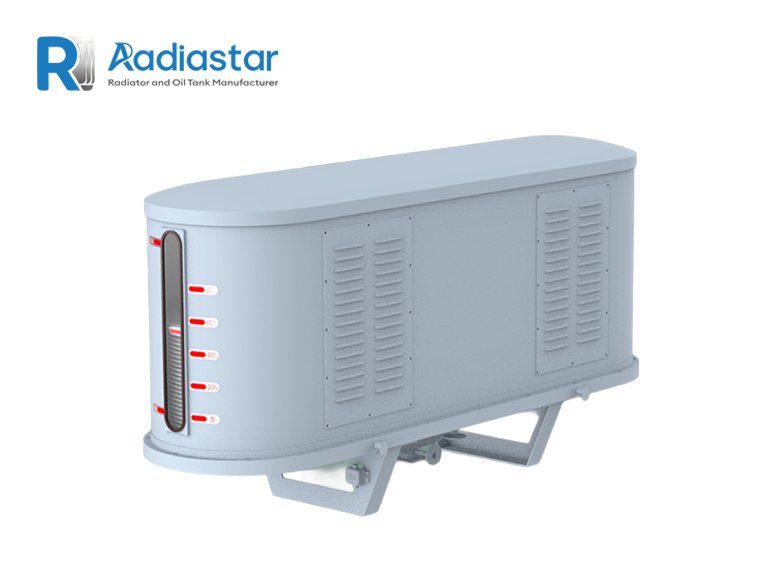
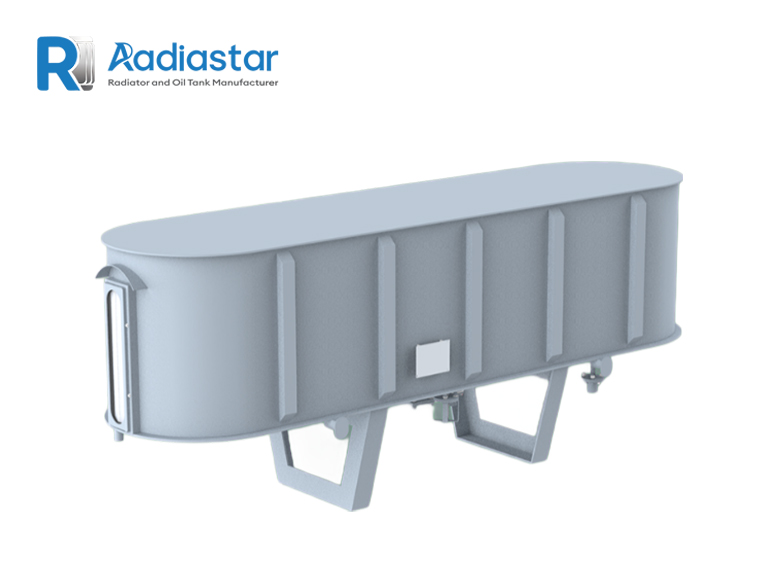
RADIASTAR specializes in manufacturing customized transformer radiators and cooling components for oil-immersed distribution and power transformers. With OEM production capabilities, RADIASTAR provides radiator panels designed according to transformer drawings, technical specifications, and project requirements.
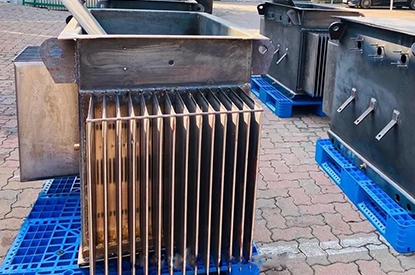
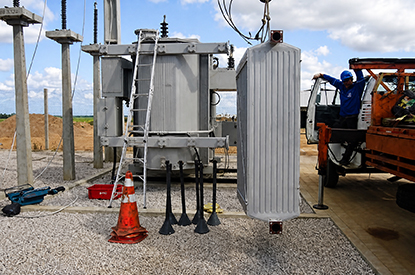
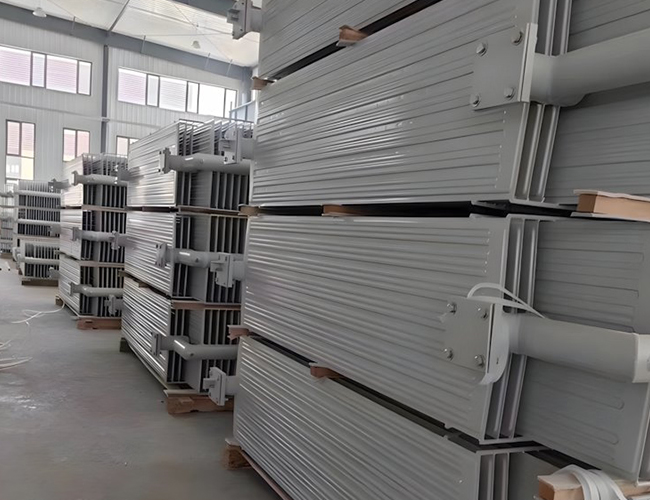
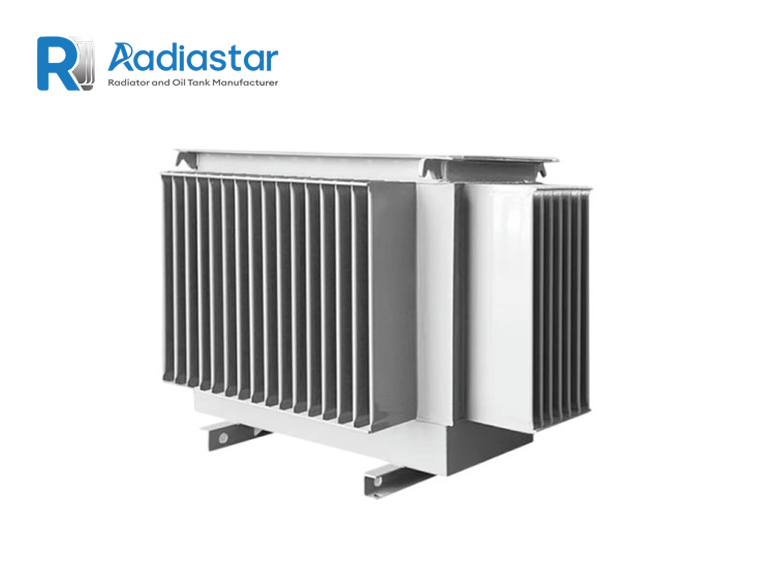
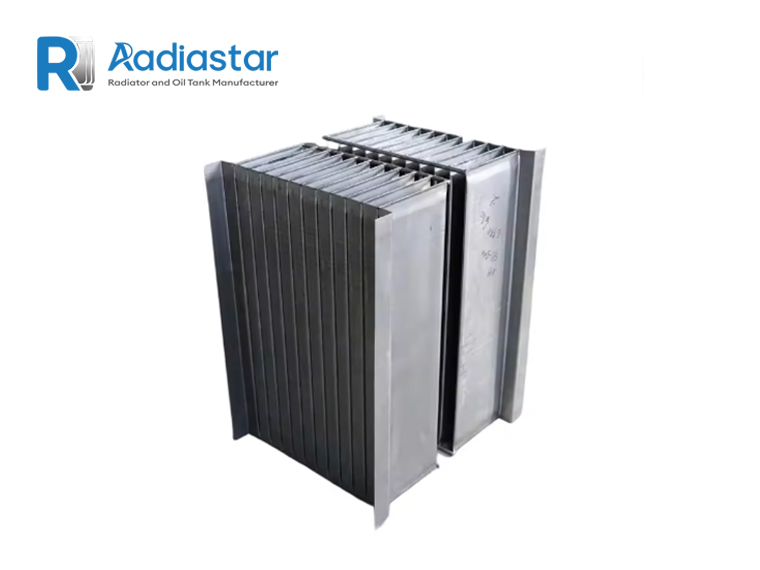
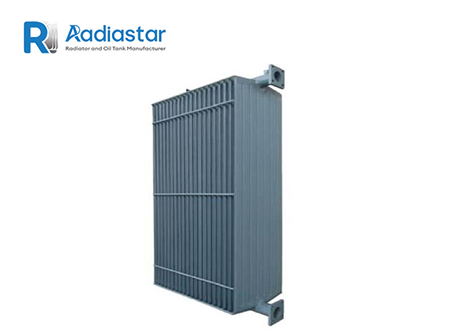
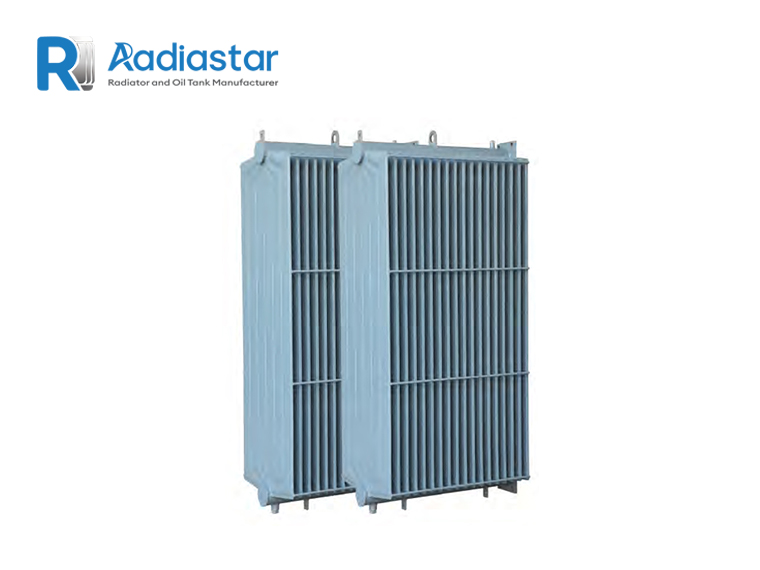
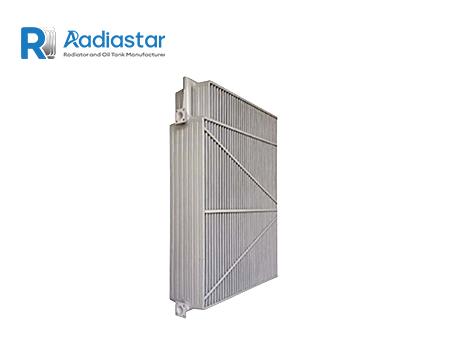
A transformer radiator panel is an external heat exchanger installed on the transformer tank or connected through a radiator bank.
During transformer operation, the oil absorbs heat generated by the core and windings. Heated oil flows into the upper radiator headers, passes through the radiator panels, and releases heat into the surrounding air. The cooled oil then returns to the transformer tank.
This circulation process helps control the temperature of transformer oil and insulation materials.
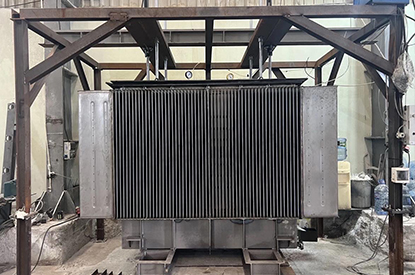
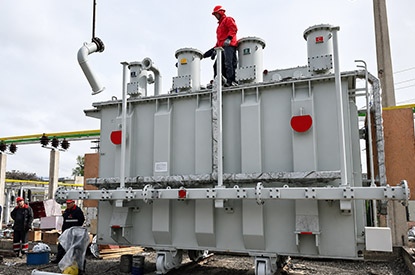
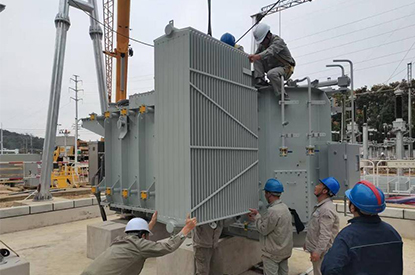
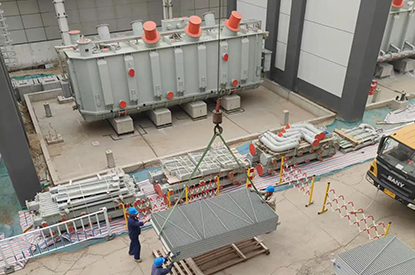
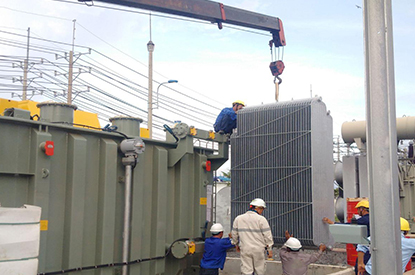
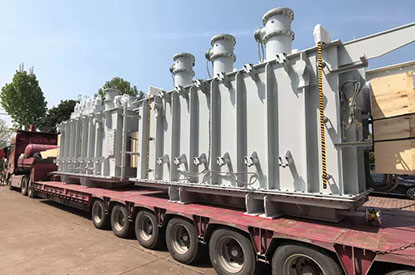
For a 63 MVA transformer, the radiator system may consist of multiple radiator banks installed around the transformer tank.
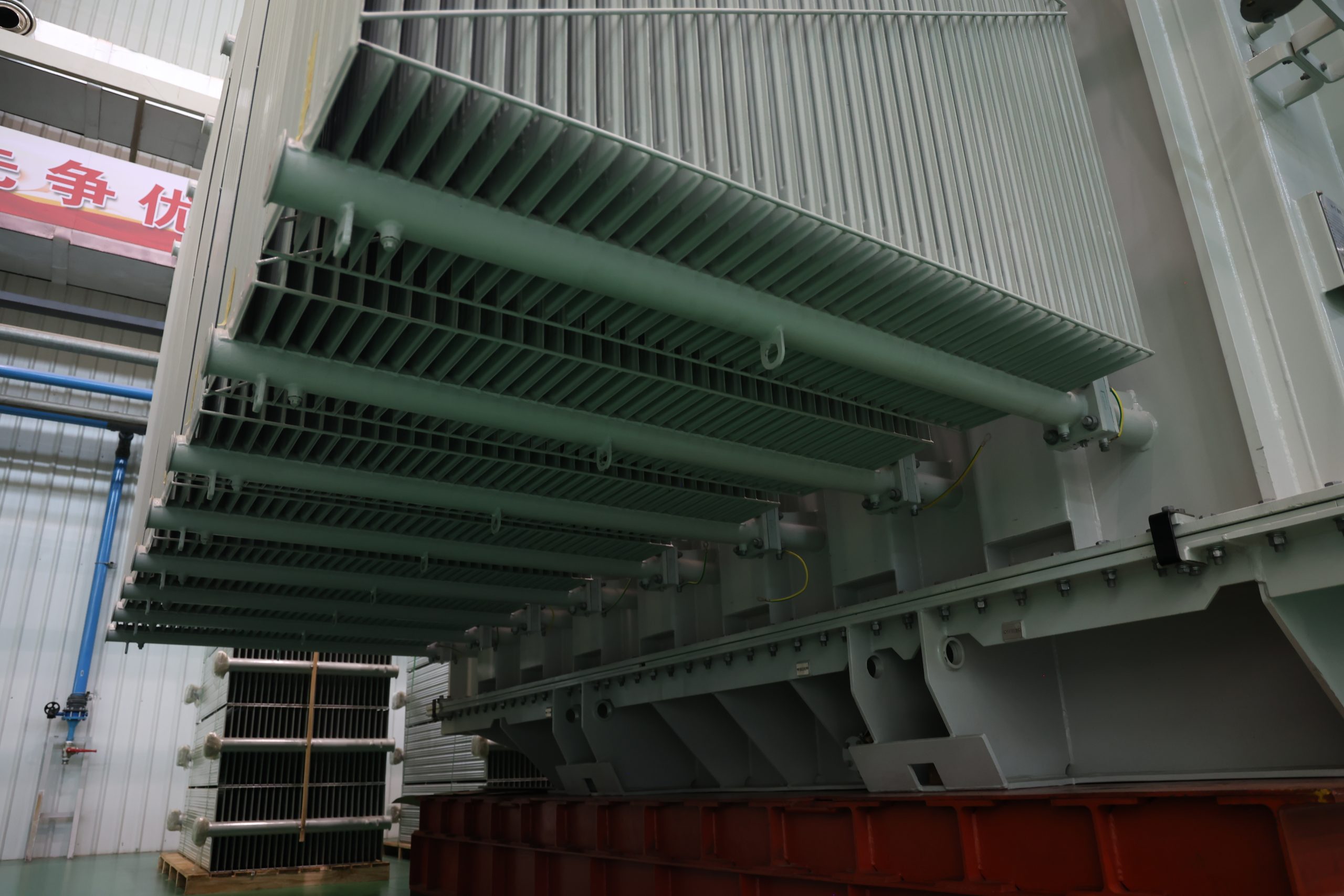
The number and dimensions of radiator panels depend on several engineering parameters:
Transformer rated capacity and operating losses
Required cooling capacity
ONAN or ONAF cooling configuration
Maximum ambient temperature
Top-oil and winding temperature rise limits
Available installation space
Oil circulation characteristics
It is important to note that radiator quantity cannot be determined by transformer capacity alone. Thermal calculations and the approved transformer design are required.
Large power transformers commonly use ONAN or ONAN/ONAF cooling systems.
The cooling method directly affects radiator performance, fan configuration, and the required heat dissipation area.
| Parameter | ONAN Cooling | ONAF Cooling |
|---|---|---|
| Oil circulation | Natural | Natural |
| Air circulation | Natural | Forced by fans |
| Cooling equipment | Radiator panels | Radiator panels and fans |
| Fan installation | Not required | Required |
| Heat dissipation | Natural convection | Enhanced air convection |
| Application | Normal cooling operation | Higher cooling demand |
ONAN Cooling
ONAN stands for Oil Natural Air Natural. Heated transformer oil circulates naturally through the radiator panels due to temperature and density differences. Heat is transferred to the surrounding air through natural convection.
ONAF Cooling
ONAF stands for Oil Natural Air Forced. The transformer oil still circulates naturally, while cooling fans force air across the radiator surfaces to increase heat dissipation.
For example, a transformer may have a rated capacity of 40/50 MVA under ONAN/ONAF conditions. The actual ratings and cooling configuration must follow the transformer nameplate and approved thermal design.
For 63 MVA transformers, selecting the correct cooling configuration is essential to achieving the required operating temperature and thermal performance.
Radiator panel specifications should be determined according to the transformer manufacturer’s drawings and thermal requirements.
The following table summarizes typical technical parameters available from RADIASTAR’s radiator manufacturing range.
| Technical Parameter | RADIASTAR Specifications |
|---|---|
| Product | Transformer Radiator Panel |
| Application | Oil-Immersed Power Transformer |
| Transformer Capacity | 50 kVA–500 MVA |
| Voltage Class | 10–500 kV |
| Cooling Method | ONAN / ONAF |
| Material | Carbon Steel |
| Steel Thickness | 1.2 / 1.5 / 2.0 / 2.5 mm |
| Panel Width | 120 / 140 / 160 / 180 mm, customized |
| Radiator Height | 500–3500 mm |
| Center Distance | 300–3500 mm |
| Panel Quantity | 5–36 panels |
| Connection | Flange / Welding |
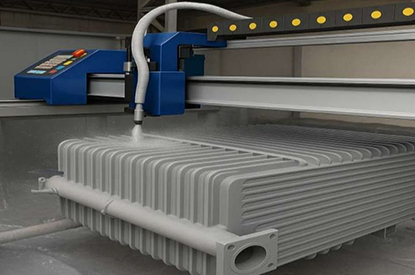
| Surface Treatment | Shot Blasting + Painting |
| Coating Thickness | 80–240 μm |
| Customization | OEM / ODM |
Note: These are RADIASTAR’s published product-range specifications, not a fixed configuration for every 63 MVA transformer. Actual dimensions, panel quantity, and pressure requirements are subject to project drawings and engineering confirmation.
Source: RADIASTAR Transformer Radiator Manufacturing.
Selecting radiator panels for a 63 MVA transformer requires more than matching standard dimensions.
The cooling system must be designed according to the transformer’s total heat generation and required temperature limits.
The following factors are particularly important.
1. Transformer Losses
Transformer heat generation mainly comes from:
No-load losses in the magnetic core.
Load losses in the windings and structural components.
The radiator system must dissipate the required heat under specified operating conditions.
2. Radiator Height and Width
Radiator height and width determine the available heat-transfer surface area.
Larger radiator panels can provide more cooling surface, depending on their geometry and operating conditions.
3. Number of Radiator Panels
The total number of panels affects the overall cooling area and oil capacity.
For a 63 MVA transformer, the panel arrangement should be determined through thermal calculations rather than a general capacity-based estimate.
4. Oil Circulation
Proper oil circulation ensures that heated oil can enter the radiator and cooled oil can return to the transformer tank.
The upper and lower header dimensions, connection positions, and internal flow paths should be coordinated with the transformer design.
5. Ambient Temperature
Transformers installed in tropical, desert, coastal, and cold-climate environments may require different cooling configurations.
The design should account for the specified maximum ambient temperature and required temperature rise.
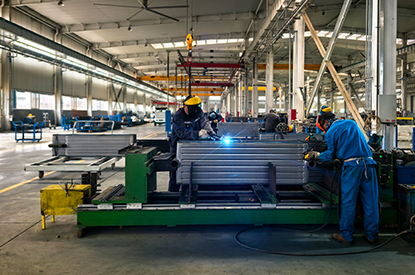
For large power transformer applications, radiator manufacturing quality directly affects cooling-system reliability and service life.
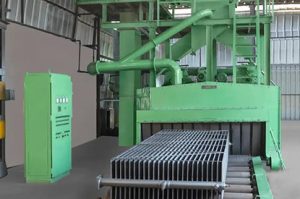
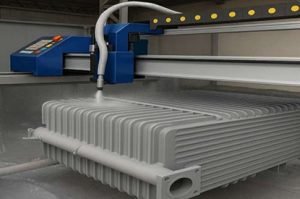
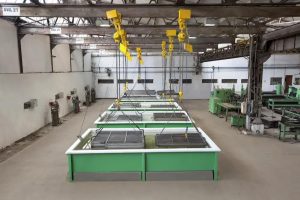
Important manufacturing and inspection procedures include:
| Manufacturing Process | Quality Control Requirements |
|---|---|
| Raw Material Inspection | Steel grade and thickness verification |
| Panel Forming | Dimensional and shape inspection |
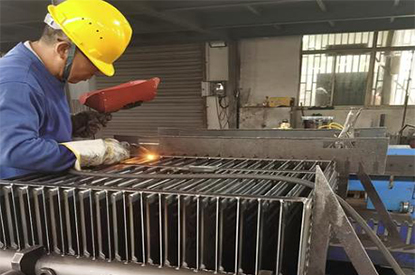
| Welding | Weld quality and joint integrity |
| Pressure Testing | Hydraulic pressure testing |
| Leakage Inspection | Oil leakage prevention |
| Surface Treatment | Shot blasting and coating inspection |
| Final Inspection | Dimensions and appearance verification |
For transformer radiator panels, pressure resistance and oil-tightness are particularly important.
Radiator panels must withstand the specified operating pressure and testing conditions without leakage or structural deformation.
RADIASTAR provides pressure testing, leakage inspection, dimensional verification, and coating inspection as part of its radiator manufacturing quality control.
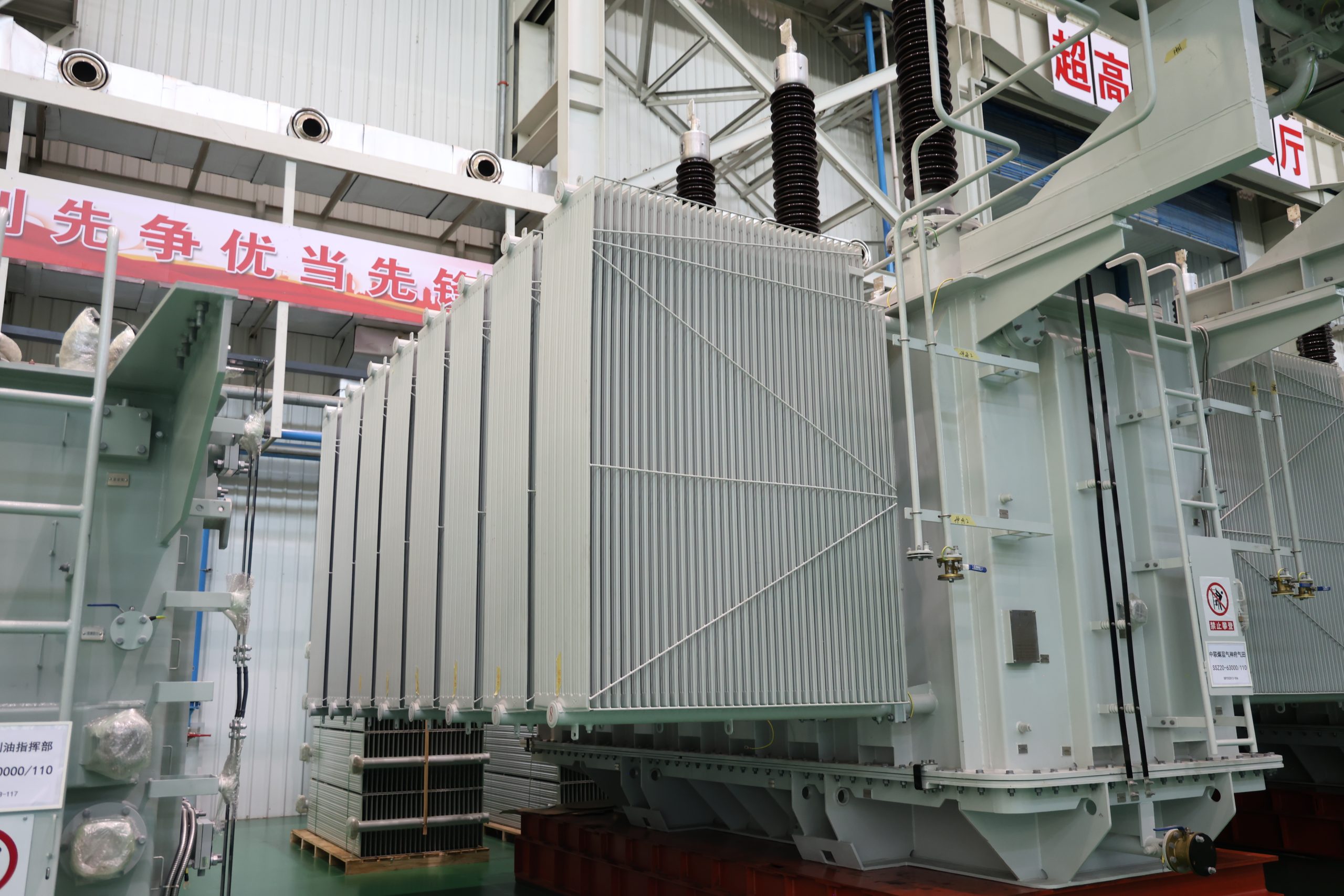
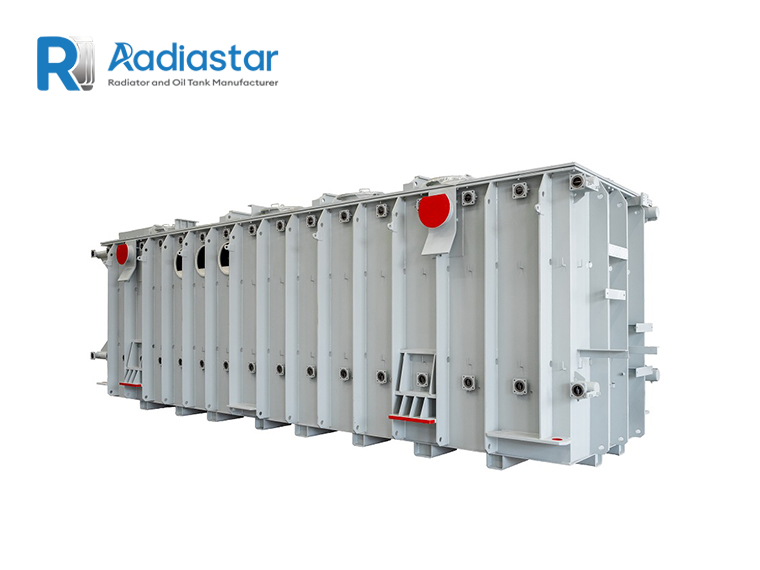
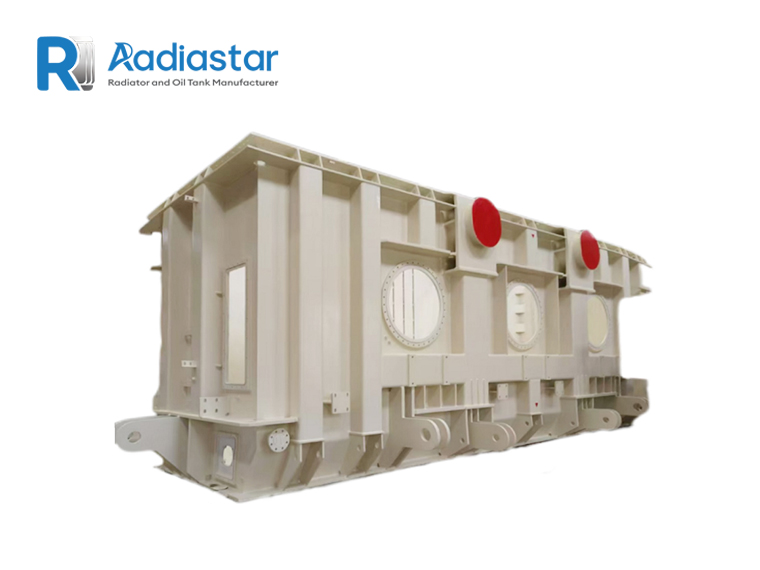
RADIASTAR focuses on transformer tanks, radiator panels, and oil-immersed transformer cooling components.
For 63 MVA power transformer applications, RADIASTAR offers customized radiator manufacturing based on customer drawings and technical requirements.
Key advantages include:
Customized OEM Manufacturing: Radiator dimensions, panel quantity, center distance, and connection structures can be customized.
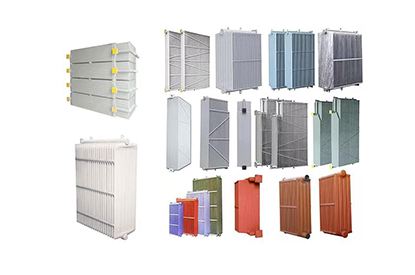
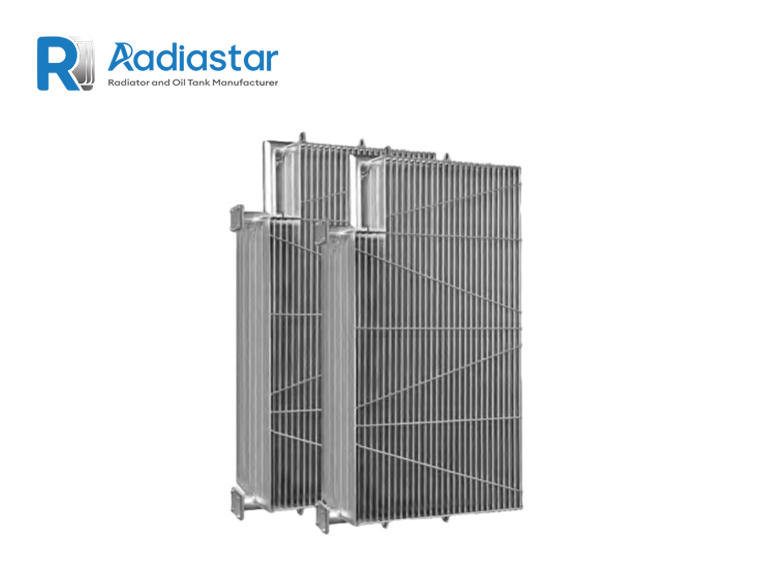
Multiple Radiator Designs: Straight, corrugated, and other radiator configurations for different transformer applications.
Material Options: Carbon steel radiator panels with different thickness options.
Corrosion Protection: Customized coating solutions for outdoor, industrial, and coastal environments.
Quality Inspection: Pressure testing, leakage inspection, dimensional verification, and coating inspection.
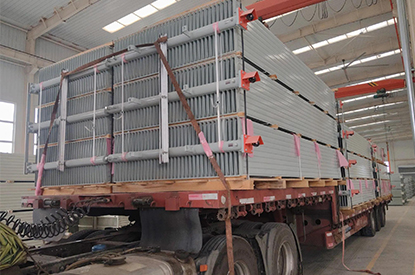
Global Supply: Transformer radiator solutions for manufacturers and engineering projects worldwide.
Whether you need replacement radiator panels or customized cooling components for new 63 MVA power transformers, RADIASTAR can provide manufacturing solutions according to your engineering requirements.
To ensure accurate radiator selection and manufacturing, customers should provide the following information:
| Required Information | Description |
|---|---|
| Transformer Capacity | 63 MVA |
| Voltage Rating | e.g. 110/33 kV or 132/33 kV |
| Cooling Method | ONAN / ONAF |
| Transformer Losses | No-load and load losses |
| Radiator Height | Required panel height |
| Center Distance | Distance between upper and lower headers |
| Panel Width | Radiator element width |
| Panel Quantity | Required number of panels |
| Connection Type | Flange or welded connection |
| Installation Environment | Indoor, outdoor, coastal, or industrial |
If available, please provide the original radiator drawings, technical specifications, or photographs of the existing radiator assembly.
RADIASTAR can review the technical requirements and recommend a suitable manufacturing configuration.
Radiator panels play an important role in maintaining the thermal performance and operational reliability of 63 MVA oil-immersed power transformers.
Correct radiator selection requires comprehensive consideration of transformer losses, cooling methods, heat-transfer area, oil circulation, ambient temperature, and installation requirements.
RADIASTAR provides customized transformer radiator panels for power transformers from 50 kVA to 500 MVA, supporting ONAN and ONAF cooling applications. With OEM manufacturing and quality inspection capabilities, RADIASTAR supports transformer manufacturers and power engineering projects with reliable cooling components.
Looking for radiator panels for a 63 MVA power transformer?
Contact RADIASTAR today for customized radiator specifications, technical support, and factory quotations.
Website: www.radiastar.com
Email: info@radiastar.com